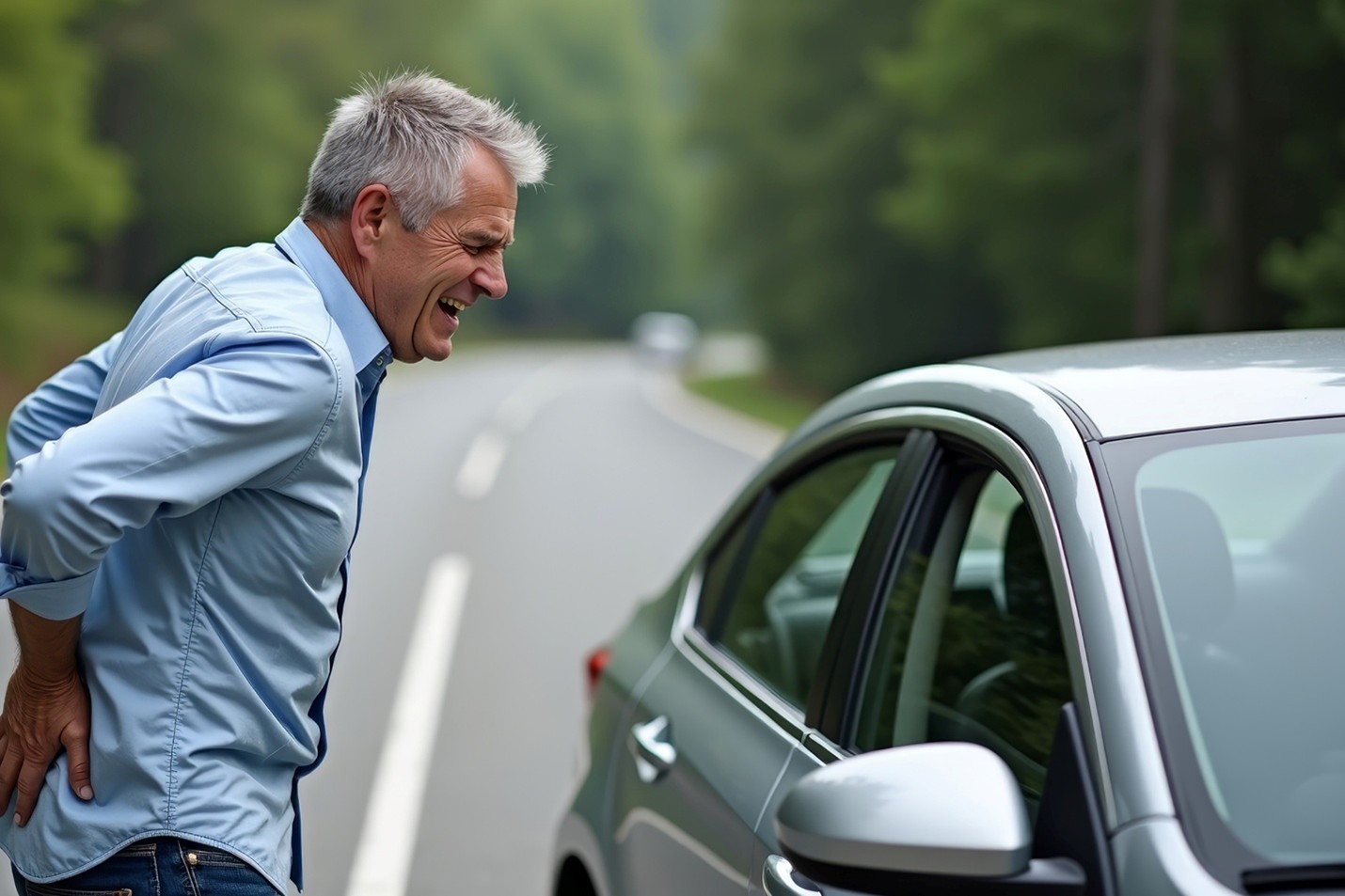



After a bad motor vehicle accident, victims often face financial hardship due to medical expenses and lost wages. But like any other traumatic event, emotional and psychological burdens can be just as significant and linger long after physical injuries have healed.
If you’re currently dealing with depression, anxiety, or other mental health struggles after a car wreck that wasn’t your fault, Texas law allows you to seek meaningful compensation for your pain and suffering.
However, insurance companies are notorious for undervaluing or dismissing mental health claims. Depression is an “invisible” condition that is hard to prove with objective medical testing. And although mental health conditions are less stigmatized in our culture than a decade ago, crash victims are still routinely accused of making up or exaggerating their symptoms.
At Crosley Law, we understand how depression and psychological trauma can impact the lives of car accident survivors. Since 2005, our car accident attorneys have worked hard to ensure that victims not only get the medical and psychological support they need, but the financial settlements they deserve. In this post, we will discuss mental health issues caused by car accidents as well as symptoms and common causes of car crash-related depression.
Common Mental Health Conditions Caused by Car Accidents
A variety of research studies have been performed on mental health outcomes after motor vehicle accidents. One study, published in 2020 in the Journal of Clinical Medicine, asked car accident survivors to self-report their symptoms one month after their crash. They found that nearly a third of crash victims were dealing with post-traumatic stress disorder (PTSD) and more than one in six had symptoms of depression. In each case, severe physical injuries increased the likelihood of emotional trauma.
Major Depressive Disorder (Depression)
A car accident can cause depression for several reasons. Economic hardship from medical bills can cause stress, physical injuries can severely change everyday life, or mental anguish can lead to long-term side effects. Depression is serious and signs and symptoms should not be ignored, especially after suffering from traumatic events. If you or a loved one is showing signs of depression, seek help from a qualified mental health professional as soon as possible to prevent any further psychiatric complications.
Related: Cutting Edge Tactics Result in a $16M Jury Award: Jerry M.’S Story
Post-Traumatic Stress Disorder (PTSD)
Car accidents are one of the leading causes of PTSD. Symptoms of PTSD tend to develop within three months of an accident and can eventually interfere with everyday life and relationships if untreated. PTSD can cause victims to have flashbacks of their life-threatening accident and avoid operating normally out of fear. This mental trauma from an auto accident can be devastating, so it is important to seek help early on for any out-of-the-ordinary feelings or behaviors.
Persistent Anxiety
Anxiety can be caused in many ways and can even exist in other forms prior to a car accident. But for those who experience anxiety after an auto accident, the side effects can be difficult and debilitating. Anxiety can lead to other conditions such as the development of phobias, panic attacks, sleep disorders, and even physical pain and symptoms.
According to the Anxiety and Depression Association of America, anxiety is the most common mental health issue in the United States, so it is important to get the help you need when you feel anxious. If you believe you or a loved one are suffering from anxiety, seek treatment or visit here for more information.

Recognizing the Signs of Depression after a Car Accident
Major depression is more than feeling sad or blue. If you or a loved one are experiencing any of the following symptoms, it may be a sign of depression:
- Feelings of hopelessness, emptiness, and sadness
- Anger, irritability, and frustration
- Anxiety and restlessness
- Excessive worry
- Loss of interest in hobbies and other activities
- Excessive fatigue and lack of energy
- Trouble sleeping
- Appetite changes
- Problems with concentration, memory, and decision-making
- Thoughts of suicide or self-harm
- Unexplained headaches, back pain, stomach pain, chest pain, or other symptoms
Although there is no one cause of depression after a car accident, it can be a side effect of several direct factors including severe physical injuries, emotional distress, physical pain, and mental trauma.
No two accidents will lead to the same response, so it is important to seek medical treatment as soon as possible after an accident. A psychological evaluation from a qualified mental health provider will help you better understand the source of and solution to your symptoms
If you’re having thoughts about suicide, self-harm, or harming others, please seek immediate treatment at an emergency room, call 911, or call the National Suicide and Crisis Lifeline at 988. Know that you are not alone. Confidential help is available for free 24 hours a day.
Contributing Causes: The Link Between Car Accident Injuries and Depression
Traumatic Brain Injuries (TBIs)
Major depressive disorder is one of the most common and disabling psychiatric conditions associated with a traumatic brain injury after traffic accidents. If left untreated, patients can suffer from slowed or incomplete recovery, decreased cognitive function, and increased healthcare costs.
Many factors can contribute to TBI-related depression. For example, physical damage to your brain can impact its function and cause mood changes, anger, or other symptoms of depression. Additionally, the physical, mental, and emotional struggle of dealing with a TBI can cause or worsen depression and anxiety.
Related: Watch for These Emotional Signs and Symptoms of a TBI
Physical Changes and Limitations from Physical Injuries
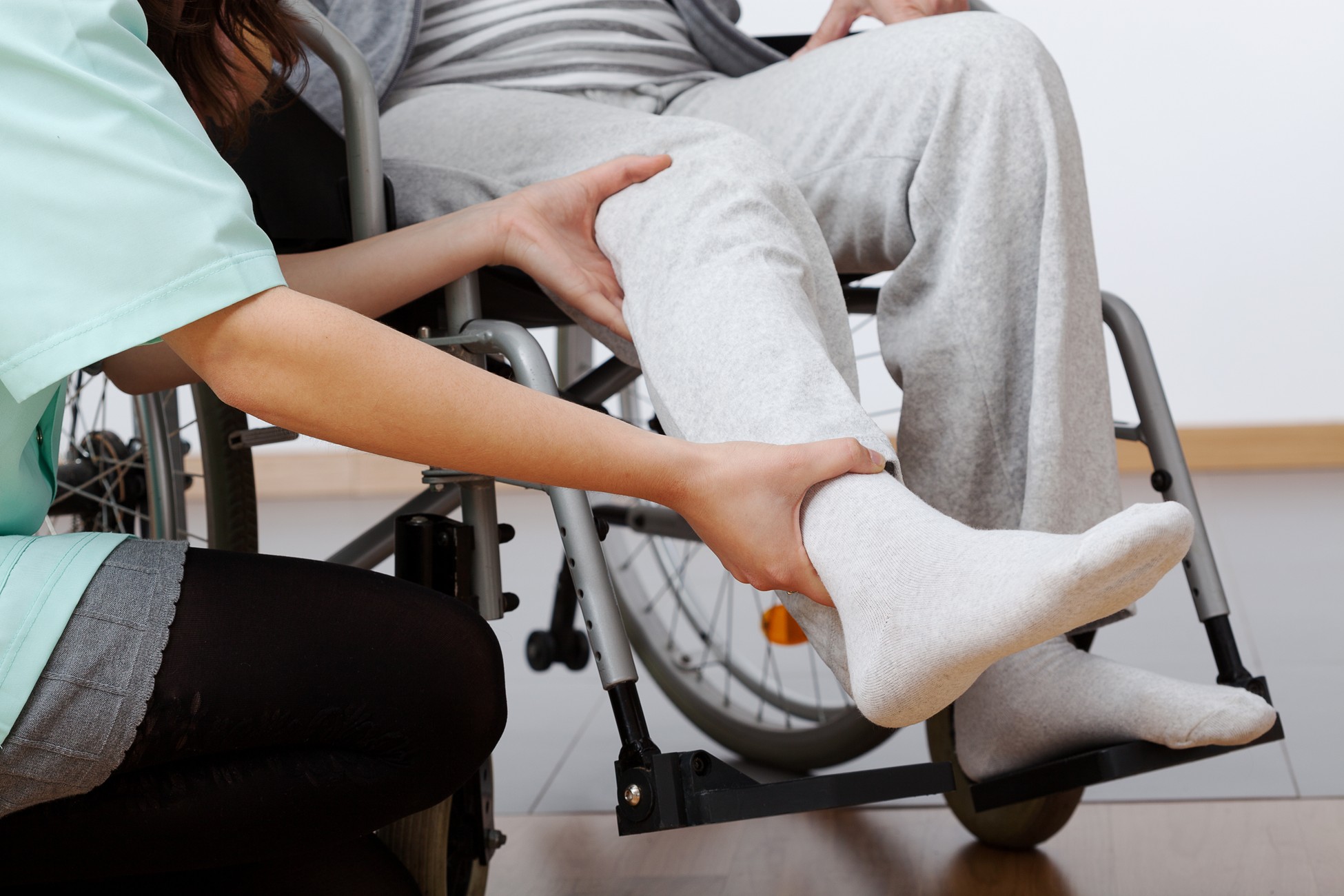
A severe physical injury forces victims to adapt their daily life to reduce the chronic pain they may experience. Injuries can prevent victims from getting the physical exercise they need to keep their mental health in check, or even rely on others for help. Depression can stem from this inability to enjoy life and lead to further issues.
Lack of Work and Socialization
Physical and mental injuries often lead to lost wages and a lack of social opportunities. Injuries can prevent victims from traveling and going to work, which leads to emotional, mental, and financial strain. Mental health issues can also make social interactions more difficult due to a lack of awareness, mood changes, or an overall feeling of being misunderstood. Physical injuries may cause a visual change as well that can cause victims to feel self-conscious around others, leading to depression and isolation.
Fear of Driving
After an accident, victims can feel afraid that a crash could occur again every time they drive. This fear can lead to isolation, which can then lead to depression. Fear can also cause users to feel powerless and out of control of their own lives, which can result in further mental health issues like anxiety and PTSD.
Related: Crosley Law Gets $4.9 Million Settlement for Trucking Accident Victim With TBI

What to do if you feel depressed after a crash
If you’re struggling with signs of depression, anxiety, or other mental or psychological issues, it’s important that you share that information with your doctor as soon as possible.
For one, early intervention may help you better control long-term psychological consequences. Depression can be difficult to treat, so it may take some time for you and your medical team to find the right treatment options, stress management techniques, lifestyle changes, and other tactics. But with the right treatment plan, most individuals are able to significantly reduce the frequency and intensity of depressive episodes.
Second, if the crash wasn’t your fault, you deserve meaningful compensation for your post-accident trauma. That includes the cost of any medications, therapy sessions, or other treatments—as well as non-economic damages for the impact on your quality of life.
But no insurance company or jury is going to believe you if you don’t have medical documentation supporting your mental health diagnosis, as well as your good faith effort to treat your condition and manage your symptoms. If you want any chance at a fair settlement for your insurance claim, it’s critical that you seek treatment early, follow your treatment plan, and check in with your medical team regularly—even if symptoms haven’t seemed to change much. From the insurance company’s point of view, if it’s not in the medical records, it doesn’t exist.
Finally, be sure to talk with an experienced car accident lawyer as soon as possible after a crash. Evidence can disappear quickly after a wreck if you don’t act quickly to preserve it. The sooner you contact a good lawyer, the more likely they can help you prove your case.
How Crosley Law can help
Our firm has been helping crash victims recover since 2005. And when we say “recover,” we mean financially, mentally, and emotionally. Our job is to do whatever we can to get you in the best possible place to move forward with your life.
There are many components to this. They include:
Connecting you with the right resources
Over the years, our legal team has worked with doctors, mental health specialists, counseling services, support groups, and other critical services and networks that can help you on your journey toward better mental health. We can help connect you with the support and care you need.
Communicating and following up
If you ever have a question for us, call us anytime and we’ll get back to you as soon as possible with the right answer (or let you know how and when we’re going to get it for you). We will also regularly keep you updated about your case and check in to make sure you are still getting the medical care and support you need.
Getting to know you and your story
Depression, anxiety, and other conditions related to mental health or brain trauma are “invisible injuries” that can’t always be proven with objective medical testing. To convince an insurance company or jury to award fair compensation, you must be able to tell your story honestly and comprehensively. Otherwise, they may try to argue that you’re making up your symptoms or that your depression was pre-existing and not actually caused by your car accident trauma.
Whenever a case involves depression symptoms or other mental or emotional effects, it’s not unusual for our team to speak with dozens of family members, friends, co-workers, and others with personal insight into how your personality changed after the crash and how your depression has affected your relationships, activities, and quality of life. We also work compassionately and respectfully with the crash victims themselves to help gather additional evidence and documentation to support their case.
Fighting aggressively on your behalf
Even after a thorough evidence-gathering process, insurance companies will still try to undervalue your claim if they believe they can get away with it.
At Crosley Law, we have a long and successful history of defending the legal rights of crash victims dealing with depression and anxiety, including multiple million-dollar settlements and verdicts. We aren’t afraid to take cases to court and fight as hard as we can for the maximum compensation you deserve.

Car Crash? Call Crosley
At Crosley Law, we know the toll that depression can take on you and your loved ones after a crash. We work with renowned experts who help us assess and identify the causes of our clients’ cognitive and emotional symptoms. We pride ourselves on delivering an exceptional client experience.
To schedule a free consultation of your personal injury claim and learn more about our approach to cases, complete our simple online form or call us at (210) 529-3000.
References
Kovacevic J., et al. Predictors of Mental Health Outcomes in Road Traffic Accident Survivors. J. Clin. Med. 2020, 9, 309. https://doi.org/10.3390/jcm9020309
Anxiety and Depression Association of America. Generalized Anxiety Disorder (GAD). Anxiety and Depression Association of America. Generalized Anxiety Disorder (GAD) | Anxiety and Depression Association of America, ADAA
National Institute of Mental Health. Post-Traumatic Stress Disorder. National Institute of Mental Health. NIMH » Post-Traumatic Stress Disorder (nih.gov)
The content provided here is for informational purposes only and should not be construed as legal advice on any subject.