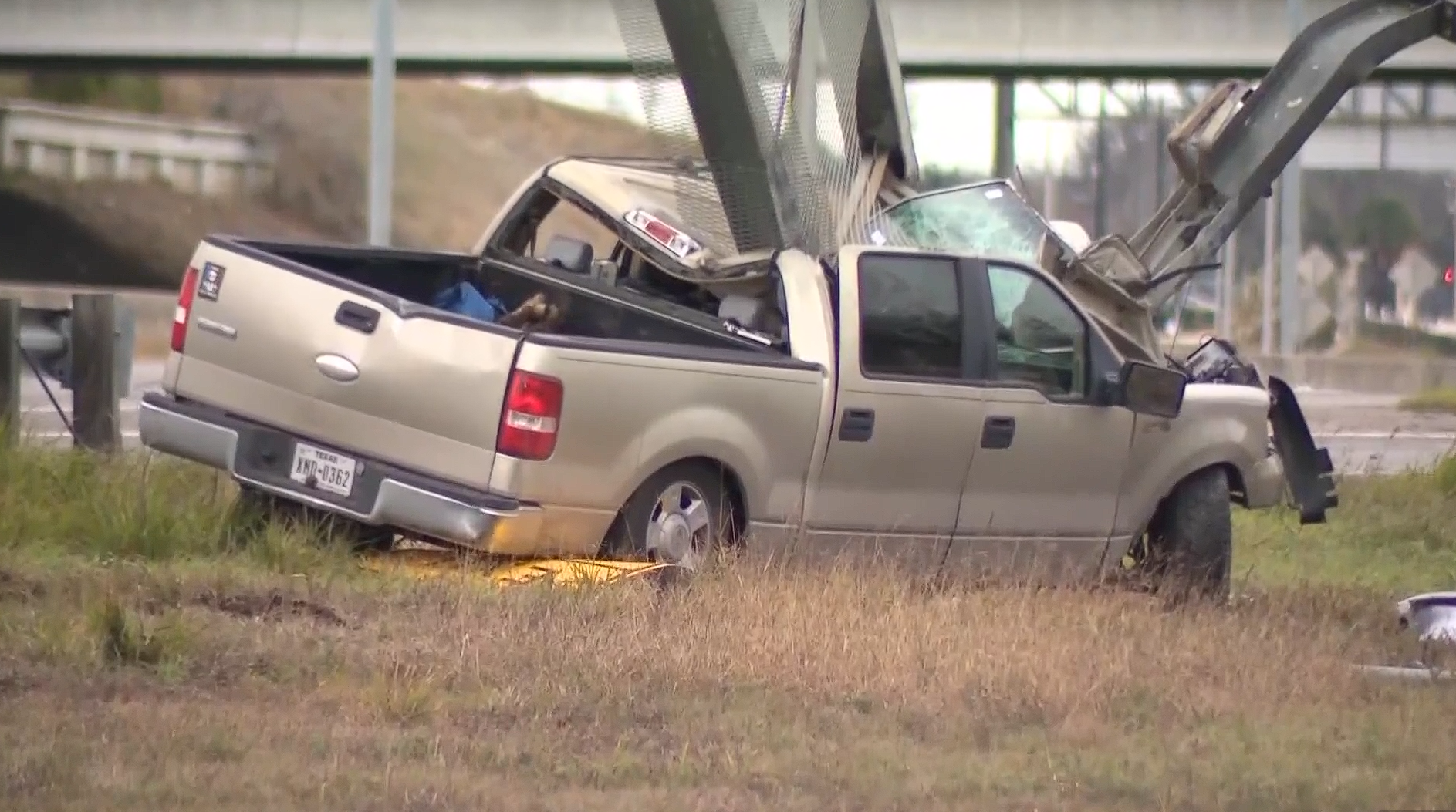



Texas U-turn laws: When are commercial trucks responsible for a crash?
If you’ve been involved in a car crash where an 18-wheeler or other large commercial truck was making a U-turn, you’re probably dealing with a lot of questions. Who was at fault? Was making a U-turn even legal in that situation? How might this affect your personal injury claim?
At Crosley Law, we’ve represented clients injured in crashes where commercial trucks were attempting U-turns. We understand how confusing these cases can be. Not only are Texas U-turn laws a consideration in these cases, but often the safe driving policies of the commercial companies themselves.
In this article, we’ll explain the key rules and risks of U-turns in Texas, especially when commercial trucks are involved. We will also discuss how fault is determined in U-turn crashes.
And if you or a loved one has been hurt in an accident, don’t hesitate to contact our car accident attorneys right away to schedule a free consultation. We’ll be happy to go over the details of your case and help you determine your best next steps.
RELATED:How lawyers prove fault in car and truck accidents
When are U-Turns legal in Texas?
Let’s start with the basics: U-turns often are legal in Texas for general vehicles, but only under the right conditions.
According to Texas U-turn laws, a driver can make a U-turn unless:
- A sign clearly says U-turns are not allowed
- The turn is being attempted at or near a railroad crossing
- The turn is being made in front of a fire station
- The road is a one-way street
Additionally, the law requires that the driver:
- Be in the far-left lane
- Have a clear view for at least 500 feet of oncoming traffic
- Yield to all other vehicles and pedestrians
- Obey any traffic signals at the intersection
However, just because a U-turn is technically legal at a location doesn’t mean it’s safe or appropriate to make one every time.
How do U-turns apply to large commercial vehicles?
U-turns are among the trickiest and most dangerous maneuvers on the road, even for the average car or pickup truck. Under the most favorable circumstances, a driver must still:
- Make a wide, sweeping movement across multiple lanes
- Judge oncoming traffic from a full stop or slow roll
- Navigate intersections where visibility can become poor
- Account for other drivers who might be distracted or unaware of the turn being made
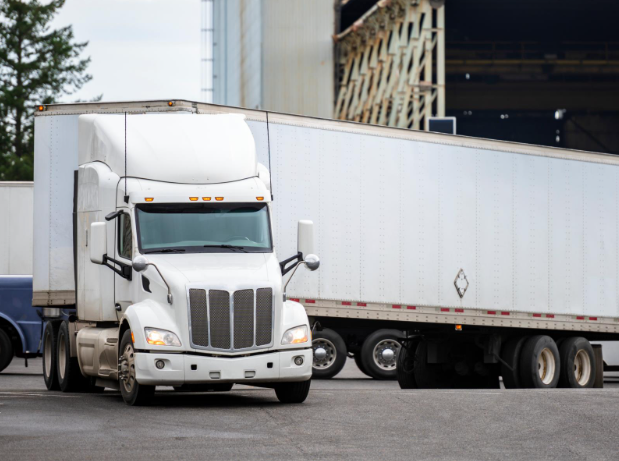
Now take the challenges and apply them to a behemoth vehicle like a semi-truck. It can take up to 45 seconds for a vehicle of such size to complete a U-turn. All the while, they can be blocking both sides of a roadway and leaving no escape route for any other vehicle that might suddenly arrive upon the scene.
RELATED:Why you need a Texas distracted driving accident lawyer
U-turns are against many trucking company policies
Thankfully, many commercial trucking companies are well aware of the dangers of their vehicles making U-turns and are taking such matters seriously.
We have collected several policies and driver’s manuals from a multitude of trucking companies as part of our legal work. In many cases, U-turns are considered “violations of company policy” or “strictly prohibited.” Some manuals even proclaim making a U-turn as grounds for potential termination.
Who’s at fault in a U-turn accident?
Under Texas law, the driver who causes an accident is typically responsible for the resulting injuries and damage. But determining fault in U-turn cases – even those involving large commercial trucks – can be more complicated than it seems.
Here are a few possibilities:
1. The U-turn driver is fully at fault
Many times, the person making the U-turn is found to be negligent. They may have:
- Failed to yield to oncoming traffic
- Misjudged how much time they had
- Violated a “no U-turn” sign
- Created a dangerous condition by turning too slowly or from the wrong lane
In these situations, the injured party (often the driver with the right of way) has a strong case for compensation.
2. The other driver shares responsibility
Not all U-turn crashes are black and white. Texas uses a legal principle called modified comparative fault. That means if both drivers contributed to the crash, they can both be assigned a percentage of fault. If you’re found to be more than 50% at fault, you can’t recover any damages at all.
So even if a driver hit your vehicle while making a U-turn, you could still be given a percentage of fault if it is determined you were driving recklessly, speeding, or committing other negligent or illegal behaviors.
How Texas U-turn laws can affect your claim
Understanding Texas U-turn laws is essential if you’re injured in a crash involving a U-turn. But it’s not just the specific U-turn rules that are important, but also how they apply to general laws regarding personal injury and negligence.
Even when a U-turn is legal, the driver making it still must exercise caution and yield. And even when you weren’t the one making a U-turn, an insurance company might argue that you were partially responsible in some way. Thanks to comparative fault, the more blame they can assign to you, the less they will have to pay.
That said, if an accident involved a large commercial truck making a U-turn, arguments that the truck driver occupies the majority or all the blame can be easier to make. This is especially true if there is evidence of the truck fully blocking the road or we have a company policy stating that U-turns are prohibited.
This is why it’s critical to consult an experienced attorney early. At Crosley Law, we thoroughly investigate every crash, gathering evidence that could make or break your case.
Building a strong case: what evidence matters
Proving fault in a U-turn accident often comes down to gathering the right facts. Our legal team uses a variety of tools to build strong cases for our clients, including:
- Traffic camera or surveillance footage from nearby businesses
- Dashcam recordings from vehicles involved or bystanders
- Eyewitness statements
- Cell phone records to prove distraction or texting
- Black box data from the vehicles
- Accident reconstruction experts who can recreate the crash dynamics
- Photos and measurements from the crash scene
- Research into company policies for drivers and traffic safety
Crosley Law has the experience to help
Our team has decades of experience handling vehicle crash cases, including those involving commercial trucks and trucking companies. We understand the ins and outs of Texas U-turn laws and how to present a compelling case to a jury or an insurance company.
Whether you were injured by someone making a careless U-turn or you were legally making a U-turn and got hit by another driver, we’re here to help you protect your rights and pursue the compensation you deserve.
RELATED:Recovering medical expenses in your Texas personal injury case: what you need to know
Injured in a U-turn accident? Contact Crosley Law today
If you or a loved one has been hurt in a U-turn-related crash in Texas, don’t navigate the legal system alone. Call Crosley Law for a free consultation. We’ll evaluate your case, answer your questions, and help you move forward.
Call us at (210) 529-3000 or fill out our online contact form to schedule a free consultation.The sooner we can begin investigating your crash, the better your chances of getting justice. Let our experience with Texas U-turn laws and accident investigation work for you.
The content provided here is for informational purposes only and should not be construed as legal advice on any subject.