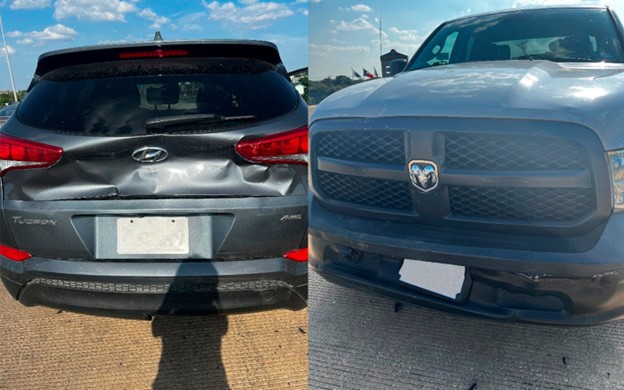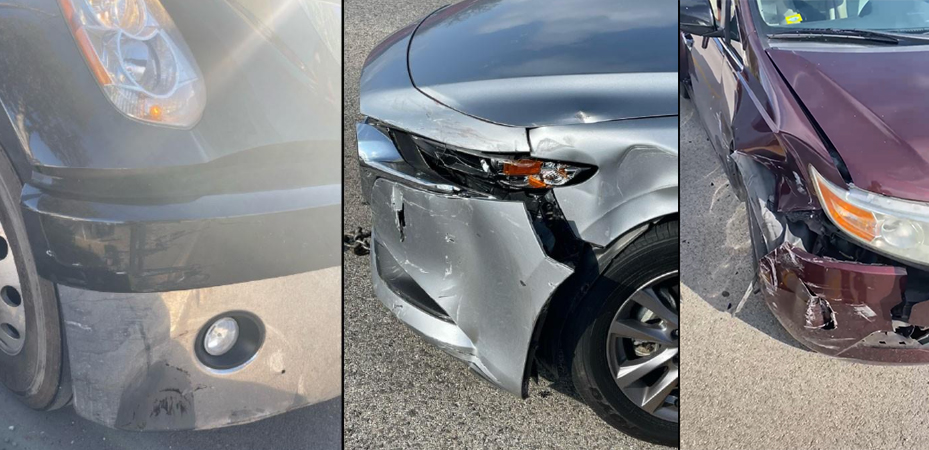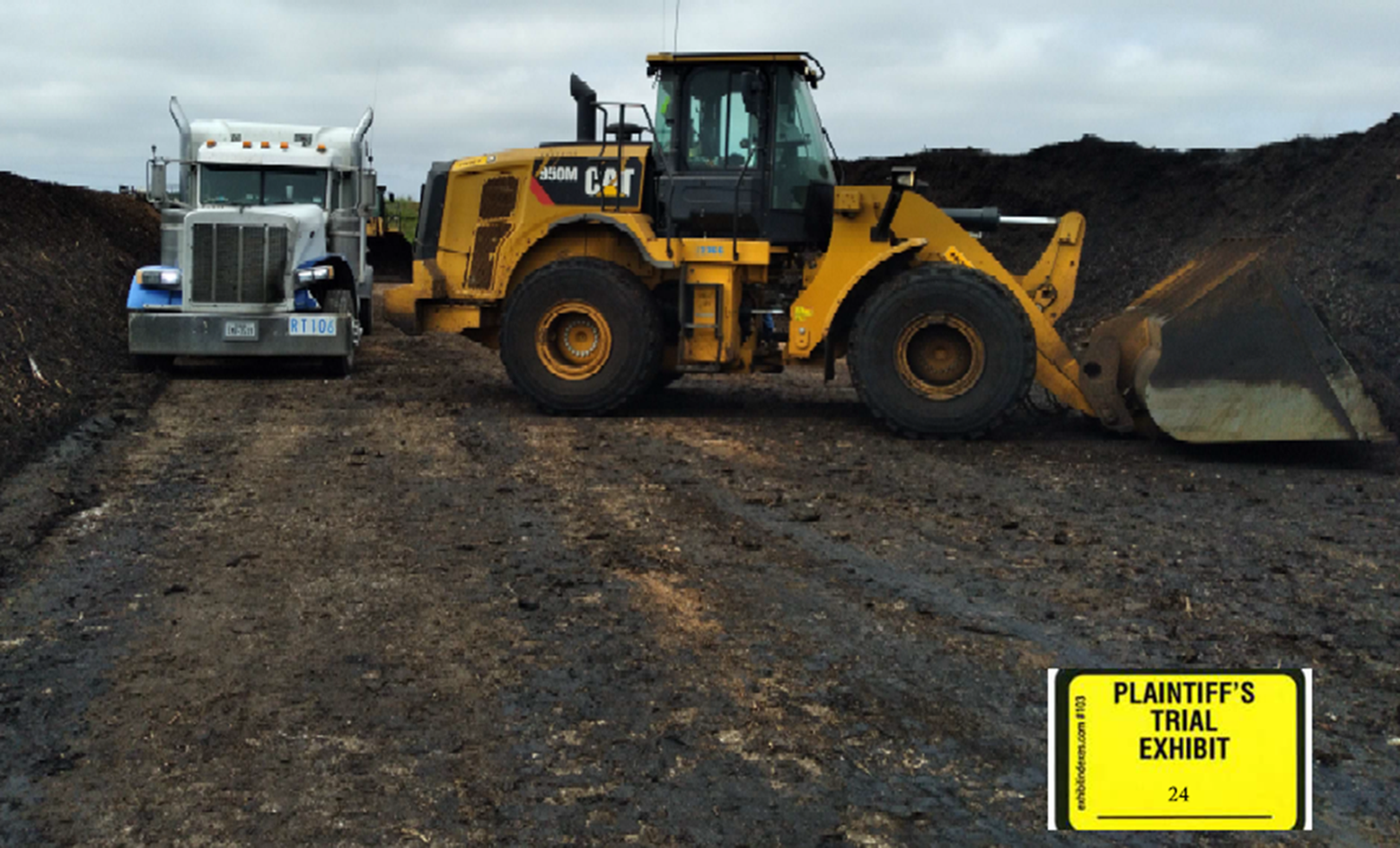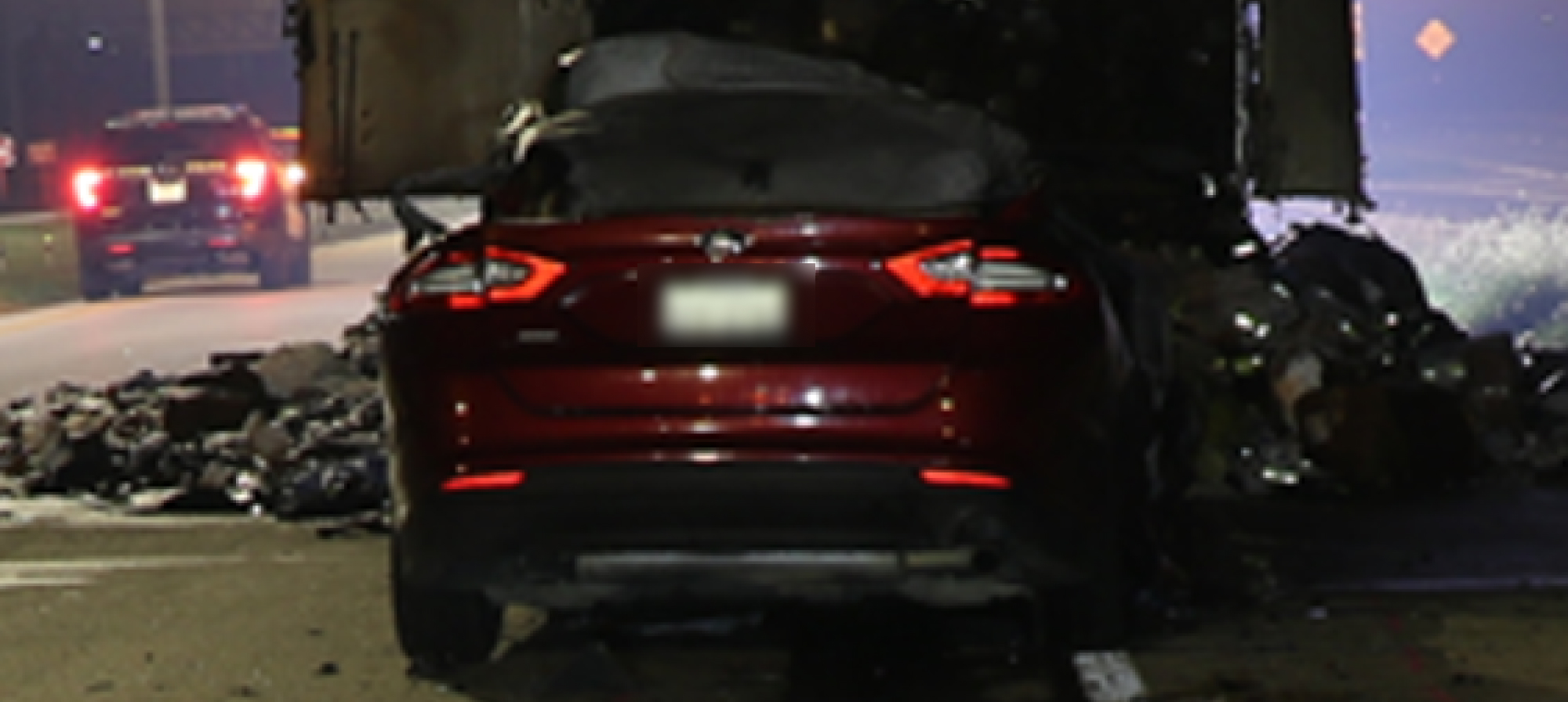



It was late evening, just before midnight. Daniel*, 18, was heading east in the right lane of Loop 410, in San Antonio’s South Side. Suddenly, a semi-truck that had been parked along the right shoulder of the highway pulled directly in front of him at a slow rate of speed.
Daniel’s car smashed into the back of the trailer and was dragged forward until both vehicles came to a complete stop. By the time emergency responders arrived, the car and the trailer were on fire. Daniel was trapped inside his vehicle.
The autopsy report indicated that death would have occurred immmediately.
Daniel left behind a large family: parents, grandparents, six siblings, his girlfriend, and numerous other uncles, aunts, and cousins. His loved ones were left to grieve the tragic and senseless loss of a wonderful young man with a bright future.
* Name changed for privacy
Searching for truth in a wrongful death case
Daniel was a bright young man who lit up the room with his sense of humor. Both his parents struggled with prolonged grief, depression, and post-traumatic stress disorder.
The family deserved justice and accountability. But we also knew the insurance company would be bringing its own expert witnesses to try to pin the blame on Daniel.
From a legal perspective, one of the most difficult aspects of wrongful death cases like this is that our client cannot tell their side of the story. And on top of that, the truck driver died from Covid symptoms two months after the crash. So we couldn’t get a deposition from him, either.
However, the Crosley team did obtain body-worn camera footage from officers that investigated the scene and interviewed the trucker. He told officers that he did nothing wrong. The trucker’s employer and the insurance company also insisted that the trucker had done nothing wrong.
Since Daniel could not speak for himself, it was up to Crosley Law to piece together what really happened, and cut through the truck driver’s lies and the defense’s shoddy reasoning.
The truck driver’s side of the story
A few minutes before the crash, the truck driver had pulled onto the shoulder so that he could get out of the truck and urinate. A review of the truck’s GPS system revealed that the trucker had stopped just 20 minutes earlier at a Pilot Truck Stop.
The truck driver told the San Antonio police department that he had been traveling about 35-40 miles per hour and was just starting to edge into the right lane from the shoulder at the time of the impact.
He also claimed that he had traveled at least a quarter to half of a mile to gain speed before merging, and did not see any approaching vehicles when he checked his mirror.
Based on the truck driver’s testimony and their own review, the insurance company argued that the truck driver’s stop was reasonable due to an emergency need to urinate. They also claimed that Daniel would have had plenty of time to see the truck ahead and merge into the left lane to avoid the collision.
However, Crosley Law’s investigation showed that several aspects of this story didn’t hold up to scrutiny.
RELATED POST: I’m Being Blamed for a Car Accident That Wasn’t My Fault—What Should I Do? | Crosley Law
The truck was moving dangerously slowly
Crosley Law demanded position, speed, and other event data from the truck’s “black box” recorder. Unfortunately, the black box did not record the collision. The trucker’s electronic logging device (ELD), however, was able to obtain speeds and GPS coordinates. This data painted a very different picture from what the driver had originally told the police:
- The truck had only been in motion for about 15 seconds when the accident occurred. The vehicle had only traveled a short distance, nowhere near the quarter-to-half mile the driver had claimed.
- The speed of the truck at the time of the crash was only about 16 miles per hour, not “35 to 40.”
It should go without saying that merging onto an interstate roadway at 16 mph—fully 54 miles per hour lower than the speed limit—presents a major hazard to other traffic.
Daniel had no reason to expect a collision was imminent (or chance to avoid it)
The defense still tried to argue that Daniel should have seen the truck long before the moment of impact and could have avoided the collision.
But no reasonable person would expect a semi-truck traveling along the shoulder at less than 20 miles per hour to suddenly merge into high-speed traffic. At normal highway speeds, Daniel likely would not have even noticed that the truck was moving at all until he was too close to the semi to make a safe evasive maneuver.
The defense also argued that Daniel was speeding (at about 91 miles per hour) and made no effort to avoid the crash (via braking or swerving), based on recovered data from the car’s airbag control module (ACM).
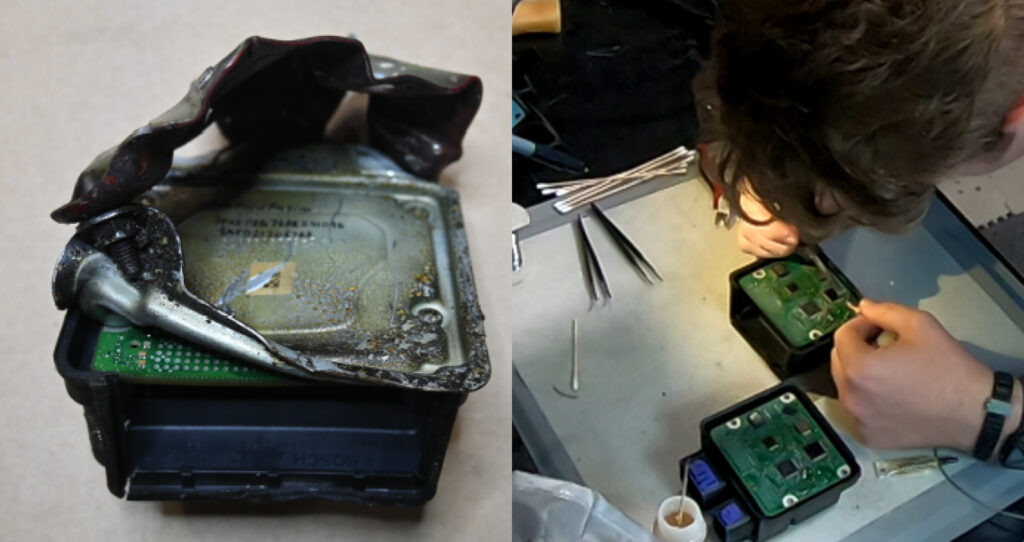
However, the ACM had been severely damaged in the crash, and the data was never validated. Furthermore, the physical evidence at the scene, including gouge marks on the road, indicated that Daniel did make an emergency effort to avoid the crash. The Crosley team and their GPS and biomechanical expert asserted that the ACM data was unreliable at best.
Based on all the available evidence, our crash reconstruction expert concluded that Daniel likely was traveling close to the posted speed limit of 70 miles per hour (rather than the defense’s claims of 91 miles per hour), had made timely and appropriate evasive actions, but simply did not have enough time to avoid the collision. His calculations showed that the truck had entered the lane less than two seconds before impact.
Taking an “emergency” stop was unnecessary and reckless
It would be one thing if the driver had a bladder emergency on a rural road, in the middle of the night, miles from the nearest open rest area.
But this was Loop 410 in San Antonio. There are plenty of 24-hour gas stations and other facilities within just a few minutes of where the driver had parked on the shoulder of the road. In fact, the Crosley team’s crash reconstructionist determined there were at least five safer places within a two-mile radius at which the trucker should have stopped.
Furthermore, the trucker’s own log showed that he had just left a truck stop only 20 minutes before pulling on the shoulder of Loop 410. Why hadn’t he used the restroom then? Or why didn’t he just take the next exit?
Stopping a semi-truck along the shoulder of a road (particularly a 70 mph interstate highway) is an inherently dangerous act. Most trucking company policies allow it only in emergency situations. Even then, truckers are supposed to immediately put on their flashers and place emergency reflectors on the roadway.
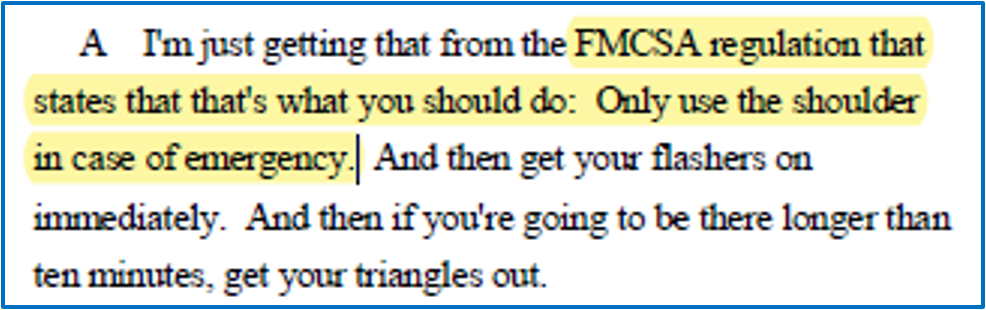
Parking on the shoulder to urinate, then merging into the highway at only 16 miles per hour, showed a truly reckless disregard for safety on the part of the truck driver—especially when it would have been so easy to just take the next exit.
Crosley Law fights for accountability and compensation
We poured our time and energy into this case, speaking with multiple experts and fine-tuning our arguments with focus group testing. Ultimately, our hard work paid off. After the case went to mediation, the insurance company offered $2.5 million to settle and avoid trial.
RELATED POST: How Do Wrongful Death Claims Work in San Antonio? | Crosley Law
Car Crash? Call Crosley
We know that financial compensation alone can never make up for losing a loved one too soon. But families still deserve accountability, and a meaningful restitution from those responsible.
If you or someone you love has been hurt or killed in a crash, Call Crosley law today. Our team will fight for every penny you deserve, and do everything we can to ensure you get all the help and support you need.
Call us today at (210) 529-3000 to request your free case evaluation.