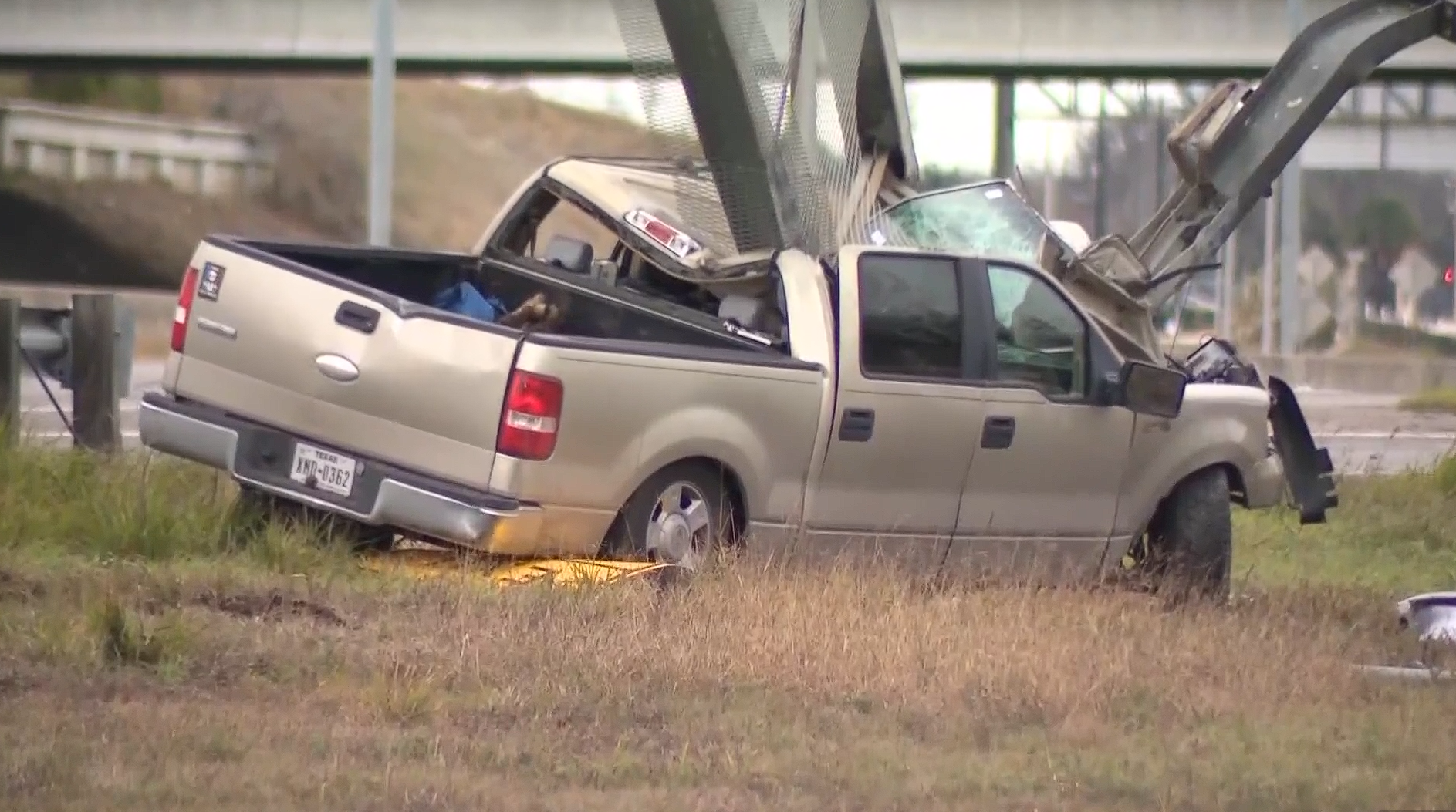



Many of our clients come to us with the same story. The crash didn’t seem that bad. The airbags didn’t deploy. Their car might even look fine. But something still feels off. They’re suffering from headaches, struggling to focus at work, forgetting simple things, or feeling irritable and not quite like themselves.
This often-overlooked outcome of a seemingly minor accident is actually one of the most common signs of a concussion or mild traumatic brain injury (TBI).
We’ve reviewed and handled hundreds of brain injury cases at Crosley Law. Some involved major crashes, but others were from car accidents that barely left a dent on the vehicle. We know from experience and science that even a minor car accident can cause a concussion.
We’ll explain how and why concussions can happen even in low-speed accidents, what symptoms to look out for, and how Crosley Law helps injury victims get answers, treatment, and the compensation they deserve.
Understanding concussions after car accidents
A concussion is a type of mild TBI that occurs when your brain experiences a sudden jolt or shift inside your skull. Contrary to popular belief, you don’t have to hit your head on anything to suffer a concussion. The force of a car crash alone—especially a rear-end collision—can cause your brain to move violently within your skull, leading to microscopic damage.
Even a low-speed crash can make your head snap forward and backward with surprising force. When the skull moves quickly but the brain lags behind, it can slam into the inside of the skull, twist, or bounce, creating damage to brain cells. Think of it a bit like shaking a snow globe.
This is why even “minor” car accidents can cause very real and very disruptive brain injuries.
Common symptoms of a concussion or mild TBI
Concussion symptoms may not show up immediately after a crash. And when they do, they can be subtle. In the chaos after a crash, it’s easy to dismiss these symptoms as coming from stress, adrenaline, or fatigue.
However, if you’ve been in a minor car accident and experience any of the following symptoms, you should seek medical attention immediately:
- Persistent headaches or pressure in the head
- Dizziness or balance problems
- Blurred vision or sensitivity to light and noise
- Difficulty concentrating or memory issues
- Mood swings, irritability, or depression
- Sleep disturbances or fatigue
- Feeling mentally “foggy” or slowed down
- Nausea or vomiting (especially shortly after the crash)
These symptoms can disrupt your life in major ways, even if they’re not always visible to others.
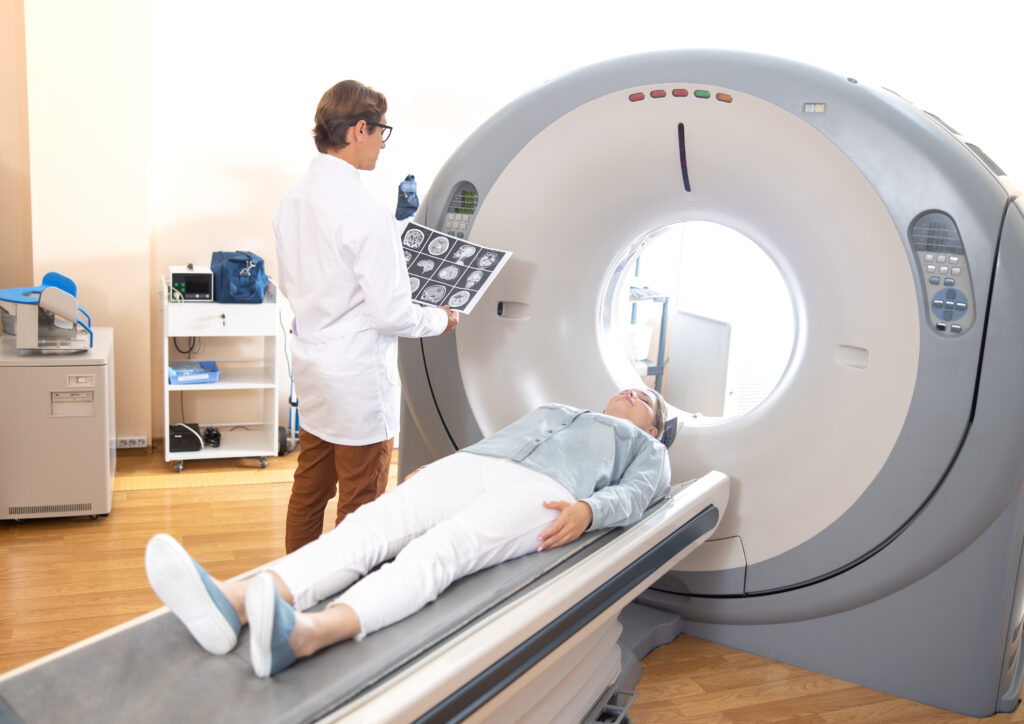
What if your MRI or CT scan is normal?
One of the most frustrating things we hear from clients is, “My scans were normal, so the doctor said I’m fine.” Unfortunately, that’s a common misunderstanding.
Standard MRIs and CT scans are good at spotting skull fractures, bleeding, or major structural damage, but they often miss the microscopic changes that come with a concussion. That doesn’t mean you’re not injured. It just means we need more advanced tools and experts with greater experience in what to look for.
At Crosley Law, we work with some of the top neurologists, neuroradiologists, and brain injury experts in Texas. These professionals use specialized imaging and neurocognitive testing to document injuries that routine scans miss.
Why insurance companies downplay concussions
Insurance adjusters are trained to protect the company’s bottom line. And when they see a low-speed accident with no visible head injury, they often jump to conclusions:
- “You’re fine. There was barely any damage to the car.”
- “If you were really hurt, you would’ve gone to the ER right away.”
- “There’s nothing on the MRI, so you must be exaggerating.”
We’ve heard all these arguments before and we know how to fight back.
At Crosley Law, we build every case around science, facts, and your lived experience. We dig deep into your medical records, connect you with trusted specialists, and document how your life has changed. There’s so much more of your story to tell than just what shows up on a scan.
If the insurance company refuses to treat you fairly, we’re ready to take your case to trial and present the evidence to a jury.
BLOG:How neurologists help traumatic brain injury lawyers prove cases
Tom Crosley: A trusted advocate in brain injury cases
Brain injury litigation is not like a typical car accident case. It requires a deep understanding of neuroscience, injury mechanisms, and the long-term impact of “invisible” injuries. That’s where our experience sets us apart.
Over the years, we’ve handled numerous concussion and TBI cases, including those that other firms turned away because the crash seemed too minor or the injury too subtle. Our firm has successfully recovered millions of dollars for clients struggling with post-concussion syndrome and mild TBIs, many of whom were initially dismissed or disbelieved.
Tom Crosley is nationally recognized for his work in traumatic brain injury litigation. He has been invited to speak at medical-legal conferences and legal seminars on the topic, and also hosts a podcast where he discusses his TBI case history with other legal experts. When you work with Crosley Law, you get a team that understands both the medical science and the legal strategy needed to win.
BLOG:Revisiting my Trial Lawyer Nation interview
Case example: Cutting through complexities in a concussion case
In one case, we represented a young mother who was a passenger in a hotel shuttle. She suffered a concussion when the shuttle was hit from behind by a delivery truck.
Our client’s diagnosis placed it medically under a “mild” TBI, but the effects were lasting. However, the insurance company tried to pin her symptoms on another accident she had been involved in several years earlier.
We used our medical investigation skills to argue that our client’s symptoms came from the more recent accident. Ultimately, we settled with the insurance company for $500,000.
CASE STUDY:Winning for a young mom with a complex medical history: Melissa’s story

What to do if you suspect a concussion after a car accident
If you’ve been in a car crash—no matter how minor—and suspect you may have a concussion, take these steps:
1. Seek medical attention immediately
Even if you didn’t hit your head, get checked out by a doctor. Early diagnosis can prevent complications and help you access the care you need.
2. Watch for delayed symptoms
Some symptoms take hours or days to show up. Keep track of how you feel and don’t hesitate to return to the doctor if things change.
3. Don’t minimize your pain
Too many people brush off their symptoms. Don’t second-guess yourself. You deserve care, recovery, and answers.
4. Speak to an experienced personal injury attorney
Concussion cases are complex and often misunderstood. You need an attorney who knows how to explain your condition and fight back when others dismiss it.
Crosley Law Is here to help car accident victims
Can a minor accident cause a concussion? Yes. And if you believe you may have suffered a TBI, you’re not alone and you’re not out of options.
At Crosley Law, we take your injuries seriously. We understand the science of brain trauma, and we work with a network of experts to build strong, persuasive cases. Most importantly, we listen. We know how much a concussion can derail your life, and we’re here to help you get it back.
Call us at (210) 529-3000 or fill out our online contact form to schedule a free consultation. We’ll review your case, connect you with resources, and fight to get you the care and compensation you deserve.
The information in this article is for educational purposes only and does not constitute legal advice. For personalized guidance, speak to a qualified attorney.