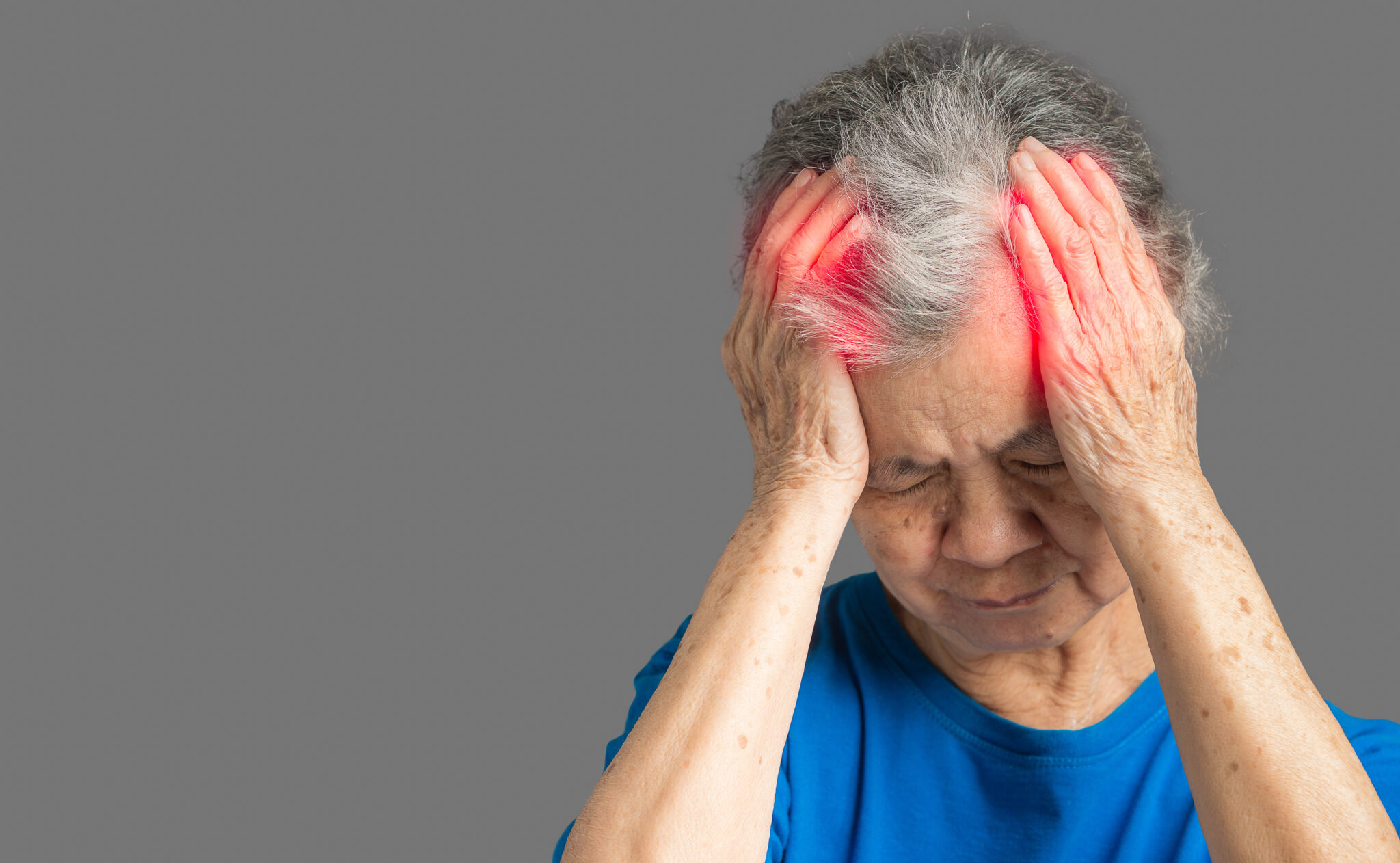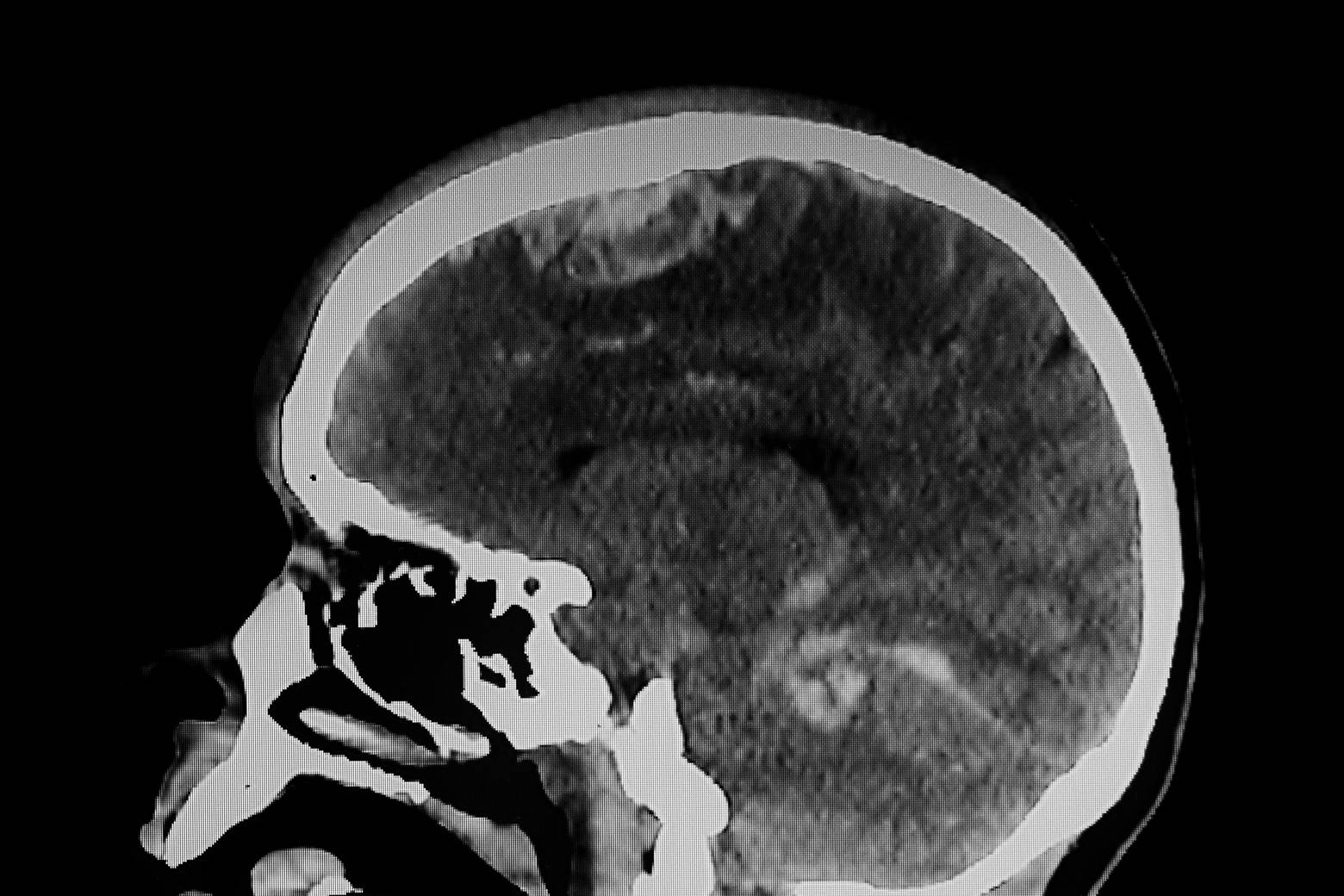


 New research suggests that older individuals may be at greater risk of developing dementia in the event that they suffer a mild concussion – a form of traumatic brain injury (TBI). Discussing the recent study on TBI and dementia, which appeared in the October 27th issue of JAMA Neurology, Dr. Raquel Gardner, the lead author of the study, stated, “This was surprising and suggests that the older brain may be especially vulnerable to traumatic brain injury, regardless of the traumatic brain injury severity.”
For various reasons, seniors are more likely to endure a fall and suffer an injury as a result, and this news further emphasizes the care that seniors should take to mitigate their fall risks. Since the highest incidence rate of traumatic brain injury is found among older individuals, this study is especially important to understanding the link between TBI and dementia. According to Gardner, “This study suggests that fall prevention may not only prevent bodily injury, but may even help prevent dementia.”
The study followed the progress, between 2005 and 2011, of 52,000 emergency room patients who were over the age of 55 and had suffered traumatic injuries in either 2005 or 2006. Gardner and her team determined that less than 6% of those patients who had suffered an injury outside of the brain eventually developed dementia while more than 8% of those who had suffered TBI went on to develop the condition. For those who suffered multiple TBIs, their chances of developing dementia more than doubled.
Still, not every senior who falls and suffers a TBI is destined to suffer from dementia; there are multiple variables involved that may increase or decrease an individual’s likelihood of developing this condition, including the specifics of the injury, other medical conditions, and genetics. Unfortunately, the study was limited in that, by and large, it was unable to take these variables into account. Neither did the research detail the type of dementia developed or track TBI suffered by younger individuals.
Despite the surprising conclusions of this study, Kristen Dams-O’Connor, co-director of the Mount Sinai Brain Injury Research Center in New York City, was quick to dismiss an unequivocal or inevitable link between TBI and dementia. “We do know that most traumatic brain injury survivors do not develop dementia,” said O’Connor. She went on to further emphasize a holistic approach to maintaining healthy brain function well into our later years: “We also know that there are several things that are under a person’s control that could lower the risk of developing dementia – exercising, remaining [mentally] active, maintaining an active social life, staying involved with friends and family, attending regular primary care appointments and managing one’s overall health.”
Gardner is proud of her team’s research but maintains that more work must be done to understand some of the fundamental questions surrounding TBI. While the study does suggest a correlation between TBI and dementia, several questions remain to be answered. For instance, the research fails to answer how these brain injuries could lead to dementia, and it also doesn’t prove conclusively that the falls themselves actually caused the condition. Therefore, Gardner believes that there are two central dilemmas at the center of the debate: “Does traumatic brain injury just remove a chunk of brain function and then cause a person to show earlier signs of the dementia that they were going to get anyway regardless of the injury? Does traumatic brain injury actually cause or accelerate degeneration of the brain?”
While several mysteries remain, Gardner feels that this research should have significant bearing on the prevention, awareness, and potential hazards caused by falling accidents, TBI, and dementia regarding seniors. “I hope that these results will highlight the critical importance of preventing falls in older adults.”
Source:
Dotinga, R. (2014, October 27). Brain injuries in older age and dementia risk. HealthDay. Retrieved from: http://www.webmd.com/alzheimers/news/20141027/brain-injuries-in-older-age-could-boost-dementia-risk-study-finds