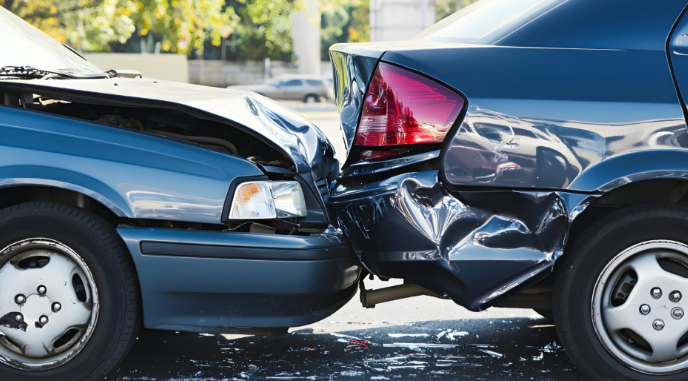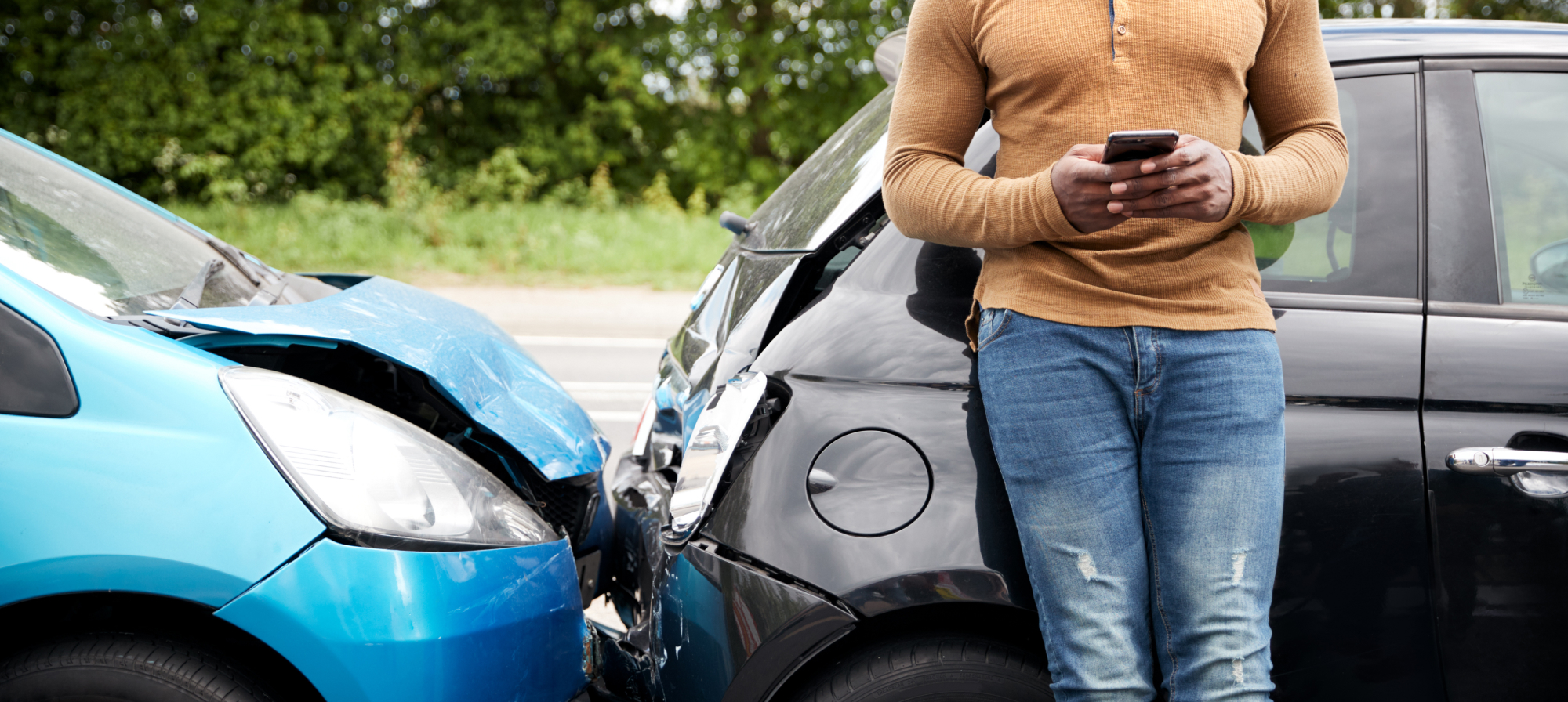



It’d be nice if everyone involved in every crash agreed about what happened– or if we always had a clear video of the entire event.
Unfortunately, the real world doesn’t always work that way. Sometimes, victims get blamed for crashes that weren’t their fault. And if they were severely incapacitated or even killed, there’s no way for them to share their side of the story.
In these situations, a car accident attorney will need to use every tool at their disposal to determine fault. That includes examining the vehicle damage and accident scene for physical evidence and other clues that help piece together what really happened.
To be sure, the location of damage alone won’t always be enough to prove fault with 100% certainty. But it’s a crucial first step. And an experienced lawyer will also have other tools available to bring out the truth.
RELATED: I’m Being Blamed for a Car Accident That Wasn’t My Fault—What Should I Do?
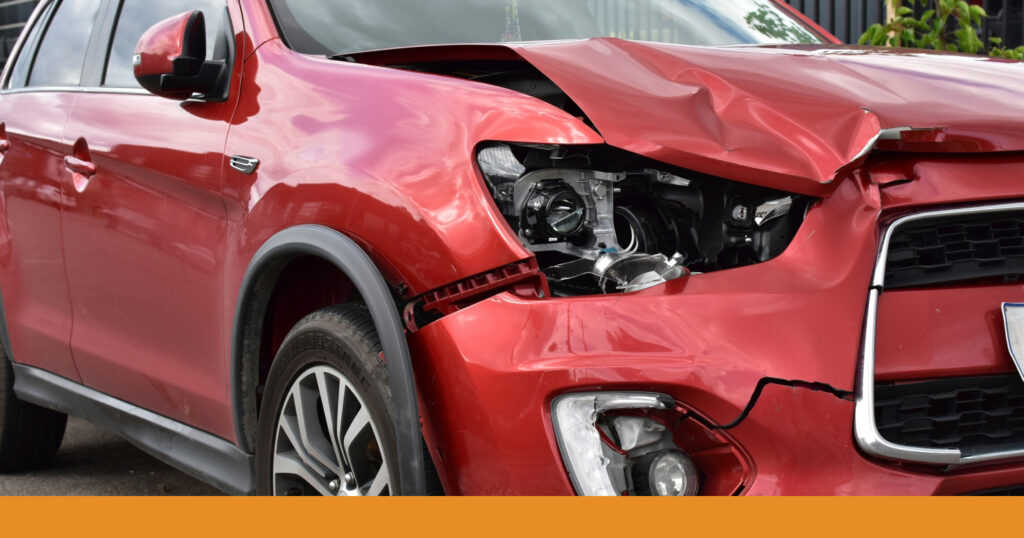
Determining fault by location of damage: Practical examples
Rear-end collision
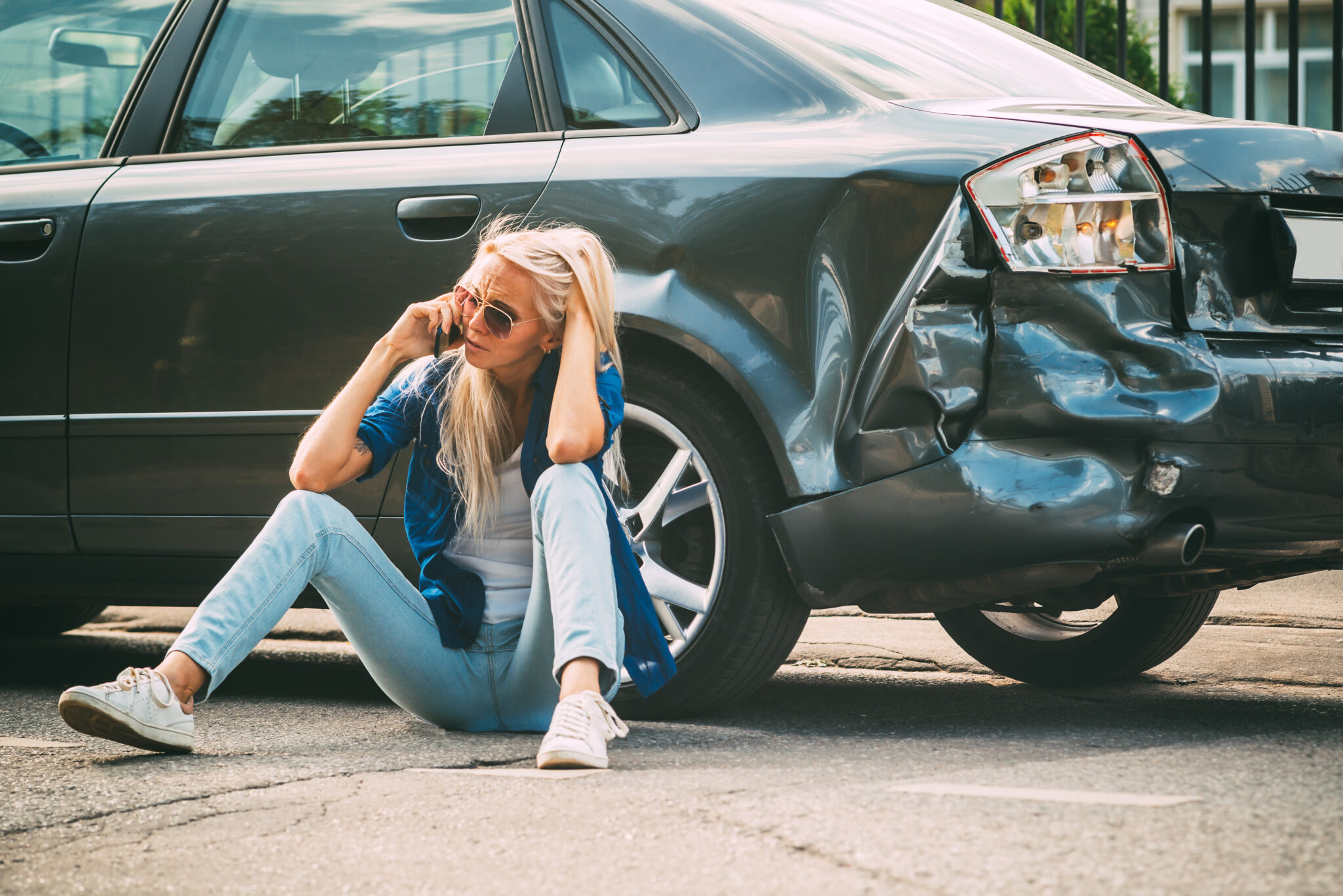
In a few situations, the damage location provides very strong evidence about which driver was at fault. The classic example is the rear-end collision.
Although there are exceptions, the trailing car is usually found to be responsible for most rear-end collisions. If you’ve been rear-ended, the most likely scenario is that the other driver didn’t leave enough stopping distance or wasn’t paying attention.
Even when the lead vehicle really is at fault—for example, in a Crosley Law case where a truck driver merged onto the freeway from the shoulder at less than 20 miles per hour— the insurance company may argue that the rear vehicle had a chance to avoid the collision. So, you’re going to need more evidence.
T-bone collisions
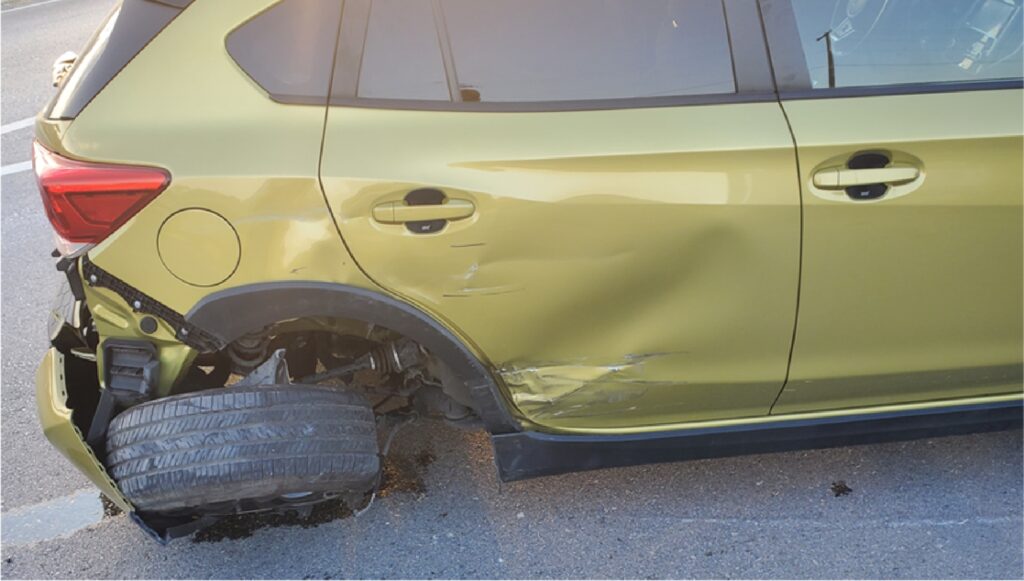
T-bone or side impact collisions can be murkier. These types of car accidents usually occur when one car turns in front of another, or both vehicles involved are driving through an intersection at the same time. Who had the right of way?
In these cases, getting specific about precise location of damage can provide clues about what happened.
For example, we represented a woman who was hurt when a van driver ran a red light and T-boned her car at an intersection. Initially, the at-fault driver was reluctant to take the blame, and said the light was green the last time he looked up. However, the point of impact was near our client’s rear wheel. That suggested that the van driver would have had plenty of time to see her vehicle and avoid the crash. (Further investigation by the Crosley team convincingly proved that he had, in fact, run a red light.)
RELATED POST: Who is at fault in a T-bone accident in Texas? | Crosley Law
Sideswipe collisions
Sideswipes present similar challenges. They usually occur when one vehicle changes lanes without checking if it’s safe to do so.
While it’s true that the vehicle changing lanes is usuallyat fault, that may not be the case if the other vehicle suddenly sped up before the crash. And if one driver lies about what happened, it might not be obvious based on the damage which driver tried to change lanes.
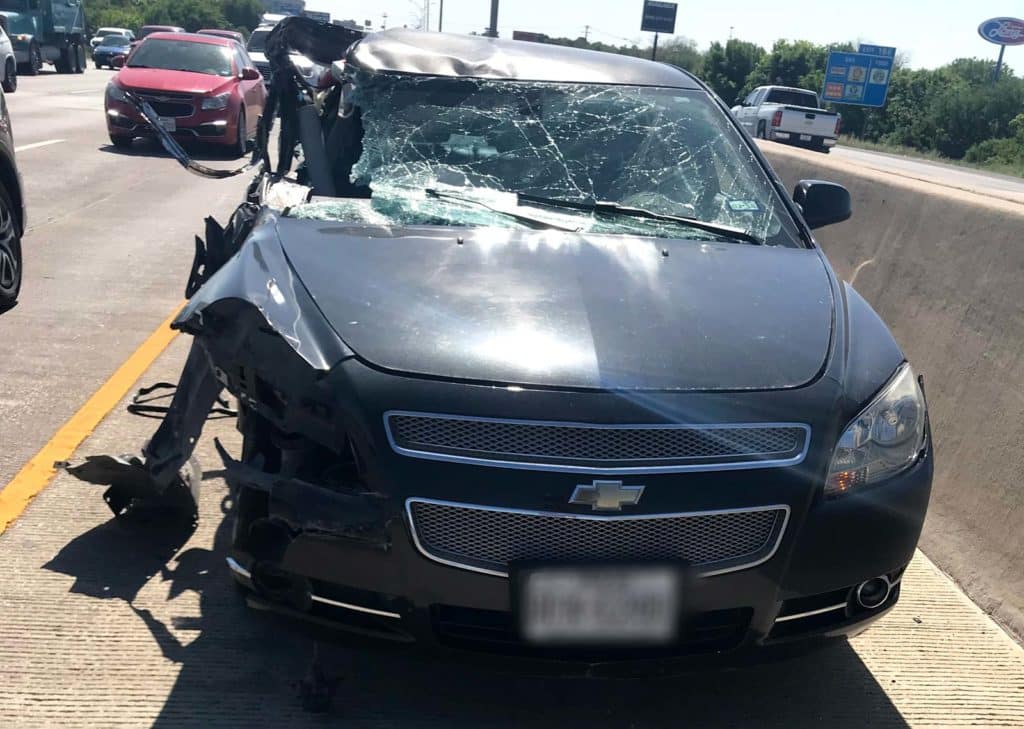
Here’s an example from our own case files. Our client, Michael, was traveling on the highway when a semi-truck changed lanes directly into his path. The back of the trailer sideswiped the front of Michael’s car and damaged a substantial part of the passenger side of the vehicle.
The trucker claimed he had not made a lane change, and that he had been forced to slam on his brakes after being cut off. However, our accident reconstruction expert was able to conclude that the vehicle damage pattern (and data from the “black box” recorder in Michael’s car) were consistent with a sudden, unsafe lane change by the truck.
RELATED POST: Who Sideswiped Who? Here’s How to Find Out and What to Do | Crosley Law
Context matters: Rounding out the case with more evidence
It should be clear by now that determining car accident fault usually requires more than just showing where the damage occurred.
Fortunately, a good car accident attorney won’t stop there. Other factors to consider include:
- Severity of the damage. The amount of damage each vehicle sustains gives us a strong indicator of the speed of travel at the moment of impact. If, for example, a vehicle pulling out of a parking lot is struck by a car traveling along the road, and the vehicle damage is consistent with a vehicle traveling 20 miles per hour over the posted speed limit, it’s likely that the driver on the road was at fault.
- Other physical evidence at the accident scene. For example, accident reconstruction experts can analyze skid marks left on the road to estimate how fast a vehicle was traveling, when brakes were applied, and when (or if) evasive maneuvers were taken.
- Location of the crash. Did the crash occur at a signaled intersection? A four-way or two-way stop? Where a driveway meets a road? How much visibility did each driver have? Details like these can help an attorney figure out whether it was likely if a vehicle driver had time to avoid a crash.
- Black box data. Most vehicles are equipped with a “black box” that records things like speed, steering input, and whether the accelerator or brakes were engaged in the moments leading up to a crash.
- Video recordings. Your attorney will look for any possible sources of video footage that might exist, such as dash cams or security camera footage from a nearby home or business. Many commercial vehicle drivers must have forward and rear-facing cameras while driving as well.
- Cell phone records. An attorney can obtain cell phone metadata, which could show whether a driver was talking, texting, or using the internet while on the move (and likely distracted at the time of the crash).
- Eyewitnesses’ testimony. While no eyewitness is 100% reliable, having one or more neutral observers in agreement about how the accident happened and who was at fault is compelling evidence.
Police reports. The police report will often include the responding officer’s opinion about how the crash occurred and who was responsible. That said, the police report isn’t always complete or correct, especially if the victim was incapacitated and unable to offer their account.

An experienced attorney can help you prove your case
If a crash truly wasn’t your fault, chances are the evidence is out there to show it, at least in those crucial first few hours and days after a wreck.
But little by little, that evidence will start to disappear. Skid marks fade. Damaged vehicles get sent to the junkyard. Camera footage gets erased. If you didn’t take your own photos and videos or get a crash scene investigator out to take a look, that evidence may be permanently lost.
Another problem? While experienced attorneys work with accident reconstruction experts to figure out how an accident occurred, so do insurance companies. They’ll have their own hired experts telling a very different story about the crash. If you can’t counter them with a better expert, or a better narrative, the insurance company will prevail.
These are some of the main reasons why you should speak with an attorney about your car accident case as soon as possible after a wreck. Proving fault is rarely a simple challenge. Your attorney will know what evidence you need, how to get it, and how to analyze it. Let the experts handle your legal challenges while you focus on getting better.
RELATED: A Grieving Mother Clears Her Daughter’s Name: Amanda and Jane’s Story
Car Crash? Call Crosley
Our Texas personal injury lawyers have obtained more than 50 settlements exceeding $1 million. We know how to investigate a crash, interview witnesses, find the truth, and fight for what’s right. To request a free consultation, call our office today at (210) 529-3000. You can also use our convenient online contact form.
The content provided here is for informational purposes only and should not be construed as legal advice on any subject.