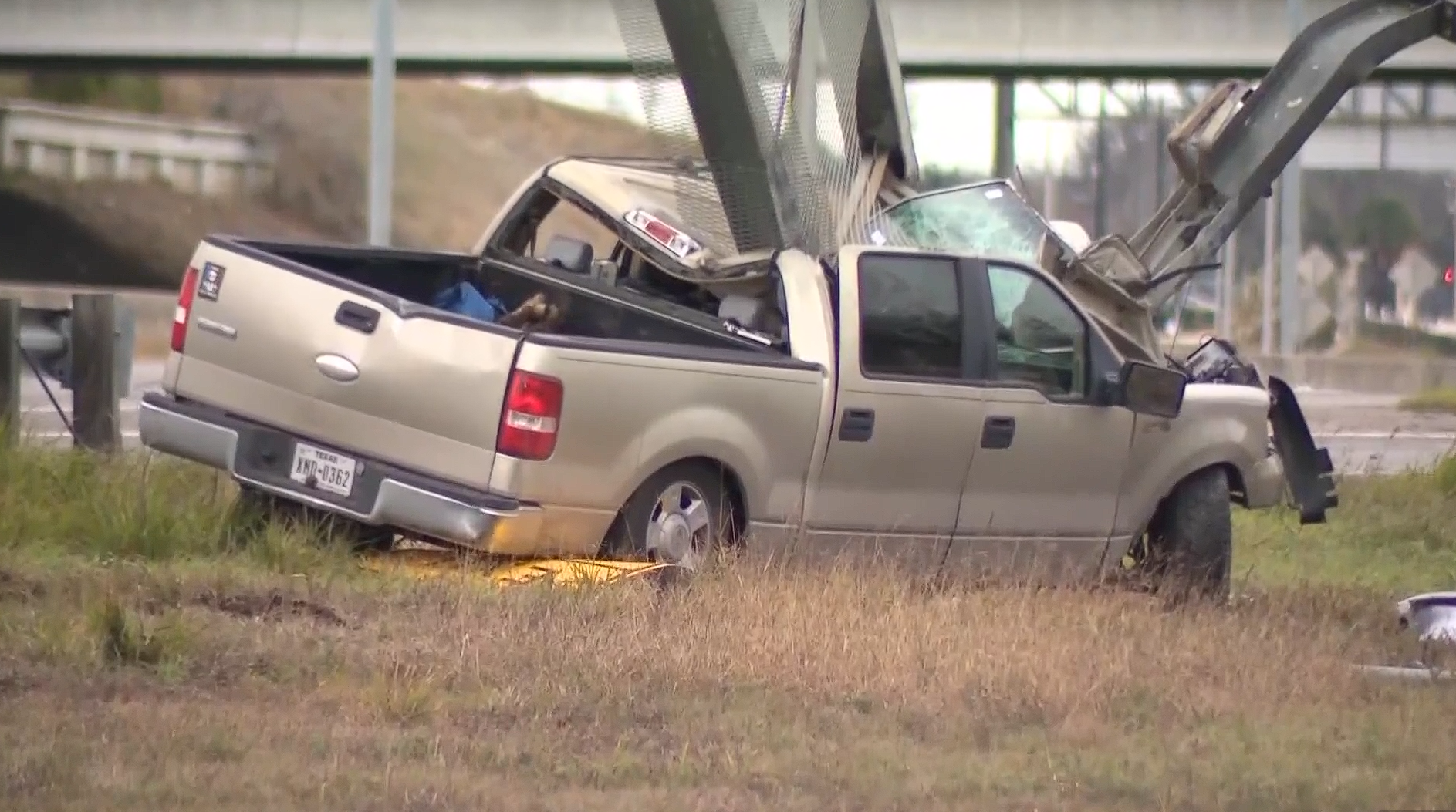



The majority of car accidents aren’t truly accidents. They’re preventable crashes. And very often, the root cause is a distracted driver behind the wheel.
In 2023 alone, the Texas Department of Transportation recorded 94,410 motor vehicle accidents caused by distracted driving statewide—and the real number is probably a lot higher than that. Distracted driving is significantly underreported due to flaws in our enforcement systems.
If you’ve been injured in a car accident, proving that the other driver was distracted at the time can greatly improve your odds of getting maximum compensation for your medical expenses, lost wages, and other losses.
But proving distracted driving can be challenging. Most drivers, for example, will never admit to violating Texas’ laws about texting and driving. And there will unlikely be any eyewitnesses who can confirm what they were actually doing or looking at in the moments leading up to the crash.
In this article, we’ll discuss the challenges surrounding distracted driving accidents and explain some the sophisticated techniques that our San Antonio distracted driving lawyers use to fight back.
What is distracted driving?
Broadly speaking, distracted driving includes any activity that causes a driver to do at least one of the following three things while driving:
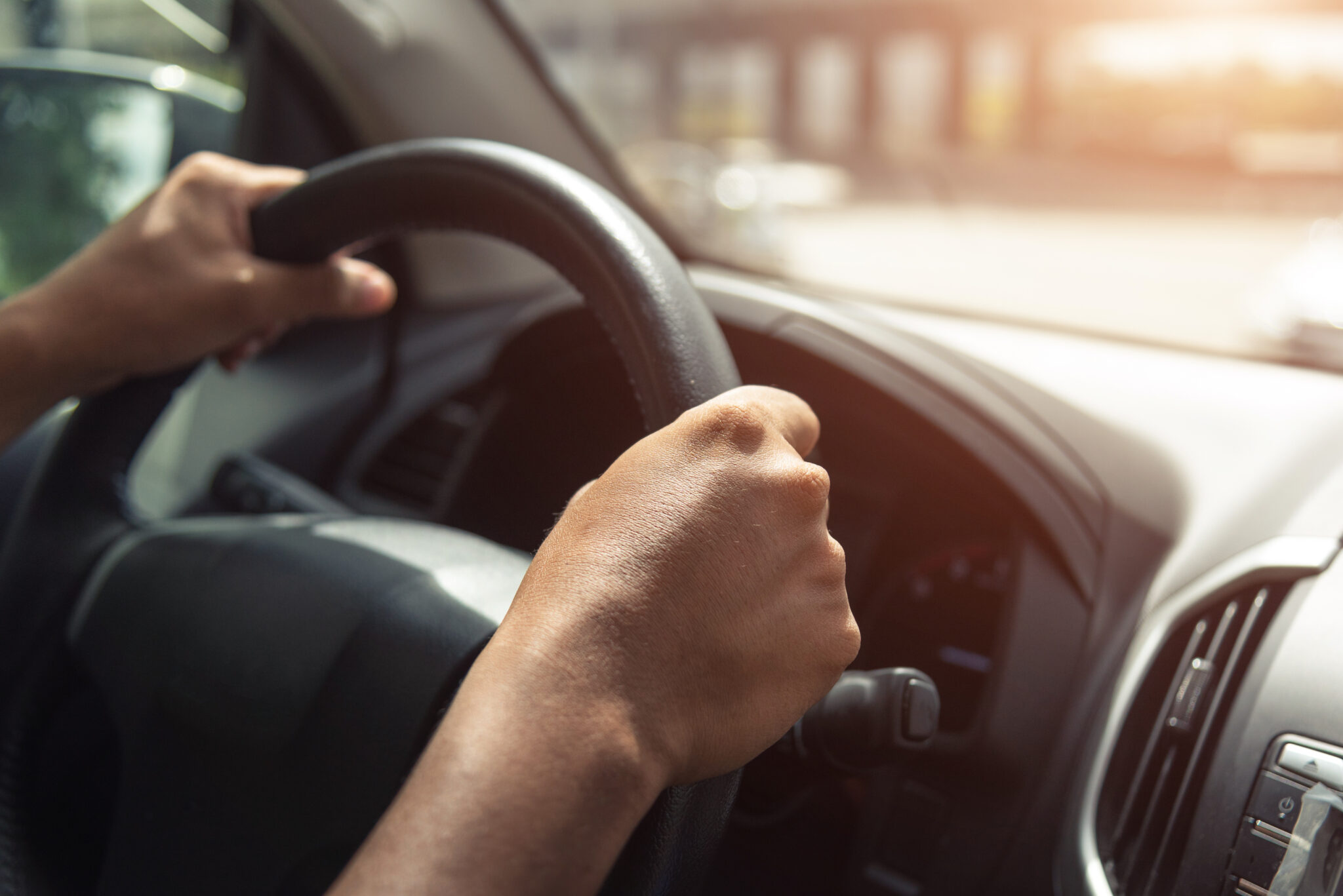
- Take their hands off the wheel
- Take their eyes off the road
- Take their mind off the task of driving
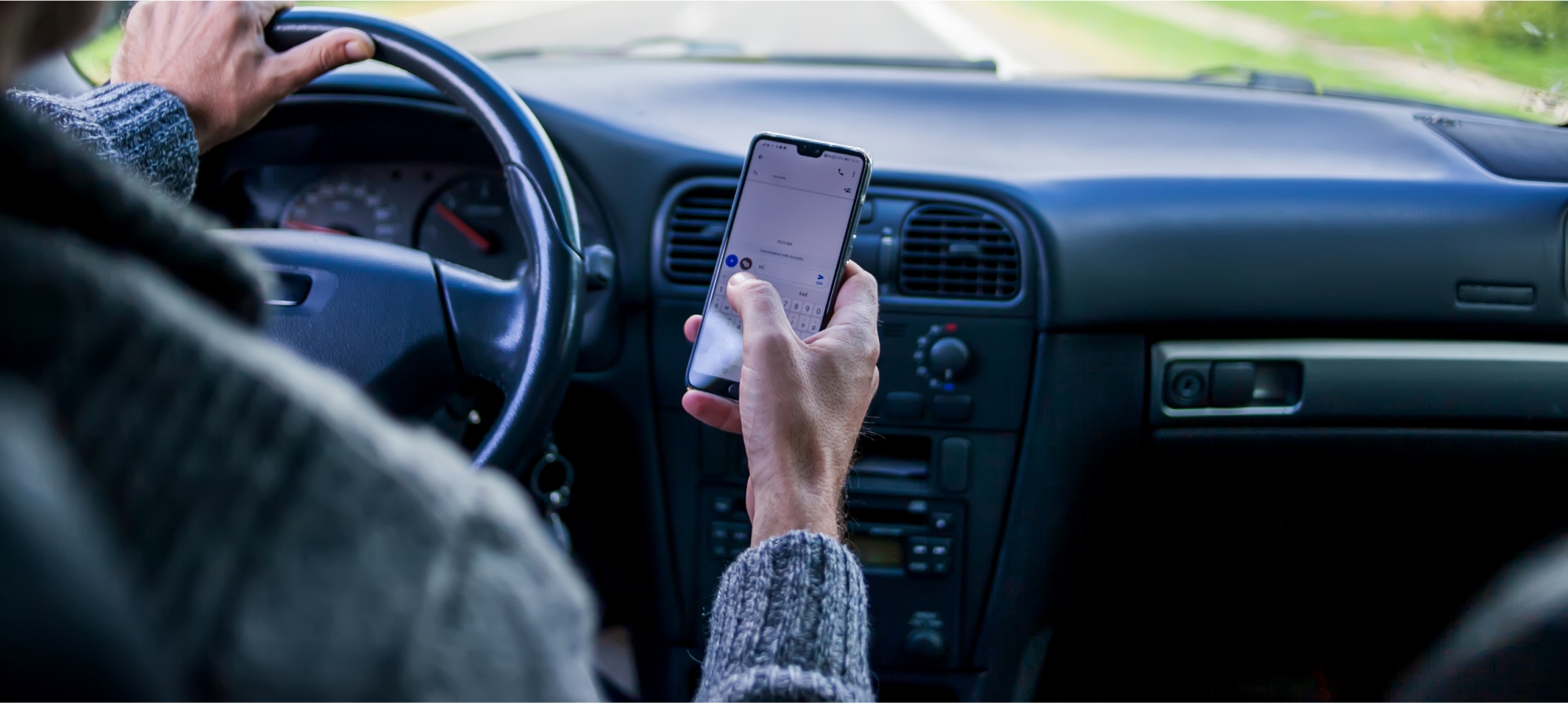
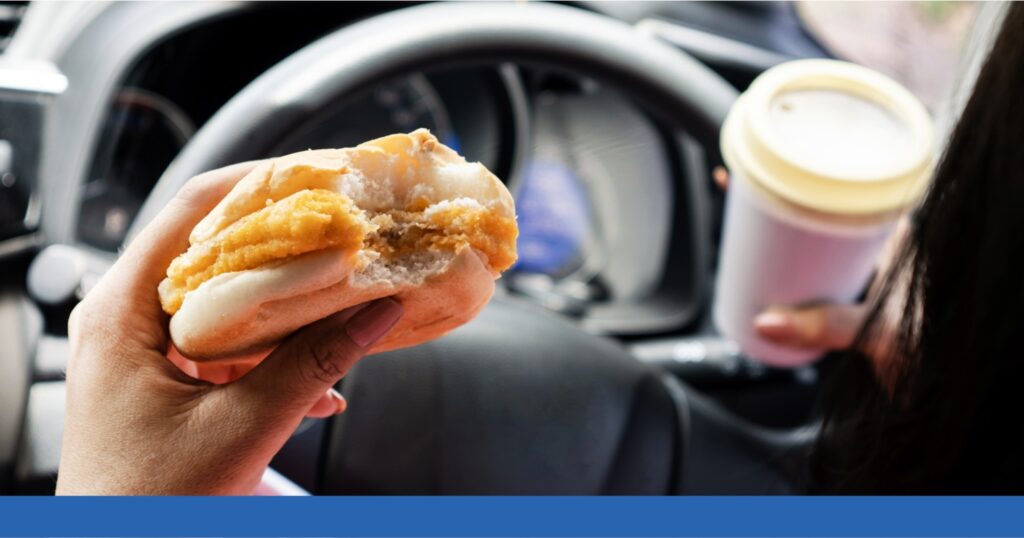
Some obvious examples include eating and drinking, fiddling with radio controls, turning around to talk with a passenger in the back seat, or using a cell phone.
You might think that taking your eyes off the road for “just a second” doesn’t count as distracted driving. However, at 55 miles per hour, you can travel the length of a football field in the 4.6 seconds it takes to send or read a “quick” text. A lot can happen in those couple of seconds.
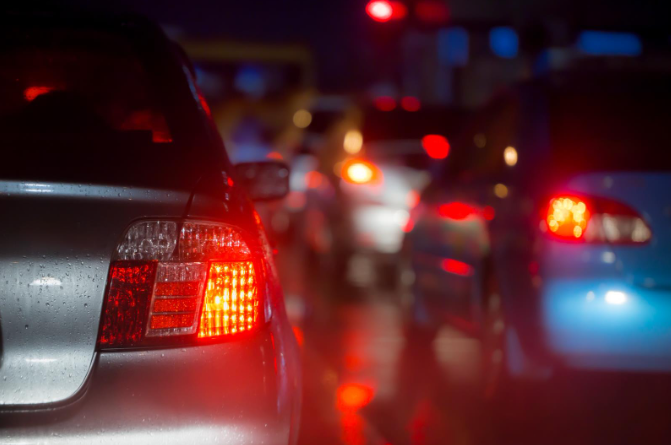
And you don’t even have to go that fast to cause a tragic accident. We recently settled a $3.4 million dollar distracted driving car accident case in which the at-fault truck driver was looking out the window and picking his nose before rear-ending our client. Even at 30 miles per hour, there were devastating consequences.
RELATED CLIENT STORY: Crosley Law wins $3.4 million for man rear-ended by nose-picking truck driver | Crosley Law

How Crosley Law can help you hold distracted drivers accountable
Your lawyer will look for distracted driving red flags
The National Highway Traffic Safety Administration has identified a series of red flags that suggest distracted driving. They include:
- Veering and poor lane control
- Ignoring or delayed responses to traffic signals and lights
- Inconsistent speed
- Abrupt turning
- Failing to use turn signals
Distracted driving is also more common in crashes involving motorcyclists, bicyclists, and pedestrians.
However, other factors can contribute to distraction. The presence of food, beverages, maps, and makeup in the vehicle can also be indications that the driver was not giving the road their full attention.
If the circumstances surrounding your wreck suggest distracted driving, your lawyer will start a careful investigation—which may include interviewing witnesses, studying data and phone logs, reviewing video footage, and consulting with experts.
Obtaining cell phone records from the distracted driver
In 2017, Texas made it illegal to use an electronic device to read, write, or send messages while driving. The rules are even stricter for drivers under the age of 18.
If you can show that the at-fault driver was texting while driving, they are negligent per se. This legal rule streamlines an injury claim when a driver was violating a state or federal law at the time of the crash. However, as noted above, distracted drivers are usually reluctant to actually admit they were using a phone behind the wheel.
Fortunately, phones store tons of metadata and electronic records that can be obtained and reviewed by car accident lawyers investigating a case:
- Logs of inbound and outbound calls, including timing and duration of the calls.
- Dates and times of text messages sent and received.
- App usage data
- Pings from cell phone towers
In one recent case, we obtained cell phone metadata from a semi-truck driver who caused a chain-reaction crash that injured our client. Those records proved he was using his phone routinely throughout the day while he was behind the wheel, including the final moments before the wreck.
RELATED CLIENT STORY: Crosley Law wins $900K for father with concussion | Crosley Law
Getting electronic data from the distracted driver’s vehicle
Most cars and commercial vehicles are equipped with “black boxes” or other sensor systems that record key information about the operation of the vehicle, particularly in the moments before a crash occurs. This data can help us pinpoint things like:
- How fast the vehicle was traveling leading up to the crash
- Whether the accelerator was being pushed
- When (or if) the driver attempted to slam on the brakes
- When (of if) the driver attempted to swerve to avoid a collision
This information can be absolutely crucial for car accident cases, particularly if the at-fault driver was distracted for some reason other than cell phone use.
Here’s one dramatic example. Several years ago, we represented the family of a young woman who was killed when a distracted truck driver blew through a red light and smashed into her car. The truck driver lied and told the police officer that his light was green. The police officer believed him and assigned all the blame to the young woman—who obviously could not defend herself.
But when we got our hands on the black box data—along with the dashcam footage from the truck itself—we discovered that the truck driver had entered the intersection on a solid red light at 43 miles per hour, with the throttle still engaged. He didn’t even hit his brakes until five seconds after the crash. When we showed this evidence to the police officer, he amended the crash report—and after initially making no offer at all, the insurance company settled the case for $9 million.
RELATED CLIENT STORY: A Grieving Mother Clears Her Daughter’s Name: Amanda and Jane’s Story | Crosley Law
Getting camera footage
Many commercial vehicle companies now require their drivers to use forward- and rear-facing dash cameras that record both the road ahead and the driver’s actions. Although the primary purpose is to protect their drivers from false accusations, we’ve also been able to use this footage against drivers on many, many occasions.
The nose-picking truck driver referenced earlier is a great example. The rear-facing dashcam clearly showed he had no eyes on the road and no hands on the wheel for more than six seconds before the crash.
Sometimes even just a forward-facing camera is more than enough. Last year we settled a $2.8 million case against a tanker truck driver who made an illegal turn, which caused our client to roll his truck after taking evasive measures. Although there was no rear-facing camera, a reflection of the driver’s lit cell phone screen (and the hand holding it) was visible in the windshield.
In addition to dashcam footage, nearby businesses or residences may have security camera footage that captured the crash.
However, it’s important to understand that unless your car accident attorney moves quickly to preserve the evidence, it could be lost forever. Security and dashcam footage may be deleted soon after a wreck, and in egregious cases a trucking company might even try to hide or destroy evidence. In the case we mentioned earlier involving the young woman who was killed, we discovered that the company safety director had seen the dashcam footage and failed to disclose it.
RELATED POST: The role of dash cams in Texas car accident claims | Crosley Law
Reconstructing car accidents with help from experts
It’s always a good idea to take pictures of the crash scene. However, a lawyer can sometimes identify evidence that may otherwise be missed. That’s why we often send our investigators out to crash scenes soon afterward to document debris trails, skid marks, and other data points.
Once all the evidence has been gathered—crash reports, photos, witness testimony, video, phone records, black box data, and more—it needs to be analyzed. Crosley Law works with crash reconstruction experts, traffic engineers, and other professionals who can take the information and present a model of how the collision occurred. These expert opinions can help jurors understand the exact mechanisms that led to your car accident injuries, and how distracted driving played a role in your crash.
For example, last year we settled a case involving a van driver who ran a red light at a major intersection and smashed into a family vehicle, injuring a young mother. From the crash photos, our accident reconstruction expert analyzed the post-crash movement of the vehicles to determine that the van must have been traveling at least 26 miles per hour. Then, based on the driver’s own testimony and an analysis of the traffic light cycle timing, he calculated that the driver must have completely ignored a red light for at least 5 seconds.
RELATED CLIENT STORY: Crosley Law wins $900K for mom and family | Crosley Law

Car Crash? Call Crosley
At Crosley Law, our distracted driving accident lawyers rely on thorough investigation, sophisticated tactics, and a network of industry-leading experts to get the most money possible for car accident victims. Even when the other driver isn’t being completely honest about the facts—or the accident victim is unable to provide their own witness testimony—there may still be a way to dig up the truth.
If you or a loved one has been injured in a crash involving a distracted driver, contact us today to discuss your rights and options. Call us at (210) 529-3000 or fill out our easy online form.
References
Texas Department of Transportation. (2024, April 24). Distracted Driving Crashes and Injuries by County. Texas Motor Vehicle Crash Statistics – 2023. Retrieved from https://www.txdot.gov/content/dam/docs/trf/crash-reports-records/2023/32.pdf
National Traffic Law Center. (May 2017). Investigation and prosecution of distracted driving cases. Washington, DC: National Highway Traffic Safety Administration. Retrieved from https://www.nhtsa.gov/sites/nhtsa.dot.gov/ files/documents/812407-distracteddrivingreport.pdf
The content provided here is for informational purposes only and should not be construed as legal advice on any subject.