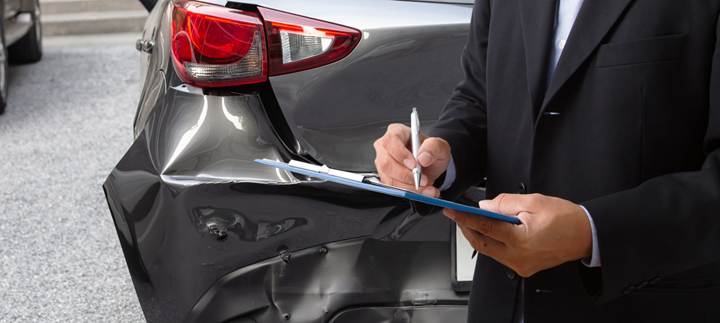



If you’ve been in a serious car or truck accident, you may know the other driver was at fault—but proving it is another matter. Insurance companies and at-fault drivers often try to avoid responsibility, and without strong evidence, you might lose out on valuable compensation. That’s where an experienced lawyer comes in.
Experienced personal injury lawyers use a variety of tools and strategies to prove liability. This goes far beyond simply reading a police report. Attorneys act as detectives, gathering electronic data, reconstructing the crash, analyzing video footage, and bringing in expert testimony to establish what really happened.
Here are some of the ways skilled accident lawyers prove fault in car and truck cases – and some steps you can take to preserve evidence after a crash.
1. Using video evidence to strengthen your case
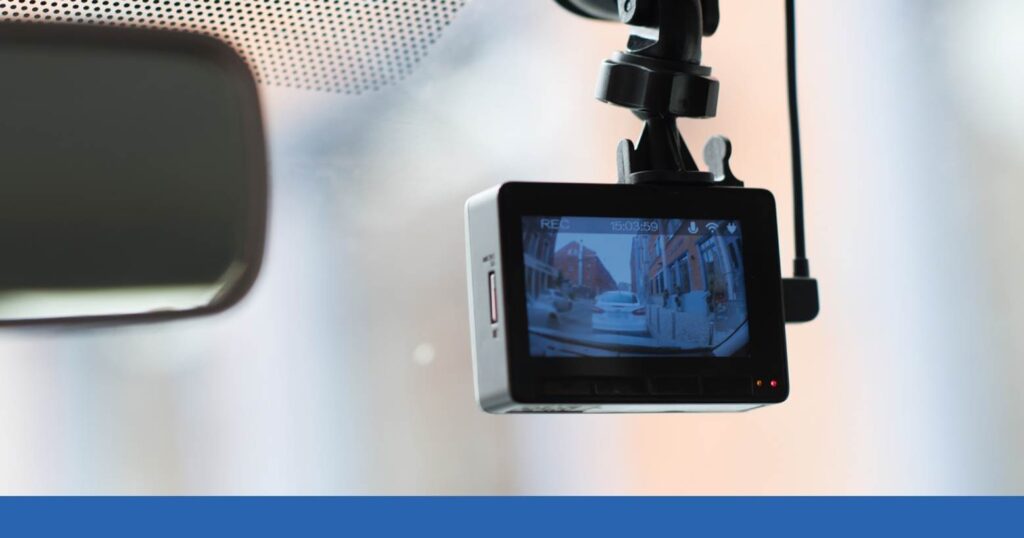
In today’s world, video footage is one of the most powerful tools available for proving fault in an accident. But knowing where to find it, authenticate it, and use it effectively is where legal experience comes into play.
Where can video evidence come from?
- Traffic cameras. Many cities have cameras at major intersections that may have recorded your accident.
- Security cameras. Nearby businesses, gas stations, and parking lots often capture road activity.
- Dashcams. If you or another driver had a dashcam, it could provide crucial footage.
- Bystander footage. Passersby frequently record accidents on their smartphones.
- Police dashcams and body cameras. Officers often record accident scenes, including immediate statements from those involved.
While video evidence can be compelling, it’s not always conclusive. Skilled accident attorneys know how to analyze multiple camera angles, verify footage, and combine video with other evidence to more effectively present your case. Since security videos and other footage are often overwritten or destroyed after a set period of time, gathering it sooner is always better than later.
As an accident victim, it is best to leave video collection requests to your attorney. But by recording information on witnesses and officers at the scene, you can make it easier for your attorney to track down these potential sources.
2. Eyewitness testimony: Filling in the blanks

Eyewitness testimony can provide details that video evidence may miss. Passengers, other drivers, pedestrians, or nearby residents may have seen the crash unfold and can describe what they witnessed.
Unfortunately, witness testimony is not always perfect:
- People’s memories can be unreliable, especially after a stressful event.
- Witnesses may disagree on key details, so corroborating their accounts with physical evidence is essential.
- Some witnesses may have biases—such as knowing one of the drivers involved.
A skilled accident lawyer knows how to interview witnesses effectively, compare their statements against other evidence, and use their testimony to reinforce the facts of the case. Again, one of the most helpful actions you can take to help your case after an accident is to record the contact information of witnesses at the scene, if you are able.
3. Traffic signal data: Proving who had the right of way

In intersection accidents, determining who had the right of way is crucial. Lawyers often obtain traffic signal data from city agencies to verify whether a driver ran a red light or improperly entered an intersection.
For example, if a driver claims they had a green light, but signal timing data shows the light was red when they entered the intersection, this can be a game-changer in proving fault.
4. Vehicle Black Box data: A digital witness

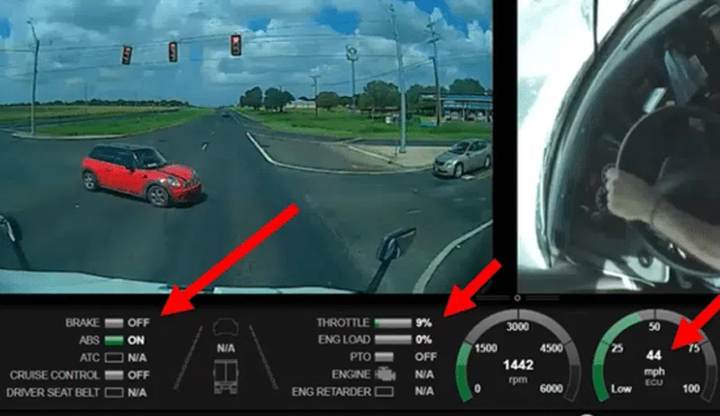
Most modern vehicles—including commercial trucks—are equipped with electronic data recorders (EDRs), often called “black boxes.” These devices record critical information about a vehicle’s speed, braking, and steering in the moments before a crash.
Black box data can reveal:
- How fast the vehicle was going before impact
- Whether the driver hit the brakes
- Steering movements just before the crash
- Whether seat belts were in use
- The force of the collision
This data can be crucial in proving fault, especially when a driver denies wrongdoing. In truck accidents, retrieving engine control module (ECM) data from the commercial vehicle can provide insight into whether the truck driver was speeding, fatigued, or had failed to properly maintain their vehicle.
We have used electronic data recorders many times to cut through misleading claims and show the truth of how accidents unfolded. In one case, we represented a client who suffered injuries after a semi-truck suddenly and unexpectedly veered in front of his vehicle without leaving enough space. The semi-truck driver claimed he had been cut off and was forced to slam on his brakes during the lane change, but the truck’s data recorder proved no such sudden braking had happened.
RELATED: Hard work, preparation, and patience pay off after a truck accident
5. Accident reconstruction: Rebuilding the scene
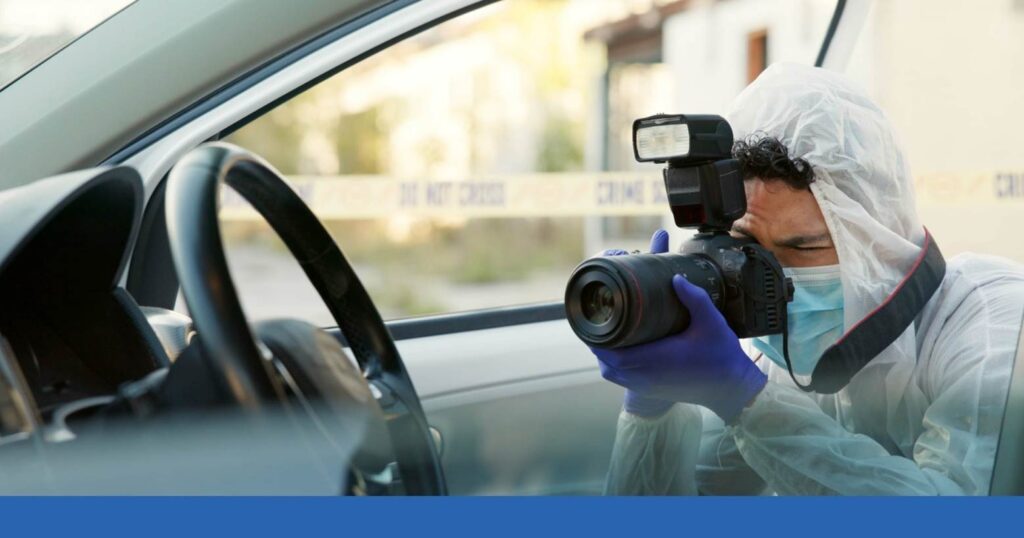
Attorneys often work with accident reconstruction experts who use science and technology to recreate the crash.
Accident reconstruction experts use techniques such as:
- Skid mark analysis to estimate vehicle speed
- Crash physics to determine angles of impact
- Damage profiles to assess force and vehicle movement
- 3D computer simulations to visually recreate the accident
These reconstructions can be used in court to help judges and juries understand exactly how an accident happened and why the other party is at fault. Their testimony can be especially valuable.
Recording as much as you can of an accident scene can help reconstruction experts do their jobs. If you can, take photos of accident damage, road conditions, debris, skid marks, and anything else you believe may be important. This information can be critical, especially if weather or other factors disturb the accident scene before it can be properly investigated.
6. Cell phone records: Proving distracted driving
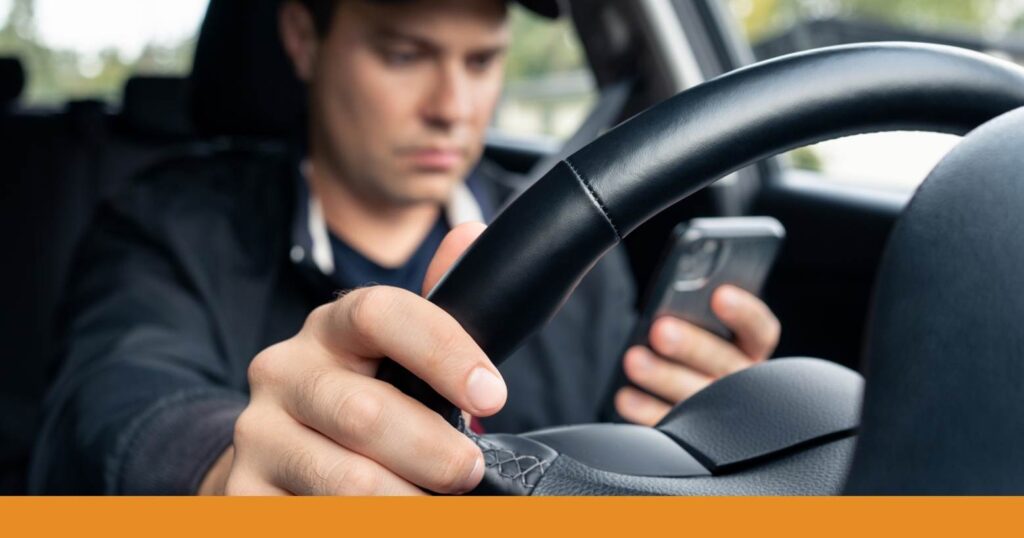
Distracted driving is a leading cause of accidents. Lawyers can subpoena a driver’s cell phone records to determine if they were texting, talking, or using an app at the time of the crash.
In truck accident cases, this is especially important because federal regulations prohibit commercial drivers from using handheld phones while driving. If a lawyer proves a truck driver was illegally using their phone, it significantly strengthens the case for liability.
In one case where our client suffered severe injuries after being slammed into from behind by a flatbed truck, we didn’t even need to pull cell phone records. Dashcam footage clearly showed the flatbed driver distracted by his phone and other activities right before the accident. The insurance company chose to settle.
RELATED: Crosley Law wins $3.4 million for man rear-ended by nose-picking truck driver
7. Police reports and expert testimony
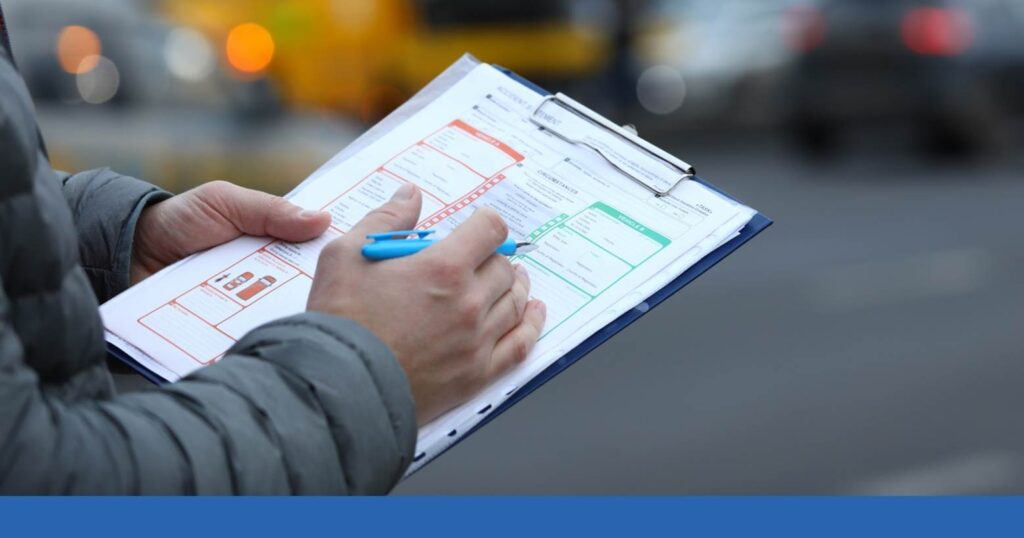
Police reports provide essential documentation, including:
- Officer observations
- Statements from drivers and witnesses
- Any citations issued
However, experienced attorneys know that police reports aren’t always 100% accurate. Officers may misinterpret the scene, make errors, or fail to document critical details. That’s why lawyers bring in expert witnesses to strengthen the case.
Types of expert witnesses include:
- Medical experts. Explain injuries and how they relate to the crash.
- Mechanical engineers. Assess vehicle defects or mechanical failures.
- Human factors experts. Analyze driver behavior and reaction times.
Expert testimony adds credibility and authority, making it harder for insurance companies to dispute the claim.
A strong case takes a multi-pronged approach

To secure full compensation, an accident lawyer must prove not only that the other driver was at fault but also that their negligence directly caused your injuries. This involves:
- Gathering strong evidence. Video footage, eyewitness statements, black box data, and accident reconstructions.
- Establishing negligence. Showing how the at-fault driver violated traffic laws or engaged in reckless behavior.
- Proving damages. Documenting medical bills, lost wages, and pain and suffering.
Insurance companies will do everything they can to minimize payouts, often disputing fault or downplaying injuries. Having an experienced personal injury attorney ensures you have the best chance of securing fair compensation.
Get help from an experienced accident lawyer

If you or a loved one has been injured in a car or truck accident, don’t leave your case to chance. Proving fault requires an accident attorney with in-depth investigative, technical, and legal skills. Crosley Law Firm has the experience, expert connections, and resources to build a strong case on your behalf.
Call us today for a free consultation. We can review your case and explain your options for moving forward. If you choose us to represent you, we’ll levy all we have to fight for the compensation you deserve.
The content provided here is for informational purposes only and should not be construed as legal advice on any subject.