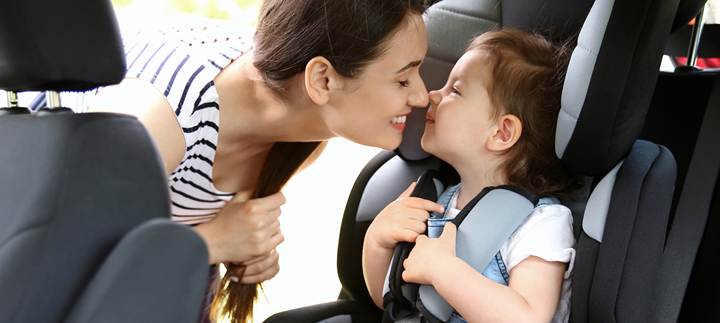



As parents, we trust car seats to protect our children if we’re ever in a car accident. That is their intended design, after all.
If your child has been in a car accident with a car seat, you might assume they’re fine if they don’t have any obvious injuries. But car seat-related injuries aren’t always easy to spot right away — and when a car seat is defective or improperly installed, the consequences can be serious.
At Crosley Law, our car accident lawyers have helped families navigate the aftermath of crashes involving child car seat injuries. We know how overwhelming it can be, but we’re here to help you find clear answers, access the treatment you need, and understand your legal options.
How car seats are supposed to work — and what can go wrong
Car seats are designed to protect children by reducing the impact of a crash. There are different types of car seats for different stages of your child’s growth:
- Infant carriers. Rear-facing seats designed for newborns and small infants.
- Convertible car seats. Can switch from rear-facing to forward-facing as your child grows.
- Toddler car seats (forward-facing). For children who have outgrown rear-facing seats; includes a harness for protection.
- Booster seats. For older children, to ensure the seat belt fits properly across their body.
- Integrated car seats. Built into the vehicle, providing additional safety and convenience.
When installed and used correctly, car seats significantly reduce the risk of injury. But if there’s a defect or installation issue, even a minor crash can lead to serious harm.
RELATED: What’s an average settlement for a child in a car accident in Texas?
Common problems with car seats that lead to injuries
1. Defective design or manufacturing
Sometimes the problem isn’t with how you installed the car seat — it’s with how the seat was made. Manufacturers have a responsibility to ensure their products are safe, but defects can still happen. Some common design and manufacturing problems include:
- Weak or faulty harness systems. Straps can loosen, detach, or fail to keep a child secure in a crash.
- Flimsy shell construction. Some seats are not reinforced well enough to withstand high-impact collisions.
- Poorly designed latches and buckles. These can break or fail under pressure, allowing the child to be thrown from the seat.
2. Installation and usage errors
Even when the car seat itself is properly designed, confusing instructions or poor design can make installation difficult. Common installation issues include:
- Failing to tighten the seat properly to the car.
- Using the wrong type of seat for your child’s age and size.
- Twisted or loose harness straps.
- An incorrect angle of recline for rear-facing seats.
Even a small mistake during installation can significantly reduce your child’s protection in a car seat during an accident.
3. Lack of warnings or recalls
Car seat manufacturers are required to notify consumers of safety issues and recalls — but not all parents are aware when a recall happens. If a car seat is known to have safety issues and the manufacturer fails to provide proper warning, they can be held responsible if an injury occurs.
Signs your child may have been injured in a car seat
Not all injuries are immediately visible after a crash. Your child might seem fine at first, but hidden injuries can appear hours or even days later. It’s also important to note that a child might not be able to properly express how they are feeling or might be afraid to tell you if something is wrong.
Here are some signs to watch for if your child was in an accident with a car seat:
Head, neck, and brain injuries
- Crying when moving their head or neck
- Holding their head to one side
- Vomiting or loss of balance
- Drowsiness or difficulty staying awake
- Confusion or trouble focusing
- Difficulty walking or speaking
- Sensitivity to light or noise
- Unusual irritability or personality changes
Spinal injuries
- Loss of movement in any part of the body
- Numbness or tingling in arms or legs
- Complaints of back or neck pain
Chest and abdomen injuries
- Bruising or redness on the chest or stomach (from the harness or seatbelt)
- Trouble breathing or coughing
- Pale or clammy skin
Internal injuries
- Unexplained crying or discomfort
- Swelling or tenderness in the abdomen
- Blood in their urine or stool
Regardless of how you or your child feels after a car accident, we always recommend going to your doctor or an urgent care center for an evaluation as soon as you can. Medical professionals may detect injuries you might not yet be aware of, and you will start establishing a medical record that can be useful should you need to file an injury claim.
But if your child shows any of the above symptoms, no matter how long it has been after the accident, seek medical attention right away. Early treatment can prevent more serious complications.
RELATED:Is my child more at risk in a car crash?
How a lawyer can help after a car seat injury
When a car seat fails, it’s not just a product defect — it’s a failure to protect your child. That’s why working with an experienced personal injury lawyer is so important. At Crosley Law, we have experience handling complex car seat injury cases and know how to investigate what went wrong.
We have connections with experts in accident reconstruction, engineering, and medicine who can show the how and why of an accident involving a car seat. They can examine the car seat for any signs of manufacturing defects and design flaws, show how the accident itself affected the car seat, and how your child’s injuries may be a direct cause of manufacturer or other outside negligence.
We not only use expert knowledge to get to the truth of a car seat case, but also present it clearly and effectively to a judge or jury as needed. We fight to get our clients full compensation for both current and future needs that injuries demand, including:
- Medical bills
- Pain and suffering
- Emotional trauma
- Lost wages (from your own injuries or having to miss work to care for your child)
What to do if your child was injured in an accident with a car seat
If your child has been hurt in a car accident while in a car seat, take these steps to protect your child and your legal rights:
- Preserve the car seat. Don’t throw it away or repair it. Let your lawyer examine it for defects.
- Take photos. If you can, document the damage to your car, the car seat, and any injuries your child suffered. Also take photos of any debris, skid marks, and surrounding environment that may be related to the crash.
- Take down contact information. If you can, get names and contact information for the other driver, witnesses, and police who show up on the scene. This information will be helpful during your lawyer’s investigation.
- Seek medical care. We can’t repeat this enough. Even if your child seems fine, get them checked by a doctor.
- Contact Crosley Law. We’ll review your case for free and help you understand your legal options.
RELATED:How to protect your child after a serious car accident
Let Crosley Law help protect your family
At Crosley Law, we understand how scary it is when your child is hurt — especially when it feels like a safety device failed you. Our experienced team has handled complex car seat injury cases and know how to hold manufacturers accountable.
If your child was injured in a car seat accident, we’re here to help. Contact Crosley Law today for a free consultation. We’ll answer your questions and investigate what happened. And if the car seat was not fault, we can still fight to get you the compensation you deserve from those who are.
RELATED:Protecting her children after a head-on hit-and-run: Kasandra’s story
Call us at (210) 529-3000 or visit CrosleyLaw.com to schedule your free consultation today.
The content provided here is for informational purposes only and should not be construed as legal advice on any subject.