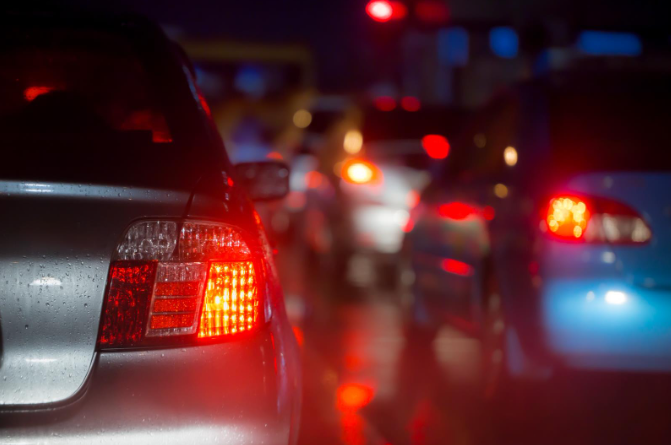



We’ve all seen it or experienced it firsthand. You’re driving along when the car in front of you suddenly slams on the brakes for no clear reason. One of two things happens: you swerve or stop just in time, or you’re not so lucky and a crash happens.
This aggressive driving maneuver is called brake checking. But aside from being terrifying, is brake checking illegal in Texas? And who’s at fault if a brake check leads to a rear-end collision?
Our car accident attorneys will discuss brake checking and brake check accidents in this blog. But if you need to talk to a lawyer now, don’t hesitate to call us at (210) 529-3000 or fill out our online contact form to request a free consultation.
What is brake checking?
Brake checking happens when a driver intentionally slams on their brakes to startle or punish the driver behind them. It’s often a reaction to tailgating or a perceived slight.
While it may seem like a minor act of frustration, brake checking is dangerous and very often illegal.
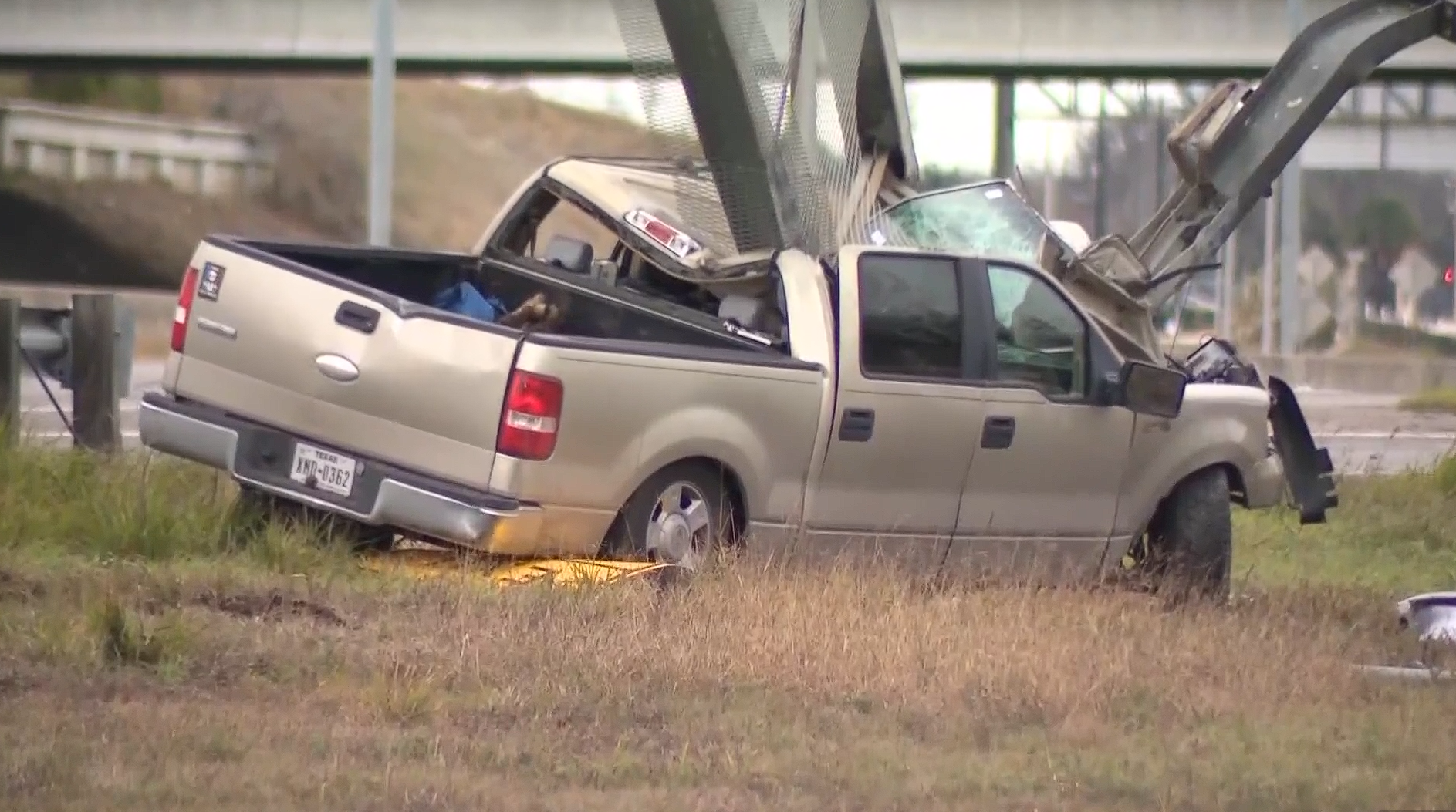
In heavy traffic or at high speeds, brake checking can cause rear-end collisions, pileups, or force other drivers to swerve into neighboring lanes or off the road. It’s a form of aggressive driving that can have serious consequences for everyone involved.
How is brake checking illegal in Texas?
Texas law doesn’t use the term “brake checking,” but that doesn’t mean it’s legal.
Under Texas Transportation Code § 545.401, reckless driving is defined as operating a vehicle with “willful or wanton disregard for the safety of persons or property.”
That’s a broad definition, but brake checking often falls squarely within it. If a driver intentionally slams on the brakes in a way that endangers others, they could be cited or even charged with reckless driving.
Other potential legal violations may include:
- Failure to maintain a safe speed (Transportation Code § 545.351)
- Sudden stops without signaling (Transportation Code § 545.106)
- Obstruction of traffic
- Assault with a motor vehicle (in extreme cases)
In short: brake checking is illegal in Texas if it endangers other drivers. And it often does.
Who’s liable in a brake check accident?
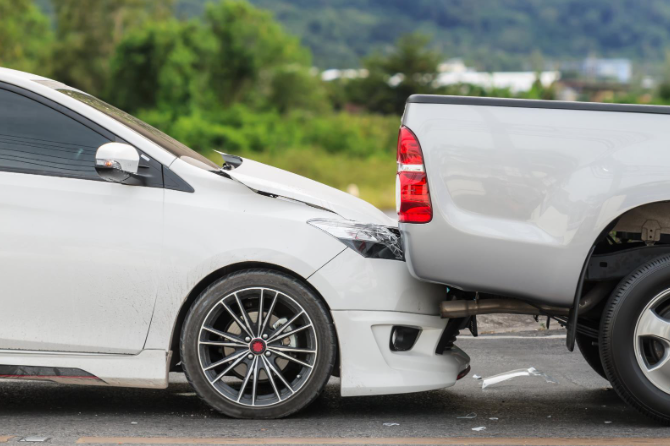
Many people assume the rear driver is always at fault in a rear-end crash. And in many situations, that’s true. Texas law says drivers must maintain a safe following distance and be prepared to stop safely. But brake checking changes the equation.
If the lead driver slammed on their brakes suddenly and without a legitimate reason, they may be held liable for the crash or at least share fault.
Texas follows a rule called “modified comparative negligence.” That means:
- Each party’s percentage of fault is assessed
- If you’re found to be more than 50% at fault, you can’t recover damages
- If you’re less than 51% at fault, your compensation is reduced by your percentage of fault
So, if someone brake checks you and causes an accident in Texas, you might be able to recover damages even if you were partially at fault for following too closely.
RELATED: How much car insurance do I need in Texas?
Proving liability in a brake checking case
Brake check accident cases often come down to one thing: evidence.
The driver who got rear-ended will often deny brake checking or claim they had to brake suddenly due to traffic, a hazard, or another vehicle. That’s where a skilled personal injury attorney comes in. At Crosley Law, we know how to investigate these cases thoroughly and uncover the truth.
Here’s how we build a case:
1. Dashcam or surveillance video
Dashcam footage is often the best evidence in brake checking cases. It can show the other driver’s behavior and determine whether they had an actual reason for their sudden braking.
We also look for surveillance cameras from nearby businesses or traffic intersections. Even partial footage can make a big difference in determining fault.
2. Witness testimony
Independent witnesses can offer unbiased accounts of the accident. If someone saw the lead driver intentionally brake check or act aggressively, their testimony can be powerful.
We track down and interview all possible witnesses as soon as possible, before memories can fade.
3. Electronic data from vehicles
Modern vehicles often contain “black box” data that records speed, brake usage, and throttle position. We can subpoena this data to analyze how both vehicles were operating in the seconds before the crash.
If the lead driver braked hard with no outside cause, that data can help prove your case.
4. The police report
A thorough police report can help assign liability, especially if the officer noted signs of aggressive driving or road rage. We work closely with law enforcement reports and supplement them with additional evidence when needed.
What if you were following too closely?
Let’s be honest: tailgating is also dangerous. If you were following too closely, the defense may argue you caused the crash by failing to keep a safe distance.
But Texas law recognizes that multiple drivers can share fault for an accident. If the brake checking was intentional, malicious, or unreasonable, the lead driver may still bear a significant share of the blame.
We work to show whether:
- You were maintaining a reasonable distance until the lead driver braked suddenly
- You were reacting to the other driver’s erratic or aggressive behavior
- The lead driver created a dangerous situation with their actions
Even if you were partially at fault, you may still be entitled to compensation. We’ll fight to make sure you get it.
Injuries from brake checking accidents
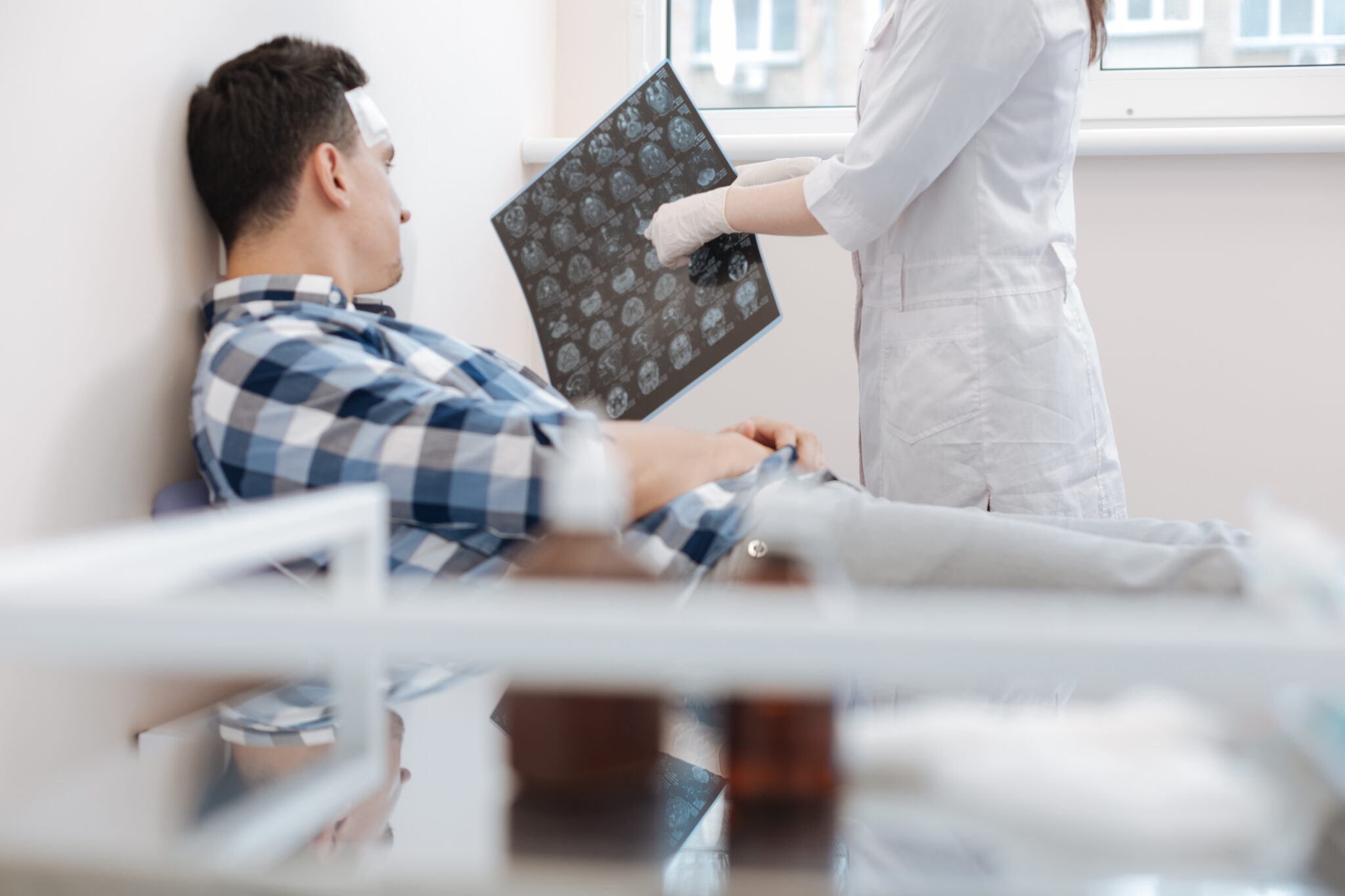
Brake checking crashes often happen at highway speeds or in congested traffic. The injuries can be serious, including:
- Whiplash and soft tissue injuries
- Concussions or traumatic brain injuries
- Broken bones
- Airbag burns or seatbelt bruises
You may also suffer from mental trauma, especially if the crash involved road rage or aggressive driving.
At Crosley Law, we work with top medical professionals to document the full scope of your injuries. These expert witnesses, along with others including accident reconstructionists, can help paint a full picture of the accident and your needs following it.
RELATED: What is an average settlement for back and neck injuries after a car crash?
Why you need a lawyer after a brake checking accident
Insurance companies don’t like paying claims. In a brake check accidents, they may try to pin all the blame on you even when the other driver was clearly reckless. You need an attorney who understands Texas law, knows how to investigate these cases, and can stand up to the insurance company.
Crosley Law has taken on many complex crash cases. We’ve taken on aggressive drivers, corporate defendants, and stubborn insurers. We’ll gather the evidence, build your case, and fight for the compensation you deserve.
Crosley Law can help
If you were injured in a car crash caused by brake checking in Texas, don’t wait. Evidence disappears quickly and every day you delay could hurt your case.
Contact Crosley Law today for a free consultation. We’ll listen to your story, explain your legal options, and help you take the next step toward justice.
Call us at (210) 529-3000 or fill out our online contact form to schedule your consultation.
The information in this article is for educational purposes only and does not constitute legal advice. For personalized guidance, speak to a qualified attorney.