


If you’ve been told you “should be better by now” after a concussion or mild traumatic brain injury (mTBI), you’re not alone.
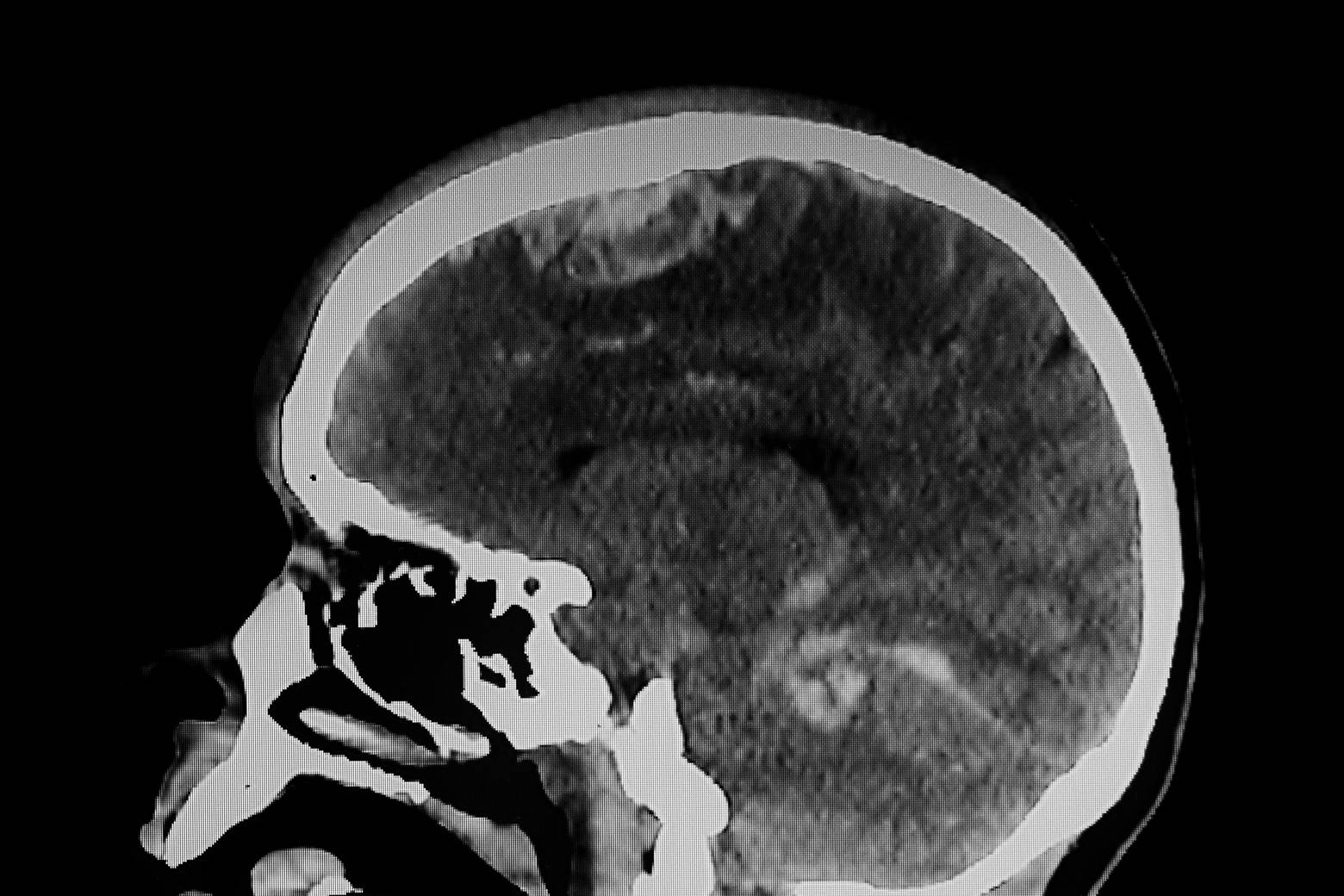
One of the hardest parts of living with a brain injury is that you can look “fine” while your daily life quietly falls apart. Headaches, fatigue, brain fog, memory issues, irritability, and trouble concentrating can linger long after a crash, fall, or impact causes the injury. And if your CT or MRI looks normal, insurance companies and defense lawyers love to act like that’s the end of the story.
But it’s most certainly not.
In an episode of Winning the TBI Case, San Antonio brain injury lawyer Tom Crosley explains a truth that matters both medically and legally: not everyone recovers from a mild TBI. In fact, a substantial number of people don’t recover at all—and those are often the people who need legal representation the most.
Let’s break down what this episode teaches, why it matters to real people, and what it means if you’re still struggling months (or years) after an injury.
RELATED: Can old head injury symptoms persist years later?
The “most people recover” line and what it leaves out
The defense will almost always start with the well-worn line that most people recover in a few weeks, six weeks, maybe 12 weeks at the outset. And yes, that is true for most people, but here’s the rest of the story: a significant minority don’t recover at all. Those are the clients who end up in our courtrooms.
Tom Crosley
If you’ve dealt with an insurance adjuster or defense expert, the you’ve probably heard some version of the same message: most people recover from a concussion in a few weeks.
That can be true for many people. But what insurance companies don’t want to talk about is what happens to the people who don’t bounce back.
The “significant minority” who don’t fully recover from mild TBIs show up in serious medical literature. According to research, most patients who still have symptoms at the three-month mark may continue to have them for even longer.
The research Tom Crosley says changed the game
Tom’s episode focuses on a 2017 article from the Journal of Neurotrauma, a respected peer-reviewed publication in the brain and spinal cord injury world. The study is titled: “Longitudinal Study of Postconcussion Syndrome: Not Everyone Recovers”.
Tom says he remembers when it came out because it gave brain injury lawyers something that’s often missing in these cases: credible science that directly contradicts the oversimplified defense narrative.
“It finally gave us peer-reviewed, published, respected science that said what we’ve been trying to prove all along: the clients we bring to court in these cases aren’t recovering.”
Tom Crosley
Why this study matters for credibility
The study removes many of the defense’s favorite excuses before anyone even gets to the results.
Tom explains that the patient group was carefully screened:
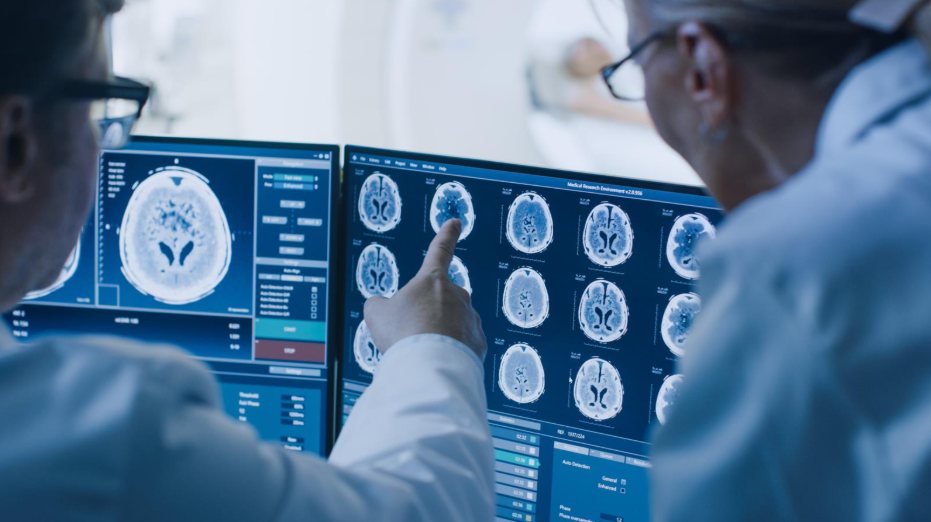
- They had normal CT and MRI imaging
- They were excluded if they didn’t pass symptom validity tests, including the TOMM (Test of Memory Malingering)
- They were excluded if they were in litigation related to the injury
“There’s no abnormal imaging to explain away symptoms,” Tom explains. “There’s no litigation to blame. There’s no malingering to point to.”
That’s the kind of foundation that is hard to wave away with hand-waving skepticism.
RELATED: Updated guidelines help lawyers win traumatic brain injury settlements
What happens after the three-month mark with post-concussion syndrome (PCS)?
The study’s timeline matches what many long-term concussion victims experience.
And the findings are shocking: Only 27% of the patients with post-concussive symptoms after 3 months ever recovered. 73% would end up having symptoms forever.
“Of those that did recover, two thirds of them recovered within the first year,” Tom says. “So now we can say that patients who still have PCS symptoms more than a year after their injury are more likely than not to have them permanently.”
That doesn’t mean every person with a concussion will have lifelong problems. But it does mean that if symptoms persist long enough to meet the criteria for PCS, the odds shift in a way most people—including jurors—don’t understand.
Tom explains the practical takeaway: early on, most people improve. But once symptoms persist beyond three months, the patient may no longer be in the “most people recover” category.

The “miserable minority” of mild TBI victims
In brain injury medicine, there’s a term for the subset of concussion patients who don’t do well long term: the “miserable minority.”
Many studies place this percentage around 15-20% of the mild TBI population. The exact percentage varies across studies, but the important point is that the concept is widely recognized, even by defense experts.
“Most defense experts in my experience will concede this concept of miserable minority and the 15-20% range that fall into this category,” Tom says.
For someone living with chronic symptoms, this recognition can be extremely validating. You’re not “crazy,” “weak,” or “making it up.” You may be in a category that medicine already knows exists.
Making invisible mild TBI damage understandable
“Think of the brain like a city’s power grid. After a storm, most lights come back on quickly, but in some neighborhoods, the transformers are fried. The wiring’s damaged, the lights may never work the same again.”
Tom Crosley
One of Tom’s strengths is explaining complex injury science in simple, human terms. In this podcast episode, he offers several analogies that can help jurors understand why “mild” does not mean “no big deal.”
In addition to the power grid analogy above, he also compares PCS to a blocked intersection.
“Imagine the brain is like a downtown street grid,” Tom says. “And a concussion. Imagine it’s like a wreck that blocks a key intersection. Now, traffic can still go around that intersection. It can still get from point A to point B, but it’s got a reroute. It’s slower, it’s full of detours, and the traffic burns more fuel to get from point A to point B.
“That’s why there’s slowed processing. That’s why there’s reduced efficiency. That’s why these patients have increased mental fatigue. These are all the hallmarks of PCS. A certain region of the brain has been damaged, and the brain is trying to figure out how to do its job by working around the damaged wiring.”
Such analogies in court are often backed with supportive imagery, expert testimony, and witness statements to help tie the information to its effects on the mild TBI victim.
Why this matters if you’re thinking about hiring a brain injury lawyer
The key takeaway is simple: long-lasting concussion symptoms aren’t rare or automatically “psychological” or “preexisting.” There is a body of science that recognizes persistent post-concussion syndrome and the “miserable minority” who don’t recover.
But there’s also a harsh reality: insurance companies often fight these cases harder because the injury is invisible and the long-term consequences can be expensive.
Tom explains the defense playbook: they try to get jurors to believe that because most people recover, then you probably recovered too. And if you didn’t, then it must be something else.
Tom calls that this faulty logic, and he gives an example that makes the point unforgettable.
“It’s kind of like saying it this way: ‘Hey, jury, because most people don’t die in plane crashes, Widow Smith’s husband here must not have died in a plane crash’ ” Tom says.
That’s why these cases require serious preparation and a strategy built around evidence: symptom timelines, medical records, neuropsychological testing when appropriate, treating doctor testimony, and credible science.
“Our job is to make the invisible injury visible,” Tom says.

What should you do if you’re still having symptoms after a TBI?
If you’re months out from an accident and still dealing with headaches, brain fog, fatigue, memory problems, or personality changes, you should take it seriously.
From a practical standpoint, here’s what tends to matter in both health and legal cases:
- Keep treating and documenting symptoms consistently
- Make sure symptoms are communicated clearly to your providers (and show up in your records)
- Don’t let an insurance company talk you into minimizing what you’re experiencing
- Talk to a lawyer who understands brain injury claims
At Crosley Law, we focus heavily on serious injury cases, including traumatic brain injuries. We know what the defense will say, and we know how to build cases that tell the truth with credible science and clear storytelling.
RELATED: Mild traumatic brain injuries: symptoms, delayed effects, and how a concussion lawyer can help
Get support from a San Antonio brain injury lawyer
If you or a loved one is still struggling long after an accident, don’t assume you’re out of options. The medical literature recognizes what you’re experiencing, and the right legal team can help make sure an insurer doesn’t erase your injury just because it doesn’t show up on a standard scan.
If you want to talk about your situation, Crosley Law is here to listen. Call our San Antonio office at (210) LAW-3000 or fill out our online contact form to request a free consultation.
The content provided here is for informational purposes only and should not be construed as legal advice on any subject.