Personal injury cases in Shavano Park: Why having a local lawyer matters
The personal injury attorneys at Crosley Law serve the community of Shavano Park, TX from their local satellite office. Contact the firm today.
Future medical expenses in Texas personal injury cases: What you must prove
Crosley Law in San Antonio, Texas can help personal injury victims receive coverage for future medical expenses. Contact our office today.

Physical impairment damages in Texas personal injury cases: What you must prove
Physical impairment damages are meant to compensate you for what you can no longer do in your life because of an injury. Many people assume that pain alone proves physical impairment, but Texas law does not work that way.

Suffer a Herniated Disc from a Car Accident? Here’s What You Need to Know
If you’ve suffered a herniated disc from a car accident, you’re probably dealing with two problems at once:

Proving mental anguish damages in Texas personal injury cases
At Crosley Law, we make it a priority to stay current on developments in Texas law that affect injury victims and their families. One of the ways we stay current is by regularly reading and studying opinions from the Texas Supreme Court and from the Courts of Appeals across the state, including the 15 appellate…

Lost Earning Capacity in Texas: What You Must Prove
Texas lost earning capacity explained: how courts measure future income loss and key evidence for your injury claim.

Disfigurement damages in Texas personal injury cases: what you must prove
Texas court explains disfigurement damages, required evidence, and why juries may award zero for visible scars.

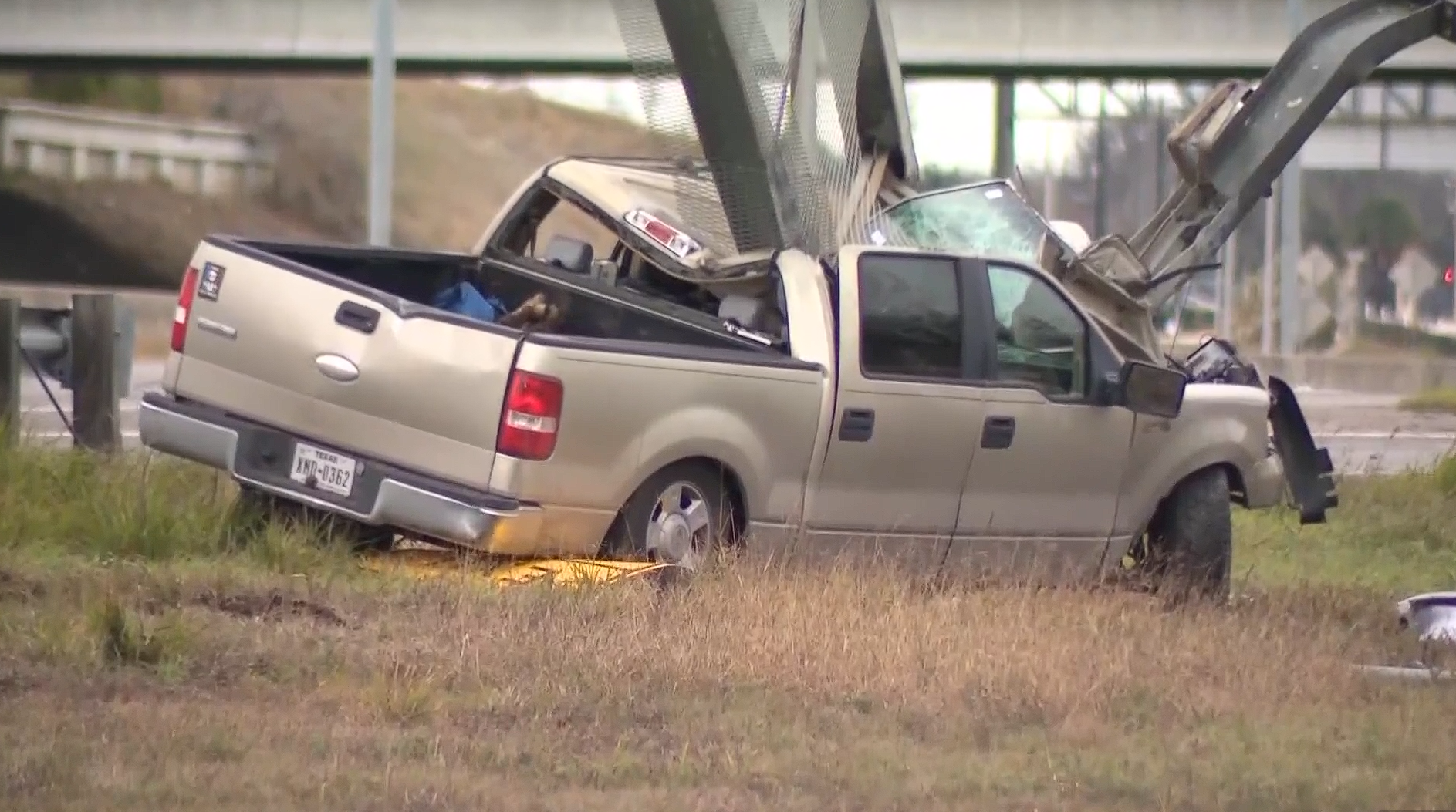
Why do so many I‑35 accidents happen around San Antonio?
If you live in San Antonio or travel regularly between San Antonio and Austin, chances are you know Interstate 35 all too well. It’s one of the most heavily traveled highways in Texas and, unfortunately, one of the most dangerous. Serious car crashes, catastrophic truck accidents, and fatal collisions happen on I‑35 with alarming frequency, particularly in the stretch…

Can damages be reduced after trial or on appeal in Texas? Answers from a San Antonio personal injury attorney
The San Antonio personal injury attorneys at Crosley Law discuss how challenges might change damages amounts awarded in a case.

What is the eggshell skull rule, and how can it help brain injury victims in Texas?
The eggshell skull rule has a strange name, but it’s a very important rule in personal injury law that protects injured people. This rule—also sometimes known as the “thin skull rule”—says: If someone causes an accident, they are responsible for all the harm they cause, even if the injured person was especially fragile or vulnerable to injury. The rule gets its name from an imaginary…

Can old head injury symptoms persist years later?
Maybe it was a car accident, or you slipped and fell. Regardless of how it happened, you suffered a traumatic brain injury (TBI) a long time ago. Now, you’re feeling head injury symptoms years later. Either they’re new or have been there the whole time. Is it really possible that the old injury is responsible? It’s definitely possible, and if you’re struggling with the effects of an old head…

“Hands at 10 and 2” and other driving myths that could get you hurt
If you learned to drive before 2012, chances are good that you were taught to keep your hands at the 10 and 2 positions on the steering wheel. For years, it was the gold standard in driving instruction. But much like other outdated driving advice, that technique may do more harm than good today. Our…