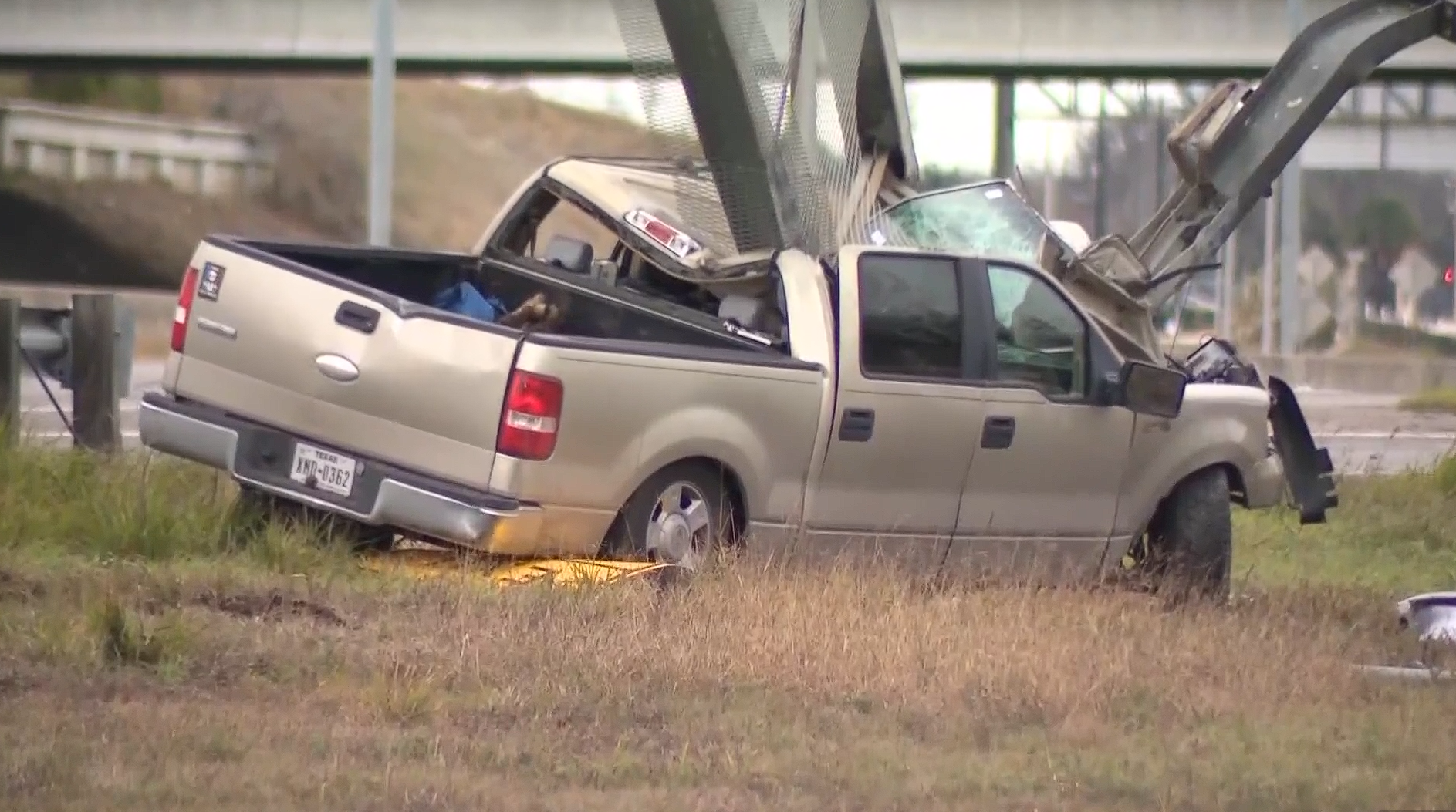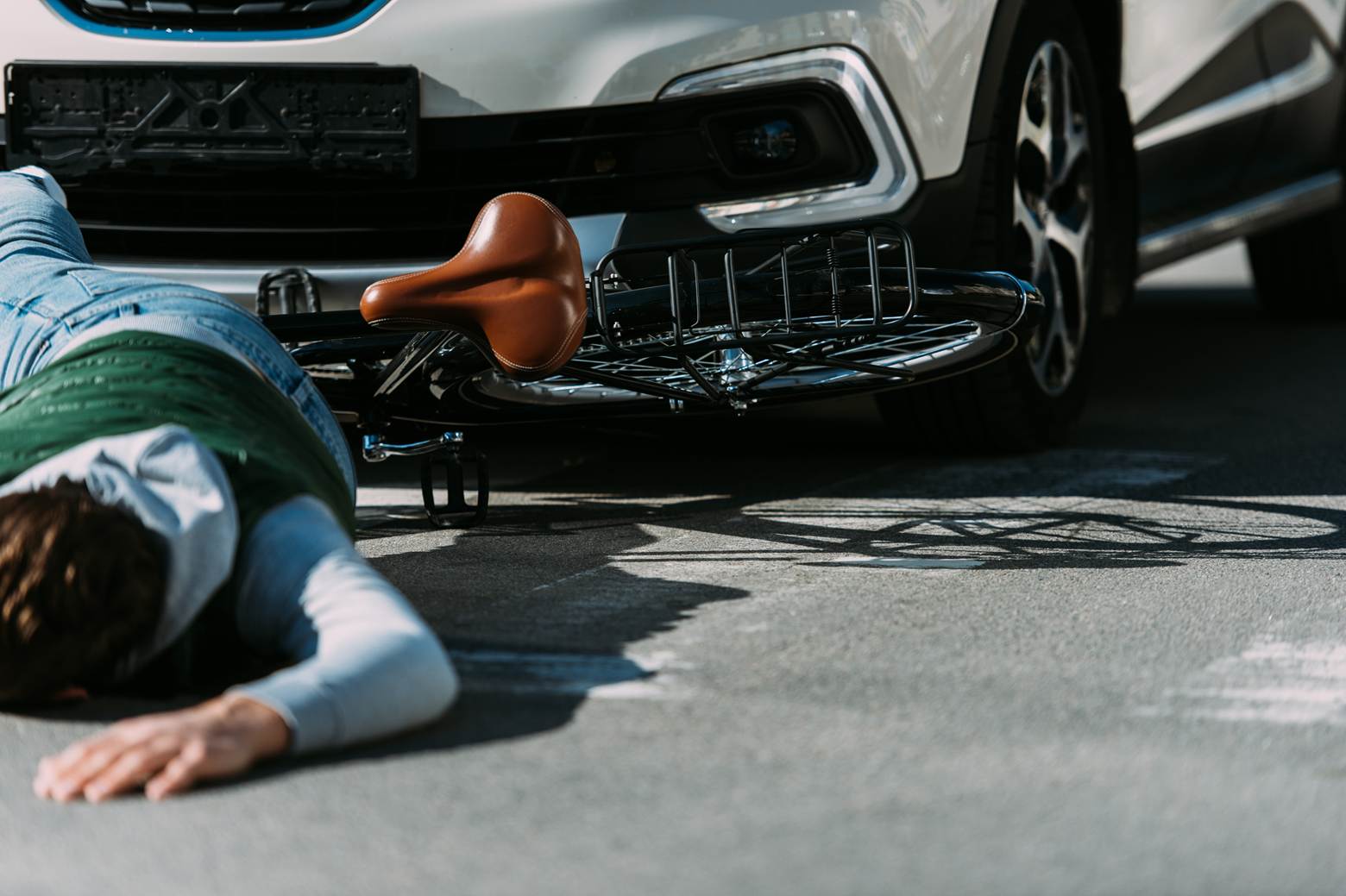



If you or a loved one has been injured by a drunk driver in Texas, you probably have many questions. At Crosley Law, we want to help. Our Texas car accident lawyers have represented drunk driving victims for decades, helping them navigate complex claims and get the compensation they deserve.
In this article, we outline the essentials everyone needs to know after a Texas drunk driving accident. We’ll go over the basics of Texas drunk driving laws, describe the difference between a criminal and civil action, and provide you with specific and actionable advice on how to maximize your chance at fair compensation.
Texas’ drunk driving laws: the fundamentals
In Texas, anyone 21 or older with a blood-alcohol concentration (BAC) above 0.08 is always considered legally drunk, regardless of whether they have any obvious symptoms.
However, 0.08 is not a magic number that separates drunkenness from sobriety. In fact, studies have shown that alcohol begins affecting judgment, response time, depth perception, and other skills essential for safe driving long before reaching 0.08 in most people.
There are also many circumstances where drunk drivers can face legal consequences even if they are under the “legal limit.” For example:
- Drivers showing signs of drunkenness: If a driver shows any signs of impairment (e.g., swerving all over the road, failing a field sobriety test) they could be charged with driving while intoxicated (DWI) even if their BAC is below the legal limit or was never tested.
- Drivers under the age of 21: Texas has a zero-tolerance rule. If a driver under the legal drinking age has any detectable alcohol in their system, they can be charged with DWI.
- Commercial vehicle drivers: Truck drivers are held to a higher standard and are considered legally intoxicated with a BAC above 0.04.
Texas also has an open container law. You cannot have open containers of alcohol in your vehicle, even if your motor vehicle is parked or stopped.
Anyone charged with DWI may face criminal penalties, including jail time and fines. Penalties may be increased for repeat offenders, if there are children in the vehicle, if there is an open container in the vehicle, or if their BAC is above 0.15.
RELATED: How to Prove Buzzed Driving in Texas

Injury victims must file a personal injury claim to obtain compensation
If you’ve been injured by an intoxicated driver, there’s a good chance that they’ve already been arrested and may be facing criminal charges or other penalties. It’s critical to understand that this is a criminal case—not a personal injury case.
What’s the difference?
The purpose of a criminal case is to punish wrongdoing and protect public safety. The State of Texas will handle the criminal prosecution and will likely ask you to cooperate. However, even if the driver is convicted of a crime, the injury victim will not receive any money.
To seek compensation for your medical bills, lost wages, and other losses, you’ll need to file a personal injury claim. This will be a matter for the Texas civil justice system rather than the criminal justice system. A drunk driving accident lawyer can help you file claims with the correct insurance companies, negotiate a settlement, and (if necessary) present your case to a jury.
Injury victims can still win personal injury cases even if a drunk driver isn’t criminally charged (or is acquitted)
The criminal justice system and civil justice system are entirely separate institutions, and they apply different standards when it comes to the burden of proof.
While criminal prosecutors must prove their case “beyond a reasonable doubt,” personal injury claimants only need to show that an at-fault driver was most likely acting recklessly or negligently—or in other words, more than a 50-50 probability. In fact, it’s possible to file a civil lawsuit even if the prosecutor decided not to press charges against the drunk driver.
Either way, there is no reason to wait until the criminal case is closed before you talk to a personal injury attorney. We urge you to speak with an experienced San Antonio drunk driving injury lawyer as soon as possible. In Texas, you only have two years to file a personal injury lawsuit. Critical evidence might be lost or destroyed much sooner than that.
RELATED: Hit by a Drunk Driver? You May Be Able to Get Punitive Damages

4 Things you must do to protect your drunk driving injury claim
After a drunk driving crash, it’s important to act quickly and decisively. Prompt action could save lives and ensure that the at-fault driver is held accountable.
Take the following steps after a wreck with an impaired driver.
1. Call 911 and cooperate with the authorities
Immediately after the collision, call 911 and request assistance. If you already suspect that the driver is intoxicated, report your concerns to the emergency operator. If possible, provide details. For example, if the driver approached you and smelled heavily of alcohol, or if you saw them disposing of bottles or cans, report what you observed to both the operator and the police officers.
This information can help the authorities recognize a potential drunk driver, and your concerns should be noted in the police report. Later, this documentation may serve as powerful evidence in a personal injury claim.
2. Preserve your evidence
In addition to cooperating with law enforcement, you can (and should) actively preserve evidence. If possible, take pictures or videos of the crash scene, your injuries, and the vehicles involved. These images might help accident reconstructionists and other experts explain the causes and severity of the crash.
Electronic data can help your case, too. For example, many commercial vehicles have onboard systems that track the vehicle’s every move. These systems may even record what’s going on inside and outside the vehicle. Nearby businesses might also have surveillance footage of the crash. If you wait too long, however, this information could get lost or destroyed. You’ll want your lawyer to start their investigation as soon as possible.
3. Get medical treatment for your injuries
Immediately after a serious car crash, you might not fully understand the severity of your injuries. Your body will be pumped full of endorphins, the “fight or flight” chemicals that help us function under stressful circumstances. Unfortunately, these chemicals can also mask injuries. And some conditions, like herniated discs and concussions, can take time to develop.
Seeking medical treatment as soon as possible is critical. The sooner you see a doctor, the faster your medical team will identify these developing injuries.
On top of that, if you do choose to pursue legal action, you’ll need medical records. These records provide fact-based information about the severity of your injuries, help us understand your likelihood of a full recovery, and document your treatment. It’s tough to win a personal injury claim without strong medical evidence. And if you delay treatment, it’s harder to prove that your injuries are truly severe and were caused by the crash.
4. Contact a personal injury lawyer as soon as possible
If you survived a drunk driving crash, you’ll want to spend your time focusing on your recovery, not your legal claims. And if you lost your loved one due to a drunk driver’s recklessness, litigation is the last thing on your mind.
That’s why many families turn to the experienced legal team at Crosley Law. We’ve developed a national reputation for detailed investigations, cutting-edge legal tactics, and a track record of results.
An experienced car accident attorney will help protect you from the tricks that the drunk driver’s insurance company will use to cheat you out of a fair settlement. By hiring an attorney early in the process, you can avoid lowball settlement offers, get an accurate calculation of your damages, and receive the right medical care the first time.
When you work with our law firm, we’ll handle most of the details of your case, giving you the time and space you need to recover from your injuries and emotional distress. But we’ll keep you informed along every step of the way and educate you about your options while explaining Texas’ negligence laws and providing the emotional support you need.
Drunk driving injury settlements: what’s your case worth?
In theory, drunk driving accidents work the same way as any other type of car accident case. When someone else causes a crash through negligence or recklessness and you get hurt, you can take them to civil court to recover your damages: medical bills for injuries sustained, lost wages, physical pain and suffering, emotional trauma, and more.
There’s no such thing as an “average” drunk driving accident settlement, since the circumstances of each case are unique. However, for several reasons, victims of drunk driving accidents are sometimes able to obtain greater compensation than other kinds of car crash victims with similar injuries. We recently published a detailed blog post on this topic, so click here if you want the full details. But to summarize:
- Potential for punitive damages. Unlike other forms of damages, punitive damages aren’t designed to compensate you for your losses. Instead, they aim to punish a wrongdoer for gross negligence or intentional malice and deter others from behaving similarly. These damages are rarely awarded, but reckless drunk driving can meet the standard.
- Juries don’t like drunk drivers. Even if punitive damages aren’t awarded, juries still tend to award higher damages (for example, greater pain and suffering) when the at-fault party engaged in “aggravating” behavior. Drunk drivers are rarely sympathetic, and juries can return huge verdicts when these cases go to trial. Insurance companies know this and factor it into their own calculations about how much they’re willing to offer to settle a case.
- Possibility of additional sources of insurance coverage. Under Texas law, establishments that serve alcohol (“dram shops”) cannot serve drinks to customers who seem dangerously intoxicated or cannot produce proper identification. If the drunk driver was overserved at a dram shop before getting behind the wheel, you might have a civil claim against them, too. This increases the “pool” of available insurance coverage available to pay for your damages and can be extremely helpful if the at-fault driver was only carrying minimum insurance.
The best way to figure out how much your case might be worth is to contact an experienced car accident lawyer as soon as possible.
RELATED POST: What is an average settlement for a Texas drunk driving accident? | Crosley Law

Car Crash? Call Crosley
If a drunk driver injured you or someone you love, the injury attorneys at Crosley Law can help. Our team has a reputation for cutting-edge legal tactics and a compassionate, client-centered approach to drunk driving claims. We work hard to protect you from unfair offers, hold the at-fault driver accountable, and work hard to get you the best possible settlement to cover your medical expenses and pain and suffering.
To schedule your free consultation, you can reach us at 210-LAW-3000 | 210-529-3000 or fill out our contact form.
The content provided here is for informational purposes only and should not be construed as legal advice on any subject.