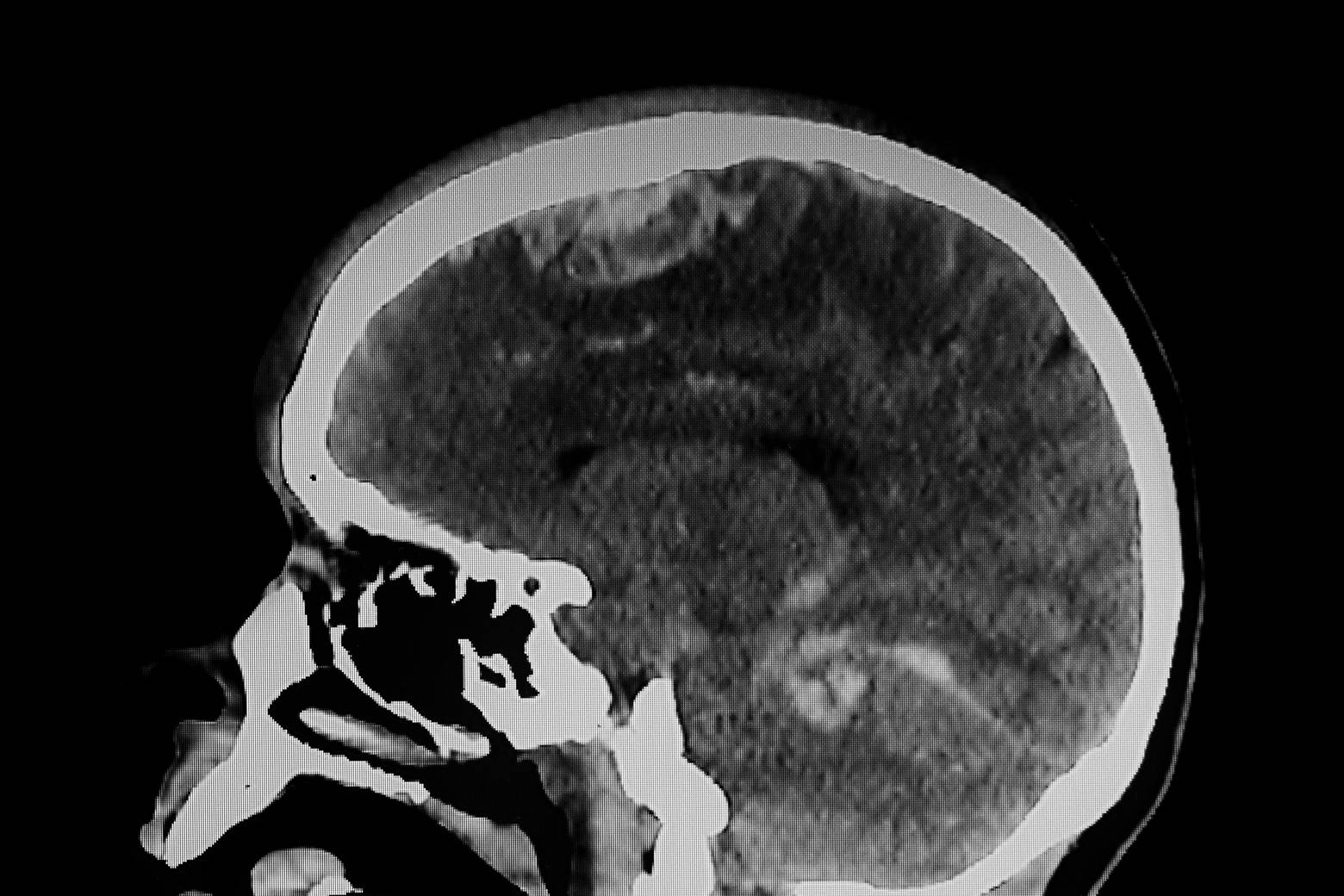



If you or someone you love has suffered a traumatic brain injury (TBI), you may already know how frustrating it can be to get people to believe just how serious the injury really is. It can be doubly frustrating trying to prove your TBI to an insurance company whose bottom line depends on dismissing your claim.
Unlike a broken bone or a visible scar, brain injuries are often invisible. The symptoms can be subtle at first. And even when they’re life-changing, they can be hard to prove. That’s why having a neurologist on your side can make such a big difference.
At Crosley Law, our traumatic brain injury lawyer works with skilled neurologists to show the full impact of a brain injury. A neurologist’s medical knowledge and credibility are often the key to helping juries and insurance adjusters understand what you’re going through and why fair compensation is so important.
Let’s take a closer look at what neurologists do in TBI cases and why their expert opinions carry so much weight in the courtroom. And if you need to talk with one of our attorneys, please call our office at (210) 529 3000 or fill out our online contact form.
What is a neurologist and why do they matter?
A neurologist is a medical doctor who specializes in diagnosing and treating conditions related to the brain, spinal cord, and nervous system. That includes TBIs, whether they are mild or severe.
Unlike emergency room doctors or general physicians, neurologists are trained to recognize even subtle signs of brain damage. They understand how the brain works, how different injuries affect different parts of the brain, and what that means for the person’s behavior, memory, mood, and long-term health.
In a legal case involving a TBI, a neurologist’s role is to:
- Identify the injury and confirm it’s related to the accident
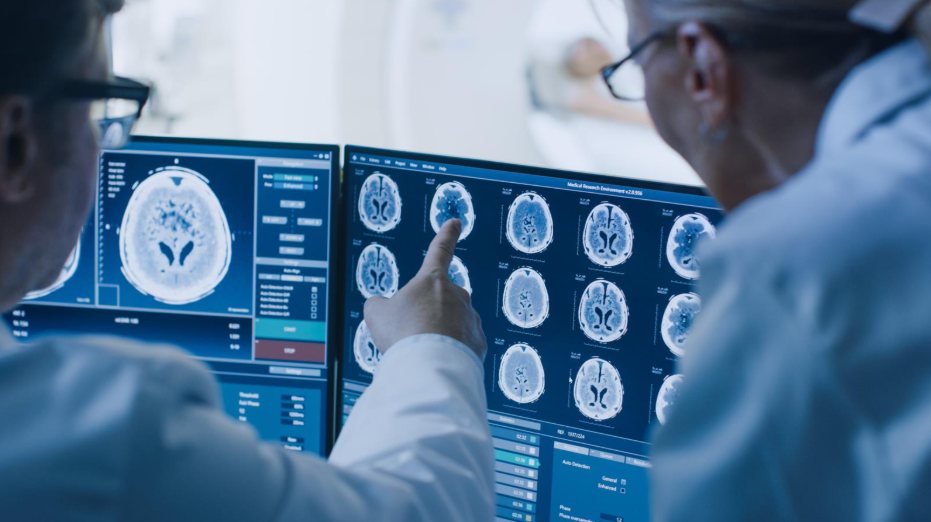
- Use testing and medical imaging to prove the injury exists
- Explain the injury’s impact on your daily life and ability to work
- Outline the medical care and support you’ll need in the future
In short, neurologists help take something that’s often invisible to others – even other medical professionals – and make it clear, understandable, and real for a jury or insurance company.
Proving a TBI through careful medical evaluation
When someone comes to Crosley Law after a car crash or other serious accident, they may already be experiencing signs of a TBI. These symptoms can include memory loss, headaches, confusion, mood swings, or problems with balance.
But these symptoms don’t always show up on basic exams or in certain imaging tests. That’s where the neurologist steps in.
EBOOK:4 Signs You May Have an Undiagnosed Traumatic Brain Injury
Using medical imaging to show what’s really happening
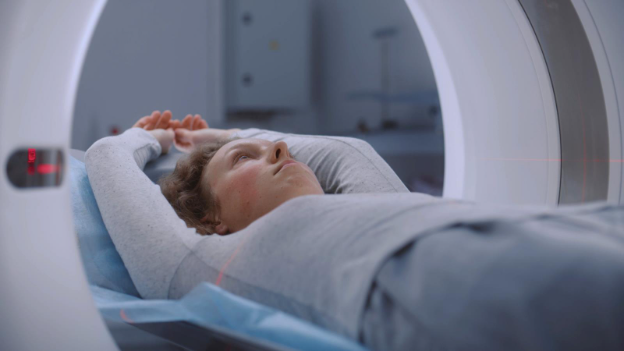
Sometimes, brain injuries don’t show up on traditional MRI or CT scans. That doesn’t mean the injury isn’t real. It just means we need more advanced tools.
Neurologists often rely on tests like:
- Diffusion Tensor Imaging (DTI): A type of MRI that shows how signals travel through white matter in the brain
- NeuroQuant: Software that measures and compares brain volume to detect shrinkage or damage.
If a regular MRI comes back looking “normal,” further testing ordered by a neurologist may still find clear signs of brain tissue damage and volume loss. These deeper findings can serve as proof that an injury is real and serious.
Further making the invisible visible with neurocognitive testing
One of the most powerful tools neurologists use is neurocognitive testing. These are scientifically designed tests that evaluate how your brain is functioning in areas like:
- Memory
- Attention span
- Decision making
- Processing speed
- Visual and spatial reasoning
Because these tests are standardized and widely accepted in the medical community, they hold a lot of weight in court. They give juries something concrete to rely on, rather than just someone’s word.
RELATED:Why brain injuries are overlooked – and how a brain injury lawyer can help
Balance and movement problems can also show a TBI
Brain injuries don’t just affect thinking. They can affect physical coordination, too.
A neurologist may perform vestibular testing. This form of evaluation looks at balance, stability, and inner ear function. Symptoms such as abnormal eye movements and difficulty walking in a straight line can be clear signs that a brain injury is affecting balance and coordination.
These types of symptoms can’t be faked. They can provide even more evidence to help convince a jury that a TBI is not only real but has a serious impact on a victim’s quality of life.
Ruling out other causes
One of the most important things a neurologist does in a TBI case is rule out other possible explanations for the symptoms. This is called a differential diagnosis.
The neurologist looks at whether the symptoms could be caused by something else like aging, mental health issues, or medication side effects. This is important because the insurance company will likely try to pin the cause of TBI symptoms on anything they don’t have to pay for. Reviewing these other potential causes and being able to explain why they may be unlikely can be very helpful to a TBI case.
The defense might try to claim a victim’s symptoms were due to stress or anxiety and not direct injury. A neurologist can review medical history, medications, and life circumstances to determine whether such claims from the defense have any standing.
Explaining the long-term impact and cost of care
Brain injuries often require lifelong care. A victim may need:
- Physical therapy
- Mental health counseling
- Medication
- Help with daily tasks
- Job retraining
- Long-term medical monitoring
In our brain injury cases, we often consult with neurologists and life care planning experts to determine what kind of future care our clients may need and how much it would cost.
It’s not about being greedy. It’s about making sure our clients can afford the care they need to live with dignity and comfort.
Responding to the defense’s doubts
It’s not uncommon for the other side to argue that a brain injury victim is exaggerating or “faking” symptoms. In fact, some insurance companies hire their own doctors to say just that.
But a good neurologist and a good traumatic brain injury lawyer know how to counter these arguments.
A neurologist can explicitly verify that a client’s symptoms are consistent, medically documented, and absolutely not made up. That kind of testimony is hard to ignore or counter.
Why a neurologist can make all the difference
Brain injury cases are among the most complex in personal injury law. The symptoms can be hard to explain, and the injuries are often invisible to the naked eye. But with the right neurologist we can bridge that gap.
Neurologists help us show the jury that a client’s suffering is real, serious, and deserves fair compensation. They translate complex science into plain language that jurors can understand. And they provide clear, objective evidence that insurance companies and defense attorneys can’t easily dismiss.
At Crosley Law, we’ve worked with some of the best neurologists in the country. And as a traumatic brain injury lawyer who stays on the cutting edge of strategies and medical technology, we know how to build a strong case around their findings.
RELATED:Revisiting my Trial Lawyer Nation interview: strategies for TBI lawyers
If you’re struggling after a brain injury, we’re here to help
If you or someone you love has suffered a traumatic brain injury after a car crash, fall, or other accident, don’t wait to get the legal help you need.
At Crosley Law, we’ll connect you with top medical experts, document your injury, and fight to make sure your story is heard. We will not only help you with insurance company negotiations and at court, if necessary. We’ll also help you receive the care and support you deserve.
Call us today at (210) 529 3000 or fill out our online contact form for a free consultation. You focus on healing. We’ll focus on getting justice.
The content provided here is for informational purposes only and should not be construed as legal advice on any subject.