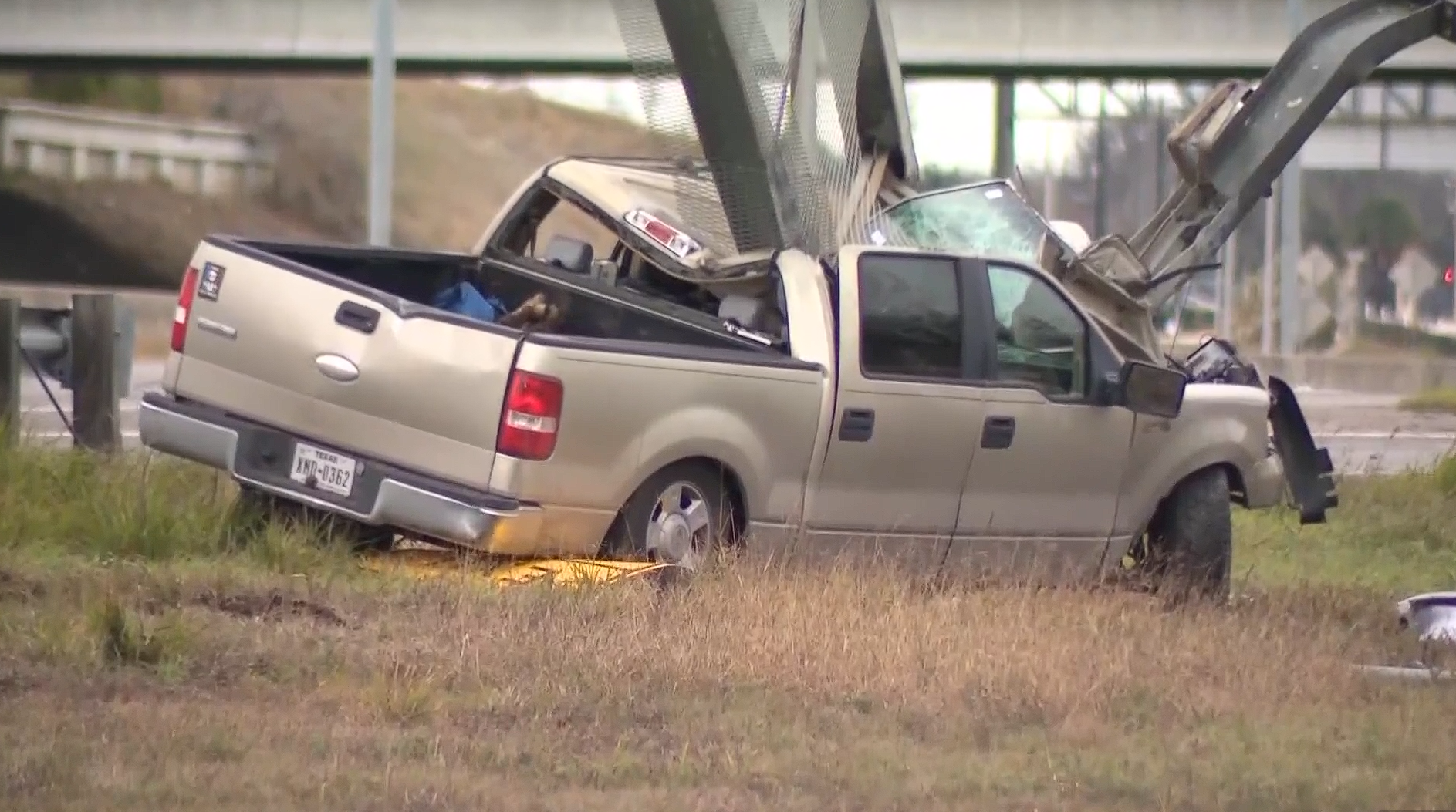



When we meet with car accident victims, “How much is my car accident case worth?” (or something similar) is almost always one of the first questions they ask.
That depends.
In the past, we’ve written several times about the five main factors that drive settlement amounts. That is a great place to begin if you’d like to learn more about the topic.
That said, you must also understand that the decisions you make—often as early as the first few hours or days after a car accident—can influence how much (or how little) you end up receiving from your car accident claim. Far too many times, we’ve seen accident victims make a simple mistake early in the process that jeopardized their entire personal injury claim.
We want to help you avoid that kind of catastrophe and make good choices that result in a more favorable settlement offer. In this blog, we’ll take a closer look at some of the most important steps you can take to maximize your car accident compensation and get every penny you deserve.
7 Tips to get the most money from your settlement

1. Seek medical attention as soon as possible
In most car accident claims, the No. 1 factor driving the size of the settlement is the amount of medical expenses attributable to the accident.
The problem? Insurance companies are notorious for disputing medical bills. They may argue that your treatment wasn’t necessary or your specific injuries could not have possibly been caused by your car accident. They might even try to blame symptoms on a pre-existing condition.
In order to stop the insurance company from getting away with these kinds of tactics, you need to back up your injury claim with solid medical records. It begins with seeking medical treatment as soon as possible after a wreck, even if your symptoms seem minor at first. The sooner you see a doctor, the easier it is to prove that your injuries are crash-related and the harder it is for the insurance company to claim that you’re exaggerating your symptoms.
2. Hire an experienced car accident lawyer as soon as possible
The second huge factor driving settlement claims is liability. Is it crystal clear, without any reasonable doubt, that the other driver was 100% responsible for the crash and you did nothing wrong? Or are things a little murky?
Cases with clear liability tend to get higher settlement offers, so your next step after getting whatever emergency medical care you require should be scheduling a free consultation with a good personal injury lawyer.
You really, really don’t want to wait long, for several important reasons. Here are just a few:
- Evidence that may prove your case can disappear very soon after a motor vehicle accident. An attorney can collect and review evidence at the accident scene, obtain any data event recorders and dashboard camera footage that might exist, examine damaged vehicles and parts, follow up with eyewitnesses, and take other necessary steps to collect and preserve critical evidence.
- Insurance companies often take advantage of unrepresented car accident victims. For example, they may ask you to give a recorded statement or unrestricted access to your past medical records. While these requests might sound reasonable to you, the insurance adjusters are really digging for reasons to deny your claim. Having an experienced personal injury lawyer handle the communications and negotiations on your behalf protects you from making accidental mistakes or misstatements that can ruin your claim.
- An experienced attorney will thoroughly investigate the case to determine if any other parties (aside from the other driver) share any responsibility for the crash, such as an equipment manufacturer, employer, or bar. They will also find out if you have any additional insurance coverage, such as an underinsured motorist policy, that would apply. The more coverage you have available, the bigger the potential “pot” you can draw from to pay your claim. This can be critically important if you’ve been seriously injured and the other driver’s insurance company is only providing the minimum amount of liability coverage.

3. Follow-up regularly with your medical team
While you’re recovering from your injuries, it’s critically important to check in regularly with your medical team (even if there hasn’t been much change in your condition) and faithfully follow any treatment plan you are given.
Again, this is about making sure you have everything documented in your medical records. Say you suffer from constant headaches, see the doctor once or twice, then stop going to appointments even though you still have headaches. If the insurance company sees that you stopped checking in with your doctor, they will presume that your situation has improved. They will not “take your word for it” that you’re still suffering if it’s not in the medical record.
Regular follow-up is also important due to the way non-economic damages are typically calculated in an auto accident claim. For damages with an obvious “price tag,” like medical bills and lost wages, your settlement should simply reimburse you for what your injuries cost. But non-economic damages—like physical pain and suffering, emotional trauma, loss of quality of life, etc.—are also an important part of the compensation equation and often calculated as a multiple (between 1 and 5) of the economic damages.
By not following up with your doctor and sticking with your treatment plan, you’re not just denying yourself the medical care you need to get better. You also make it easier for the insurance company to offer you less in compensation for the very real pain, suffering, and mental anguish you’re going through.
4. Keep detailed records
Thorough documentation is the key to winning (or losing) personal injury claims. In addition to everything we’ve talked about regarding medical treatment and records:
- Document all your accident-related costs. This includes medical bills, medications, car repairs, other property damage, lost income, cost of home care services during your recovery, and even transportation costs to get to and from appointments. Keep track of anything you pay out of pocket that you wouldn’t have needed to pay for if you hadn’t been injured.
- Document all the ways that your injuries have impacted your daily life. For example, you might consider keeping a daily journal where you write about your symptoms, frustrations, and things you weren’t able to do. You could also take videos showing how your injuries have affected your ability to accomplish daily tasks. Your lawyer can help you gather statements from co-workers, family members, and friends who can talk about what you were like both before and after the crash.

5. Always tell the truth
Never, ever lie to your personal injury attorney, the insurance adjuster, the other driver’s attorney, or anyone else involved in your case. If you lose your credibility, it’s almost impossible to get it back.
Even if the accident truly wasn’t your fault, exaggerating or lying about what happened will only hurt you. The defense will almost certainly find out. They will offer less (if they offer to settle at all), and if your case goes to trial the jury will be less sympathetic to you.
You should also remember the following when you’re talking with the insurance company:
- Don’t guess the facts. It’s far better to say “I’m not sure” or “I don’t remember” than to make a guess and have it turn out to be wrong.
- Don’t admit fault or even speculate about who was at fault. Just stick to the facts. It’s up to the insurance company (or, if necessary, the court) to determine who is responsible.
- Don’t give a recorded statement, for the reasons listed above.
- Don’t offer additional information. Only answer the specific question you’ve been asked.
In your discussions with your own lawyer, be completely honest and transparent. Our job is to present your case in the best possible light. Most cases have “bad facts” that can complicate a personal injury claim—for example, pre-existing injuries. In almost every case, the other side will find out about them sooner or later. Rather than deny or ignore them, your car accident attorney can help you put them in context and explain to the insurance company (or jury) why you still deserve fair compensation.
6. Don’t take the first settlement offer
This might not be a hard and fast rule, but in general, the initial settlement offer from the insurance company will probably be a lowball.
Their goal is to settle the case as cheaply as they can, not to make sure you get as much money as you truly deserve. Their first offer is a starting point for negotiations and generally represents the lowest amount they think you might take, rather than what your case is truly worth.
They also know that, after a crash, you may be tired, stressed out, and tight on finances. It might seem tempting to just take what’s being offered and “be done with it.”
However, you do not have to take any offer you feel is unfair. In fact, you shouldn’t take an unfair offer. Once you settle, there’s no way to go back and negotiate for more later. While it may take longer and require a lawsuit to maximize your compensation, this is almost always a better outcome than accepting a bad deal that won’t fully provide for your future expenses.

7. Buy good uninsured and underinsured motorist (UM/UIM) coverage beforehand
If you get seriously hurt in a car wreck that wasn’t your fault, would you be happy walking away with little or no compensation because the other driver didn’t buy enough insurance? Who do you want deciding the minimum amount of money actually available to pay your claim? The other driver? Or you?
Here’s an unfortunately common scenario:
A person gets seriously injured in a crash that wasn’t their fault. There’s no question that the other driver was at fault. However, that driver is only carrying Texas’ legal minimum amount of liability insurance coverage and has no personal assets that could be used to pay the injury claim. In this scenario, the absolute most the victim can get out of the at-fault driver for injury coverage is $30,000 per injured person (and no more than $60,000 total for the accident). That’s it, no matter how many people are hurt or how severe their injuries are.
Because so many Texas drivers are seriously underinsured, we strongly recommend that all drivers purchase good uninsured and underinsured motorist coverage (UM/UIM) through their own auto insurance company. This coverage kicks in when the at-fault driver’s liability coverage runs out.
Most people have a small amount of UM/UIM coverage in their auto insurance policy, unless they declined it in writing. However, we highly recommend you purchase more. If you get hurt in a crash, you may have to rely on it.
What do we mean when we say “maximum compensation”?
Personal injury lawyers are often stereotyped for being “ambulance chasers” more interested in money than the truth. That is not what we are talking about in this blog post.
The goal of any personal injury case is to determine fair compensation for someone who has been hurt physically, mentally, and financially by another person’s negligent or reckless behavior. However, the injured party and the at-fault party may have very different opinions about what “fair” means.
If you let the insurance company decide what “fair” is, chances are you’re going to walk away with far less than what you deserve. They are going to make assumptions and determinations that are favorable to their profitability, which may leave you short of what you need to cover future medical expenses and lost wages.
The insurance company is not going to build your case for you. They are not going to overturn every stone to make sure you’re getting every penny you deserve. If you want fair treatment, you need to advocate for yourself. You need to prove that what you’re asking for is reasonable, not excessive.
Car Crash? Call Crosley
Crosley Law specializes in complex car crash cases that require an outstanding level of research, involvement, and experience. We have won $1 million or more for our clients in more than 50 cases, and our average car accident case settles for about $250,000.
Want to know how much your case could be worth? Contact our team today for a free case review. Just call 210-LAW-3000 | 210-529-3000 or complete this brief form.
The content provided here is for informational purposes only and should not be construed as legal advice on any subject.