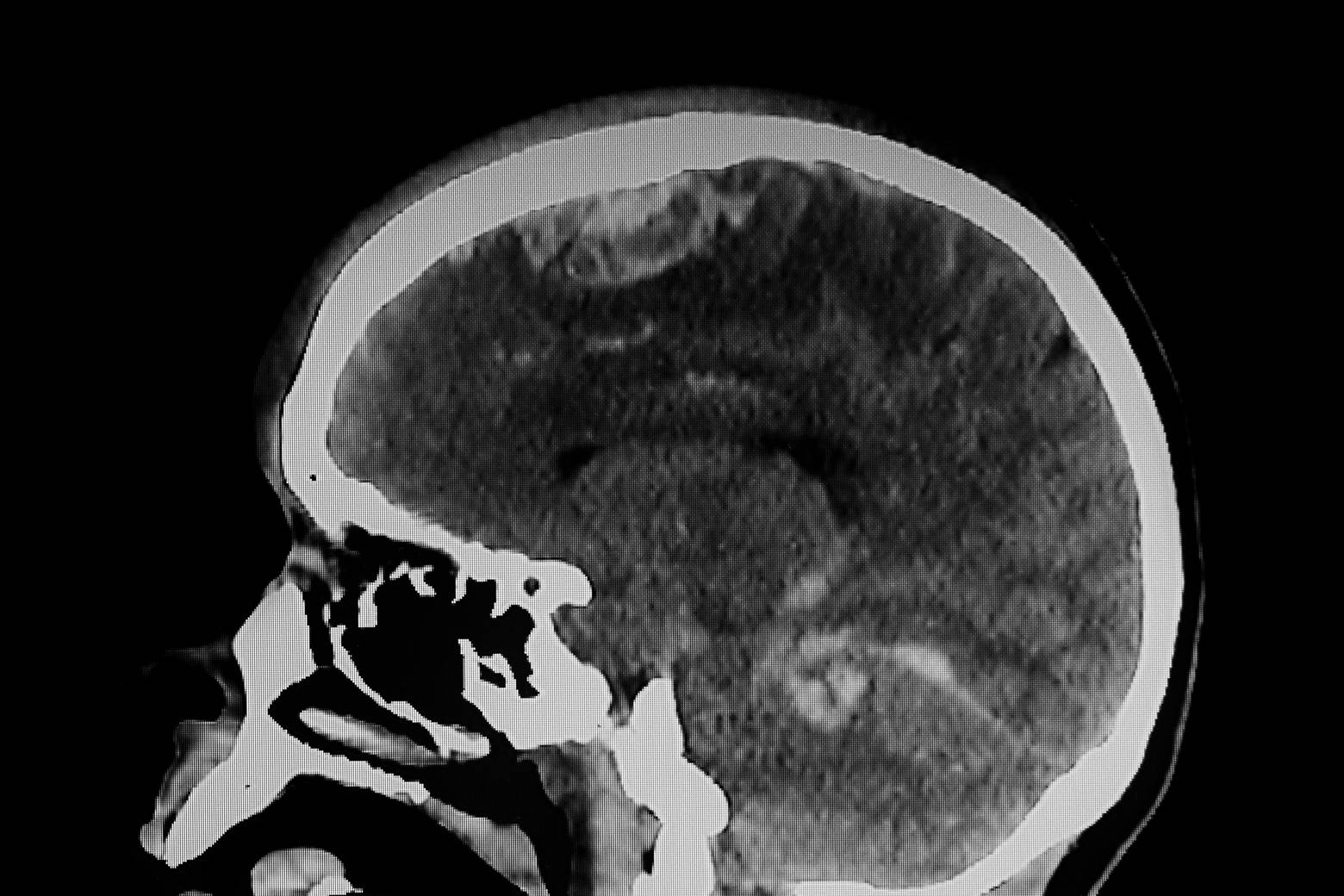



A concussion can change your life in ways you don’t expect – or even notice right away.
Every year, millions of people suffer concussions or mild traumatic brain injuries (TBIs) in car wrecks, falls, workplace incidents, and other accidents. While doctors often refer to these as “mild” brain injuries, there’s nothing mild about the way they can disrupt your health, your job, your relationships, and your peace of mind.
At Crosley Law, we’ve seen firsthand how confusing and frustrating these injuries can be. This is especially true when symptoms don’t show up right away or insurance companies try to downplay what you’re going through. If you or someone you love has suffered a concussion because of someone else’s negligence, here’s what you need to know about the injury itself and how a concussion lawyer can help you explore your legal options.
What is a concussion?
A concussion is a type of brain injury that happens when your brain gets shaken inside your skull, usually from a sudden blow, jolt, or impact.
You don’t have to hit your head directly to have a concussion. The sheer forces involved in a crash can cause your brain to collide with the inside of your skull without your head ever impacting another object. In fact, many car crash victims suffer concussions without ever losing consciousness. Signs of a concussion might not even initially appear on a standard MRI or CT scan.
That’s part of what makes concussions so difficult: they’re often invisible injuries. The effects, however, are very real.
What are common causes of concussions?
You can get a concussion in many ways, but some of the most common causes include:
- Car accidents: Even low-speed collisions can jolt your head hard enough to injure your brain.
- Falls: Slipping and hitting your head on the ground or another surface can easily lead to a concussion.
- Workplace accidents: Falls from ladders, equipment malfunctions, or heavy objects striking the head can all cause brain injuries.
- Sports injuries: Contact sports like football, soccer, or boxing carry a high risk, even with protective gear.
- Physical assaults: Being punched, kicked, or hit in the head can also result in a traumatic brain injury.
If any of these situations sound familiar, and you’ve been feeling “off” since your accident, you may have a concussion. This can be true even if a medical professional did not identify your injury at the scene or shortly after.
What do concussion symptoms look like?
The tricky part about concussions is that symptoms don’t always show up right away. Some appear immediately after the accident while others take hours, days, or even weeks to develop.
Immediate symptoms of a concussion may include:
- Headache or pressure in the head
- Dizziness or balance problems
- Nausea or vomiting
- Blurred or double vision
- Sensitivity to light or noise
- Confusion or memory lapses
- Trouble concentrating
- Ringing in the ears
- Feeling dazed or foggy
- Loss of consciousness (though this is not necessary)
Delayed symptoms may include:
- Ongoing headaches that won’t go away
- Fatigue or sleeping problems
- Mood swings, irritability, or depression
- Anxiety and emotional sensitivity
- Trouble focusing or thinking clearly
- Memory problems
- Changes in appetite or personality
It’s common for people to brush off these signs, especially when they appear later. But if left untreated, even a “mild” brain injury can turn into a long-term problem.
Why do some concussion symptoms take time to appear?
Delayed concussion symptoms don’t mean your injury isn’t serious. It’s just part of how the brain responds to trauma. Here’s why some symptoms show up later:
- Brain swelling: Inflammation inside the brain can build slowly, worsening symptoms over time.
- Chemical imbalance: The impact disrupts how the brain communicates, and it can take time for that imbalance to become noticeable.
- Stress and adrenaline: After an accident, your body goes into survival mode. You may not feel the full effects of your injury until your adrenaline wears off.
- Secondary injuries: If you hit your head again soon after a concussion (even lightly), it can trigger more severe, longer-lasting symptoms—a condition known as second impact syndrome.
These are just a few reasons why you should never ignore even small changes in how you feel after an accident, even weeks later.
When should you see a doctor?
If you think you’ve had a concussion—or even if you’re just not sure—it’s important to get checked out as soon as possible.
Seek emergency care immediately if you or your loved one experiences:
- A prolonged loss of consciousness
- Repeated vomiting
- Seizures
- Worsening confusion
- Difficulty walking or speaking
- One pupil larger than the other
But even if your symptoms seem mild, early diagnosis and treatment can make a huge difference. A doctor can run cognitive and neurological tests, document your condition, and rule out more serious injuries like brain bleeding.
A medical evaluation is not only important for your ongoing health. Having a medical record on hand can also be essential evidence for any potential legal claim.
What is post-concussive syndrome?
While many people recover from a concussion in a few weeks, others experience symptoms that linger for months or even years. This condition is called persistent post-concussive syndrome (PPCS).
You may be more likely to develop PCS if:
- You’ve had prior concussions
- You had severe symptoms right after the injury
- You’re over the age of 40
- You have a history of anxiety, depression, or PTSD
- You are female (research suggests women may be more susceptible to lasting symptoms)
PPCS can make it difficult to work, maintain relationships, or simply function day to day. Recovery often requires ongoing care like physical therapy, cognitive rehabilitation, and mental health counseling.
What are your legal rights and when should you see a concussion lawyer?
If someone else’s carelessness caused your injury—such as a reckless driver, negligent property owner, or unsafe employer—you may have the right to file a personal injury claim. This claim can help you recover compensation for:
- Medical expenses: ER visits, imaging scans, doctor appointments, medications, therapy, and more.
- Lost wages: Time off work, reduced hours, or an inability to return to your job.
- Pain and suffering: The physical and emotional toll your injury has taken.
- Future treatment: Ongoing care should your symptoms persist.
Brain injury cases can be complex. Insurance companies may try to argue that your symptoms aren’t connected to the accident, especially if they appeared later. That’s why having the right legal team is critical.
How Crosley Law helps brain injury victims
At Crosley Law, we take brain injuries seriously because we’ve seen how deeply they affect our clients’ lives. We work with top medical experts, use advanced diagnostic tools, and build strong, evidence-based cases that insurance companies can’t ignore.
Whether your concussion was caused by a car crash, a slip and fall, or something else entirely, we’ll fight to make sure your story is heard and that you get the compensation you need to heal and move forward.
Here are examples of our work providing results for clients:
- A client was hit by a vehicle while crossing an intersection, hitting her head on the pavement. We fought to get proper compensation for her PPCS, winning 24 times the insurance company’s initial offer. Read more.
- A client developed PPCS (in addition to other injuries) after a pickup truck collided with his vehicle. We proved the connection between the accident and our client’s symptoms, and the insurance company settled for the maximum limit of $1 million. Read more.
- A client suffered persistent concussion symptoms after a rear-end collision that left him with cognitive and social impairments. We exposed the recklessness that led to the crash and won $900,000 for our client in trial. Read more.
Don’t wait to get legal help for a concussion case
A concussion might not seem like a big deal at first—but if left untreated or unsupported, it can have lasting consequences.
If you or a loved one has suffered a concussion due to someone else’s negligence, contact Crosley Law today for a free consultation. We’ll explain your rights, walk you through your legal options, and help you get the care and compensation you deserve.
About Crosley Law
Crosley Law is a nationally recognized personal injury law firm based in San Antonio, Texas. Led by trial attorney Tom Crosley, our team has earned a reputation for success in brain injury cases—including complex claims involving concussions and TBIs. We combine legal skill with compassion and cutting-edge medical knowledge to fight for our clients every step of the way.
The content provided here is for informational purposes only and should not be construed as legal advice on any subject.