


Back in December 2018, I had the privilege of joining Michael Cowen on Trial Lawyer Nation to discuss one of my greatest professional passions: litigating traumatic brain injury (TBI) cases.
The field of TBI litigation continues to advance, but the core principles we covered remain just as relevant to TBI lawyers today. If you’re looking to refine your approach, this episode serves as a valuable refresher on proven litigation strategies.
How it all started: my journey into TBI litigation
During the interview, I shared the case that truly opened my eyes to the complexities of TBI litigation. It involved a 46-year-old plumber who suffered a head injury in a collision but had a normal CT scan and MRI. Despite the defense’s insistence that he had no brain injury, his wife’s observations of his changed behavior pushed me to dig deeper. That case led me to a wealth of medical literature, emerging neuroimaging techniques, and an entirely new approach to proving the invisible injuries associated with TBI.
I realized that even though the traditional imaging was coming back normal, the symptoms were undeniable. The plaintiff struggled with memory loss, mood swings, and an inability to complete tasks he had easily handled before the accident. This led me to immerse myself in studies, seek out experts, and understand cutting-edge neuroimaging techniques that would allow us to objectively prove brain injuries in future cases.
This journey also made me realize a fundamental truth: TBI cases are not like other personal injury cases. They require a unique approach, blending science, storytelling, and legal strategy to effectively advocate for the injured client.
Why this conversation on TBI still matters

TBI cases are uniquely complex, requiring a combination of medical expertise, strategic storytelling, and legal precision. Since recording this podcast episode, courts have become more receptive to cutting-edge neuroimaging and jurors more informed about concussions and long-term brain damage. However, the challenges TBI lawyers have of proving these cases—and overcoming defense tactics—persist.
Whether you’re a seasoned trial lawyer or new to this area, the insights from our conversation can help you build stronger cases, maximize damages, and advocate more effectively for your clients.
RELATED: Cutting-edge tactics result in a $16M jury award
Key takeaways for personal injury lawyers
1. Leverage medical science to prove your case

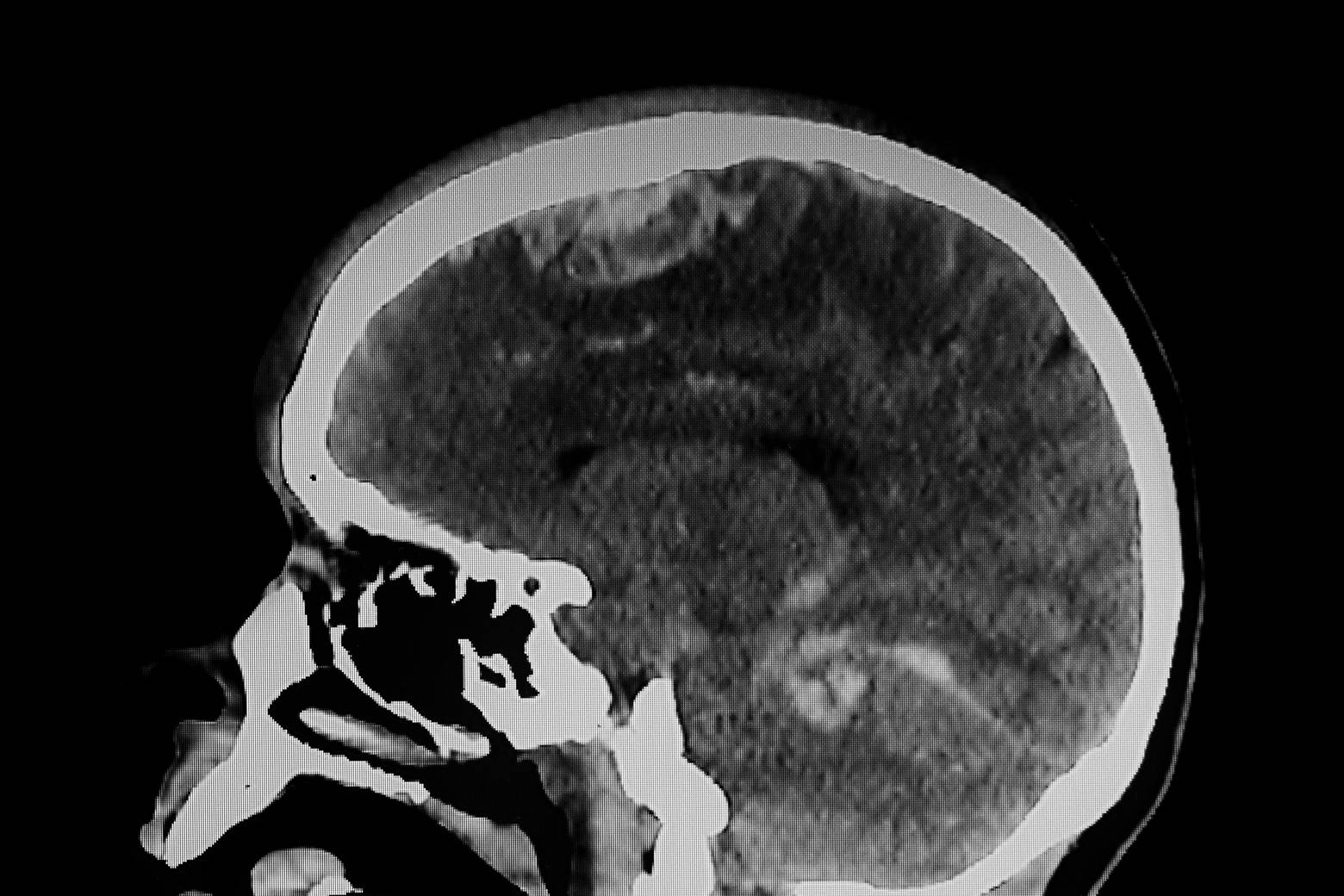
Traditional MRIs and CT scans often fail to detect the microscopic brain damage associated with TBI. In my practice, I’ve incorporated advanced neuroimaging techniques like diffusion tensor imaging (DTI) and magnetoencephalography (MEG) to provide objective proof of brain injuries. Understanding these tools, working with credible medical experts, and staying up to date on new medical studies can significantly strengthen your case against skeptical defense arguments.
2. Use before-and-after witnesses to build credibility

Scientific evidence is crucial, but juries are deeply influenced by human stories. Family members, friends, and coworkers can provide compelling testimony about cognitive and behavioral changes in a plaintiff’s life. Witnesses not only make the effects of the plaintiff’s injury more relatable to juries, but having multiple accounts also counters defense claims of malingering.
RELATED: Crosley Law wins $900K for father with concussion
3. Overcome the “invisible injury” defense

Since many TBI cases involve normal initial imaging, the defense often argues that no real injury exists. Our strategy involves leading with the strongest objective evidence to establish credibility in the science of brain injuries, then layering in powerful witness testimony and expert analysis. Proper sequencing of evidence in trial presentation is key to eliminating doubts early and establishing the full impact of the injury.
It is crucial to establish that mild TBIs are not actually “mild.” The terminology is misleading—it refers only to the initial Glasgow Coma Scale score and not to the long-term impact of the injury. Many so-called “mild” TBIs result in severe, lifelong consequences including cognitive impairment, chronic headaches, mood disorders, and increased risk of dementia.
4. The role of neuropsychological testing

Neuropsychological evaluations are sometimes dismissed as unreliable, but I believe they remain a critical piece of the puzzle when combined with neuroimaging and clinical evaluations. A thorough assessment conducted by a reputable expert can reveal subtle but significant cognitive impairments affecting work, relationships, and daily life. Anticipate defense tactics that attempt to minimize cognitive deficits and prepare to counter them with a well-structured neuropsychological report.
5. Demonstrate the long-term consequences of TBI

Recent research continues to reinforce the long-term risks associated with TBIs, including early-onset dementia and permanent cognitive decline. Establishing these potential future damages is vital for ensuring your clients receive the full compensation they deserve.
RELATED: Getting fair compensation for pain and suffering after a TBI
Becoming a stronger TBI lawyer
Since my Trial Lawyer Nation interview, my firm has continued to refine our approach to TBI cases, staying ahead of medical advancements and legal trends. If you’re handling a complex brain injury case and need insight, co-counsel opportunities, or expert referrals, I’d be happy to connect.
You can listen to the full interview here. If you would like to talk, you can reach out to me directly at [email protected] to discuss a case or explore potential collaborations.
Let’s continue fighting for clients whose injuries may be unseen but are no less real.
The content provided here is for informational purposes only and should not be construed as legal advice on any subject.