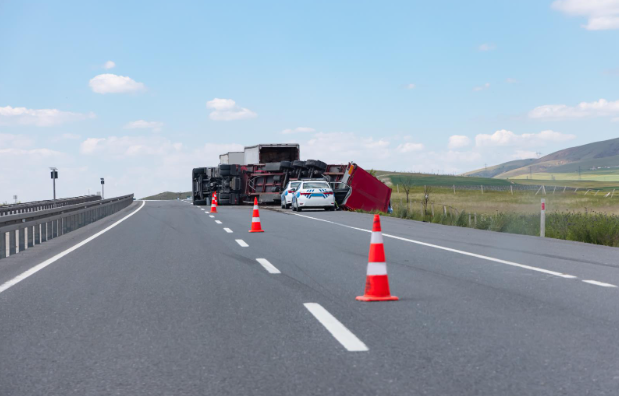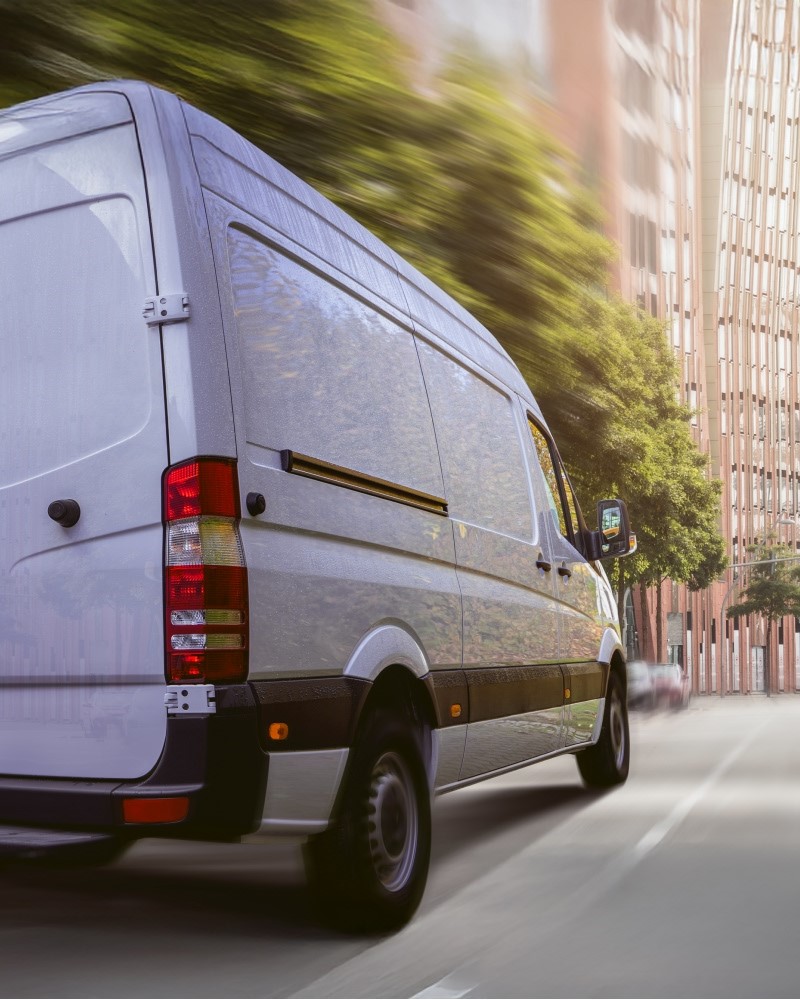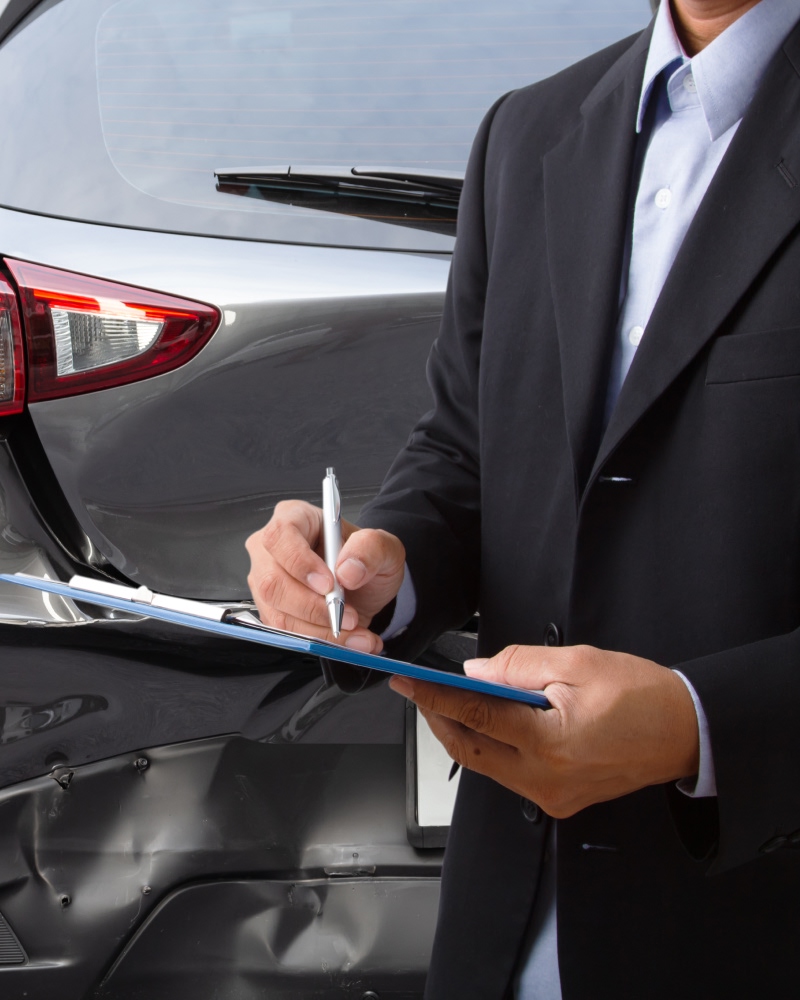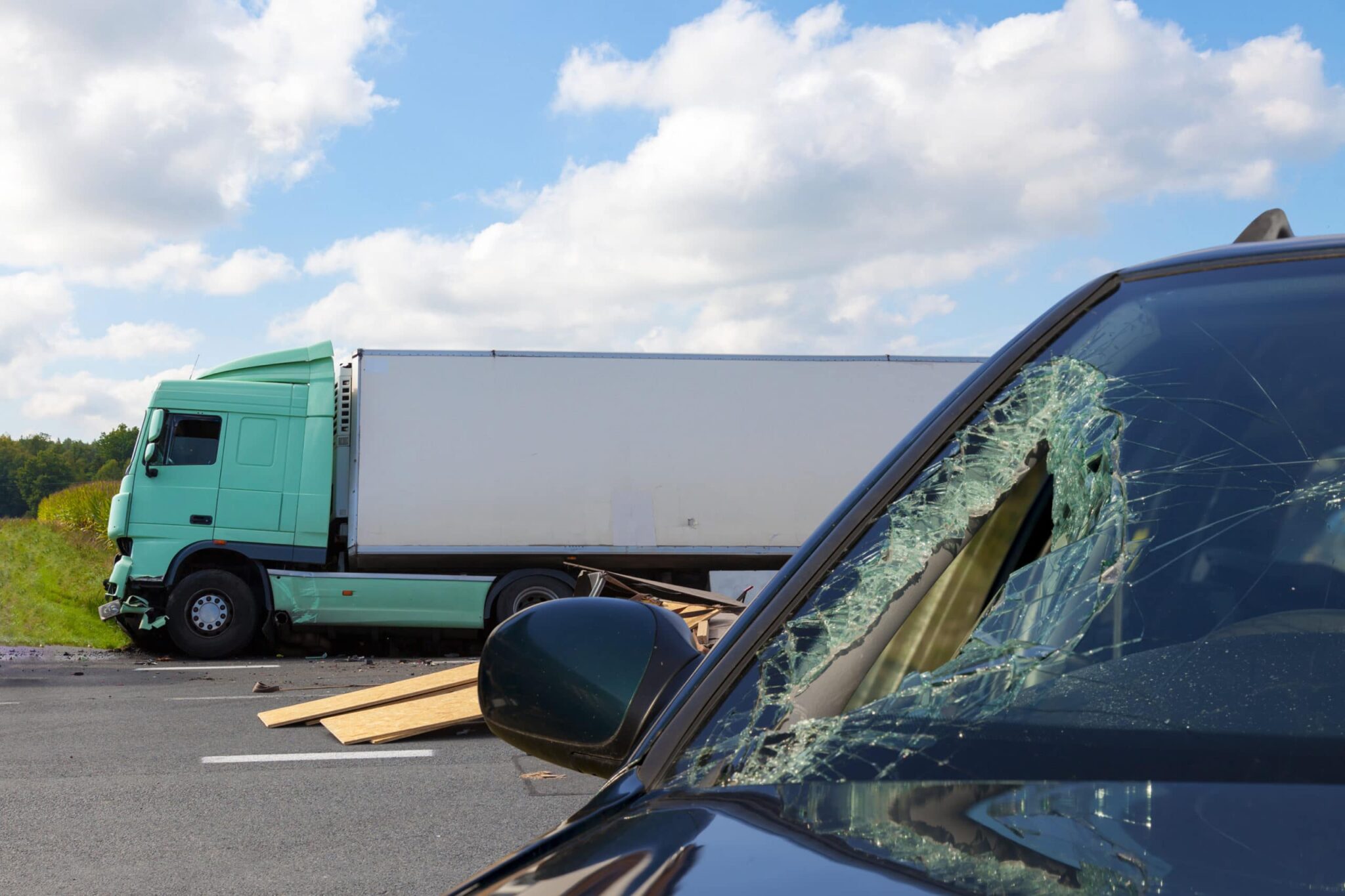



It’s a situation that’s becoming more and more common: You’re driving home, minding your own business, when suddenly a delivery truck runs a stop sign, drifts into your lane, or rear-ends your car at a red light.
Unlike a standard car accident, a delivery truck accident can be much more complex. You’re hurt. Your car is totaled. And now you’re stuck wondering how to deal with the aftermath—not just the pain, but the paperwork, the insurance games, and the financial stress.
At Crosley Law, we know how overwhelming this can be. We help people navigate complex delivery truck accident claims. We’re known for our precision, our persistence, and our compassion, and we’re here to guide you.
In this article, we’ll answer some of our clients’ most frequently asked questions: who’s responsible, how insurance works, and what to expect from the legal process.
Understanding delivery driver accidents
Delivery driver accidents are a growing concern in San Antonio, Texas, and across the United States. With the rise of e-commerce and the increasing demand for fast and efficient delivery services, the number of delivery vehicles on the road has significantly increased. Unfortunately, this has also led to a higher risk of accidents involving delivery drivers.
What is a delivery driver accident?
A delivery driver accident refers to any type of accident or collision involving a delivery vehicle, including trucks, vans, cars, and motorcycles. These accidents can occur while the delivery driver is on the road, at a delivery location, or while loading or unloading packages. Whether it’s a minor fender-bender or a serious collision, these incidents can have significant consequences for all parties involved.
Types of delivery vehicles commonly involved in accidents
Delivery driver accidents can involve a variety of vehicles, each presenting unique risks and challenges. These include:
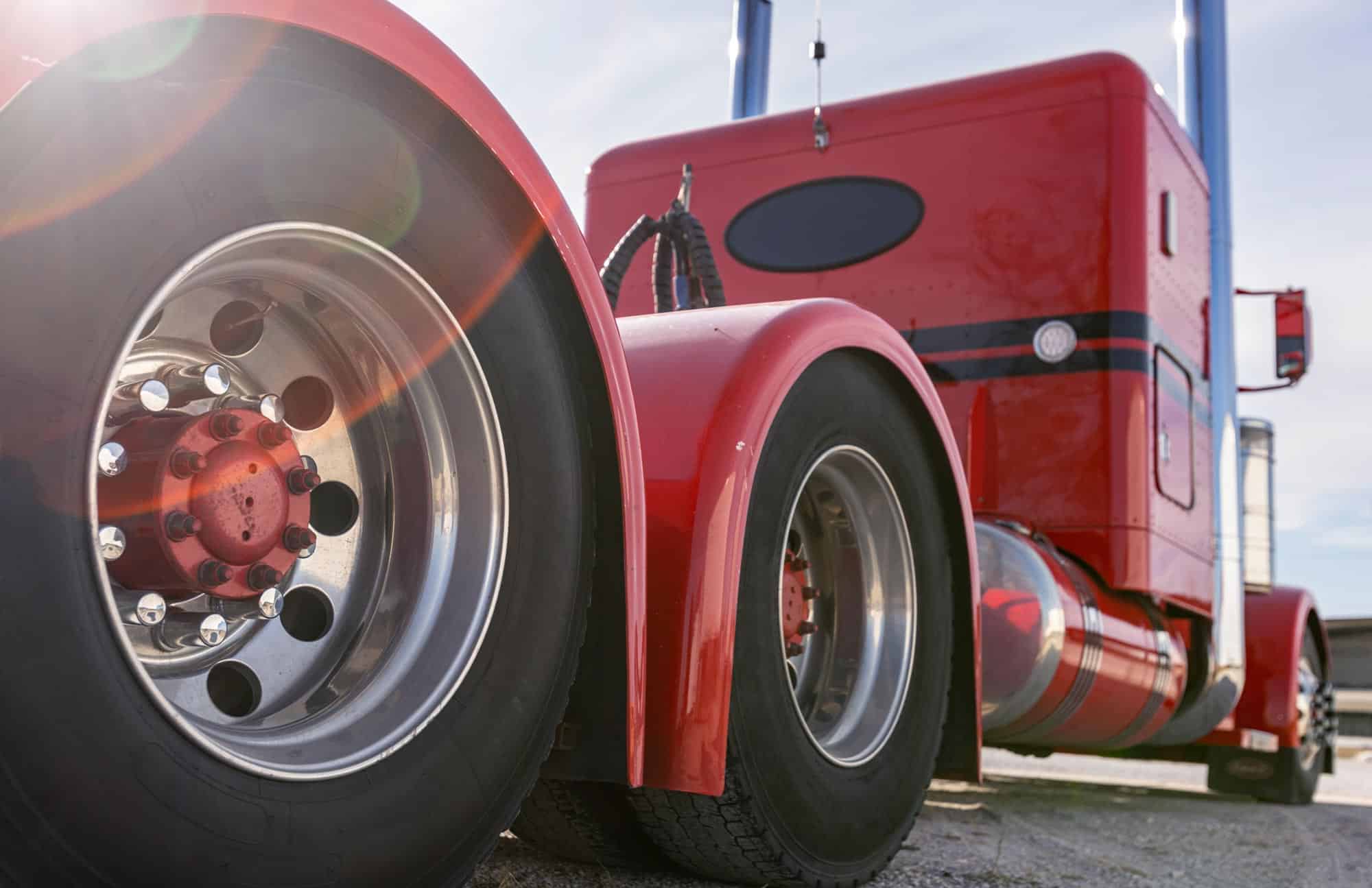
- Semi-trucks and tractor-trailers: Often used for long-haul deliveries, these large vehicles can cause severe damage in an accident.
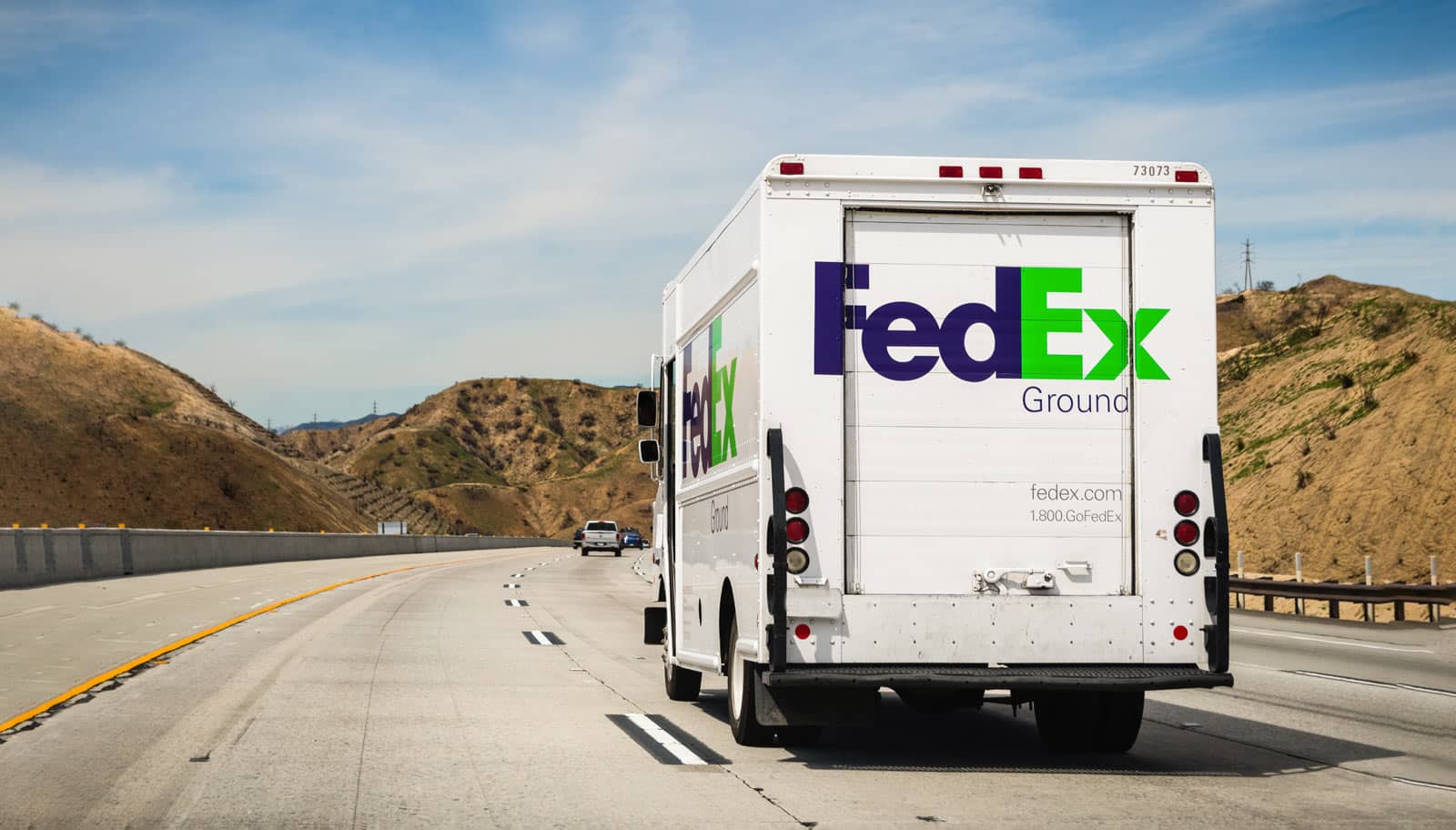
- Vans and box trucks: Commonly used by companies like UPS and FedEx, these vehicles are frequently on the road, increasing the likelihood of accidents.
- Cars and sedans: Used by many gig economy drivers for services like UberEATS and DoorDash.
- Motorcycles and scooters: Often used for quick deliveries in urban areas, these vehicles are particularly vulnerable in accidents.
- Amazon delivery vehicles: These include a range of vehicle types, all branded with the Amazon logo, including third-party contractors’ vehicles.
- Local delivery vehicles: Used by businesses like florists, pharmacies, and restaurants, these vehicles are a common sight in neighborhoods.
Common truck accident injuries from delivery truck crashes
Many delivery trucks are larger and heavier than regular passenger cars. That means even a “minor” crash can cause serious injuries, such as:
- Traumatic brain injuries (TBIs)
- Spine and back injuries
- Spinal cord injuries
- Broken bones
- Internal bleeding
- Soft tissue damage
- Depression and anxiety
- Post-traumatic stress disorder
RELATED: Crosley Law settles major brain injury case: Ramse’s story
Why are delivery truck accidents on the rise?
Online shopping and food delivery have exploded in recent years. Amazon vans, UPS and FedEx trucks, Instacart drivers, DoorDashers—there are more delivery vehicles on the road than ever before. These drivers are under pressure to meet tight deadlines, follow complex GPS routes, and handle dozens of stops each shift.
Unfortunately, these mistakes can have devastating consequences. Unlike a fender-bender with another passenger car, delivery truck accidents often involve corporate insurance policies, third-party contractors, and layers of liability.
What are some common causes of delivery driver accidents?
Delivery driver accidents can be caused by a variety of factors, including:
- Driver fatigue and hours of service violations: Long hours and tight schedules can lead to exhausted drivers who are more prone to mistakes.
- Distracted driving: Using delivery apps, GPS, or even texting while driving can divert a driver’s attention from the road.
- Speeding and reckless driving: Some drivers may engage in risky behaviors to meet their deadlines.
- Failure to follow traffic laws and regulations: Ignoring stop signs, red lights, and other traffic rules can lead to accidents.
- Poor vehicle maintenance and equipment failure: Neglecting regular maintenance can result in mechanical failures that cause accidents.
- Inclement weather conditions: Rain, snow, fog, and other adverse weather conditions can make driving more hazardous.
RELATED: Hit by a delivery driver, a pedestrian gets a settlement: Zack’s story
Driver fatigue and hours of service regulations
Driver fatigue is a major concern in the delivery industry, particularly for drivers who work long hours or irregular schedules. The Federal Motor Carrier Safety Administration (FMCSA) has established hours of service regulations to help prevent driver fatigue and reduce the risk of accidents. These regulations include limits on the number of hours a driver can work in a day, as well as requirements for rest breaks and time off.
Despite these regulations, driver fatigue remains a significant problem in the delivery industry. Drivers may feel pressure to meet tight deadlines or deliver packages quickly, which can lead them to drive for extended periods without rest. This can impair their judgment, reaction time, and ability to operate their vehicle safely.
If you or a loved one has been involved in a delivery driver accident, it is essential to seek the help of an experienced truck accident lawyer. A skilled attorney can help you navigate the complex process of filing a personal injury claim and seeking maximum compensation for your injuries and damages.
Who’s liable after a delivery truck accident?
Liability depends on who the driver works for and what they were doing at the time of the crash. That sounds simple—but it rarely is.
Trucking companies have significant responsibilities in ensuring driver safety and compliance with regulations. After a delivery driver accident, you might have claims against the delivery driver, their employer, an e-commerce company (like Amazon) that contracts with the driver and its employer, and other third parties.
Employee drivers
If the driver works directly for a company like UPS or FedEx, the company is typically responsible for their actions while they’re on the job. This is called vicarious liability—an employer is legally responsible for its employee’s mistakes as long as they were acting within the scope of their work.
The truck driver has significant responsibilities and their negligence, such as fatigue or failure to adhere to regulations, can lead to severe consequences in the event of an accident.
Independent contractors and gig drivers
Things get more complicated with companies like Amazon or food delivery services. These companies often use third-party drivers, who may be independent contractors or work for smaller subcontractors. That can mean:
- The driver’s company may be responsible
- The driver’s personal insurance might not apply
- The delivery company may claim they’re not liable
In cases involving a trucking company, the complexities increase as these companies can be held liable for negligence, such as improper maintenance, lack of compliance with safety protocols, or inadequate training for drivers.
Amazon, for example, uses a network of delivery service partners (DSPs). These are small companies contracted by Amazon, but they may use Amazon vans, wear Amazon uniforms, and follow Amazon’s systems. Legally, though, Amazon may try to distance itself from accidents.
Food delivery companies like UberEATS or DoorDash usually classify drivers as independent contractors. These drivers may be covered by limited commercial insurance while actively delivering—but not between jobs or on personal time.
Sorting this out requires investigation. At Crosley Law, we dig into contracts, insurance policies, and driver logs to determine exactly who’s on the hook.
What kind of insurance covers these accidents?
It depends on the driver’s employment status and what they were doing when the accident happened. Here’s a general breakdown:
| Situation | Who’s driving | Insurance that might apply |
| UPS/FedEx driver on duty | Employee | Company’s commercial auto policy |
| Amazon DSP driver | Employee of a subcontractor | DSP’s policy and Amazon’s excess policy |
| UberEATS/DoorDash driver during delivery | Independent contractor | Limited commercial policy from the app (usually $1 million) |
| UberEATS/DoorDash driver off duty | Independent contractor | Personal auto policy (often excludes commercial use) |
In some cases, multiple insurance policies might be in play—and each will try to minimize what they owe. It is crucial to be aware that an insurance company may employ various tactics to reduce their liability. Consulting a delivery truck accident lawyer before speaking with an insurance company representative can help safeguard your rights. That’s where having a delivery truck accident lawyer can make a huge difference.
What should you do after an accident with a delivery driver?
If you’re physically able, take the following steps right after the crash:
- Call 911. Always report the accident. A police report can be critical evidence later.
- Get medical care. Even if you think your injuries are minor, many serious injuries don’t show symptoms right away.
- Take photos and gather info. Include license plates, delivery uniforms, apps in use, and driver info.
- Get witness statements. If anyone saw the crash, get their contact info.
- Document medical expenses. Keep records of all medical costs such as hospital visits and therapy sessions, as they are crucial for compensation claims.
- Avoid giving statements to insurance companies. This is especially true for the delivery company’s insurance. They may try to get you to admit fault or settle for less.
- Contact a delivery truck accident lawyer. The sooner you have legal guidance, the better.
We know you don’t want drama. You want results. We’ll give you a clear plan and help protect your rights.
What makes delivery truck accident claims more complicated?
Delivery truck accident cases often involve:
- Multiple parties. A claim could include the driver, the delivery company, a subcontractor, a vehicle manufacturer (in case of mechanical failure), or even a municipality (if road conditions played a role).
- Overlapping insurance. Several policies might apply, but none want to pay.
- Evidence that disappears. Delivery companies may delete GPS data, driver logs, or vehicle maintenance records.
Filing a truck accident lawsuit requires gathering sufficient evidence, such as police reports and truck maintenance records, to establish negligence. It is also crucial to prove certain legal elements to support the case and be mindful of the statutes of limitations that could affect your ability to file a lawsuit.
That’s why time matters. The earlier we get involved, the more evidence we can preserve and the stronger your case can be.
How does Crosley Law handle delivery truck accidents?
We don’t use billboards or shout in commercials. We build smart, strategic cases that win. Our process includes:
- Investigating every angle including who’s responsible, what coverage exists, and what legal strategies give you the best outcome
- Working with accident reconstruction experts, economists, and medical professionals
- Handling all communications with insurers so you don’t have to
- Keeping you informed at every step—no jargon, no runaround
Our experienced truck accident attorneys are adept at guiding clients through the complexities of legal processes following a truck collision, ensuring that every aspect of your case is meticulously handled.
You don’t have to know how to navigate a complex personal injury case. That’s our job. We’ll translate the legal system into plain English and guide you every step of the way.
These injuries can lead to lost income, chronic pain, long-term care, and other expenses that aren’t always visible right away. We help you calculate not just your current costs, but your future ones too.
What compensation can you get from a delivery driver crash?
A successful delivery truck accident claim may cover:
- Medical bills (past and future)
- Lost wages
- Loss of future earning capacity
- Pain and suffering
- Property damage
- Punitive damages (in extreme negligence cases)
Victims can recover various types of damages in a truck accident case, and the legal processes involved are crucial for securing fair compensation.
We focus on real-world impact—not vague promises. That means getting clear about your needs, your goals, and what a successful outcome looks like for you.
Schedule a free consultation with Crosley Law
You’ve been through enough already. Let us take it from here.
Our team at Crosley Law has helped clients throughout Texas recover millions in verdicts and settlements after serious delivery truck crashes. We don’t posture. We don’t sugarcoat. We guide—with clarity, compassion, and confidence.
Crosley Law specializes in San Antonio truck accident cases, providing expert legal representation to help victims pursue compensation for extensive damages, including medical bills and lost wages.
Schedule your free consultation today to speak with a delivery truck accident lawyer. Let’s talk about what happened, what you need, and how we can help.
The content provided here is for informational purposes only and should not be construed as legal advice on any subject.