



The eggshell skull rule has a strange name, but it’s a very important rule in personal injury law that protects injured people.
This rule—also sometimes known as the “thin skull rule”—says:
If someone causes an accident, they are responsible for all the harm they cause, even if the injured person was especially fragile or vulnerable to injury.
The rule gets its name from an imaginary example. Imagine a person whose skull is as thin as an eggshell. If a negligent person causes an accident and cracks that thin skull, the person who caused the accident (and their insurance company) can’t just say, “We’re not responsible. Most people wouldn’t have been hurt that badly!”
The idea of a person with an “eggshell skull” might sound unrealistic, but the eggshell skull rule exists to protect real people with real lives and real health struggles. You shouldn’t lose your right to fair compensation because your body or brain was more vulnerable.
Because of the eggshell skull rule, the person who caused an accident and hurt someone is responsible for all the harm and damages they created, regardless of whether the victim was physically tough or fragile, healthy or sick.
How the eggshell skull rule works in Texas
Texas courts follow the eggshell skull rule in all types of personal injury cases, including:
- Slips and falls
- Work injuries
- Other accidents caused by negligence
Under Texas law, it does not matter if:
- You had a medical condition before the accident
- You were more likely to get hurt than others
- Your injuries are worse than expected
If someone else caused the accident, they can still be held responsible for the harm and damages.
A simple example of the eggshell skull rule
Here is an example of the eggshell skull rule in action:
A driver in Texas runs a red light and smashes into another car. The driver of that second car had a concussion one year ago. Because of the crash, the victim’s concussion symptoms not only return but are now much worse.
The driver who caused the crash in this example can’t avoid responsibility just because the injured person was more vulnerable. Under the eggshell skull rule:
- The at-fault driver is responsible for the harm caused
- The injured person can seek full compensation
- The at-fault driver’s insurance company can’t use the victim’s medical history to avoid paying the claim
Why this rule is so important for injury victims
People who get hurt in an accident sometimes feel self-conscious or worried about their medical history. They might think:
- “This is my fault because I was already sick.”
- “No one will believe how bad my injury is.”
- “The insurance company will say it’s not their problem, and I can’t afford to fight an insurance company.”
The eggshell skull rule exists to protect people from these fears. The law understands that everyone’s body and health are different, and that isn’t something you should be punished for.
RELATED: Can a minor car accident cause a concussion?
The eggshell skull rule and traumatic brain injuries
The eggshell skull rule is especially important in cases involving traumatic brain injuries.
A traumatic brain injury (TBI) happens when a sudden hit, jolt, or shake causes damage to the brain. TBIs can happen even when there is no visible injury. If you’ve heard of a concussion, that’s one type of TBI.
Traumatic brain injuries can have a big range of symptoms, including:
- Headaches
- Nausea and vomiting
- Dizziness and balance issues
- Slurred speech or trouble communicating
- Losing consciousness or “passing out”
- Hearing and vision problems
- Changes in sense perception, like sensitivity to light or sounds
- Anxiety or depression (either new or worsened)
- Memory problems
- Trouble thinking or focusing
- Mood changes
- Sleep problems, including insomnia, sleeping too much, or sleeping too little
Some people are more likely to suffer a traumatic brain injury, including people who:
- Had a concussion or brain injury in the past
- Have brain or nerve conditions
- Are older adults or children
- Have other health problems
The eggshell skull rule says that none of these conditions or situations take away your right to compensation after getting injured in an accident.
Can a “minor” accident cause a traumatic brain injury?
Traumatic brain injuries can happen in all types of accidents, even those that don’t look bad at first. TBIs can happen in:
- Low-speed car accidents
- Rear-end crashes
- Slip-and-fall accidents
- Incidents where people are hit by objects
- Work or sports accidents
Even having to slam on the brakes or suffering a light hit to the head could cause a lasting brain injury, especially for someone who is more vulnerable. But the eggshell skull rule protects people in these situations.
RELATED: Can a minor car accident cause a concussion?
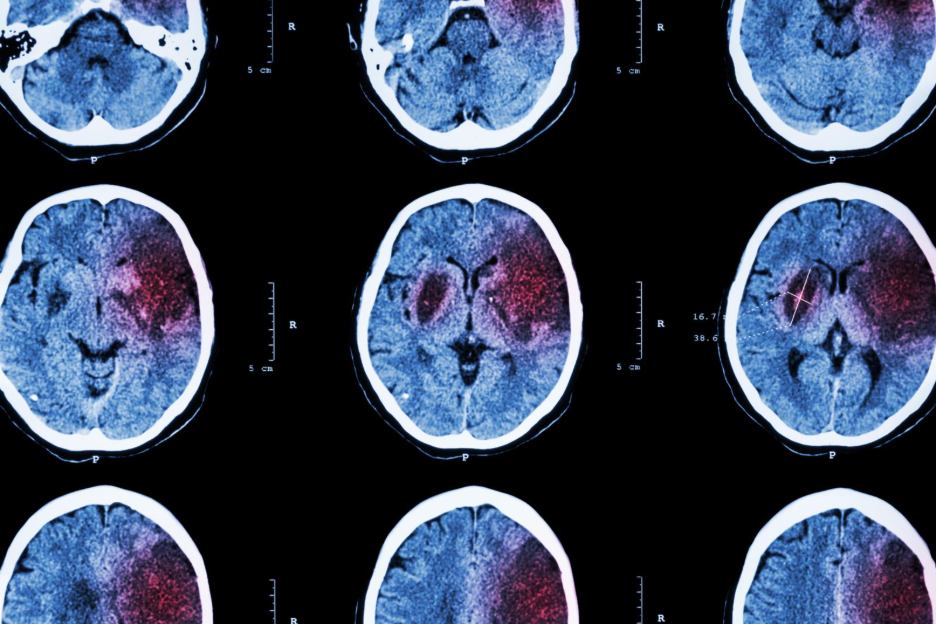
What if you had a concussion or brain injury before the accident?
Anyone can suffer traumatic brain injuries. But many people who suffer a traumatic brain injury already had something in their medical history that left them more vulnerable to brain injury symptoms, such as:
- Previous illnesses or physical injuries
- Past concussions
- Migraines
- Issues with learning or memory
- Anxiety or depression
Insurance companies will often try to use your medical history against you. They might say:
- “You were already hurt, so this isn’t our problem.”
- “The accident didn’t really cause this.”
- “Your injuries would have happened anyway.”
But these arguments are false, and the law in Texas doesn’t agree with them. It doesn’t matter if you had a pre-existing condition; if an accident made your condition worse, the person who caused the accident can still be held responsible because of the eggshell skull rule.
BLOG: When “normal” isn’t normal: Updated guidelines help lawyers win traumatic brain injury settlements
What compensation is available for injured victims in Texas?
If someone injured you because of their negligent behavior, you may be able to recover money for:
Medical care
- Emergency room visits
- Hospital stays
- Brain scans and testing
- Doctor visits and medical procedures
- Medication
Lost income
- Time missed from work
- Trouble returning to your job
Pain and suffering
- Physical pain
- Emotional stress
- Changes to your daily life
Long-term help
- Physical therapy
- Mental health therapy
- Help at home
- Ongoing medical care
Injuries from accidents—especially traumatic brain injuries—often take time to heal, and some effects can last forever. Even if you need several years or a lifetime of care, Texas law allows you to get financial compensation for both current and future needs.
Why traumatic brain injuries are hard to prove
Traumatic brain injuries aren’t always easy to spot, even for doctors. You might look “fine” on the outside but struggle with serious brain injury symptoms.
Our attorneys have even seen cases where victims had brain injuries that didn’t show up on imaging tests like MRIs. In those cases, we’ve had to use special procedures to prove that the victim had an injury to the brain.
Because brain injuries can be difficult to prove, insurance companies almost always question these injuries. The company may say the victim is making up symptoms, or that there isn’t enough proof.
To fight back against the insurance company, you’ll need as much evidence as possible. Evidence in a traumatic brain injury case can include:
- Medical records
- Brain imaging tests
- Doctor opinions
- Reports from family and friends about changes you’ve experienced
That’s a lot to deal with, but you don’t need to do it by yourself. A personal injury lawyer can help gather and explain this evidence while you focus on getting the medical care you need.

What to do if you think you have a traumatic brain injury
If you or someone you love may have suffered a traumatic brain injury, it’s critical to:
- Get medical care right away
- Follow your doctor’s advice
- Attend all medical appointments, including referrals to specialists
- Write down your symptoms in a journal as they happen
- Be careful talking to insurance adjusters and don’t agree to anything without talking to an attorney
- Speak with a Texas personal injury lawyer right away
Getting help early can make a big difference. Waiting to get help can hurt your claim or even ruin your chances for compensation.
BLOG: How insurance adjusters trick you (and what to do about it)
How a Texas personal injury lawyer can help
The eggshell skull rule is powerful and can help you get compensation for injuries. But insurance companies often don’t follow the law without pressure from an attorney.
Sometimes, hiring a lawyer might be enough to convince the insurance company that you mean business and it’s time to pay your claim. In other cases, it could be necessary to take your case to trial and prove your injuries to a jury.
The idea of a trial might sound overwhelming, but you don’t have to handle that process. An experienced Texas personal injury lawyer can:
- Explain your rights in simple terms
- Work with doctors and experts
- Gather medical evidence as well as evidence from the accident scene
- Show how the eggshell skull rule applies to your case
- Stand up to the insurance companies
- Fight for fair compensation
You shouldn’t have to face this journey alone, and when you work with the experienced personal injury attorneys at Crosley Law Firm, you won’t have to.
You can also listen to our podcast, “Winning the TBI Case,” to learn more about how attorneys approach traumatic brain injury cases.
Car Crash? Call Crosley
If you’ve been hurt because of someone else’s negligence, you deserve compensation and our team is here to help you. We’re ready to fight for best your interests in settlement negotiations and the courtroom. Let us deal with the insurance company so you can recover and get better.
Contact our team for a free, no-risk consultation by calling (210) 529-3000 or completing this quick online contact form.
The content provided here is for informational purposes only and should not be construed as legal advice on any subject.