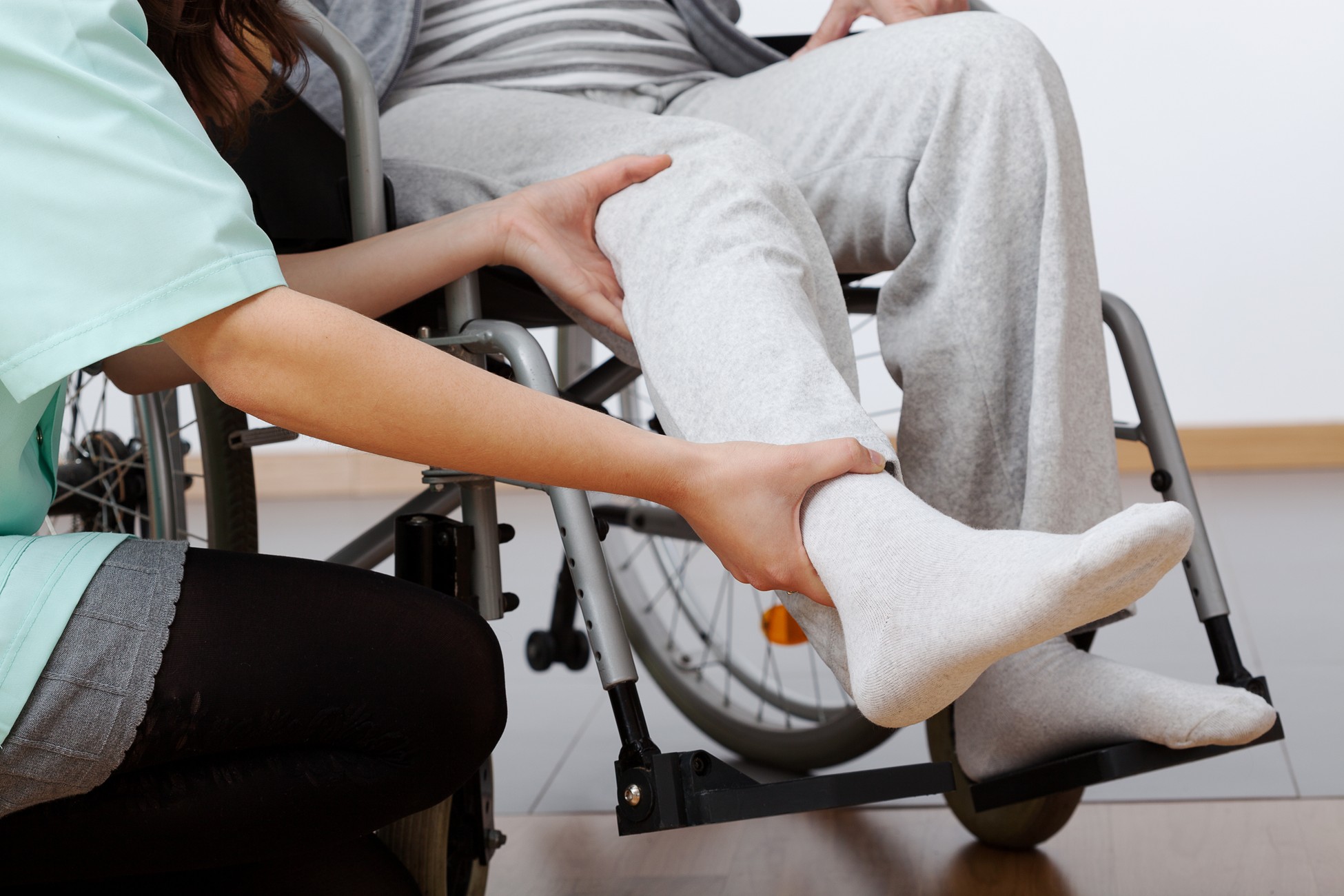



When you’ve been injured in a car crash, truck accident, or other traumatic event, your recovery may depend on doctors and treatments. But your recovery also may depend on how well doctors can explain your injuries to a jury.
In personal injury lawsuits, medical experts are often the most important witnesses in the courtroom. Jurors want to know:
- Are your injuries real?
- Were injuries caused by the accident in question, or something else?
- How will your injuries affect you in the future?
Those answers come from the doctors who take the stand. But here’s the catch: not all medical opinions are created equal.
A doctor who carefully follows the proper medical process can give powerful, trustworthy testimony. But a doctor who cuts corners or ignores key facts can sink a case or even be exposed as unreliable in front of a jury.
At Crosley Law, we’ve seen both sides. We know how to highlight credible medical testimony and call out the kinds of “litigation medicine” that some defense experts try to pass off as science.
Why medical testimony matters in personal injury cases
Most personal injury cases involve “invisible injuries” like concussions, whiplash, herniated discs, or chronic pain. Unlike a broken bone that shows up clearly on an X-ray, these conditions often depend on careful clinical judgment.
Insurance companies know this. That’s why they often hire defense doctors to make claims such as:
- “There’s nothing wrong with the plaintiff.”
- “If there was an injury, it wasn’t caused by this accident.”
- “Even if there is an injury, it’s not serious.”
Juries, however, can usually see through sloppy or biased testimony if they’re given the right framework. The key is showing them what real medicine looks like and pointing out when the defense expert didn’t follow the rules.
RELATED:The role of expert witnesses in Texas personal injury cases
Medical records are evidence, too
It’s important to understand that medical records themselves are powerful evidence. In fact, much of the medical proof in a personal injury case comes directly from those records. They contain the doctor’s observations, test results, diagnoses, and treatment plans.
Jurors often see and hear about medical records during trial. Physicians are typically called to explain and interpret them, so the jury can understand what the records mean in plain language. Usually, one of the patient’s treating doctors—sometimes more than one—will testify at trial.
Because it is difficult to schedule a doctor to appear live in the courtroom, their testimony is often recorded by video about 30 days before trial. This allows the jury to see and hear the doctor without forcing them to cancel their clinic or surgery schedules, which are difficult to rearrange and unpredictable compared to trial timing.
RELATED: How do pre-existing injuries affect car accident settlements in Texas?
The proper way doctors diagnose injuries and why it matters in court
Every good physician follows a systematic process to reach a diagnosis. It’s not just tradition; it’s the standard of care taught in every medical school and required by medical ethics.
Here’s the basic six-step roadmap:
- History
Doctors start by listening. They gather the patient’s story, symptoms, and medical background.
In personal injury cases, this means understanding how the accident happened and whether it’s a credible cause of the reported symptoms. For example, if you hit your head in a car crash and later developed memory problems, that’s a credible connection. But if a doctor blames memory loss on “stress” without investigating further, that’s not credible medicine.
- Examination
The phrase “look at the patient” is drilled into medical students for a reason. A doctor can’t diagnose from a distance. Examinations include signs (objective findings like abnormal reflexes or blood pressure), symptoms (what the patient reports, like dizziness or pain), and tests (imaging or lab studies ordered to confirm or rule out conditions).
Tests are important, but they don’t tell the whole story. An MRI might show a herniated disc, but surgery might not be necessary if the patient has no symptoms. That’s why history and examination come first.
- Differential diagnosis
Differential diagnosis is the process of ruling things in and out. A responsible doctor first rules out the most serious possibilities (like a brain bleed after a concussion), then works down to less dangerous causes.
A valid diagnosis must explain all the findings. Picking only the facts that fit a preferred conclusion—something defense experts are notorious for—is not proper medicine.
- Treatment plan
Once a diagnosis is reached, a doctor develops a treatment plan. This could include physical therapy, medications, injections, or surgery.
- Prognosis
A credible medical expert also will discuss the future for the patient. This includes whether their condition is likely to improve, stabilize, or worsen.
- Reassessment
Medicine is never “set it and forget it.” Good doctors reassess patients regularly and adjust treatment as needed.
When treating doctors testify, they often explain their medical records by walking through the above process step by step. That way, the jury can see that the doctor followed the same careful process they would expect if it were their own health on the line.
Then the testimony is contrasted with what the defense expert did or didn’t do. Did they ever take a full history? Did they actually examine the patient? Did they rule out all possible causes? Did they reassess, or just issue a one-time report for the insurance company?
In one personal injury case, the defense brought in a biomedical engineering consultant to try and deny a crash was the cause of our client’s injuries. But the defense was not relying on the opinion of a licensed medical doctor, and the jury noticed. We not only emphasized this weakness with our own medical evidence and experts, but brought in our own mechanical engineer to argue in our client’s favor.
CASE STUDY:Crosley Law turns $900 settlement offer into $115,000 verdict

Exposing weaknesses in expert opinions
An effective trial technique is to ask every medical witness two simple questions:
- What is the biggest weakness in your opinion?
- What more would you like to see or know in order to strengthen your conclusion?
Honest experts will admit what additional data might be helpful, such as another test, more time with the patient, or collateral interviews. Biased experts, on the other hand, often squirm or dodge. Jurors will notice that behavior.
The truth about pain
Perhaps the most common defense tactic is downplaying or dismissing pain.
Since pain can’t be measured on a scan, insurance companies argue it isn’t real. But medicine says otherwise.
Pain is one of the most important clinical symptoms and doctors are ethically obligated to try to relieve it. In fact, untreated pain can trigger shock, which is sometimes more dangerous than blood loss.
Here’s a simple cross-exam question that makes the point: “Doctor, have you ever prescribed pain medication?” If they answer yes, then they’ve acknowledged pain is real and requires treatment. If they answer no, they appear detached from real-world medicine. Either way, the jury sees the truth.
SOAP: how medicine organizes itself
If you’ve ever looked at a medical chart, you’ve probably seen the acronym SOAP written down the margin:
- Subjective (what the patient says)
- Objective (what the doctor observes)
- Assessment (the diagnosis)
- Plan (the treatment and follow-up)
Defense experts sometimes suggest that because they aren’t treating the patient, they don’t have to follow the same process. But that’s not how medicine works. Even if they aren’t prescribing treatment, they’re still giving medical opinions under oath. Those opinions must be based on the same reliable standards they would use with any patient. Courts require expert testimony to rest on sound medical methodology, not speculation.
Jurors also expect doctors to play by the rules of their own profession. If a defense expert offers opinions about causation or prognosis without taking a history, considering symptoms, or applying the SOAP process, it doesn’t look like medicine, it looks like advocacy. And when jurors see that contrast, it’s clear which doctors are following the science and which ones are trying to serve the insurance company. That difference can be the deciding factor in whose testimony the jury believes.
Why credible medical experts matter for your case
If you’re a personal injury victim, your case may come down to whether the jury believes your doctors or the insurance company’s doctors. By showing jurors the right way medicine is practiced and contrasting it with the shortcuts taken by defense experts, the truth becomes clear. Your story matters. Your symptoms matter. Your pain matters. And when doctors follow the right process, the evidence supports you.
Crosley Law knows how to hold medical experts accountable
At Crosley Law, we have tried and won some of the toughest injury cases in Texas. We know how to work with top medical experts, prepare them to testify, and cross-examine defense doctors who try to cut corners.
If you or a loved one has been injured and you’re worried about proving your injuries, call us. We’ll make sure the truth comes out and that the jury understands it.
If you’d like to talk about your case, call Crosley Law today at (210) 529-3000 or fill out our online contact form to schedule a free consultation.
The information in this article is for educational purposes only and does not constitute legal advice. For personalized guidance, speak to a qualified attorney.