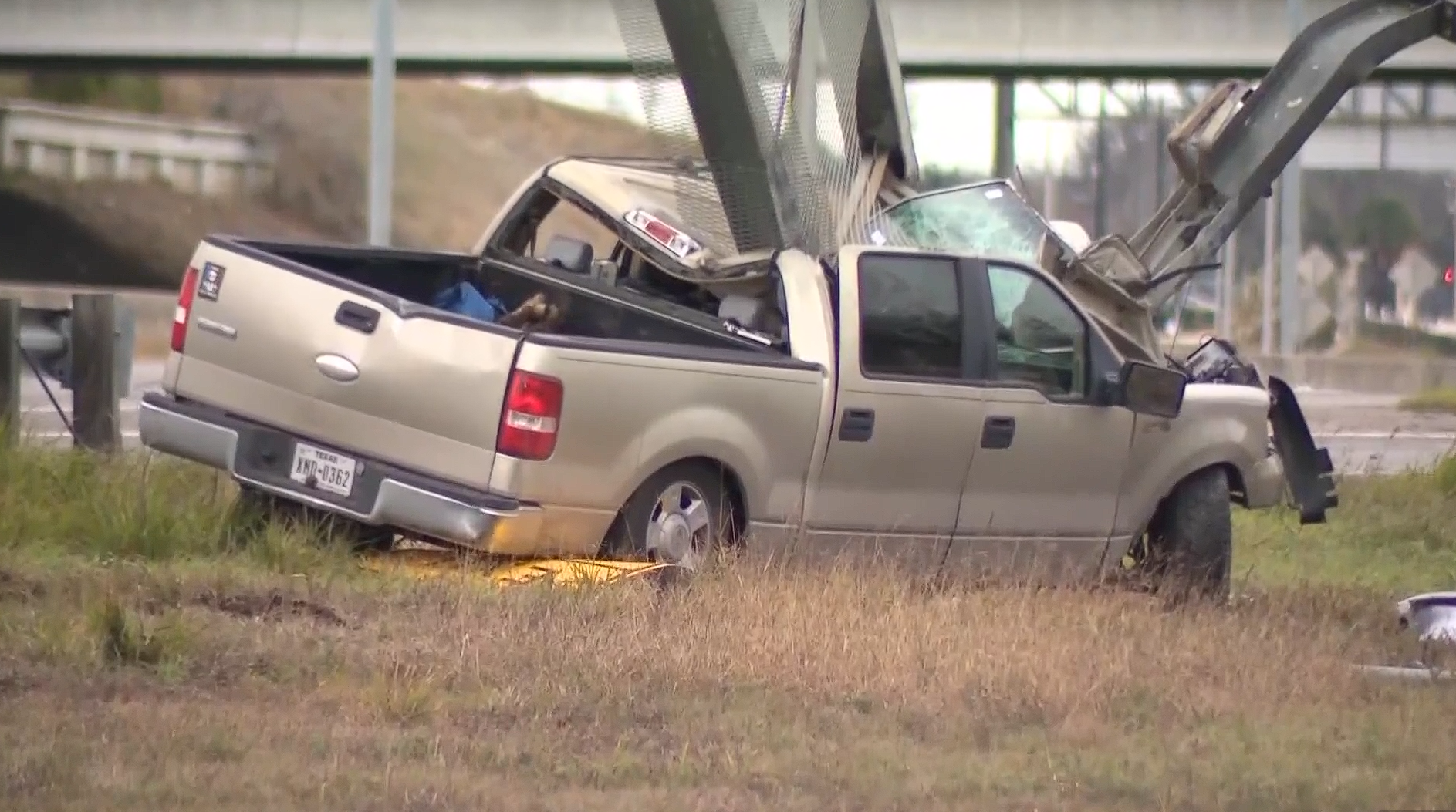



If you get hurt in a Texas car accident and it wasn’t your fault, you are entitled to seek compensation for any medical treatment, lost wages, or other losses you’ve suffered—including physical pain and suffering and emotional trauma. It shouldn’t matter whether you’re a driver, a passenger, or outside the vehicle as a pedestrian or cyclist.
However, your path to fair compensation as an injured passenger in a car wreck might look different than a driver’s. A lot of the time, injured passengers actually have an easier time when filing an injury claim than other crash victims. But there can also be additional obstacles and complications. It all depends on the circumstances.
This post will explore the legal options of a car crash passenger and outline potential complications in your case. We’ll also make it clear how a personal injury attorney can help.
However, the most important thing to remember is that, as an injured passenger who was not at fault, you do have rights and should have legal options available to you. But because situations are often complicated and can involve multiple separate personal injury claims, you should always talk with an experienced car accident attorney as soon as possible to review your case.

The claims you can make depend on who was driving and who was at fault
Let’s go through a few common scenarios. Although they might not cover every possible situation, the majority of passenger injury situations will fall into one of these categories.
Scenario #1: The accident was caused by the other driver
This is the most straightforward scenario. If you were hurt in a crash that was caused by the driver of another vehicle, the at-fault driver is responsible for compensating you regardless of whether you’re a driver or passenger. You would first file a claim against the at-fault driver’s insurance policy.
At Crosley Law, we handle cases like this all the time. For example, about two years ago we represented Jennifer, who was riding in the backseat of her family vehicle when they were T-boned by a distracted van driver. Neither her husband (her driver) nor her daughter (also in the backseat) were seriously hurt, but Jennifer was badly injured and ultimately needed hip surgery. Fortunately, the other driver was employed and covered under a significant insurance policy, and we were able to obtain a $900k settlement.
If the other driver doesn’t have enough liability coverage to fully pay for all your damages, you may be able to turn to uninsured or underinsured motorist coverage (UM/UIM).
UM/UIM insurance typically covers anyone driving or riding in a vehicle at the time of a crash, regardless of who owns it. Additionally, if you own your own car and have UM/UIM coverage as part of your own auto insurance policy, it typically covers you even if you’re riding with someone else. As an injured passenger, you may be able to file an insurance claim with both the driver’s insurance company and your own.
Furthermore, if either you or the owner of the vehicle you were riding in have personal injury protection (PIP) or medical payments coverage (MedPay) as part of your own auto insurance policies, these would typically apply to you as well.
Scenario #2: The accident was caused by your driver
Although from a legal perspective your options may be largely the same, things get trickier if the at-fault party happened to be behind the wheel of the vehicle you were riding in—especially if they are a close friend or family member.
Texas law allows spouses and other family members to sue each other after a car accident. That hasn’t always been the case. Historically, people couldn’t sue close family members for personal injury, and in some states they still can’t. The thinking was that it wasn’t good for the family unit and often resulted in someone suing a person who shares the same insurance policy. But the thinking has since changed, at least in Texas.
If you are injured as a passenger in an accident that’s caused by your driver, and that driver is a friend or family member, you are legally entitled to file a claim against them—just like you would if the other driver was at fault. The same is true for UM/UIM, PIP, and MedPay claims.
Certainly, it’s worth considering how a personal injury lawsuit may impact your relationship. In the case of an immediate family member, also think about how your actions could influence an insurance policy that you share.
That said, remember that while you might have to sue a friend or family member, it’s their insurance company that will be paying you directly for your medical expenses, lost wages, and other damages—not your loved one. If you refuse to file a claim, you’re the one who suffers—and the insurance company is the one who truly benefits.
The situations can be financially and emotionally challenging to navigate, so definitely talk with a good personal injury attorney to discuss your options.
Scenario #3: Multiple at-fault parties
Because Texas is an at-fault state, any driver who contributed to the accident may owe compensation to injured parties. As an injured passenger, multiple at-fault parties can mean more money for your expenses. This is especially helpful if one of the at-fault parties has no insurance or too little to cover your costs. Understanding fault in multicar accidents can be complex, as multiple drivers may share varying degrees of responsibility. It’s important to gather evidence and witness statements to support your claim, which can help ensure you receive the compensation you deserve. Working with a knowledgeable attorney can also improve your chances of navigating the legal process effectively.
Here’s a real example from a particularly complex case we handled several years ago. Our client, Bethany, was riding as a passenger in a car that was driven by her friend Jake and owned by the father of her friend Tyler, another passenger. The road was icy and Jake was driving way too fast for the conditions. As they came around a curve, they encountered a vehicle that had been parked in the middle of the road, for no reason, by a drunk driver. Jake couldn’t avoid a collision and ended up rolling and flipping the vehicle.
In the end, we were able to argue that both Jake and the drunk driver shared blame for the crash. We were also able to obtain maximum policy limits settlements from four separate insurance policies: those carried by the driver (Jake), the vehicle owner (Tyler’s dad), the drunk driver, and even Bethany’s mother (since she was still young enough to be covered by her mom’s policy).
RELATED: Passenger Pursues Lawsuit Against Driver and Gets Settlements: Bethany’s Story
Scenario #4: You’re injured as a passenger in a rideshare vehicle
Who you file a claim with depends on who was at fault in this scenario.
If the other driver was responsible, you’d follow the same procedure as scenario #1 above.
If the accident was caused by the Uber or Lyft driver while you were riding as a passenger, you should be covered by a $1 million policy maintained by the rideshare company. Additionally, you should still be able to file a UM/UIM claim through the driver’s insurance, your insurance, or both if $1 million isn’t enough coverage.
Of course, this doesn’t mean the rideshare company won’t try to fight your claim anyway. Last year we represented Seth, a passenger who had sustained a concussion after his rideshare driver fell asleep at the wheel and ran off the road. The insurer tried to argue that the driver had an unexpected medical episode, so the crash wasn’t his fault. We fought back and got him $200k for the crash—which was on top of what he received from his workers’ compensation insurance to cover medical expenses.
RELATED: Injured in an Uber car accident in Texas? These are your options
Potential complication: multiple injury victims
If you were a passenger in a car crash and the collision was bad enough to seriously injure you, there’s a good chance that the driver and any other passengers will also be hurt.
Unfortunately, the insurance policies typically used to cover compensation have limits. In Texas, drivers must carry a minimum coverage of $30,000 per injured person, up to $60,000 per accident. If you’ve been seriously hurt, that level of coverage probably won’t even cover your own medical bills. Now imagine you have to split it between two, three, or even more car accident victims.
We also see cases like this all the time. Recently, we represented a trio of close friends who were all badly hurt when their car was hit by a negligent driver. One passenger needed at least 7 surgeries and lost the ability to speak for several weeks, while another experienced permanent vision loss in one eye (among other injuries). Fortunately, the at-fault driver was carrying significantly more than minimum liability coverage—$500,000, to be precise. But even though we were able to get a maximum policy limits settlement from his car insurance policy, their case would have been worth even more if additional coverage had been available.
This is why it’s so important to protect yourself with as much UM/UIM insurance as you can realistically afford.

Can a passenger be at fault for an auto accident?
Yes, although it’s rare.
You can probably imagine extreme scenarios where a passenger could be directly responsible for a crash—for example, by grabbing the wheel or deliberately distracting the driver by shouting at or striking them.
In a more likely situation, an insurance company might try to shift blame to a passenger who knowingly rode with an at-risk driver. Framing this as an “assumption of risk” or “comparative fault,” the adjuster would argue that you were aware of the dangers of the reckless or drunk driver, but chose to ride with them anyway.
However, a skilled car accident lawyer typically can fight back against these arguments or reduce their effectiveness. In most cases, the primary blame will lie with the person behind the wheel, not the passenger.
Remember: You have rights as a passenger!
As a passenger injured in a car crash, you have the same rights as any other injury victim. The fact that you aren’t the driver makes no difference.
- You have the right to request names, contact information, insurance information, and other critical details from all involved drivers.
- You have the right to request a copy of the police report and file a statement if you believe the report is inaccurate or missing important information.
- You have the right to file a personal injury claim and seek fair compensation for your injuries. Depending on the circumstances, you may be able to file a joint claim with other people injured in the vehicle, but you can also file on your own.
- You have the right to hire an attorney.
- You have the right to refuse to speak with an insurance adjuster until you’ve had the chance to speak with an attorney, or to have your attorney handle all the communication.
The best way to protect your legal rights is to talk to an experienced personal injury lawyer as soon as possible after your crash.

Car Crash? Call Crosley
If you were injured in a car accident as a passenger, you don’t have to face the complexities and uncertainties of your case alone. The experienced attorneys at Crosley Law have guided many injured passengers through this process and are ready to listen to you.
We always begin the attorney-client relationship with a free consultation about your case. To set yours up today, call (210) 529-3000 or fill out our easy contact form and someone from our legal team will assist you.
The content provided here is for informational purposes only and should not be construed as legal advice on any subject.