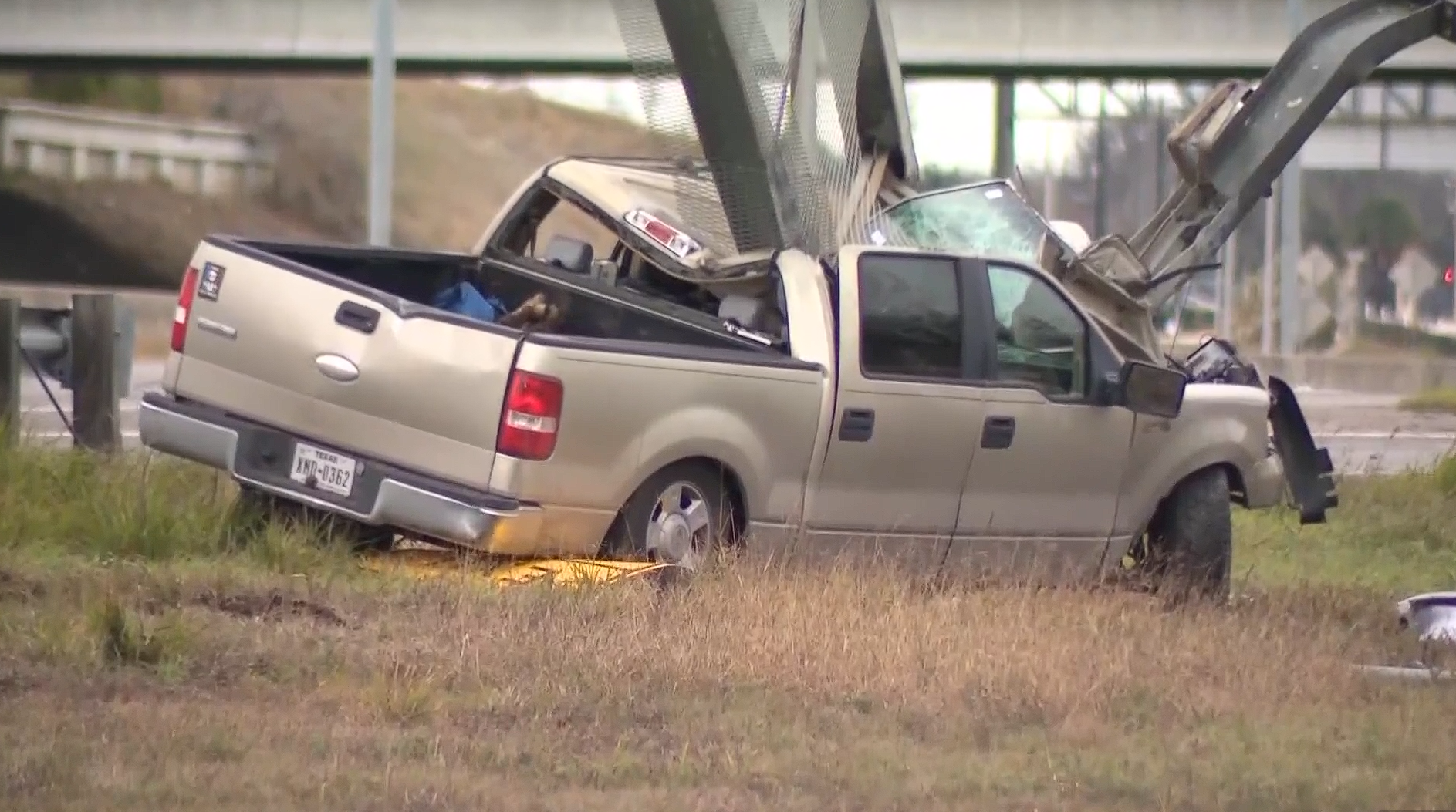



You’ve been in a motor vehicle crash. The other driver was at fault, you’ve filed a claim, and now the insurance company is offering you a check. Should you take it? Make a counteroffer? Or is it time to consider a lawsuit—and a potential trial?
It depends.
Whether you settle or take your case all the way to trial, your goal should be getting justice, accountability, and fair compensation for what you’ve lost. Sometimes you can get that without a trial. Sometimes you can’t.
At Crosley Law, we’ve recovered more than $1 million in over 50 cases—some of them in the courtroom, and some at the negotiating table. In this blog, we’ll take a closer look at the legal process, pros and cons to settling before trial, and how a car accident lawyer with trial experience can help you.
The basic timeline of a car accident claim
Here’s a quick overview of the full legal process, assuming a case goes all the way to trial.
First, after you contact an attorney and they agree to take your case, they’ll start investigating. This is called the pre-litigation phase. During this time, you’ll be getting medical care for your injuries, your attorney will be gathering evidence about the cause of the wreck, and calculating your damages.
During this time, your attorney will send a demand letter to the insurance company. This letter will outline the facts of your case, summarize your injuries and losses, explain why the defendant is responsible for those losses, and demand a specific dollar figure from the insurer.
This could result in a settlement. Or it could result in a rejection or counteroffer from the insurance company. But if the two sides can’t come to an agreement, the next step is to file a lawsuit. This starts the litigation phase.
During the litigation phase, both sides gather additional evidence, conduct interviews, and build their cases for an eventual trial. During this time, settlement negotiations will continue as well.
Toward the end of the litigation phase, the case may go to mediation as a last-ditch attempt to negotiate a compromise. But if mediation fails to bring about an agreement, the case will typically go to trial.

Most car wreck cases eventually settle—even after a lawsuit has been filed
One thing we sometimes hear from clients is that they’re “not the suing type.” Or they might tell us that they don’t want to go to trial.
The truth is that only a small percentage of car wreck claims go all the way to trial. There’s no hard data here, but in our experience about 5% of civil cases (at most) end with a trial verdict. However, that doesn’t mean you won’t have to file a lawsuit.
Insurance companies are for-profit businesses. Their goal is to protect their bottom line, not pay out big claims. If they decide to treat you unfairly, suing them is your only option. After all, if they know you aren’t going to file a lawsuit, they have very little incentive to give you a reasonable settlement offer.
A lawsuit doesn’t guarantee a trial. But it does give you that option. And because no insurance company wants to risk a big loss in front of a jury, filing a lawsuit gives you more leverage to negotiate a truly fair settlement.
Advantages of settling before trial
In most cases, negotiating a fair settlement agreement is the best-case scenario. There are many advantages to hammering out an agreement out of court. Here are some of the big ones:
- Less risk. A signed settlement offer is a guaranteed payout. You know exactly what you’re getting. Trials are inherently unpredictable. Every jury is different. You could wind up getting a whole lot more than the insurance company offered—or a whole lot less. Possibly nothing at all.
- Faster resolution. It can take two years or more to get a trial date after you file your lawsuit. And even if you win your trial, depending on the circumstances, the insurance company may appeal the decision. Settling your case before trial means the money gets in your pocket faster, and they are final—no appeals possible.
- Lower costs. Settling your case avoids the added expenses associated with a trial, such as court fees and expert witness fees. Some of these fees might be recoverable from the defendant, but others will not.
- More privacy. Settlements are usually private agreements that are completely confidential. But if a case goes to trial, all the details become a part of the public record.

Advantages of going to trial
While going to trial can be stressful, sometimes it really is the only way to get a fair deal.
One of the worst things you can do after a bad car wreck is accept a lowball settlement offer. Once you settle, there’s no going back. If your settlement isn’t large enough to cover your long-term needs, sooner or later you’re going to wind up in the same tough spot financially—with no obvious way out.
There are a few other advantages that may be worth considering for some clients:
- Chance for a big payday. Greater risk means greater potential reward. When you settle, you’re typically compromising with the insurance company. The final figure will be somewhere in the middle of the range of most likely outcomes if the case went to trial. At trial, however, the jury could award you more than you even asked for. Juries can also sometimes award punitive damages in cases that involve gross negligence, which are rarely considered in settlement offers.
- Public accountability. For some injury victims, the fact that trials are public record is a positive, not a negative. Being able to tell your story publicly (and shine a bright spotlight on the at-fault party) can provide a sense of accountability, justice, and closure you might not get from a confidential settlement. It also could potentially set legal precedent that might benefit others in similar circumstances.
Here’s a recent example of a case we took to trial and won big.
We represented the family of a young girl who suffered a life-changing brain injury after falling out of a defective apartment window. Although she miraculously survived, she will need therapeutic services and structured supervised care for the rest of her life.
At one point, the insurance company offered $10 million to settle the case. Yet when you took the time to add up the true cost of what the girl and her family had suffered—and the care she would need in the future—we knew that we could get much more. The case went to trial, and we secured a $30 million verdict.
RELATED CLIENT STORY: Crosley Law Obtains $30 Million Settlement in Brain Injury Lawsuit | Crosley Law
Why trial experience is important for personal injury lawyers
Even if you’re dead set on avoiding a jury trial, hiring an attorney that has a long and successful track record of taking cases to court can work to your advantage.
Not all personal injury lawyers are trial lawyers. There are many firms out there that seem to always settle, sooner or later. They often take a high volume of small-to-medium sized cases and try to settle them as quickly as possible.
Insurance companies know this too. They keep track. They’ll know if your attorney is one who doesn’t take cases to trial. And they will definitely know if your attorney is someone who isn’t afraid to go to court and has beat them in the past.
That gives aggressive trial attorneys more leverage at the negotiating table. If the insurance company is worried about losing a big, public court case, the logical response is to make better settlement offers.
RELATED POST: How to get more money from a car accident settlement | Crosley Law

Car Crash? Call Crosley
Preparing a successful personal injury claim takes time, and evidence can start to disappear quickly after a wreck. Contacting an experienced attorney as soon as possible will give you the best chance at fair compensation.
If you or someone you love has been hurt, call Crosley Law at (210) 529-3000 today for your free case evaluation.
The content provided here is for informational purposes only and should not be construed as legal advice on any subject.