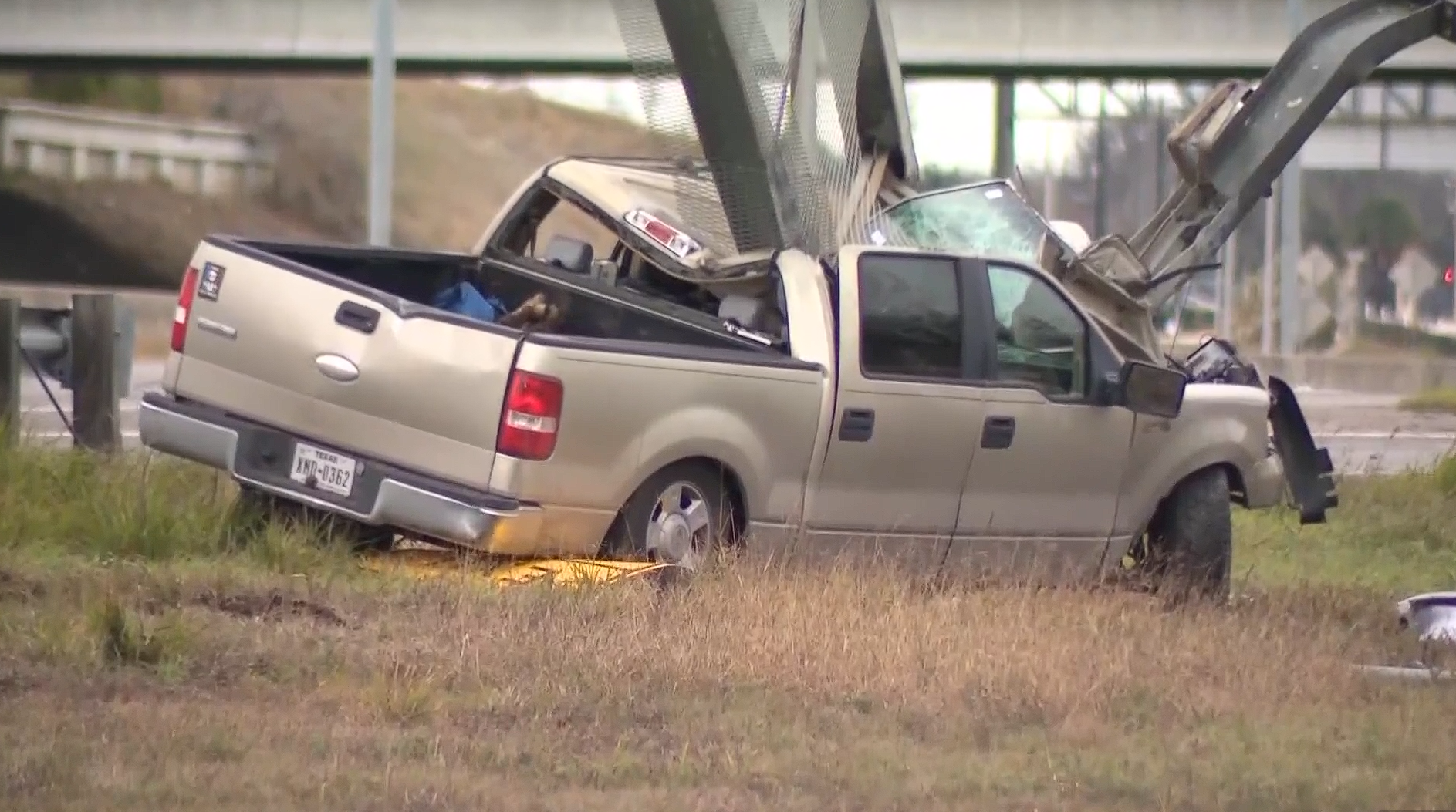



If you or someone you love has been in a car accident, you may have felt the urge to post about it on social media.
After all, a car accident is a traumatic event. Most people go through a range of emotions: relief at being alive, righteous anger at the at-fault driver, frustration at the insurance company, or sadness about painful symptoms. Many people feel compelled to share and process these feelings online.
Unfortunately, the wrong post at the wrong time can have catastrophic consequences for your car accident claim. Even private messages or updates not directly related to the crash could come back to haunt you.
So before you hit “post” on your latest update, stop for a minute. Although there are some instances where social media may help your case, it is usually safer to stay off social media altogether. Read on to learn more.
There’s no such thing as privacy on social media
Recently, privacy rights have become a high-profile political issue, especially as they pertain to social media use. However, most of us still download apps and share data without hesitation on Facebook, Instagram, X, and other social media platforms. While that’s often a necessary step to using social media in our everyday lives, it can be a serious mistake during a personal injury claim.
You and your attorney will build your case by collecting evidence and records. Defense attorneys, insurance companies, and investigators will do the same on the other side. Since so many people are on social media today, it’s a logical place for a defense lawyer to start his or her investigation.
Many people believe their social media posts are off-limits if they configure their privacy settings carefully. Unfortunately, when it comes to a car accident and the subsequent lawsuit, this just isn’t true. Depending on your privacy settings (and often despite them), the insurance company can easily track your actions, turning seemingly innocuous updates into potentially devastating mistakes.
How social media can be used against you
When you file a car accident injury claim, the insurance adjuster will try to find out everything they possibly can about it. They might hire a private investigator and will keep an eye on all your social media accounts.
In other words: assume that everything you post online and on all your social media platforms will be seen by the insurance company. And they are going to interpret it in the most uncharitable light possible for your case.
For example, suppose the insurance adjuster checks your social media accounts and finds them filled with happy pictures of you laughing and playing with your loved ones. You never mention your car crash, your injuries, or your struggles.
Logically, it seems like there should be nothing wrong with this. Most people understand that social media posts don’t tell the full story. And you should be allowed to share moments of happiness despite your situation.
But that won’t stop a defense attorney from showing those social media posts to a jury and arguing that the crash didn’t affect your life as much as you say it did. And that little bit of doubt can damage your credibility and result in a jury awarding significantly less in non-economic damages.

Social media can be used against the defense, too
While the insurance company checks up on your posting history and habits, a good personal injury lawyer will look into the at-fault driver, too. Here’s a recent, real example from a car accident lawsuit we handled a few years ago.
Our client was stuck in stop-and-go traffic when he was rear-ended by a distracted semi-truck driver traveling at roughly 20 miles per hour. When we asked the truck driver under oath whether he ever used his cell phone to take videos or play music while he was driving, he told us, “Never.”
However, the trucker’s Facebook posts told a very different story. He had posted multiple selfies and videos, including videos of him dancing and eating while driving his truck. When we asked him point blank if a particular video from a social media account was recorded while he was driving, he claimed it was taken by a friend but could not remember who.
Now, certainly, the truck driver’s social media presence was only one part of the total case against him. There was plenty of other evidence to prove that he was responsible. But those videos seriously damaged his reputation and credibility in the eyes of the jury. They were clear, visceral evidence that the driver wasn’t just someone who made a simple mistake, but a person with a pattern of dishonesty and recklessness. Ultimately, the jury awarded our client $4 million.
RELATED POST: Crosley Law Wins $4 Million in Trucking Trial | Crosley Law

Can social media posts help your case?
Credibility is essential to your personal injury claim. You want the insurance company, judge, and jury to understand that you’re a reliable, honest, and hardworking person.
There are instances when social media posts can showcase these traits and help, rather than hurt, your case.
For example, social media can:
- Demonstrate your values: Show how much you care about your children, spouse, siblings, and other family members on social media. If you’re disappointed that you can’t make your niece’s recital because of a physical therapy session, post about it.
- Show off your work ethic: Juries are sympathetic to injury victims who are fighting as hard as they can to get better. If you’re taking your rehabilitation and therapy seriously, don’t be ashamed to talk about it. For example, if you needed to use a walker for a time, it’s okay to celebrate that you’ve rebuilt enough strength to upgrade to a cane! However, also remember to mention the hard days, since they’re an important part of your story.
- Show appreciation: After a serious crash or injury, you may have a lot of people to thank. If you had friends and family bring over meals, help with chores, shuttle your children to activities, or keep you company on tough days, give them the recognition they deserve. Your words will be deeply appreciated by your loved ones and help document your struggle.
However, remember that it can be extremely difficult to know ahead of time what the unintended consequences of a given post might be.
Social media posting tips
Set your social media accounts to private.
You don’t need to broadcast your thoughts to the world while your personal injury lawsuit is pending.
However, do not let this lull you into a false sense of security! While setting a social media account to private makes it harder for the insurance company to find what you post, it is not a guarantee. Insurance companies have other ways to access your social media data and messages—potentially by subpoena, if they can provide a good enough reason to the judge. So, continue to act as if everything you post will be public.
Avoid posting (or private messaging) anything about your case.
Don’t discuss your case, your injuries, or anything relevant to your claim with anyone over social media. (This goes for texts and emails, too.) You should only be discussing your claim with your personal injury attorney.
Be wary of new friend requests.
Don’t accept any new friend requests while your case is pending, unless you are 100% certain that it is someone you can trust. You should even call or talk to the person making the request before accepting, to make sure it isn’t a private investigator trying to gain access by impersonating someone else.
You might even consider pruning your friends list of old acquaintances, former colleagues, and anyone you are no longer close with.
Don’t post any pictures of you drinking or partying.
These photos are often taken out of context in court proceedings. Even if you truly did absolutely nothing wrong, that will not stop the defense from using them to attack your credibility, and they can make you appear “unlikable” to a jury.
Don’t delete posts or accounts.
After reading this blog post, you might already regret some of your recent posts to social media sites. But whatever you do, do not delete anything! This can appear suspicious, and the insurance company may think that you are hiding something. A judge might even consider it as evidence tampering in some cases. Instead, speak to an experienced personal injury attorney before deleting any content from your social media pages.
RELATED ARTICLE: “Cleaning Up” Your Social Account May Affect Your Injury Case
Ask others to avoid posting about you.
Just because you’re careful about what you post, that doesn’t mean your friends and family are. Make sure they know that posting about you can damage your claim and ask them to check with you before posting, tagging, or mentioning you on social media.

To post or not to post?
That is the question.
In general, the safest option (and the one we normally recommend) is to simply avoid posting to social media while you are pursuing a personal injury claim. It’s the only way to be sure you’re not giving the defense lawyers and insurers more ammunition to use against you.
Remember, just because a post seems “innocent” to you doesn’t mean it will look so innocent to an adjuster or a jury. A few posts of you laughing or enjoying time with your loved ones may be enough to convince a jury that you aren’t really suffering as much as you say.
Whatever you decide, we strongly urge you to stop all posting (and avoid removing or editing earlier posts) at least until you’ve had a chance to speak with a personal injury lawyer. Your attorney can give you advice and guidance on how best to use (or not use) your social accounts until your case has been settled.

Car Crash? Call Crosley
As soon as the crash occurs, the insurance company will begin building its case against you. Mistakes you make in the first few hours or days after a crash—potentially including social posts—can make your case that much harder to win.
If you or someone you love has been hurt, call Crosley Law today at (210) 529-3000 to request your free consultation. The sooner you get objective legal advice, the better your chances of a successful recovery.
The content provided here is for informational purposes only and should not be construed as legal advice on any subject.