



Maybe it was a car accident, or you slipped and fell. Regardless of how it happened, you suffered a traumatic brain injury (TBI) a long time ago.
Now, you’re feeling head injury symptoms years later. Either they’re new or have been there the whole time. Is it really possible that the old injury is responsible?
It’s definitely possible, and if you’re struggling with the effects of an old head injury, you’re not alone. Our team has helped many victims in Texas with cases that involved head injuries that happened months or even years earlier.
Let’s answer some common questions about old head injuries and the legal cases that come from them. And if you would prefer to speak with a trusted San Antonio brain injury lawyer right away, please don’t hesitate to contact our office.
Can an old head injury still cause new health issues years later?
Yes, absolutely. Sometimes old head injuries can lead to problems later in life. Whether you’ve had issues ever since you were hurt or just started experiencing problems, an old head injury might be responsible.
What are some common symptoms that could come from an old head injury?
Brain injury symptoms can show up long after the original injury happens. These symptoms may include:
- Memory loss
- Poor attention and concentration
- Difficulty forming and maintaining personal relationships
- Problems with walking and mobility
- Loss of motor skills
- Trouble with making decisions or getting things done
- Struggling to learn or remember new things
- Having a hard time speaking clearly or understanding other people’s words
- Chronic pain
- Vision problems
- Seizures
- Paralysis and muscle stiffness
These kinds of symptoms are linked to head injuries and may stick around or come out of nowhere—even years after the injury.
Could an old concussion be causing my symptoms?
Yes. Concussions are traumatic brain injuries, and they can be serious.
According to the NIH, a significant number of people who suffer a brain injury experience post-concussion syndrome. The actual percentages can vary depending on the criteria used, but reported incidents tend to be at least 30%.
People with post-concussion syndrome deal with brain injury symptoms for months or years after their head trauma. These symptoms can make it hard to maintain a job and keep up with your daily responsibilities. Each time you suffer a concussion, your risk of post-concussion syndrome increases.
Why do symptoms from an old head injury happen so much later on?
After a head injury, the brain tries to heal itself. But sometimes that healing isn’t perfect, and even small changes in the brain can slowly cause symptoms over time. And as the brain ages, it may get harder for it to deal with past injuries.
How long can symptoms from an old head injury last?
Symptoms can last for many months, years, or even a lifetime in some cases. Every person is different, and symptoms can vary widely.
What should I do if I think a past head injury might be causing problems?
If you notice old head injury symptoms like headaches or memory issues, it’s important to talk to a doctor. A doctor can determine if your symptoms are from an old injury and advise you about treatment options. You should also contact a San Antonio brain injury attorney. An attorney can help figure out if you have a case for financial compensation.

Is it worth seeking treatment for an old head injury, or is the damage already done?
It’s definitely worth seeking treatment. Even if your head injury happened a long time ago, doctors can still help you feel better with a variety of treatment options.
RELATED: When “normal” isn’t normal: Updated guidelines help lawyers win traumatic brain injury settlements
What are common treatments for symptoms of an old head injury?
While every brain injury victim’s treatment path may be different, you might expect:
1. Doctor visits and testing
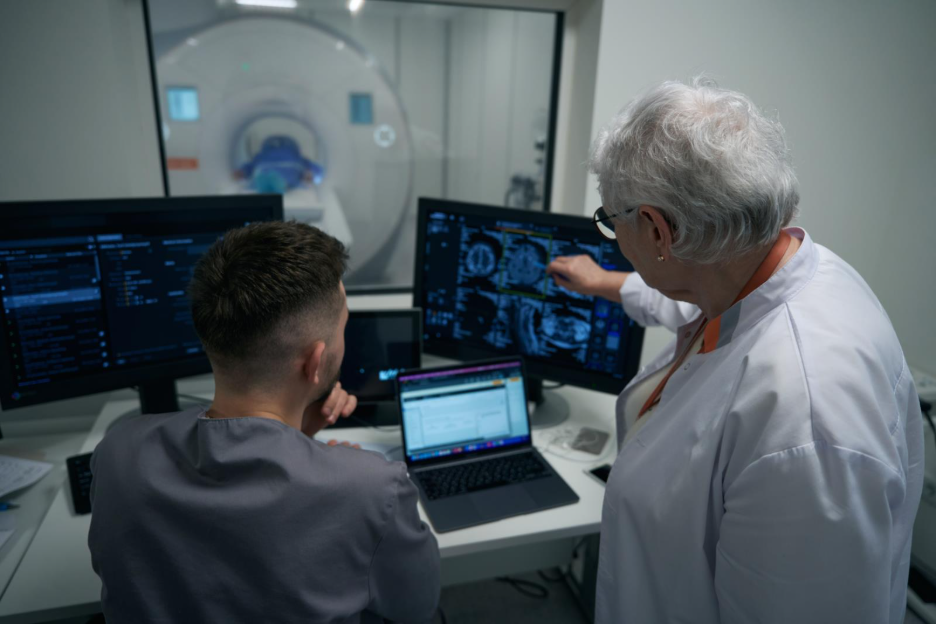
A doctor may ask questions about your past injury and current symptoms. They might also order brain scans, memory tests, or other tests designed to figure out what’s going on in your brain.
RELATED: How neurologists help traumatic brain injury lawyers prove cases
2. Medication
Some people need medication to help with headaches, sleep problems, anxiety, depression, and other symptoms caused by a past head injury.
3. Therapy and rehab
Doctors may suggest:
- Physical therapy to improve balance and movement
- Speech therapy to help with thinking or talking
- Cognitive therapy to restore memory and focus
4. Mental health support
Head and brain injury symptoms can affect emotions, and anxiety and depression are especially common among people with brain injuries. Mental health counseling or therapy can help with mood changes, stress, and feeling overwhelmed.
RELATED: Depression after a car accident: getting the medical (and financial) support you need
5. Lifestyle changes
Doctors may recommend:
- Getting enough sleep
- Eating healthy foods
- Taking breaks when tired
- Avoiding alcohol or drugs
These small changes could help reduce your symptoms, but it’s important to be realistic about your expectations. Symptoms of an old head injury might linger for a long time and require a lot of treatment. This treatment can cost a lot, and your symptoms could prevent you from working and being productive. That’s why it’s especially important to contact a brain injury attorney to figure out whether you have a case for financial compensation.
Do I have brain injury symptoms?
Use this list of symptoms to evaluate how you feel. If you have a past head injury and now have one or more symptoms on this list, it may be time to talk to a doctor.
Physical symptoms
- Headaches
- Dizziness
- Nausea or vomiting
- Feeling very tired
- Trouble sleeping
- Sensitivity to light or noise
Thinking and memory symptoms
- Trouble remembering things
- Feeling confused or foggy
- Hard time focusing
- Slower thinking
Emotional symptoms
- Feeling sad or depressed
- Feeling anxious or nervous
- Mood swings
- Getting angry easily
Daily life problems
- Trouble at work or school
- Problems with relationships
- Difficulty doing normal tasks
- Feeling overwhelmed easily
When to get help
You should seek legal and medical help if your head injury symptoms:
- Are getting worse
- Are affecting your job or family life
- Started after an accident caused by someone else, even if the accident happened a long time ago
It’s important to talk to a doctor as soon as possible, but it’s also critical to contact an experienced personal injury lawyer who understands head and brain injuries. A lawyer can not only help you figure out whether you can get financial compensation for your injuries, but they can also work with doctors to keep track of your medical care and make sure you’re seeing the right specialists.
Client story: A brain injury that wouldn’t go away
Late one night, Jerry M. was driving his pickup when a commercial truck slammed into him head-on. The truck driver had been driving the wrong way.
The impact was so severe that it ripped a wheel off Jerry’s vehicle. A nearby couple rushed to the scene and pulled Jerry from the wreck before emergency crews arrived. He was taken to the hospital, badly injured and disoriented.
Doctors quickly diagnosed Jerry with serious physical injuries and symptoms, including:
- A damaged disc in his neck
- Injuries to both shoulders
- Torn wrist cartilage
- Severe neck and back pain
The trucking company’s insurance carrier agreed to pay compensation for those visible injuries. But Jerry and his family soon realized that something even more serious was wrong.
After the crash, Jerry began experiencing memory problems, depression, personality changes, and difficulty doing his job as a master plumber. These symptoms pointed to a traumatic brain injury.
However, because standard brain scans came back normal, the insurance company argued that Jerry had only suffered a mild concussion. They said he was fine, even though Jerry and his family knew he was far from fine.
Jerry’s attorney, Tom Crosley, knew he had to find a different approach to this case. He studied medical research, worked closely with brain injury specialists, and used advanced brain imaging technology that can detect injuries traditional scans often miss. This cutting-edge testing revealed clear evidence of significant brain damage that explained Jerry’s symptoms.
The case went to trial, where the jury heard detailed medical testimony and learned how the injury had affected Jerry’s work, marriage, and daily life. After reviewing all the evidence, the jury recognized the full impact of Jerry’s injuries and returned a verdict of more than $16 million. While Jerry still had a lot of healing to do, he now had financial security for his future.
This story is a real case that was handled by the attorneys at Crosley Law. To read a more detailed account of Jerry’s story, click here.
You can also listen to our podcast, “Winning the TBI Case,” to learn more about how attorneys approach traumatic brain injury cases.
Car Crash? Call Crosley
If you’re suffering from symptoms of a brain injury caused by an accident, we’re here to help, whether the injury just happened or occurred a long time ago. Crosley Law has earned a reputation as one of Texas’ leading TBI law firms. We’ve handled a wide range of traumatic brain injury cases, from seemingly “minor” concussions to severe and destructive brain injuries.
If you’ve been injured or lost a loved one in an accident, call Crosley Law today at (210) 529-3000 or use our quick online contact form. We’ll set up your free, no-risk consultation so you can get expert legal advice about your situation.
The content provided here is for informational purposes only and should not be construed as legal advice on any subject.