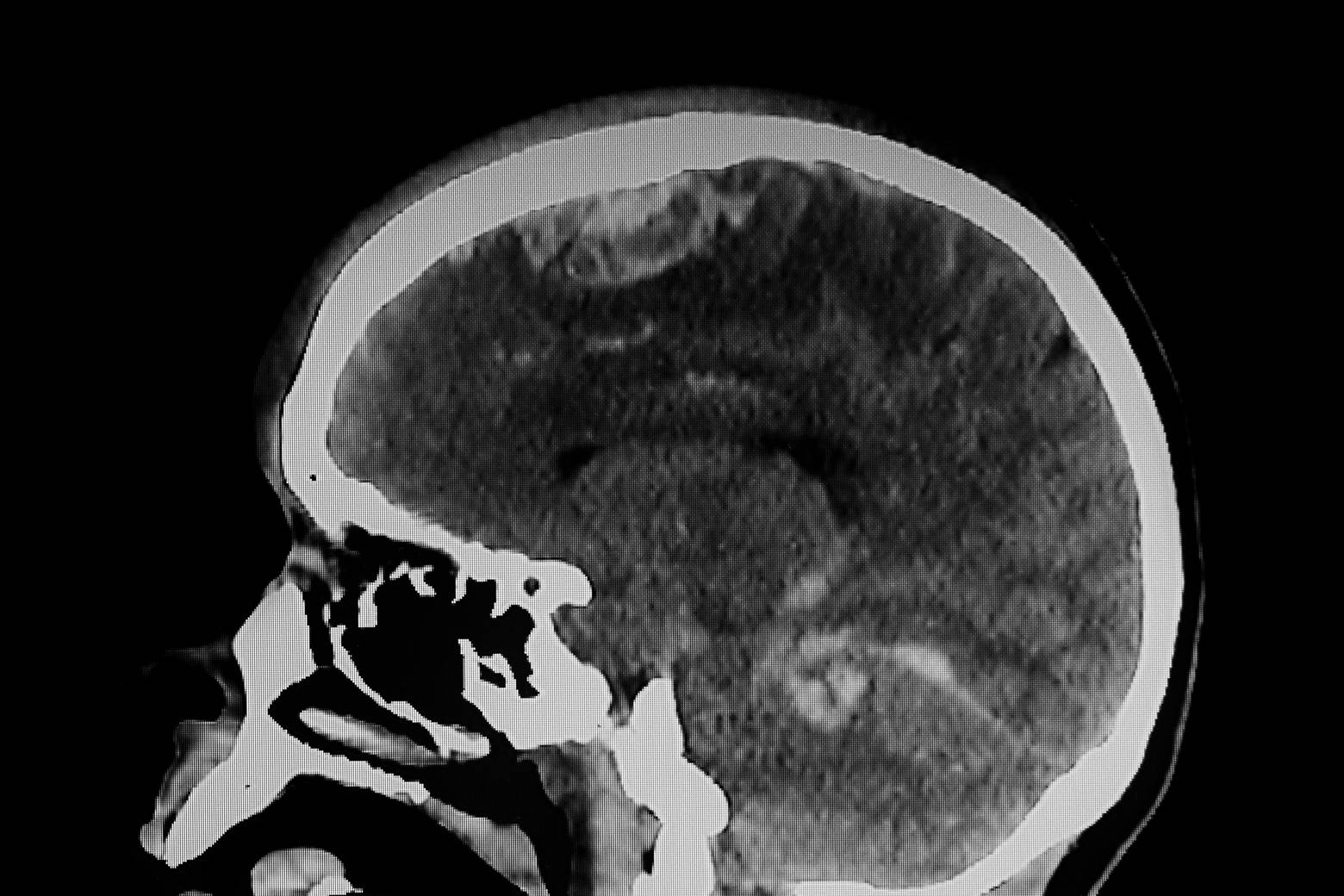



If you’ve suffered any kind of blow to the head, you may have walked out of the emergency room with what doctors called a “mild” concussion. Maybe they said everything looked normal on your MRI or CT scan. Maybe they told you to rest and that you’d feel better soon.
But weeks or even months later, you’re still not yourself. You’re dealing with brain fog, memory problems, mood swings, headaches, or trouble concentrating. You know something is wrong, but you’re being told that “scans are normal.” It’s enough to make anyone feel confused, frustrated, or even gaslit.
At Crosley Law, we hear this story from clients all the time. The good news is, you’re not alone and you’re likely not imagining your condition. In fact, the American Congress of Rehabilitation Medicine (ACRM) recently updated its guidelines to make it clear: you can have a very real, very serious traumatic brain injury (TBI) even if your initial scans come back “clean.”
These new guidelines give both doctors and personal injury attorneys a clearer framework for diagnosing and proving TBIs. Here’s how it can make a difference in your traumatic brain injury settlement or trial.
The problem with old definitions of “mild” brain injuries
For nearly three decades, doctors and lawyers used a 1993 definition of “mild traumatic brain injury” (mTBI) from the ACRM. However, this definition didn’t keep up with advances in medical technology or give clear criteria for diagnosis.
The result? Confusion. Different groups such as sports doctors, military doctors, and ER physicians used different definitions of an mTBI. What could be diagnosed as a concussion under one definition might not be in another.
The lack of clarity caused real problems for people suffering from these injuries, especially when insurance companies used that confusion as an excuse to deny victims’ claims.
RELATED:Why brain injuries are overlooked and how a brain injury lawyer can help
How updating the guidelines has changed the game for brain injury victims
In 2023, the ACRM updated its guidelines to make it easier to diagnose a mild TBI and recognize its symptoms, even when imaging tests like MRIs and CT scans appear normal.
To be diagnosed with a mild TBI under the new guidelines:
- There must be a plausible cause. This could be a direct blow to the head (like hitting a steering wheel in a car crash), a rapid jolt (like a whiplash injury), or exposure to a blast wave (common in military service).
- At least one of the following must apply:
- Clear signs of altered brain function, such as confusion, loss of consciousness, or memory gaps
- A combination of symptoms like headaches, dizziness, nausea, or trouble thinking, along with at least one measurable physical sign such as failing a balance or coordination test
- Objective findings on advanced brain imaging (which are rare but can happen)
- Other possible causes must be ruled out. For example, symptoms shouldn’t be explained by drug use, stress, or an unrelated mental health condition.
This approach gives doctors a more flexible, evidence-based way to identify TBIs. And importantly, it gives personal injury attorneys a clearer foundation to argue that your injury is real and deserves compensation.
Complicated vs. uncomplicated mTBI: Both deserve serious attention
The new ACRM guidelines also help explain why some people recover from a TBI quickly while others struggle long-term. There are two categories within the guidelines:
- Uncomplicated mTBI: The injury meets the criteria for a mild brain injury, but imaging tests like CTs and MRIs don’t show any visible damage.
- Complicated mTBI: The person has symptoms of a mild TBI and their imaging shows brain damage (such as swelling, bleeding, or tissue damage).
It’s important to understand that both types of mTBI are real injuries. Just because your MRI was normal doesn’t mean you aren’t suffering or don’t deserve compensation.
In fact, many of our clients with “uncomplicated” TBIs struggle for months or years with cognitive issues, personality changes, and other symptoms that drastically affect their lives and careers.
RELATED:Mild traumatic brain injuries: symptoms, delayed effects, and how a concussion lawyer can help
What if you didn’t go to the hospital right away?
Many people don’t seek medical care immediately after a head injury. Maybe you felt okay at first. Maybe you didn’t want to miss work or thought it wasn’t serious. Then, days later, the symptoms started: fatigue, forgetfulness, mood changes.
The 2023 ACRM guidelines account for that, too. A doctor can still make a TBI diagnosis after the fact if there’s a reasonable basis to believe a brain injury occurred. That’s a huge step forward for legal cases where there might not be perfect documentation from day one.
At Crosley Law, we’ve helped many clients in this exact situation. We work with doctors, neurologists, and brain injury specialists who are trained to use these updated guidelines and understand how TBIs often show up gradually.

How the guidelines can help you reach a better traumatic brain injury settlement
Insurance companies often try to downplay brain injuries, especially when they’re not visible on scans. They’ll say things like:
- “The MRI was normal, so it can’t be that bad.”
- “You didn’t report symptoms right away.”
- “You’re just stressed or anxious.”
- “You’re exaggerating to win a lawsuit.”
These arguments can feel insulting and invalidating. That’s why having updated, science-based guidelines like those from ACRM is so important. They give your medical team and your legal team a clear way to prove that your brain injury is real and serious, even if it’s not visible on traditional scans.
At Crosley Law, we regularly work with neurologists, neuropsychologists, and other brain injury experts who are familiar with the latest tools and diagnostic methods. We use their reports, test results, and expert testimony to build strong, evidence-based cases that hold up in court and in settlement negotiations.
You don’t have to seek justice alone
If you’ve suffered a concussion or other brain injury and are still dealing with symptoms, it’s time to get help. You may be entitled to compensation for:
- Medical bills and treatment costs
- Lost wages and reduced earning ability
- Pain and suffering
- Emotional distress
- Future care needs
Even if you were told it was “just a mild concussion,” we know that the effects can be anything but mild.
Crosley Law has the TBI experience you need
At Crosley Law, we’ve handled many brain injury cases ranging from mild concussions to catastrophic head traumas. We understand the science, the medical terminology, and the legal strategies needed to win these cases.
RELATED:Revisiting my Trial Lawyer Nation interview: strategies for TBI lawyers
More importantly, we understand how these injuries affect real people. We’ve seen the confusion, the frustration, and the long road to recovery. We’ve also seen how a strong case, backed by expert testimony and cutting-edge medical evidence, can make a huge difference.
If you or a loved one has suffered a head injury, don’t wait. Call us today at 210-529-3000 or fill out our online contact form to request a free consultation where we can discuss your case and your potential next steps forward. There are no obligations.
We’re here to listen, to believe you, and to help you fight for the justice you deserve.
The content provided here is for informational purposes only and should not be construed as legal advice on any subject.