


If you live in San Antonio or travel regularly between San Antonio and Austin, chances are you know Interstate 35 all too well. It’s one of the most heavily traveled highways in Texas and, unfortunately, one of the most dangerous. Serious car crashes, catastrophic truck accidents, and fatal collisions happen on I‑35 with alarming frequency, particularly in the stretch running through San Antonio and north toward New Braunfels.
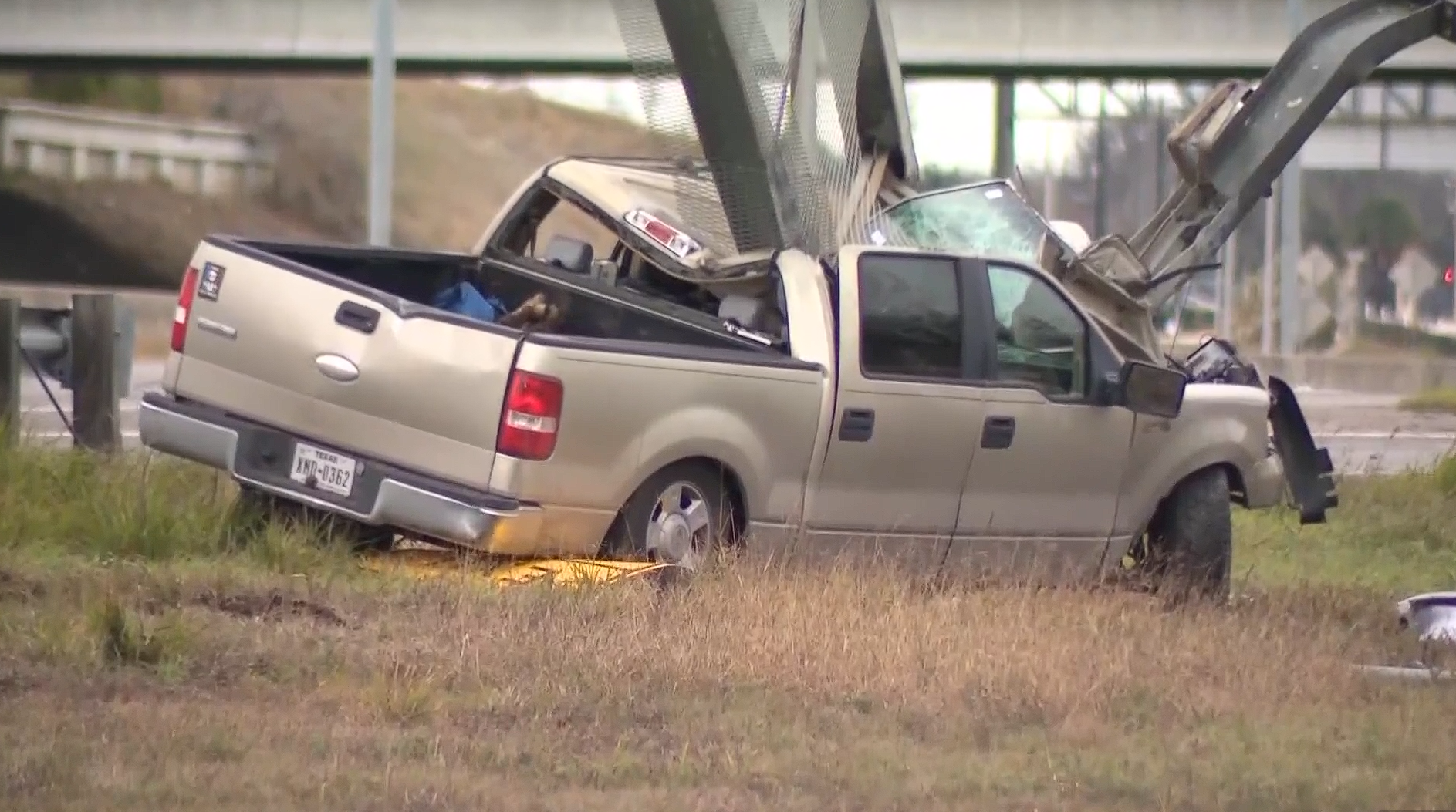
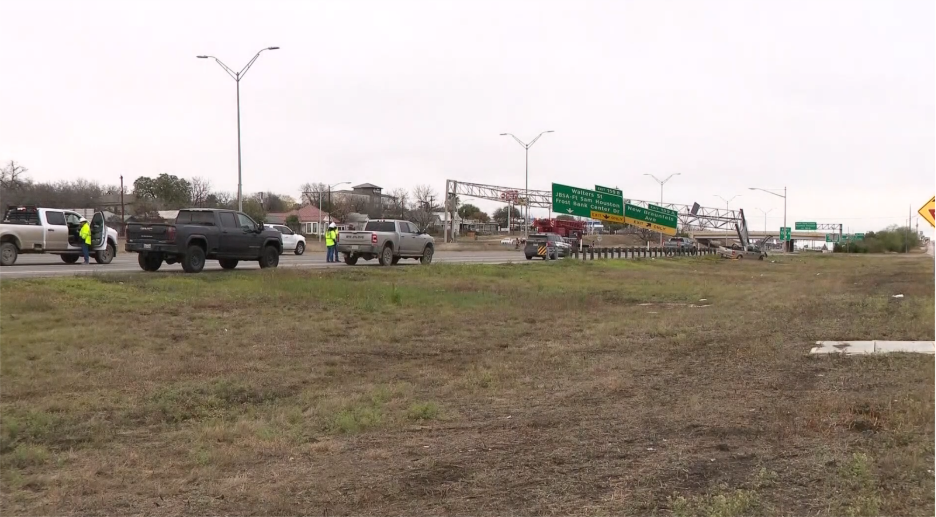
Many saw the January 2026 viral video of a pickup truck running off the road and crashing into an overhead highway sign near New Braunfels. This case is somewhat fortunate to involve only one vehicle. Many others aren’t as lucky, sweeping up other innocent motorists.
At Crosley Law, we’ve handled many cases involving I‑35 accidents. We’ve seen firsthand how devastating these wrecks can be and how complex the legal issues often become. Understanding why I‑35 is so dangerous can help you stay more alert on the road. And if you’ve already been injured, it can also help you understand why your case deserves serious attention.
Here are some of the major reasons why accidents happen so often on I‑35, the unique risks posed by commercial trucks, and how the experienced San Antonio car accident lawyers at Crosley Law can help if you or a loved one has been hurt.
RELATED: San Antonio’s most dangerous roads: Tips from a car accident lawyer
I‑35 generates a storm of risk factors for car accidents
Reports consider I-35 one of the most dangerous roads in Texas because multiple high‑risk factors can collide at once for travelers.
Heavy traffic volume from multiple regions
While I‑35 around San Antonio may serve as a local highway for many around here, it’s a major north‑south corridor that connects many areas including:
- Laredo and the U.S.–Mexico border
- San Antonio
- New Braunfels
- Austin
- Dallas–Fort Worth
This means I‑35 often carries a mix of local commuters, tourists, long-haul commercial truck drivers, and delivery vehicles. Many of those drivers can also come from out-of-state and may not be as familiar with I-35 accident risks as the locals.
The sheer volume of traffic dramatically increases the risk of crashes, especially during rush hour, holidays, and weekends.
Congestion and sudden stop‑and‑go traffic
One of the most dangerous features of I‑35 around San Antonio is how quickly traffic conditions can change. You might be moving at highway speeds one moment, then suddenly come to a near standstill the next. This is especially common:
- Near downtown San Antonio
- Around major interchanges
- In construction zones (of which there can be many)
- Northbound toward New Braunfels during peak hours
Sudden slowdowns can lead to rear‑end collisions, chain‑reaction crashes, and multi‑vehicle pileups. These crashes often cause serious injuries, including spinal injuries and traumatic brain injuries, even when vehicles don’t appear heavily damaged.
Construction zones and lane shifts
I‑35 seems perpetually under construction, and for good reason. Its aging infrastructure is carrying far more traffic than it was originally designed to handle.
Construction zones introduce several dangers:
- Narrow lanes
- Confusing lane shifts
- Reduced shoulders
- Poor visibility
- Distracted or impatient drivers
In these zones, even a small mistake can have devastating consequences. Crashes in construction areas often involve multiple vehicles and can raise complicated legal questions about liability, including whether contractors, trucking companies, or government entities played a role in a crash.
Speed differentials between vehicles
On I‑35, you’ll often see a wide range of speeds:
- Drivers traveling well above the limit
- Commercial trucks moving more slowly due to weight and regulations
- Congested lanes next to free‑flowing traffic
These speed differences make lane changes especially dangerous. A driver who misjudges the speed of an approaching vehicle—or a truck driver who can’t stop in time—can cause a catastrophic crash.
Commercial truck accidents on I‑35
Some of the most serious and deadly accidents on I‑35 involve commercial vehicles.
Why are trucks so common on I‑35?
I‑35 is a critical freight corridor. It’s heavily used by:
- 18‑wheelers
- Cross‑border freight carriers
- Construction and industrial vehicles
These trucks are larger, heavier, and far more dangerous in a crash than passenger vehicles.
CASE STUDY: Crosley Law wins $900K for father with concussion
Common causes of truck accidents on I‑35
Truck accidents along I‑35 often stem from issues such as:
- Distracted driving
- Speeding to meet delivery deadlines
- Improper lane changes
- Mechanical failures
- Overloaded or improperly secured cargo
Because trucks require longer stopping distances, congestion and sudden slowdowns on I‑35 are especially hazardous.
CASE STUDY: After crash with negligent driver, Amanda C. finds success with Crosley Law Firm
Why truck accident cases are often more complex
Unlike standard car accident claims, truck accident cases often involve:
- Multiple defendants (driver, trucking company, maintenance contractors)
- Federal trucking regulations
- Electronic data from the truck (black box, ELDs, GPS)
- Aggressive insurance defense teams
These cases require immediate investigation and an attorney who understands both Texas personal injury law and federal trucking regulations.
CASE STUDY: Crosley Law secures $600,000 settlement after trucking company blames others
What happens after an I‑35 accident?
If you’ve been injured in a crash on I‑35, you may be facing:
- Serious injuries
- Mounting medical bills
- Lost income
- Insurance companies disputing fault
- Pressure to settle quickly
Insurance companies know that I‑35 crashes are common. They will often try to minimize payouts by shifting blame, downplaying injuries, or arguing that congestion or “traffic conditions” were unavoidable.
This is where having an experienced San Antonio car accident lawyer can help.

How Crosley Law helps victims of I‑35 accidents
At Crosley Law, we don’t treat I‑35 accidents like routine fender‑benders. We know that crashes on this highway are often severe, complex, and life‑changing.
Deep experience with serious injury cases
Our firm focuses on serious injury and catastrophic injury cases, including:
- Severe orthopedic injuries
We understand the medical science behind these injuries and know how to prove them in court.
Thorough investigation from day one
In I‑35 cases, evidence disappears quickly. We act fast to:
- Secure crash reports and scene evidence
- Preserve vehicle data and electronic records
- Identify surveillance or traffic camera footage
- Work with accident reconstruction experts
This early action often makes the difference between a strong case and a weakened one.
Experience standing up to insurance companies and trucking defendants
Insurance companies and trucking corporations are not on your side. They are focused on limiting their financial exposure.
Crosley Law has built a reputation for taking difficult cases and preparing them for trial when necessary. That reputation matters, because defendants know we won’t accept unfair settlements.
A client‑centered approach
Most importantly, we understand what our clients are going through. After a serious crash, you need space to heal—not pressure from adjusters or legal confusion.
We handle the legal heavy lifting so you can focus on your recovery.
CASE STUDY: Crosley Law wins $4 million in trucking trial
Car Crash? Call Crosley. Our San Antonio car accident lawyers can help
I‑35 is dangerous. But being injured there doesn’t mean you should accept blame, confusion, or inadequate compensation.
If you or someone you love has been hurt in a crash on I‑35 near San Antonio or New Braunfels, it’s important to speak with a San Antonio car accident lawyer who understands both the roadway and the law.
At Crosley Law, we know how these accidents happen, how insurance companies respond, and what it takes to build a strong case. We’re here to listen, investigate, and fight for the full compensation you deserve.
Call Crosley Law at 210-LAW-3000 or fill out our form to request a free consultation.
The content provided here is for informational purposes only and should not be construed as legal advice on any subject.