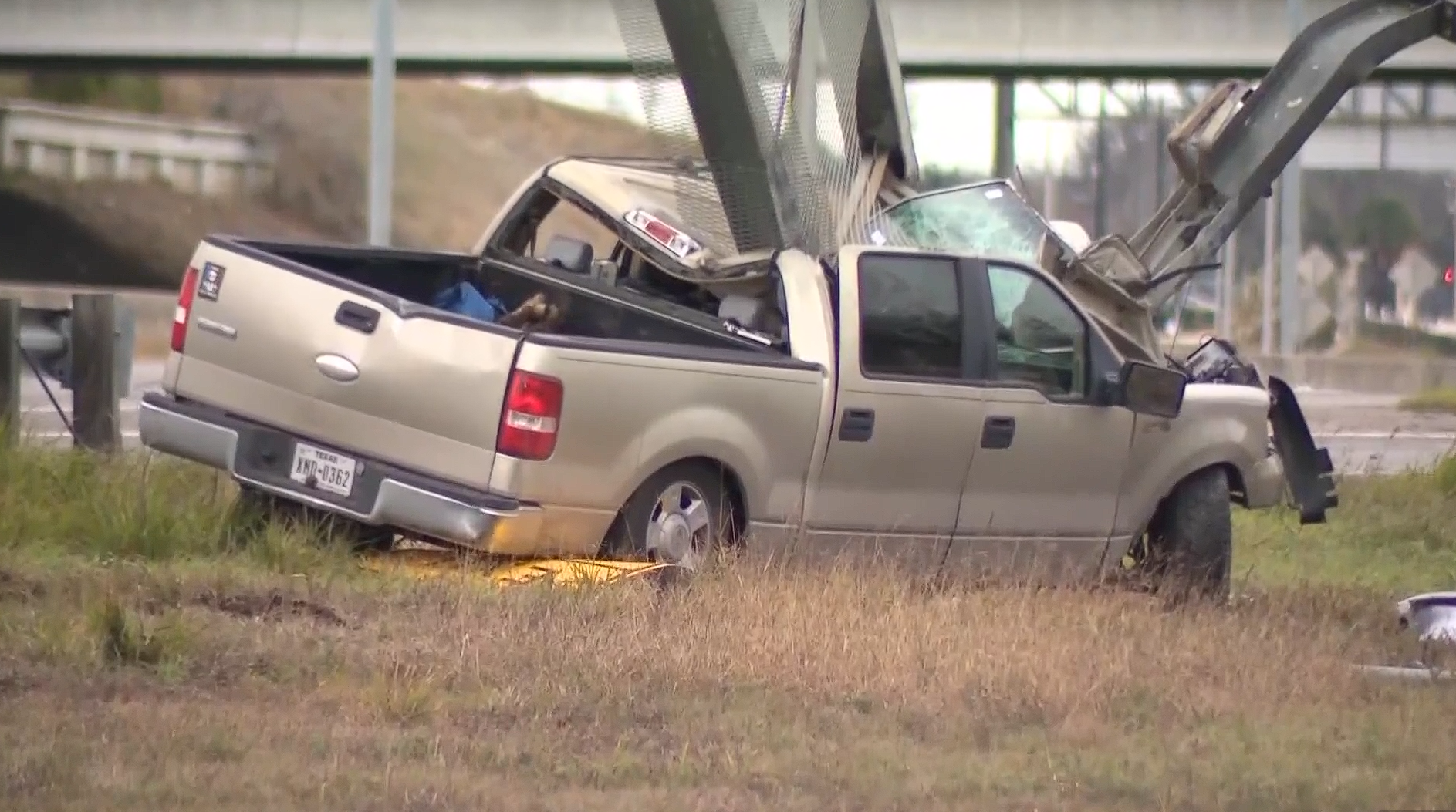



Concussions, also known as mild traumatic brain injuries (TBIs), are extremely common after car accidents. You don’t even need to hit your head to have a concussion. The sudden acceleration and deceleration of a collision is more than enough to jostle your brain around inside the skull and damage sensitive brain tissue. If you suspect that you or someone else may have sustained a concussion after an accident, it’s crucial to seek medical attention promptly. Some common TBI symptoms to watch for include headaches, dizziness, confusion, and difficulty concentrating. Early diagnosis and treatment can significantly improve recovery outcomes and help prevent further complications.
However, a significant percentage of traumatic brain injuries initially go undiagnosed. Even if you go to the emergency room or urgent care after a crash, doctors often miss the “silent symptoms” of TBIs or attribute them to other causes. Partly, that’s because ER doctors are focused on stabilizing and treating urgent, painful, or life-threatening problems. But it’s also true that signs of a brain injury can seem very subtle to outside observers (and even victims, at first), despite the fact they can have serious and long-lasting consequences for your quality of life.
If you or a loved one has recently been in a car crash and are exhibiting any of the following signs or symptoms, it’s time to seek medical attention as soon as possible—as well as a personal injury lawyer with experience handling TBI cases.
Breaking down the most common signs and symptoms of a mild traumatic brain injury
The long-term effects of traumatic brain injuries can impact your quality of life and should not be ignored. Unfortunately, far too many individuals experience undiagnosed TBIs and thus fail to receive proper treatment.
Below, we’ll break down the most common symptoms of mild head injuries into four broad categories. But before we continue, it’s important to note that you do not need to experience all these symptoms to have a TBI. Everyone experiences the effects of a mild TBI differently. That’s another reason TBIs are frequently undiagnosed. Even if you only have one or two of the symptoms below, you should seek medical attention as soon as you can.
1. Headaches
Post-traumatic headaches (PTHA) are one of the most common symptoms of a mild TBI. If you’re experiencing increased instances and severity of headaches in the days after a car accident, you should visit a doctor right away.
A post-traumatic headache can take several forms. Tension headaches, which are generally described as a feeling of pressure in the head or neck, are often related to a reduced tolerance for stress or difficulty in thinking. Additionally, an increase in the frequency or severity of migraine headaches accounts for nearly 20% of all PTHAs.
Often overlooked, musculoskeletal headaches are also a common form of PTHA. These usually develop from pain caused by damage done to the muscles or bones in the head and neck area. Considering the force of impact that often leads to TBIs, these headaches can be a good indicator of a larger health concern.
2. Sensory Problems
Abnormal changes to any of your five senses are common signs you’ve suffered a traumatic brain injury. These can include:
- Vision problems such as blurred vision, double vision, sensitivity to light, loss of peripheral vision, difficulty tracking moving objects, or difficulty switching focus between near and far objects.
- Hearing problems such as ringing in the ears (tinnitus), altered sensitivity to sound, muffled or distorted hearing, or difficulty locating where sounds are coming from.
- Smell and taste problems such as loss of smell and taste, or familiar foods suddenly taking on a different scent or taste. (In one recent case, we represented a man whose taste in food completely changed after a crash.)
- Touch problems such as hypersensitivity to touch, abnormal sensations (such as tingling or burning), or difficulty distinguishing temperatures, textures, or pressures.
3. Behavioral Changes
Depression and anxiety can develop because of a TBI. The brain regulates emotional states, so even a small change due to injury can significantly change how people behave and react to situations in their day-to-day lives. In many cases, these symptoms may combine to impact your job, schoolwork, and quality of life.
Mood swings from these altered emotional states can, in some cases, even lead to dangerous or irrational thoughts and actions. If you feel unable to overcome a sense of depression or anxiety, or if you are suicidal, you should seek help immediately—regardless of whether you’ve suffered a severe head injury.
For some people, associated behavioral symptoms may include low energy or fatigue as a lasting result of a concussion. While there are several factors that can affect energy levels, including diet and sleep, a sharp shift in your ability to get work done or complete daily tasks could be a sign you have a TBI.
4. Cognitive Difficulties
Brain injuries may lead to lasting troubles with concentration, memory, acting, speaking, and reading—among other cognitive problems.
For example, if you’re having difficulty solving problems that you don’t typically find challenging, it may be a sign of impaired cognitive function. Other examples of cognitive symptoms include:
- Memory problems such difficulty learning new information, recalling recent events or conversations, or remembering important details or tasks.
- Attention and concentration problems such as distractibility, difficulty focusing, inability to multitask, or needing to have things repeated multiple times.
- Communication problems such as word-finding difficulty, slower reading, or difficulty following complex conversations.
- Executive function problems such as being unable to make even small decisions, poor judgment, and trouble with planning and organization.
Identifying cognitive impairments can often be challenging since the symptoms can appear subtle to outside observers. Sometimes cognitive symptoms are blamed on depression, stress, or part of normal aging. TBI victims also might develop strategies to hide or compensate for their struggles. They may not even be fully aware how much their abilities have declined.
For example, several years ago we represented a master plumber who suffered an undiagnosed TBI after a collision. When he attempted to go back to work after the crash, he found it almost impossible to do the things that used to come naturally: manage employees, remember details, bid on jobs, and stay on task.
If you find it challenging to do things that used to seem easy, or you notice a loved one with similar difficulties after a car accident, don’t try to hide it or explain it away. Make sure you seek immediate medical attention.
I never lost consciousness after the crash. Could I still have a mild TBI?
Yes, absolutely. Although many people who suffer a concussion or mild TBI lose consciousness for a few seconds or as long as 15 minutes, it is not a requirement for a brain injury.
For example, last year we represented Seth, a passenger in a rideshare vehicle who was injured when his driver crashed into a concrete retaining wall. Seth never lost consciousness and even had the frame of the mind after the crash to get out of the vehicle, check on the driver, and call 911. Despite this, he still clearly suffered from obvious cognitive and physical symptoms of a brain injury, including headaches and short-term memory loss.
However, that won’t stop some insurance companies from trying to argue that because you remained conscious, your symptoms must not be that bad.

Remember: there’s no such thing as a “mild” TBI
The fact that concussions are called “mild” TBIs is extremely misleading. All TBIs are serious injuries, and all have the potential to cause long-term post-concussion syndrome or even permanent brain damage.
Whether a brain injury is classified as a mild, moderate, or severe traumatic brain injury depends on the observed symptoms in the immediate aftermath of the crash, such as how long a person lost consciousness. And while it’s true that people with moderate or severe TBIs almost always have some permanent impairment of brain function, a meaningful percentage of mild TBI victims do too—even among those who had very subtle symptoms at first.
So, you should never underestimate headaches, sensory issues, or any other common signs of a brain injury after any car accident. See a medical specialist as soon as you can. The sooner you get a diagnosis and begin treatment, the better it will be for your long-term health—as well as any personal injury claim you choose to file.
An experienced car accident lawyer can significantly aid your recovery
As we said above, brain injuries are extremely common after car accidents. And because even a mild TBI is still a severe injury, victims deserve meaningful compensation for their pain, suffering, lost wages, and other impacts to their quality of life.
But actually getting fair compensation for a brain injury after a Texas car crash is still an uphill battle. TBIs are “invisible injuries.” The effects can be subtle to an outside observer, and insurance companies regularly undervalue personal injury claims. They might argue you didn’t really have a TBI or, if you did, that your symptoms aren’t nearly as bad as you claim.
If you want to overcome the insurance company’s tactics, you will need medical evidence. You will also likely need personal testimonies from friends and family members. You may even need to hire medical experts who know how to review, analyze, and present the evidence to a skeptical insurance company or jury.

Why choose Crosley Law?
For more than a decade, Crosley Law has established itself as one of the leading TBI law firms across Texas and the United States. Our team handles several TBI cases each year and has secured more than $100 million in TBI-related settlements and verdicts for our clients.
First and foremost, we make sure our clients get the high-quality medical care they deserve, as well as the advanced diagnostic testing they’ll need to win their personal injury case. We work hard to stay up to date with the latest medical science and technology surrounding brain injuries and can even help you find a specialist that’s right for your needs.
And when it comes to defending your rights, we’ve crafted a dependable legal strategy that has helped us get multiple six-, seven-, and even eight-figure settlements and verdicts for TBI victims over the years. Attorney Tom Crosley is regularly asked to speak to other attorneys about our strategies and methods.
RELATED POST: TBI after a crash: How we help clients get the best outcomes when cases go to trial | Crosley Law After a collision, many individuals may experience various physical and cognitive challenges, often accompanied by headache symptoms after car accident scenarios. These symptoms can significantly impact their daily lives and overall well-being, making it essential to seek proper medical evaluation and legal support. Our firm is dedicated to ensuring that clients not only receive the necessary treatment but also secure the compensation they deserve for their losses.
Some of our big wins include:
- $30 million for the family of a young girl who suffered a TBI after falling approximately 25 feet from a faulty apartment window. Read more.
- $16 million for a client who suffered a TBI from a head-on collision with an 18-wheeler. This was one of our first big TBI cases and a great example of the lengths we will go to ensure our clients get justice. Read more.
- $11.5 million for a teenager injured at an indoor trampoline park. Read more.
- $9 million for a young man hit from behind by a delivery truck while walking home. Read more.

Car Crash? Call Crosley
If you think you may have signs of a brain injury after a car accident, please contact Crosley Law Firm right away for a free, in-depth case review and consultation by calling 210-LAW-3000. Our attorneys have decades of experience handling cases involving head trauma and are eager to help however they can.
The content provided here is for informational purposes only and should not be construed as legal advice on any subject.