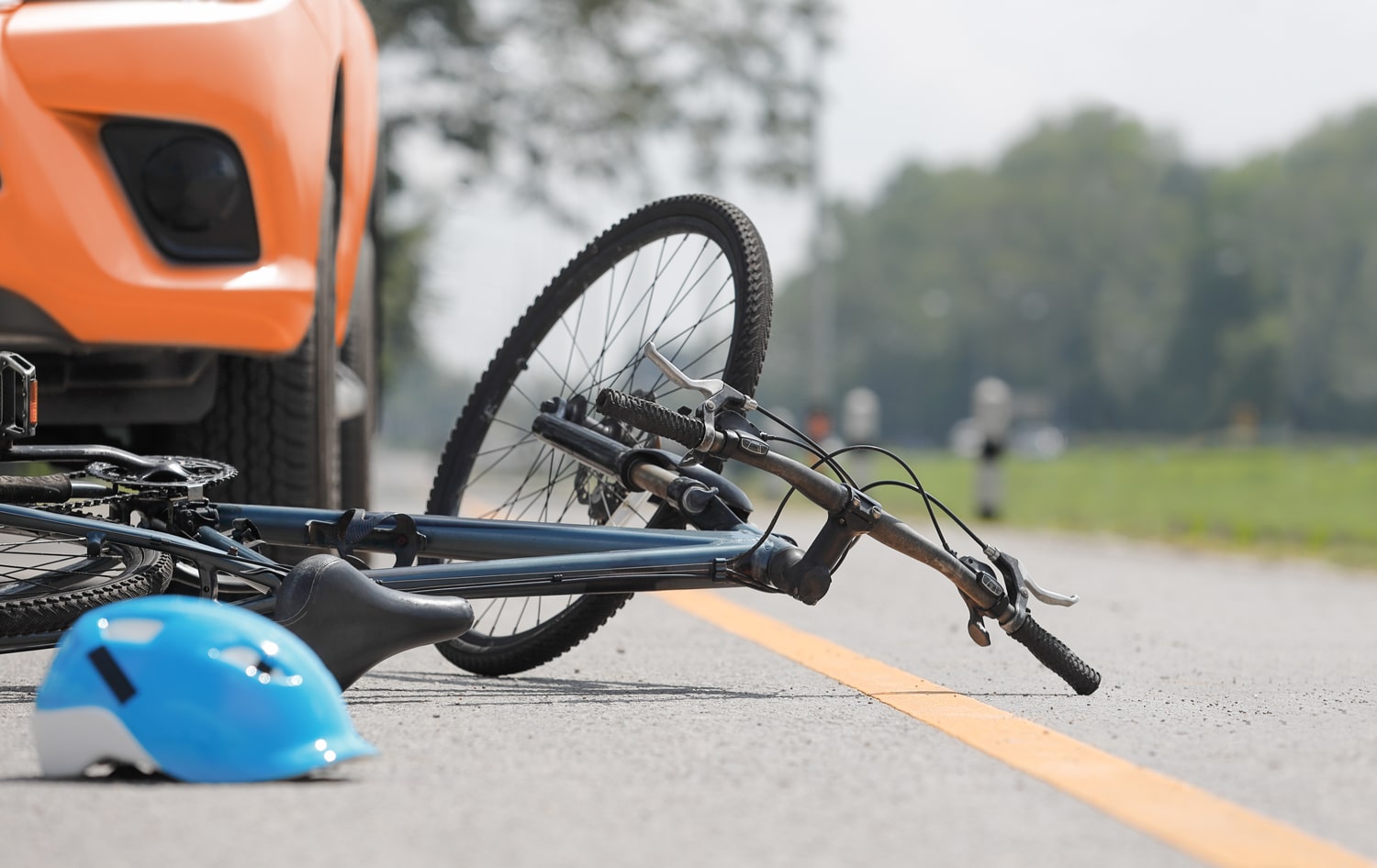



When bicycles and cars come into conflict, the cyclist is at a significant disadvantage. In 2023, according to the Texas Department of Transportation, there were 2,595 bicycle accidents involving motor vehicles, and more than 90 percent of them resulted in injuries—many of them moderate to severe.
Usually, if you have a severe injury, it will result in a bigger personal injury settlement. But that isn’t always the case. Cyclists often face dismissive attitudes and prejudices that non-riders have about them. And because they’re often hurt badly at the scene of the wreck, they can’t always share their side of the story with the police. (That’s a problem we’ve seen firsthand.) This can work against them and keep them from getting the compensation they deserve.
In this blog, we’ll look at how bicycle accident settlements are calculated, what other factors influence personal injury settlements, and how an experienced bicycle accident lawyer can help.
RELATED: San Antonio Bicycle Accident Attorneys | Crosley Law

Our clients’ bicycle accident payouts
At Crosley Law, we’ve achieved some major settlements for bicyclists:
- Multi-million confidential settlement for a young man who was hit by a delivery truck while riding his bicycle on the sidewalk. The case took several years of hard work and more than 30 depositions, but we made sure our client won the financial resources to cover a lifetime of needs and medical bills.
- $1.5 million settlement for Carl after a pickup driver smashed into him at an intersection. At first, the police blamed Carl because the truck driver said he wasn’t using a bike light, even though he was. We investigated the crash, set the record straight, and tested our arguments against focus groups and mock juries to make sure we could overcome anti-cyclist bias. Thanks to our efforts, the insurance company eventually paid a fair settlement.
- $1.1 million for the family of a cyclist who left behind a wife and four children after he was struck and killed by a negligent truck driver.
Not all cases are worth millions. Bicycle accident settlements vary significantly based on the circumstances, with payouts that can range from a few thousand to millions of dollars.
There’s no such thing as an average bicycle accident settlement. It all depends on factors like who was at fault, what insurance coverage is available, how badly you’ve been hurt, and the skill of your attorney.
If you want the best chance at maximizing your payout, contact a bicycle accident attorney as soon as possible after your crash.

How are bicycle accident damages calculated?
In a personal injury lawsuit, “damages” are the money awarded to an injured person due to someone else’s negligence. They compensate you for the losses and expenses you suffered because of the injury, helping you recover and move forward.
After a bicycle accident, you might be able to claim three types of damages in your personal injury claim.
- Economic damages: Your past and future medical bills, past and future lost wages, cost of medications, and anything that has a verifiable financial cost.
- Non-economic damages: Compensation for your physical pain and suffering, emotional anguish, and disfigurement. These damages compensate you for the reduction in your quality of life. If you’ve been severely injured or disabled, your non-economic damages might be greater than your economic damages.
- Punitive damages: These punish the at-fault party for conduct that is especially reckless or grossly negligent—for example, when a crash involves excessive speeding or drunk driving. They’re rare but might be available depending on the circumstances.
Calculating damages in a bike accident claim is no simple matter, especially when serious injuries are involved. In addition to collecting medical records, your personal injury attorney may need to speak with medical specialists, life care planners, and other experts who can provide good estimates of your future care needs. They will also interview your friends, family, and loved ones to paint a picture of what your bike crash has cost you personally.

Who pays the bicycle accident injury claim in Texas?
Like any other motor vehicle-involved accident, the at-fault party is responsible for paying a crash victim’s damages. So, if you were hit by a car and the driver was at fault, you would file a claim against the driver’s auto insurance policy first.
Unfortunately, a lot of drivers in Texas don’t have enough liability insurance coverage. If the driver only has minimum coverage, their insurance company won’t pay more than $30,000. If you’ve been seriously hurt, that may only cover a fraction of your medical expenses.
However, if you own a motor vehicle, your own auto insurance policy’s uninsured and underinsured motorist coverage (UM/UIM), personal injury protection, or MedPay might cover your bicycle accident claim.
We can’t stress this enough: if you own a motor vehicle, you should buy a substantial amount of UM/UIM coverage. That’s good advice no matter what, but it’s especially important if you do a lot of bike riding.
If you don’t own a car, there are a few insurance companies that offer insurance coverage specifically for bicyclists.
RELATED POST: How Can We Improve Bicycle Safety in San Antonio? | Crosley Law

Putting it all together: Main factors that drive bicycle accident settlements
Now that you understand how damages are calculated and how insurance works, let’s put it all together. Here are the main driving factors behind bike crash settlements.
Your medical bills and lost income
The more medical treatment you need, and the more expensive those treatments are, the more damages you can claim. Make sure you keep copies of all your medical bills—and give them to your lawyer.
Similarly, if you have a good job and are unable to work, your lost income will help drive your bicycle accident settlement’s value up. Your lawyer might ask for information about your income, like paycheck stubs or W2 forms.
These losses might also affect your non-economic damages. Insurance companies typically use economic damages as a starting point to calculate pain and suffering.
Clear (or unclear) liability
Juries usually award more compensation in cases where it’s clear that one party caused the wreck. And insurance companies often pay more to avoid trial when liability is clear. The murkier the facts, the lower the offer you can expect.
Liability can be tricky for cyclists. Drivers who rarely or never ride bicycles often hold negative stereotypes about bike riders. You’ve probably heard all about how cyclists “ride dangerously” and “ignore the rules of the road.” You might have even been on the receiving end of verbal abuse yourself.
When the facts of the crash aren’t super clear, cyclists should not expect the benefit of the doubt. (Especially if you can’t speak up for yourself because you’ve been seriously hurt or have a poor memory of the crash.)
Insurance coverage
Insurance policies won’t pay more than their coverage limits, no matter how badly you’re hurt. Because most Texas drivers don’t have million-dollar liability insurance plans, you might have to file claims under your own underinsured motorist coverage, personal injury protection, or medical payments coverage to cover your losses.
Your bicycle accident lawyer
The skill and experience of your attorney can make a huge difference, especially in cases with significant medical bills, lost wages, and long-term disability.
Hiring an experienced personal injury attorney with an established track record of successful bike crash cases is a plus. If you want to maximize your payout, you should also choose an attorney with trial experience. While most bicycle accident cases do settle before trial, insurance companies will generally pay more to settle if they’re worried about a big loss at court.
Car Crash? Call Crosley
If you or someone you love was hit by a car while riding a bicycle, call Crosley Law at (210) 529-3000 today for a free consultation. The evidence you need to prove your case may not survive much longer, so don’t delay and get the objective legal advice you need today.
The content provided here is for informational purposes only and should not be construed as legal advice on any subject.