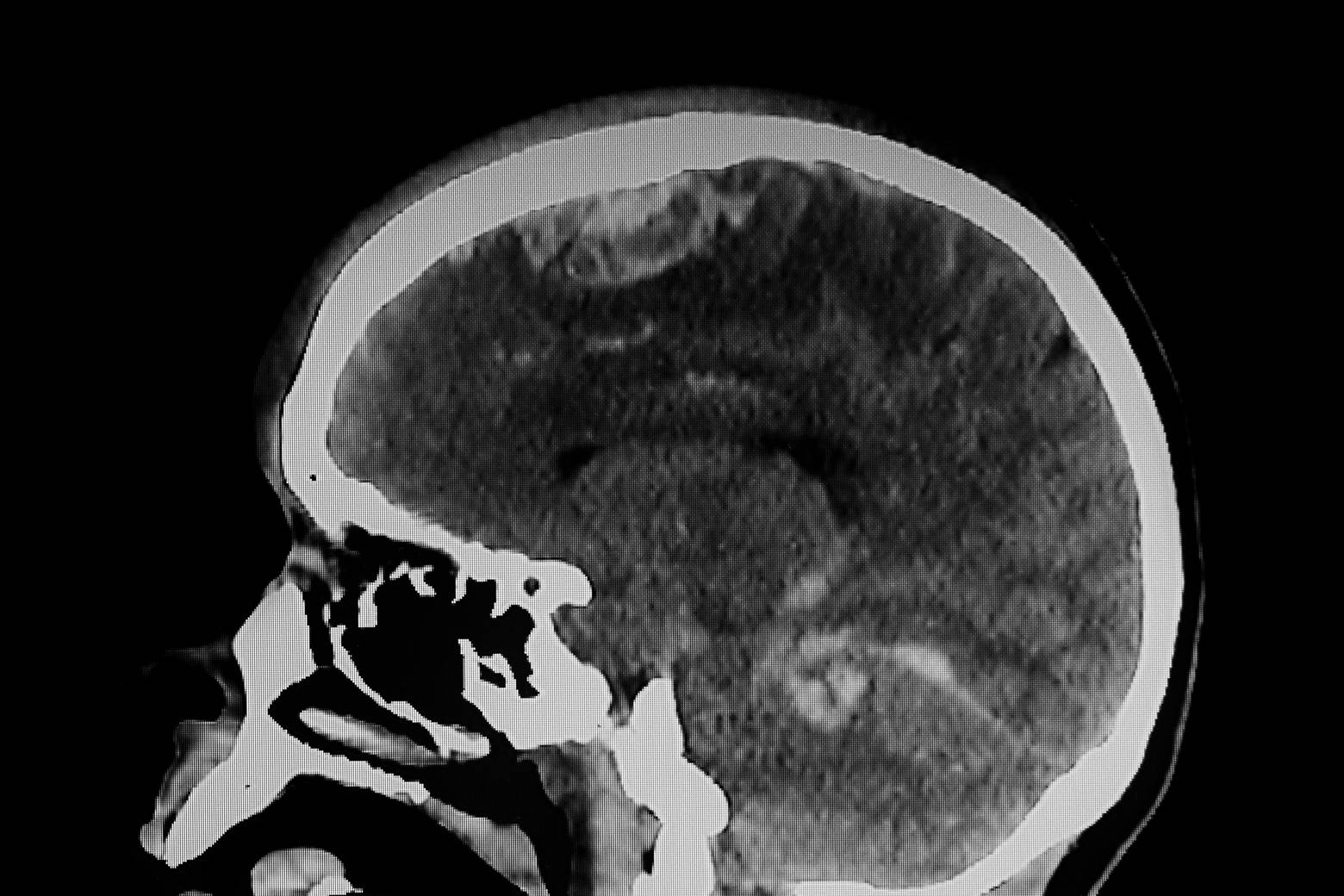


Repetitive blows to the head, even small ones, can result in traumatic brain injury, leading to increased risk of dementia, Alzheimer’s disease, depression and chronic traumatic encephalopathy. Alzheimer’s includes confusion, irritability and aggression, mood swings, language breakdown, long-term memory loss, and general withdrawal from your daily activities. As with encephalopathy, the degeneration of the brain and loss of bodily control can ultimately prove fatal. These injuries are life threatening and irreversible in nearly all instances. Contacting an injury lawyer is key to receiving the financial backing for the care and compensation you deserve. In many cases, the leading causes of brain injury stem from sports-related incidents, falls, and vehicular accidents. It is crucial for individuals experiencing symptoms of traumatic brain injury to seek medical attention promptly, as early intervention can help mitigate some of the long-term effects. Legal recourse may also provide necessary support for ongoing treatment and rehabilitation efforts. Common types of brain injuries include concussions, contusions, and diffuse axonal injuries, all of which can stem from repetitive head trauma. While the severity and symptoms may vary, each type poses significant risks to cognitive function and overall health. Early intervention and proper medical care are crucial in managing these injuries and preventing further complications.
Studies by the University of North Carolina show that those that have had multiple concussions are three times more likely to develop clinical depression. Retired football players are 37 percent more likely to develop Alzheimer’s than the average individual. Additional studies by the University of Michigan have shown that players are 19 times more likely to develop dementia than the average American. This dementia can set in as young as 30 years old, affecting players during critical points in their careers. The National Football League denies the validity of these two studies and their findings. It is hard to deny that head injury is detrimental to one’s health and wellbeing. As more research comes to light, it becomes increasingly crucial for players, families, and medical professionals to understand the long-term consequences of repeated head injuries. Awareness and education can empower individuals to take control after traumatic brain injury, advocating for better treatment and support systems. By prioritizing brain health and implementing protective measures in sports, we can work towards reducing the risks associated with concussions and their lasting effects. These alarming statistics highlight the urgent need for a comprehensive approach to athlete safety. A latent brain injuries overview indicates that many symptoms may not manifest until years later, complicating diagnosis and management. As the conversation around head injuries continues to evolve, it is crucial for organizations and policymakers to address these risks proactively. Moreover, the long-term effects of repeated head trauma can linger far beyond an athlete’s playing days, leading to a range of cognitive and emotional difficulties. Athletes often face significant traumatic brain injury challenges, impacting their quality of life and relationships. As awareness about these risks grows, there is an increasing call for better protection and protocols within contact sports to safeguard player health.
With all of this controversy, policies are being implemented that require independent medical evaluations by neurologists for players with brain injuries. A personal injury lawyer can help those injured receive compensation for medical bills and lost wages during this crucial time. Traumatic brain injuries can happen at any time, from many small blows to the head or just one massive blow. It is important to know your rights and contact the Crosley Law Firm. No level of compensation can make things right, but an experienced attorney can help you and your family to receive the financial compensation you deserve. As awareness grows around the long-term effects of traumatic brain injuries, recent advancements in TBI research are shedding light on effective treatments and rehabilitation strategies. This progress highlights the importance of securing skilled legal representation, as understanding these developments can significantly influence the outcome of a case. It’s crucial for injured players and their families to stay informed and ensure their voices are heard in the fight for justice and compensation.