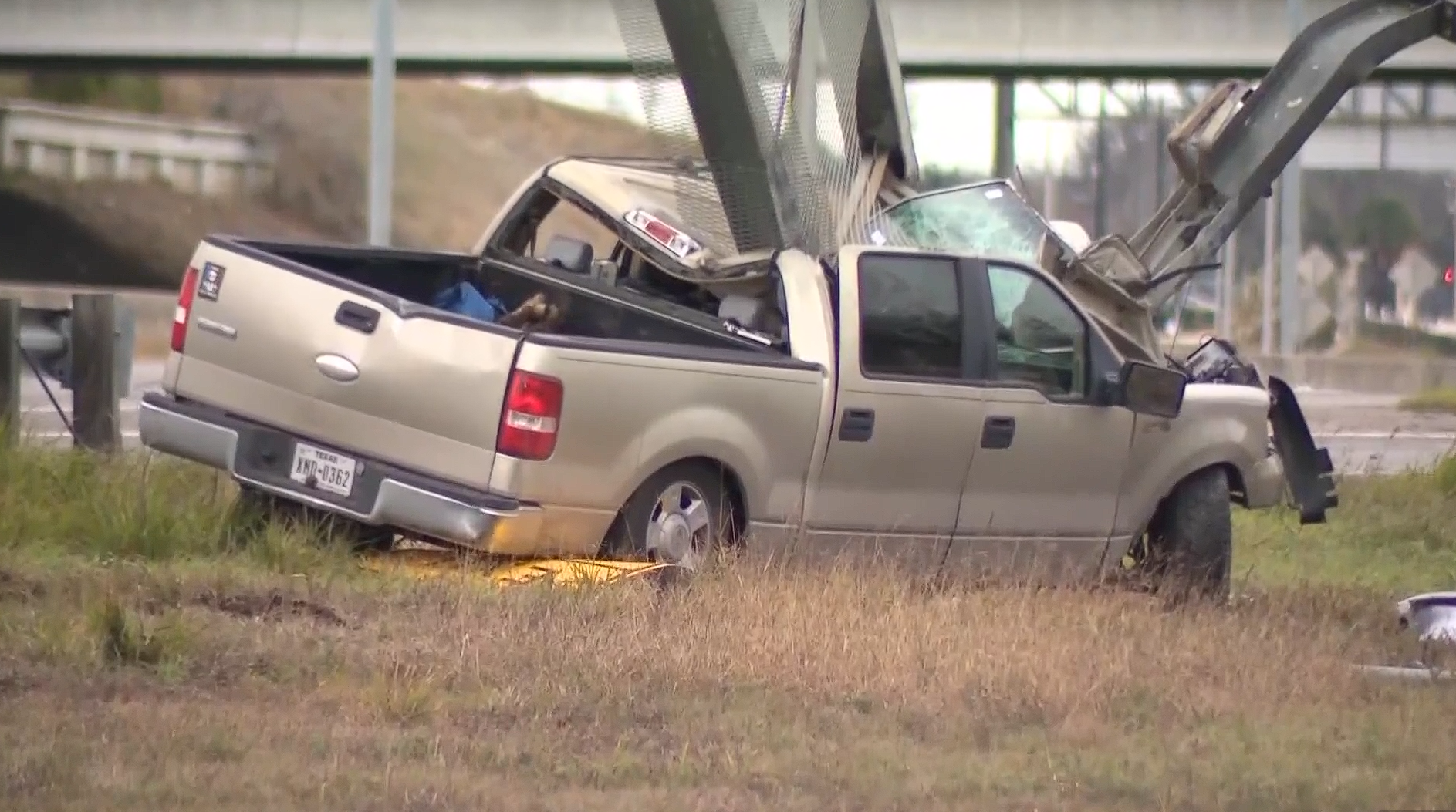



There’s no sugar coating it: hit-and-run accidents can be financially devastating for crash victims, particularly those without much insurance coverage of their own.
In Texas—like many other states—at-fault drivers are primarily responsible for paying medical bills, lost wages, pain and suffering, and other losses suffered by the victims. But if an at-fault driver is never identified, or has little or no insurance coverage, victims may have little (or nothing) to collect against.
That’s why the typical car accident settlement for a hit-and-run accident tends to be on the low side. At Crosley Law, our average overall car accident settlement is about $250,000. But this type of result is usually only possible for hit-and-run victims if they bought good coverage ahead of time. This is despite the fact that injuries can be just as severe. It’s unfair, tragic, and happens far too often.
However, that does not necessarily mean you have nothing to gain from a car accident claim. An experienced personal injury lawyer may still find ways to help you get the best possible outcome under the circumstances.
Hit-and-run settlements usually hinge on the amount of insurance coverage available
No matter how severely you’ve been injured, the maximum amount of compensation you can get for almost any car accident claim depends on how much insurance coverage is available.
In Texas, drivers can legally purchase as little as $30,000 per person (and $60,000 per crash) in liability coverage for injuries that they cause. These minimums are barely sufficient for even minor injuries, and they won’t be enough if you need significant medical treatment or miss a lot of work. In fact, the average pedestrian settlement in Texas can often exceed these liability limits, highlighting the importance of securing additional coverage. Without adequate insurance, drivers may find themselves facing substantial out-of-pocket expenses in the event of an accident. It’s crucial for drivers to consider their financial protection seriously when choosing their liability limits.
Hit-and-run cases are even worse. If the at-fault driver is never identified, they obviously can’t be sued. And even if the police do find the driver who hit you, there’s a good chance they were driving without much (or any) insurance anyway.
When the hit-and-run driver can’t be identified, or has insufficient coverage and assets to pay you, other potential sources of compensation to turn to are:
- Your own auto insurance, typically through uninsured motorist coverage and underinsured motorist coverage (UM/UIM), personal injury protection (PIP), and/or Medical Payments coverage (MedPay). Texas does not require drivers to have this coverage, but insurance companies are required to offer it. If you don’t remember declining UM/UIM coverage in writing, you likely have some as part of your auto insurance policy. However, the limits may be small.
- Any other parties that might be partially responsible for the crash or making your injuries worse. For example, if the hit-and-run driver is identified, and it’s discovered they were knowingly overserved at a nearby bar, you might have a legitimate legal claim against the bar. Do note that these scenarios tend to be rare, particularly in hit and run cases where the driver gets away.
We can’t stress this enough: all drivers should buy as much UM/UIM coverage as they can reasonably afford. It’s usually quite cheap for the coverage provided, and it can be the difference between getting a fair settlement or walking away with little to nothing.
Our past client Carla is a great example of why this is so important. Although this was not a hit-and-run case, the driver who injured her was carrying minimal coverage. But because Carla planned ahead and protected herself with robust UM/UIM coverage, we were able to obtain a $2 million settlement on her behalf.

Other factors that influence hit-and-run settlement amounts
Even if you have a lot of insurance coverage available, that doesn’t necessarily mean the offer you get from the insurance company will be a fair one. Other determining factors include:
- The amount of total medical bills, lost wages, and other economic damages. A major portion of your settlement demand should come from totaling up your current and future financial losses. This includes hospital stays, medications, therapy, time missed at work, cost of replacement services (such as childcare or housekeeping), and other economic losses.
- The impact of your injuries on daily life. Serious injuries can drastically affect the quality of your life—sometimes permanently. Victims can claim reasonable damages for non-economic losses such as physical pain and suffering, emotional trauma, disfigurement, and loss of the benefits of relationships. Insurance companies often estimate these damages by taking the total economic losses and multiplying by some factor (typically anywhere from 1 to 5, with 3 being most common) based on the severity of the injury.
- Clear liability. In most hit-and-run cases, the hit-and-run driver will be considered at fault—after all, they’ve already committed a crime by leaving the scene. However, this does not necessarily guarantee that they will shoulder 100% of the blame. The driver that remained might have also contributed to the crash—for example, by speeding or making a blind lane change. If there’s any gray area about who was responsible, the insurance company might deny the claim or make a lowball offer. If the case were to go to trial, juries consistently tend to award higher settlement amounts when liability is clear. They can also split the blame between you and the other driver, which would reduce the amount you can collect due to comparative negligence laws. Click here if you’re interested in learning more about how that works.
- Aggravating factors. Juries tend to award higher damages if they find the facts of the case aggravating or upsetting. They may potentially even award punitive damages (above and beyond compensation for losses) to punish an at-fault driver for grossly negligent, reckless, or malicious behavior. It should go without saying that juries usually have very little sympathy for hit-and-run drivers, which can work in the victim’s favor.
An experienced car accident lawyer can help you maximize your hit-and-run settlement—and keep more of it
One of the first things a good car accident lawyer will do for any client is hunt for every possible pot of insurance coverage available. There may be other liable parties, such as an equipment manufacturer or restaurant. (For example, in a recent $3.4 million case, we were able to obtain extra compensation for a victim when we discovered a manufacturing defect that contributed to the crash.) You may even have insurance policies of your own that you didn’t know you could use. If you’ve been hurt badly in a hit-and-run crash, it’s critical that you don’t leave any sources of coverage on the table. You may need all of them.
Second, a good attorney is going to investigate and negotiate aggressively. That means documenting everything about the circumstances of the crash, talking with eyewitnesses, working with doctors and life care planners to estimate future care costs, and much more.
Remember, insurance companies aren’t charities and they’ll look for any excuse to minimize your settlement. For example, we recently represented a pedestrian in a hit-and-run case who suffered a traumatic brain injury. The insurance company initially only offered her $10,000. But thanks to our hard work and aggressive negotiation, they ultimately settled for more than 24 times that amount.
An attorney can even help you maximize your take-home after the case settles by negotiating any medical bills, liens, and other debts under more favorable terms. For example, a few years ago we represented Margie, who was only able to collect $30,000 in compensation from her legal claim (due to reaching the insurance coverage cap) but already had $45,000 in medical bills. We negotiated her medical debt down to $10,000, so she was still able to pay her bills and have more left over for herself and her family. More recently, we were able to help a man injured in a rideshare crash release a workers’ compensation lien for just $1, saving him thousands of dollars. We don’t actually get paid to do this after-settlement work. Every dollar we save goes directly into our clients’ pockets.

Car Crash? Call Crosley
If you’ve been hurt in a hit and run, call Crosley Law as soon as possible to set up a free, no obligation case review. While the unfortunate reality is that many hit and run victims have only a limited ability to collect a fair settlement, that is not always the case. Our team of dedicated, experienced, and compassionate attorneys can help you evaluate your options and determine the best way forward.
To request your free consultation, call our office at (210) 529-3000 or contact us online today.
The content provided here is for informational purposes only and should not be construed as legal advice on any subject.