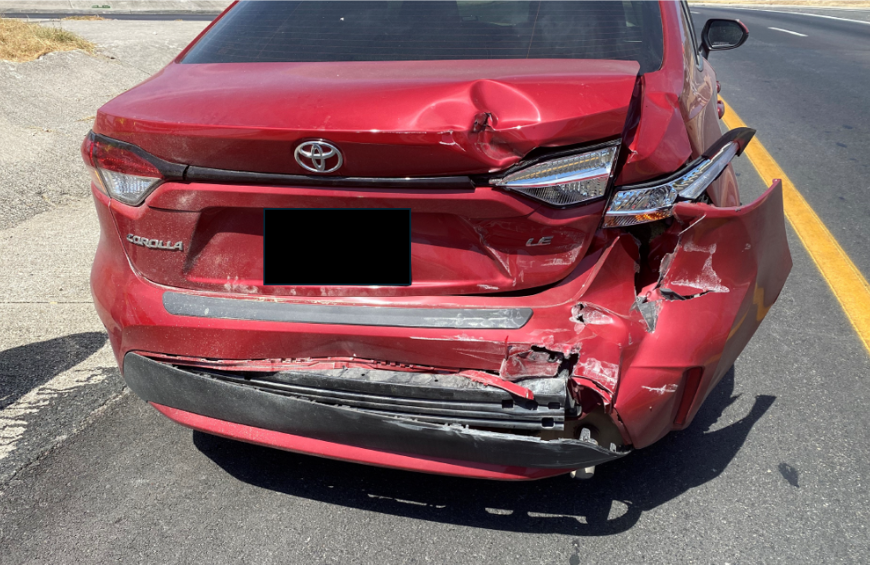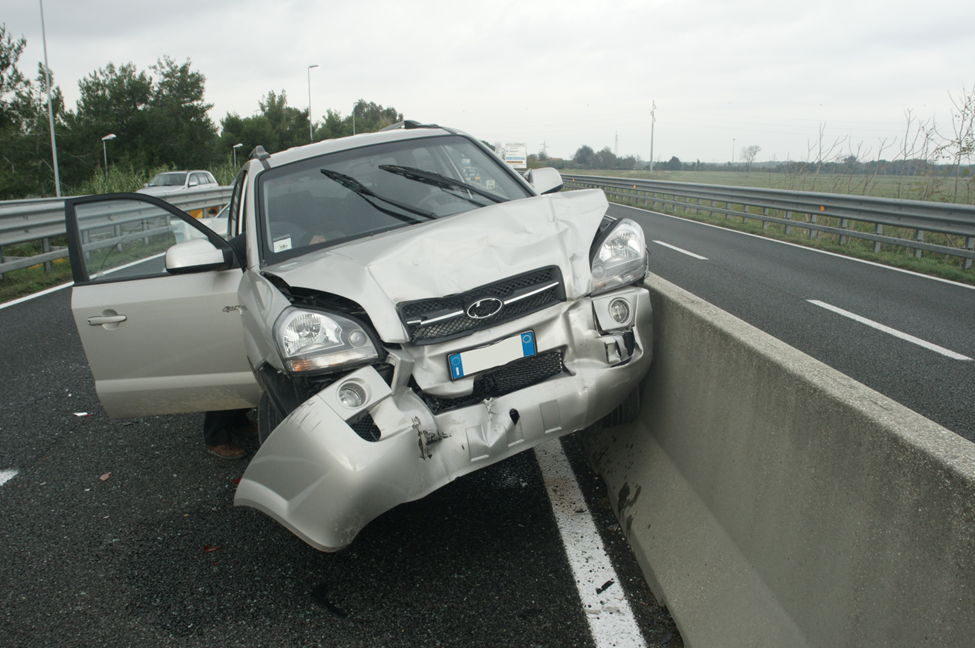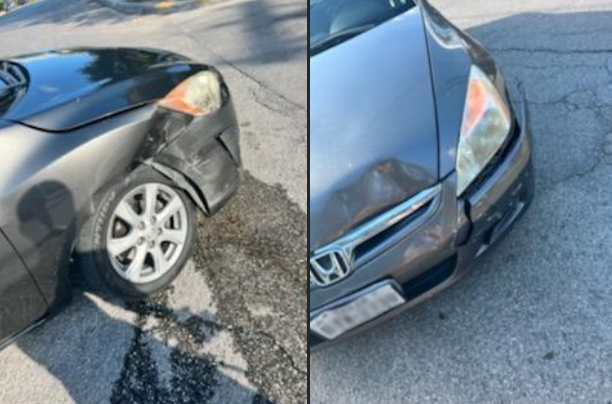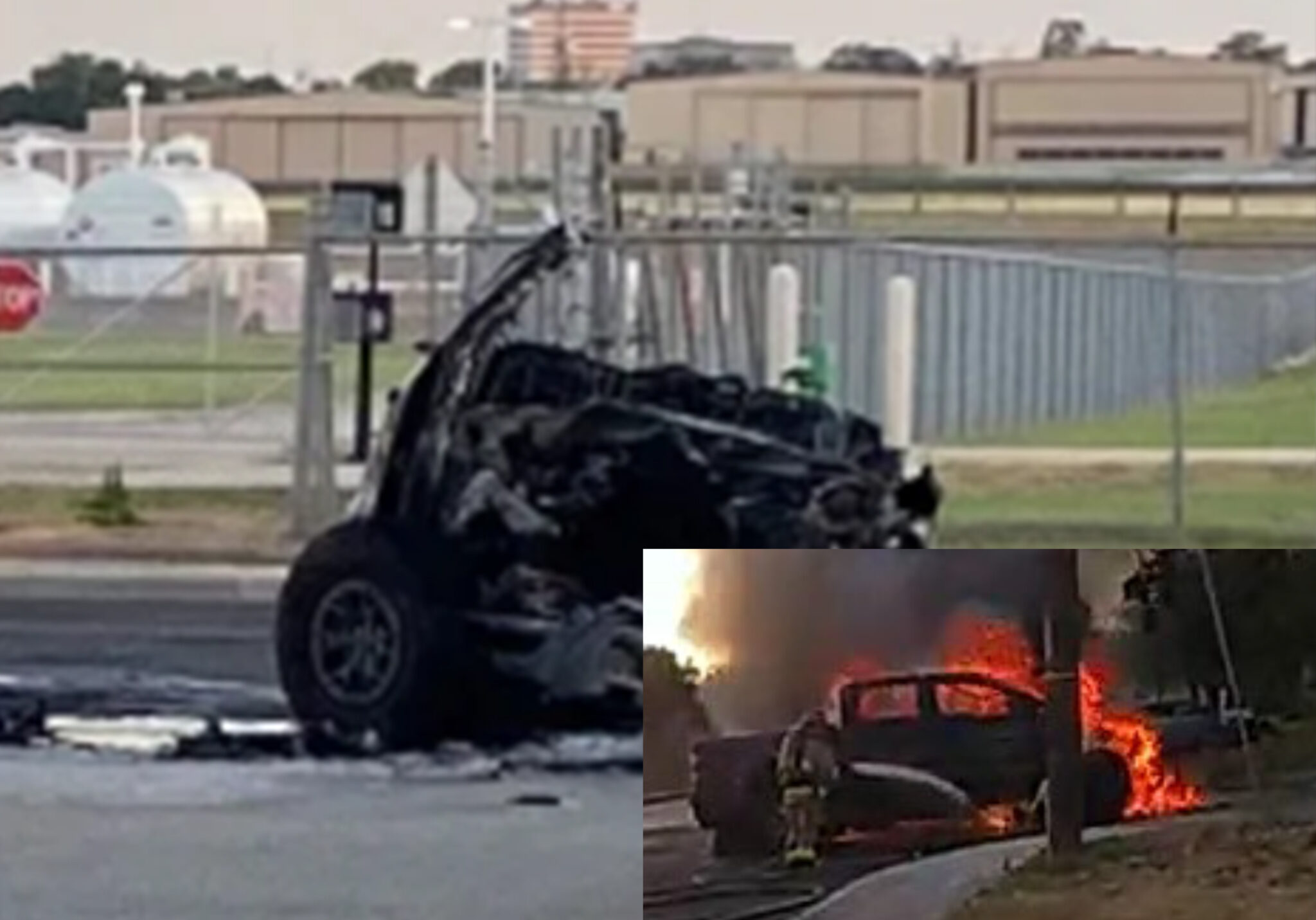



Our client, Nathan*, was severely injured in a fiery head-on collision caused by an intoxicated driver, but the defense thought they had an airtight case. The defense argued our client couldn’t recover significant damages because he wasn’t wearing a seat belt, had been drinking earlier that day, and had even smoked marijuana.
On top of that, by the time the case moved toward trial, our client was thriving. He had returned to his career as an engineer, received promotions, and was earning more than he did before the crash. To the defense, this meant his injuries weren’t worth much.
But the Crosley Law team saw it differently. We secured a $2.5 million settlement by showing the true, lasting impact of Nathan’s injuries.
*Client name changed to protect privacy.
The crash and the defense’s playbook
Nathan was a passenger in a vehicle driven by an intoxicated work acquaintance. The crash caused him to suffer a traumatic brain injury (TBI) as well as other orthopedic injuries.
The defense focused on two themes:
- Blame the victim: They pointed to his drinking, marijuana use, and failure to buckle his seatbelt.
- Minimize his injuries: They also argued that because Nathan was working, speaking well, and living independently, his TBI wasn’t worth much.
Proving what the eye can’t see
Brain injuries are often invisible. Outwardly, Nathan looked fine. Inside, however, his brain structure and function had changed.
Crosley Law built the case for Nathan through:
- Specialized medical experts, which included:
- A radiologist, to explain brain MRI findings and subtle signs of diffuse axonal injury.
- A crash reconstructionist and biomechanical expert, to show how the forces of the collision caused our client’s injuries regardless of seat belt use.
- A life care planner, to project long-term medical needs and associated costs.
- A toxicologist, to explain how the defendant driver’s intoxication caused the crash.
- A neuropsychologist, to highlight the subtle but lasting cognitive impacts of the TBI.
- An economist, to establish the value of lifetime medical care and support.
- A neurologist, to explain how changes to the structure of the brain affect the function of the brain.
- A pain management doctor, to explain how disc herniations were causing radicular-like symptoms to Nathan’s extremities.
- Before-and-after witnesses, who described the subtle but real changes in Nathan’s personality, cognition, and daily life after the crash.
- Strategic depositions, where we carefully dismantled the defense’s arguments and preserved expert testimony for trial.
By preparing the case as if we would try it in front of a jury, we made it clear to the defense that they faced real risk if they didn’t pay fair value.

The lesson: Don’t let insurers decide based on how things look on the surface
Insurance companies love to argue that if you’ve returned to work or look “normal,” then your case isn’t worth much. This case proves otherwise. Even clients who recover well deserve compensation for the risks, costs, and permanent injuries they face.
At Crosley Law, we don’t accept lowball offers. We fight until our clients receive the full value of their claims. In this case, that result was a $2.5 million settlement.
Call Crosley Law for help proving your personal injury case
Nathan’s story is proof that serious injuries don’t always look dramatic. People with brain injuries can continue working, support their families, and live independently but still face real, lifelong consequences. Insurance companies love to minimize these cases, but Crosley Law knows how to uncover the truth and present it powerfully.
If you or a loved one has suffered a brain injury in a crash, don’t let the insurance company tell you it’s “not worth much.” Call Crosley Law at 210-529-3000 or contact us online for a free consultation.
The content provided here is for informational purposes only and should not be construed as legal advice on any subject.