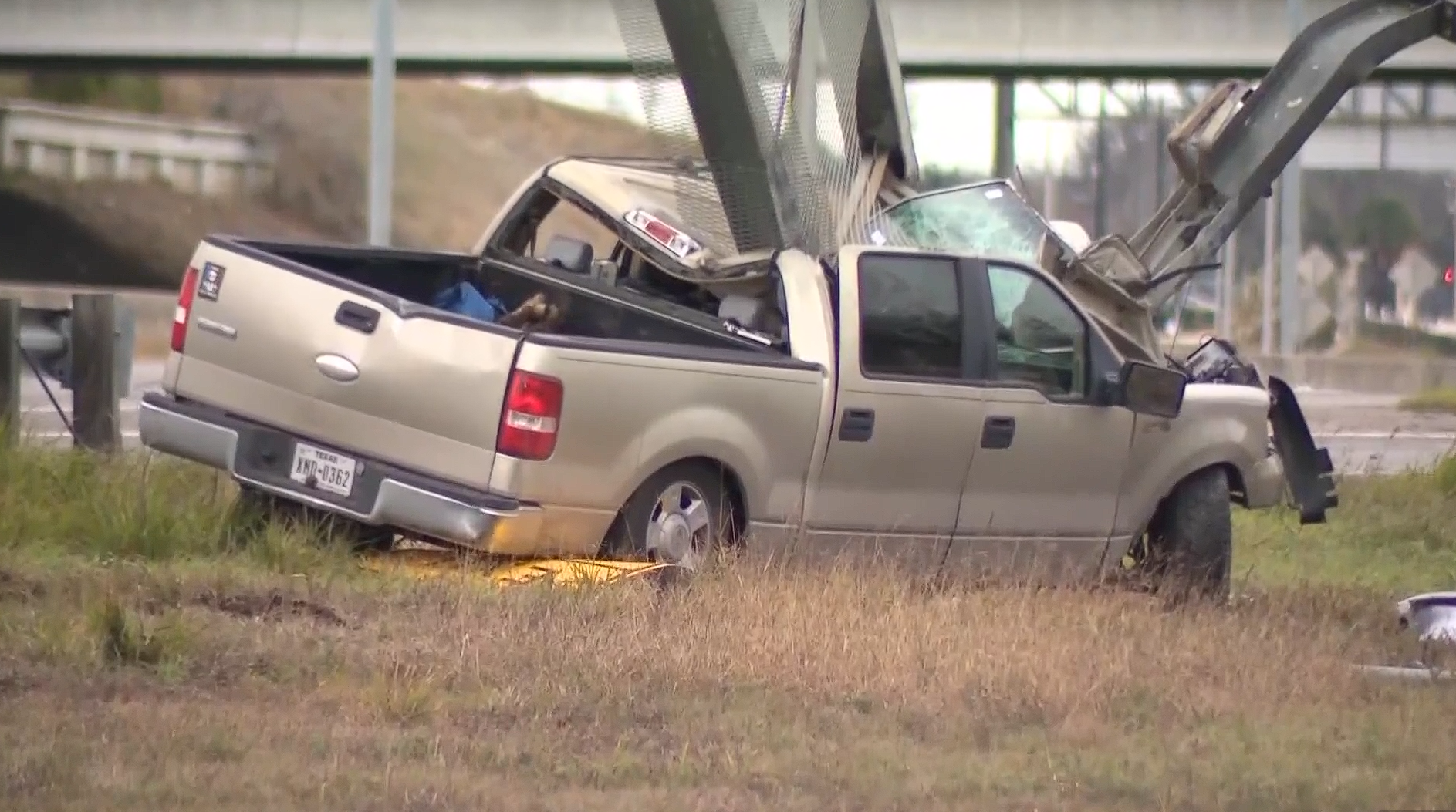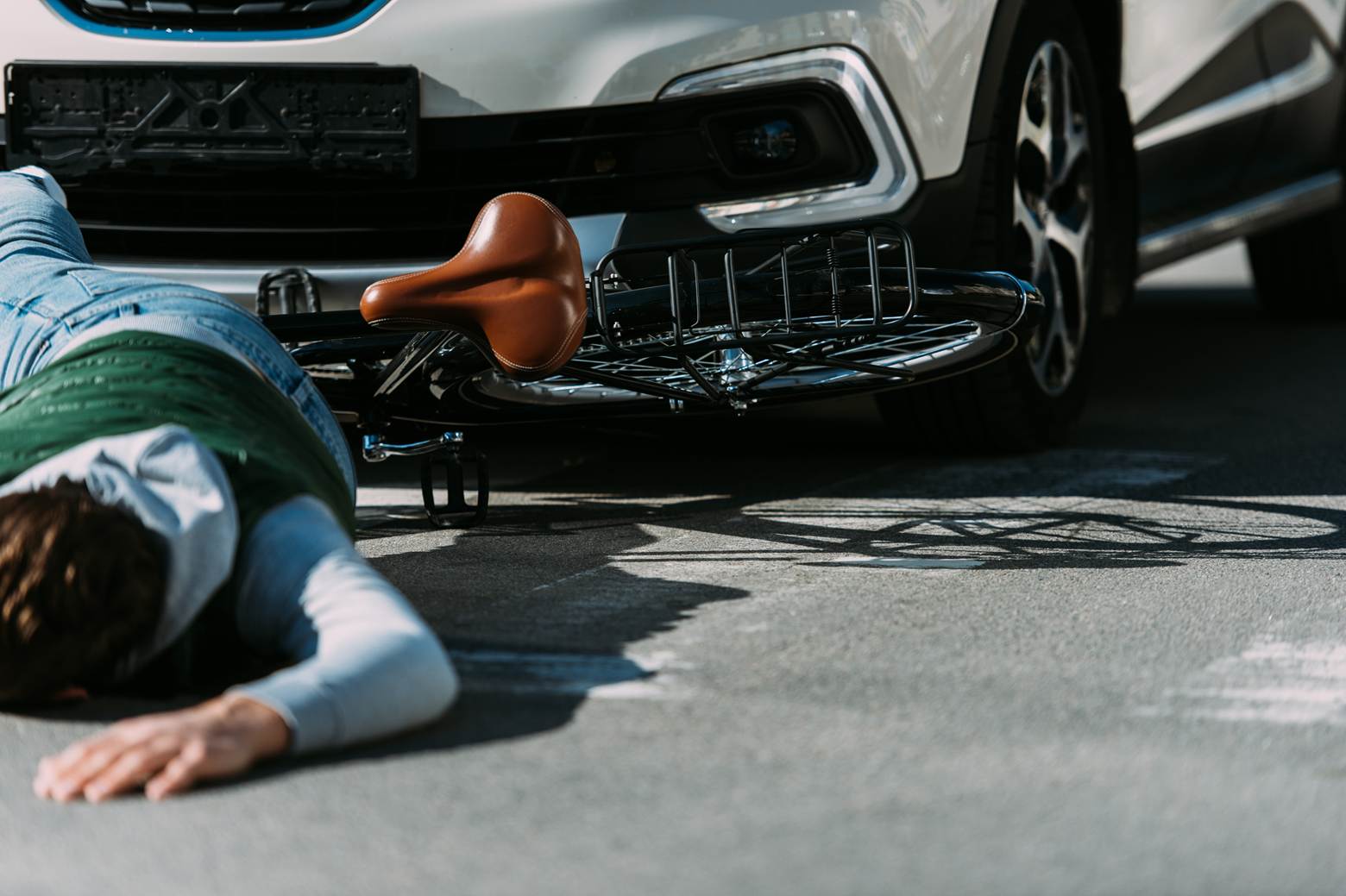



Despite everyone knowing the risks—and the consequences—alcohol-impaired driving remains a huge problem in Texas. According to TDOT, more than 1,000 people were killed and at least 8,500 were injured in alcohol-related crashes in 2023 alone.
People who have been hurt by drunk drivers sometimes wonder if these cases get higher settlements than other types of crashes. The short answer is that, on average, they do—if you’re assuming all other factors are equal. But that doesn’t necessarily mean your case will be worth six figures or more.
We know a thing or two about big cases. Our car accident attorneys have won $1 million or more in over 50 separate cases, including a $28 million wrongful death verdict involving a dangerously inebriated driver. On average, our car wreck cases settle for about $250,000.
In this blog post, we’ll discuss some specific factors common to drunk driving cases that can result in higher average settlements for crash victims. But first…
A quick, basic overview of car wreck damages

In any personal injury case, including motor vehicle accidents, the victim is entitled to demand compensation for their damages. These broadly fit into two categories:
- Economic damages address monetary losses suffered by the victim. If you can directly calculate dollars spent or lost, it goes in this category. Examples include medical bills, lost wages, property damage, nursing care, and costs of replacement household services.
- Non-economic damages include any negative effects on your quality of life that can’t directly be calculated in dollars and cents. Examples include physical pain and suffering, emotional trauma, depression and anxiety, disfigurement, or loss of relationship benefits. For more information on non-economic damages and how they are typically calculated, check out this previous blog post.
Accurately calculating damages is a critical first step in the settlement process, but it’s not the only step. Other key factors that can adjust the final settlement or verdict include:
- Liability. Was the drunk driver 100% at fault for the crash? Or did you contribute in any way? If you are found partly at fault, your damages will be reduced proportionally.
- Insurance coverage. Each applicable insurance policy (the at-fault driver’s liability coverage, your own underinsured motorist coverage, etc.) has a maximum limit it will pay out. Once you’ve exceeded all the available limits, you may not be able to obtain more regardless of your calculated damages.
- Aggravating facts. Juries are more likely to award higher settlements when the defendant is unlikable or committed an act that, for lack of a better word, ticks them off.

Specific factors that may increase drunk driving settlement amounts
1. Higher average accident severity
Crashes involving at least one driver under the influence tend to be more severe than crashes where drugs and alcohol are not a factor.
The numbers here are staggering. According to TDOT, driving under the influence was noted as a contributing factor in just over 4% of all Texas motor vehicle crashes in 2023. Yet this relatively small percentage of crashes were responsible for more than 25% of all road fatalities.
As you would expect, more severe accidents usually result in higher medical bills, life-altering injuries, and larger damage calculations.
2. Punitive damages and “aggravating facts”
In addition to economic and non-economic damages, a jury also has the option of awarding punitive damages to a crash victim.
Punitive damages serve as an extra punishment and deterrent for at-fault parties who engage in especially reckless or grossly negligent behavior. In general, punitive damages are relatively rare. But a driver who got excessively drunk and behind the wheel anyway could certainly be considered grossly negligent and reckless.
Even when punitive damages aren’t awarded, in practice juries tend to award higher damages when the at-fault party engaged in “aggravating” behavior. A drunk driver is probably not going to get much sympathy from a jury, whereas a young mother with a clean driving record who makes a single, badly timed mistake probably will.
Note that punitive damages are not generally part of settlement negotiations. They can only be awarded if a case goes to trial. However, insurance companies (usually) aren’t foolish. If they know they’re in serious jeopardy of taking a huge loss at trial, they have more incentive to make better settlement offers.
RELATED POST: Hit by a Drunk Driver? You May Be Able to Pursue Punitive Damages | Crosley Law
3. Extra insurance coverage may be available
Under Texas law, establishments that serve alcohol (“dram shops” in legal terms) cannot serve drinks to customers who seem dangerously intoxicated or cannot produce proper identification.
If a dram shop overserves a customer that they knew (or should reasonably have known) was inebriated, and that customer injures you in a car crash, the dram shop may be held responsible for the crash. You could sue both the driver and the dram shop, potentially winning settlements from both. This scenario could make a huge difference in your final settlement amount if (as is often the case) the drunk driver had minimal or no auto insurance.

Car Crash? Call Crosley
There’s one more key factor that can influence drunk driving accident settlement amounts—working with an experienced car wreck attorney. The team at Crosley Law aggressively advocates for crash victims and their families. We thrive with complex, difficult cases that require sophisticated tactics, and we aren’t afraid to take on the insurance companies at trial.
To request your free consultation with one of our San Antonio car accident lawyers, call (210) 529-3000 today.
The content provided here is for informational purposes only and should not be construed as legal advice on any subject.