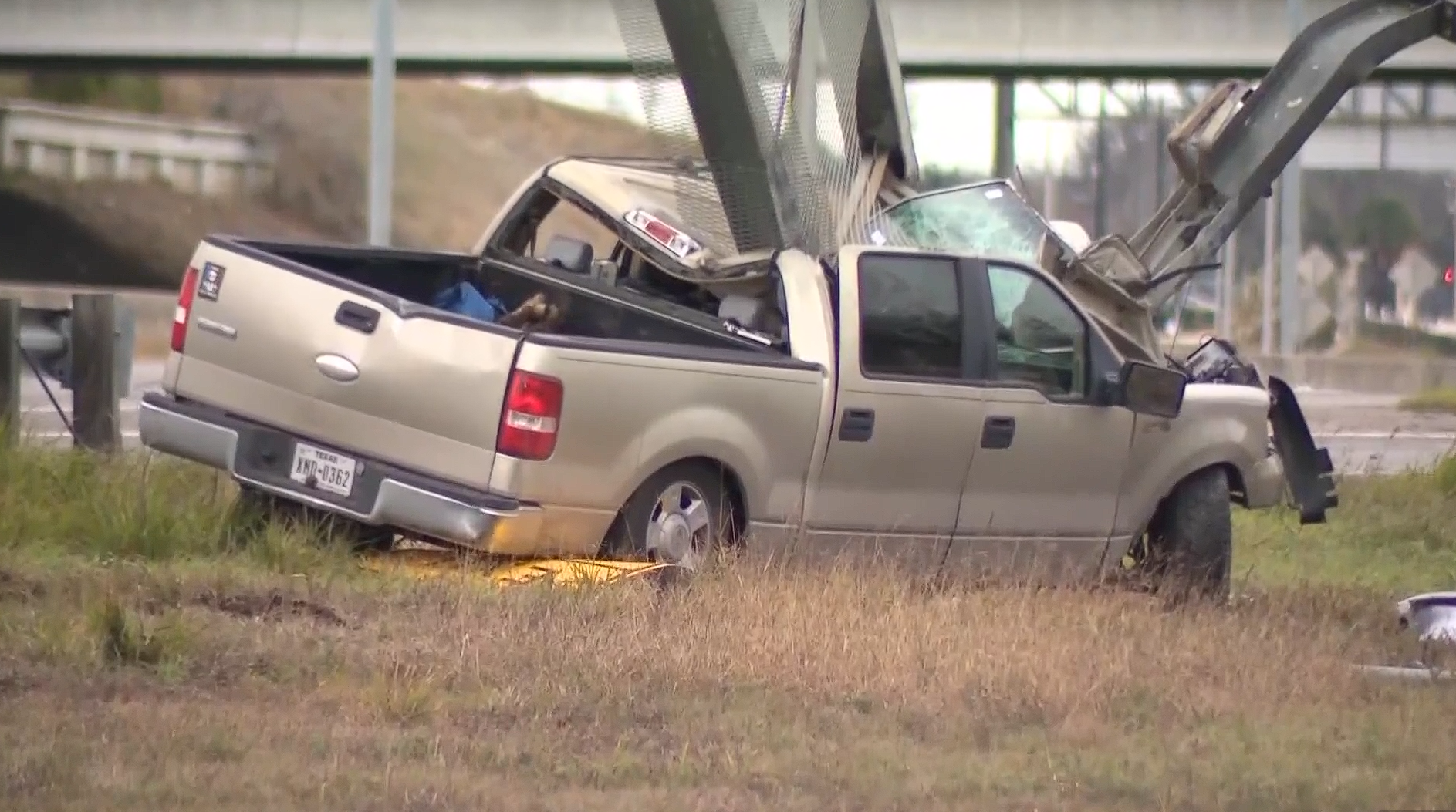



Losing a loved one in a work accident is a heartbreaking, devastating experience. Families are often left with shock, grief, and many unanswered questions. At the same time, bills can start piling up and the future may feel uncertain.
If your loved one died on the job, you may wonder if suing for wrongful death is possible in Texas. You might also feel unsure about how Texas workplace laws affect your rights.
Here’s what families should know about a death in the workplace and wrongful death claims under Texas law. And anytime you wish to speak with one of our wrongful death attorneys, please don’t hesitate to contact us and request a free consultation.
What should I do after a workplace death?
If your family is facing a death in the workplace, learning your rights is an important first step. Speaking with a knowledgeable Texas wrongful death attorney can help you understand whether suing for wrongful death is an option and what to expect moving forward.
You don’t have to face this process alone. Help, answers, and compassionate guidance are available.
Contacting an experienced Texas personal injury attorney is the best way to get answers to your questions, but you can also keep reading if you want to learn more about how workplace wrongful death claims work.
What Is a wrongful death?
A wrongful death happens when a person dies because of someone else’s careless, negligent actions. Those actions can include:
- Unsafe work conditions
- Broken safety rules
- Faulty equipment
- Reckless behavior
A wrongful death lawsuit can help surviving family members recover compensation for the losses they suffer from a loved one’s death.
Wrongful death cases are mainly about creating support and financial stability so families can try to heal. These cases are not about punishment alone, although it’s important to hold the negligent parties accountable and prevent them from hurting other people.
Common causes of death in the workplace
Workplace deaths happen more often than most people realize. Some of the most common causes include:
- Construction falls
- Heavy machinery accidents
- Electrical injuries
- Vehicle and trucking crashes
- Oil field and refinery explosions
- Toxic chemical exposure
- Fires and building collapses
Texas has many high-risk industries, including construction, oil and gas, transportation, and manufacturing. These jobs often involve dangerous equipment and environments, which makes the enforcement and following of safety rules and regulations especially important.
Who can file a wrongful death claim in Texas?
Texas law limits who can file a wrongful death lawsuit. Only certain family members are allowed to file a claim. These include:
- The surviving spouse
- Children (including adopted children)
- Parents of the person who died
Siblings, grandparents, and other relatives usually can’t file a wrongful death claim under Texas law. If there’s more than one eligible family member, they can file together or separately.
If no eligible family member files a claim within three months, the executor or personal representative of the deceased person’s estate may be able to step in and file, unless the family officially denies them permission to do so.
How workers’ compensation coverage affects wrongful death cases
Texas handles workers’ compensation differently than every other state, which makes it especially critical to work with an attorney who is experienced in Texas wrongful death law.
Texas is the only state that does not require private employers to carry workers’ compensation insurance. So, the legal options available to a family depend heavily on the employer’s insurance status.
Texas allows employers to opt out
In Texas, most private employers aren’t required to carry workers’ compensation insurance. Employers who choose not to carry it are called “nonsubscribers,” while those who do carry the insurance are referred to as “subscribers.”
Whether your loved one’s employer had workers’ comp coverage can have a big effect on your legal options.
If the employer did NOT have workers’ compensation insurance
If the employer was a nonsubscriber, families often have additional rights to compensation. In these cases, suing for wrongful death directly against the employer can be an option.
Suing a negligent employer allows families to recover a wide range of possible damages, including:
- Medical expenses
- Funeral and burial costs
- Loss of earnings, including potential future earnings
- Loss of companionship and support
- Pain, suffering, and mental anguish
- Punitive damages (in cases of gross negligence)
Employers who don’t have workers’ comp coverage have limited options to dispute wrongful death claims. Under Texas law, nonsubscribing employers can’t use common legal defenses like:
- Employee negligence
- Assumption of risk by the employee
- Negligence of a coworker
All these factors make wrongful death cases potentially very strong when the employer is uninsured.
CROSLEY LAW CLIENT STORY: Family Receives Maximum Settlement in Wrongful Death Case
If the employer had workers’ compensation coverage
If the employer carried workers’ compensation insurance, families usually can’t sue the employer for wrongful death. Instead, the family may be able to receive death benefits through the workers’ compensation system.
These benefits are often limited and might not fully cover the family’s losses. Available benefits may include:
- Income replacement
- Burial expenses
- Death benefits, paid weekly to qualifying dependents
Workers’ compensation limits the types of damages available in wrongful death cases. Families can’t recover compensation for pain and suffering, loss of companionship, or punitive damages against a subscribing employer.
However, there is one major exception.
Under Texas law, families can sue a subscribing employer for wrongful death if the death resulted from the employer’s gross negligence or an intentional act.
An intentional act that causes a wrongful death would be a criminal action, like murder or assault. Meanwhile, gross negligence involves extreme indifference to worker safety. Examples of gross negligence include:
- Ignoring known hazards
- Removing or disabling safety features and guardrails from equipment and machinery
- Forcing employees to work in dangerously unsafe conditions
- Violating safety regulations, especially repeated violations
If gross negligence caused the death, surviving spouses, children, and parents can recover additional damages, including punitive damages and compensation for pain and suffering.

Proving fault in a Texas wrongful death case
To succeed in a wrongful death lawsuit, the family and attorney will need to provide plenty of evidence. Examples of evidence that can prove wrongful death liability include:
- Safety records
- Statements from witnesses such as coworkers
- Video footage
- Training documents
- Expert opinions
Gathering, organizing, and presenting all this evidence can take a lot of time and expertise, but there’s no need for you to worry about this part of your case. An experienced Texas wrongful death lawyer can help gather and protect the critical evidence to support your claim.
Is the employer the only party that might be financially responsible?
Not all wrongful death cases involve negligence on the employer’s part. Even when you can’t sue the victim’s employer, you might still be able to file a wrongful death claim against other responsible parties such as:
- Equipment manufacturers
- Contractors or subcontractors
- Property owners
- Vehicle drivers
- Safety inspection companies
Figuring out where negligence occurred and who is liable can get very complex in a workplace situation. That’s why it’s especially important to contact a Texas wrongful death attorney after a death in the workplace, regardless of whether you think the employer might have been responsible.
Survival claims vs. wrongful death claims
Texas law also allows something called a survival claim. Survival action claims most often happen when a victim survives for a while after an accident but eventually dies from their injuries.
Survival claims focus on the harm and damages the worker suffered between the time they were injured and their death. Those damages can include:
- Pain and suffering
- Medical bills
- Lost wages before passing
A survival claim is different from a wrongful death claim, but the two are often filed together. Either the victim’s family or their estate can potentially file a wrongful death claim, but only the estate can file a survival claim.
RELATED: Wrongful Death and Survival Claims: What’s the Difference?
What Is the time limit for filing a claim in Texas?
Texas enforces strict deadlines for wrongful death lawsuits. In most cases, families have two years from the date of death to file a claim.
Missing this deadline can mean losing the right to recover anything at all. Limited exceptions do exist, but they are rare. Talking with a lawyer early is critical to help protect your rights.
How do OSHA investigations affect workplace claims?
After a workplace death, the Occupational Safety and Health Administration (OSHA) might investigate the events and conditions that led to the death. OSHA findings can be helpful and can support a claim, but they don’t replace a wrongful death lawsuit.
An OSHA investigation focuses on safety violations and can impose fines that go to the government, which don’t compensate families. Filing a wrongful death claim is often the only way to recover financial damages after a death in the workplace.
Why suing for wrongful death can matter
Many families feel unsure about filing a lawsuit, and that’s understandable. The idea of filing a lawsuit can feel overwhelming during a time of grief and uncertainty.
However, a wrongful death claim can serve several very important purposes. These claims can:
- Create financial stability for surviving family members
- Provide answers about what happened and who is responsible
- Push employers and companies to improve safety
- Prevent similar harm from coming to other workers and their families
- Bring a sense of justice and closure
Remember that an experienced Texas wrongful death attorney should be able to handle all the legal details of the case. That doesn’t mean you won’t be involved, but it’s your attorney’s job to keep the case moving forward and manage all the filings, paperwork, evidence gathering, and potential court appearances that go into a lawsuit.
How a Texas wrongful death lawyer can help
Workplace wrongful death cases can become complex, especially in Texas where the employer might not carry workers’ compensation insurance. A lawyer can help by:
- Explaining your rights in plain language
- Investigating the cause of the accident
- Identifying all responsible parties
- Dealing with insurance companies and employers
- Filing claims on time and correctly
The attorneys at Crosley Law offer free consultations and work on a contingency fee basis. This means we only charge fees if we win your case, and we charge a percentage of the final settlement amount. We also offer a free initial consultation to help you understand your options.
Frequently asked questions about workplace wrongful death claims in Texas
Can I sue my loved one’s employer for a death in the workplace?
It depends. If the employer didn’t carry workers’ compensation insurance, you might be able to sue them directly for wrongful death. If the employer did have workers’ comp coverage, you usually can’t sue the employer, but you might still be able to sue another responsible party. In either case, an experienced personal injury attorney can help evaluate your case and serve as your best legal resource.
What if my loved one was partly at fault?
In many workplace death cases, especially with employers who don’t carry workers’ comp insurance, Texas law limits the defenses an employer can use. Even if your loved one made a mistake, suing for wrongful death could still be possible. A lawyer can review the facts and explain your options.
Do I have to prove the employer meant to cause harm?
No. Most wrongful death cases are based on negligence, not intent. Victims’ families and their attorneys only need to show that unsafe actions, poor safety practices, or some other negligent behavior led to the death in the workplace.
How long does a wrongful death case take?
Every case is different. Some claims resolve in months, while others may take longer if a lawsuit is needed. An attorney can give you a better idea of the potential timeline after reviewing your case.
How much does it cost to talk to or hire a Texas wrongful death lawyer?
Crosley Law offers free consultations and works on a contingency fee basis, which means you don’t pay unless and until money is recovered for your family.

Crosley Law: Cutting-edge tactics for accident victims
If someone you love suffered fatal injuries or died at work because of another person’s negligence, you deserve compensation, and our team is here to help. We’re ready to fight for your best interests in settlement negotiations and the courtroom. Let us deal with the i legal process so you can recover and get better.
Contact our team for a free, no-risk consultation by calling 210-LAW-3000 or completing our quick online contact form.
The content provided here is for informational purposes only and should not be construed as legal advice on any subject.