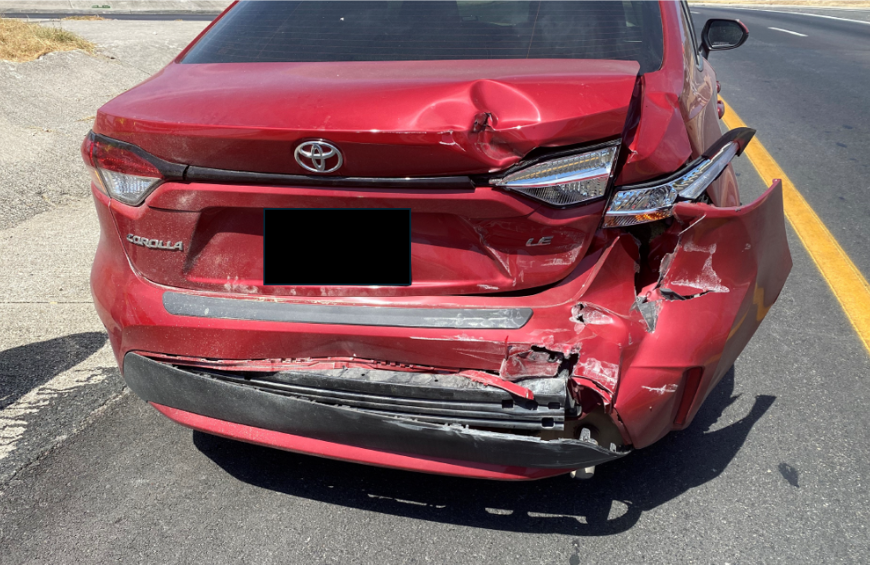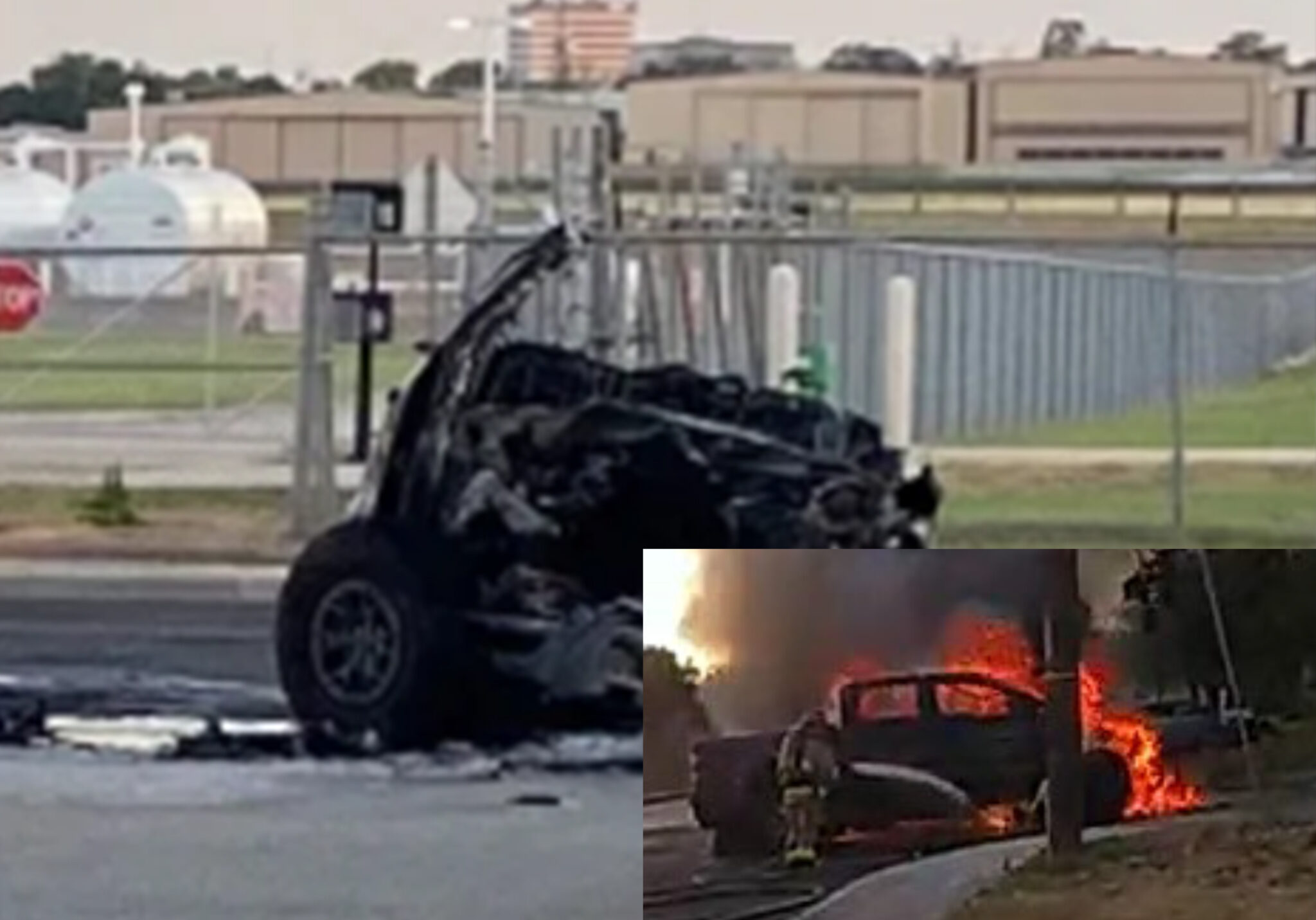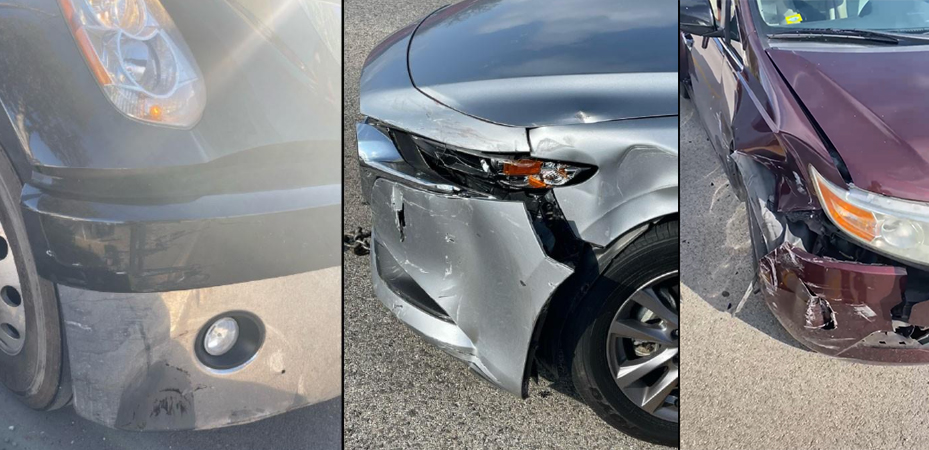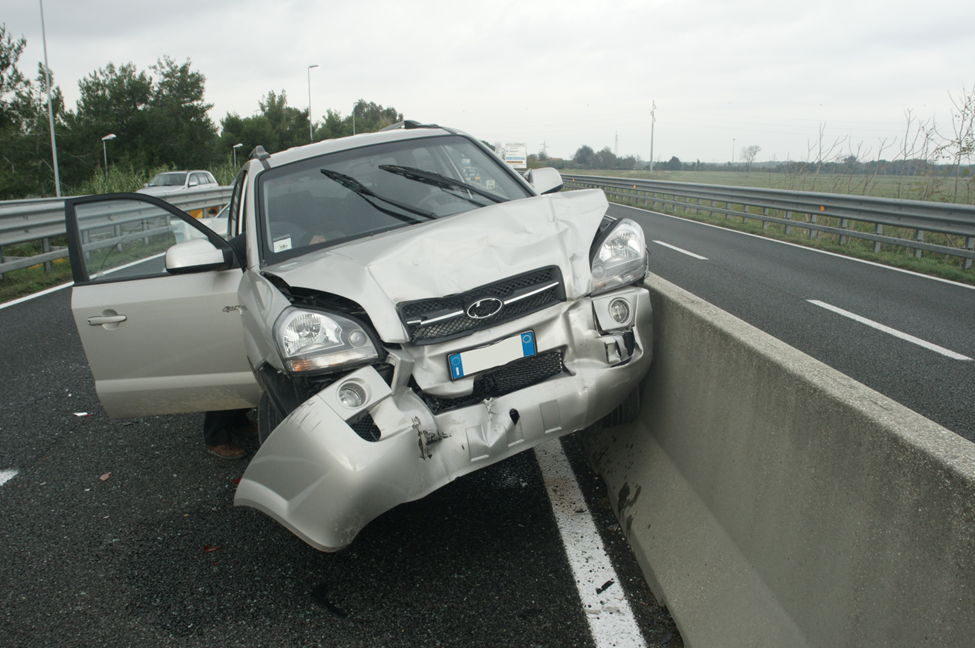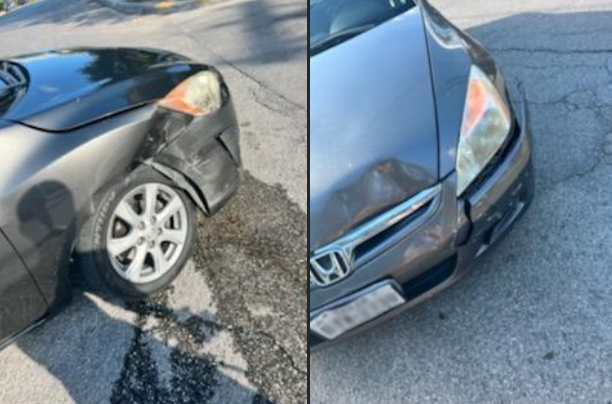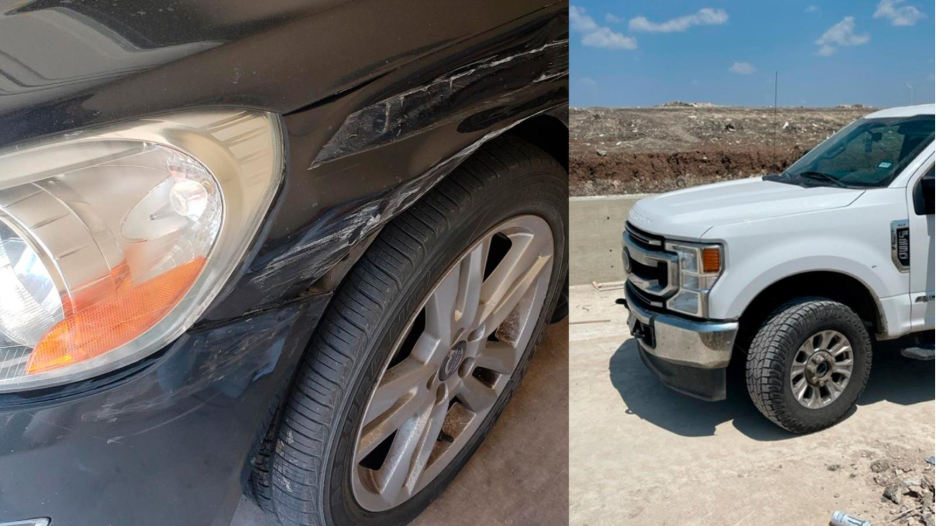



When Audrey*, a 67-year-old college instructor, was struck by a negligent driver in Converse, Texas, the crash didn’t appear to be catastrophic. The insurance company and defense attorneys later argued that because her vehicle showed only “minimal property damage,” her injuries couldn’t possibly be serious.
But appearances can be deceiving. Thanks to Crosley Law’s persistence and use of expert analysis, the truth told a very different story.
* Client name anonymized to protect privacy
The collision that changed everything
Audrey was driving her car on FM 1516, waiting to make a lawful left turn. At the same moment, a pickup truck driven by a construction employee failed to stop at a stop sign and turned directly into her lane. The angled, head-on impact sent Audrey’s car spinning.
The pickup truck driver initially attempted to say that Audrey was speeding and not paying attention. When he was later deposed by Crosley Law, though, the truck driver eventually admitted under oath that the crash was not Audrey’s fault and that he had failed to yield the right-of-way at the intersection.
At first glance, the photos of the vehicles might have misled the insurance adjuster into thinking this was simply a “minor accident.” But Crosley Law knows that serious injuries can occur even in moderate-speed crashes. Audrey immediately reported neck and head pain to EMS and was taken by ambulance to the emergency room.
RELATED: 4 signs of brain injury after a car accident (and what to do next)
Exposing the “minimal damage” myth
When the insurance company insisted that minimal visible damage meant minimal injury, Crosley Law brought in accident reconstruction, biomechanical, and medical experts to uncover the truth.
Our experts analyzed crash data, vehicle deformation, and impact angles. They concluded that the change in velocity experienced during the crash was sufficient to cause the types of injuries Audrey suffered. This included the rapid acceleration of her head and neck that produced both spinal trauma and a traumatic brain injury (TBI) when Audrey hit her head on the driver’s side window.
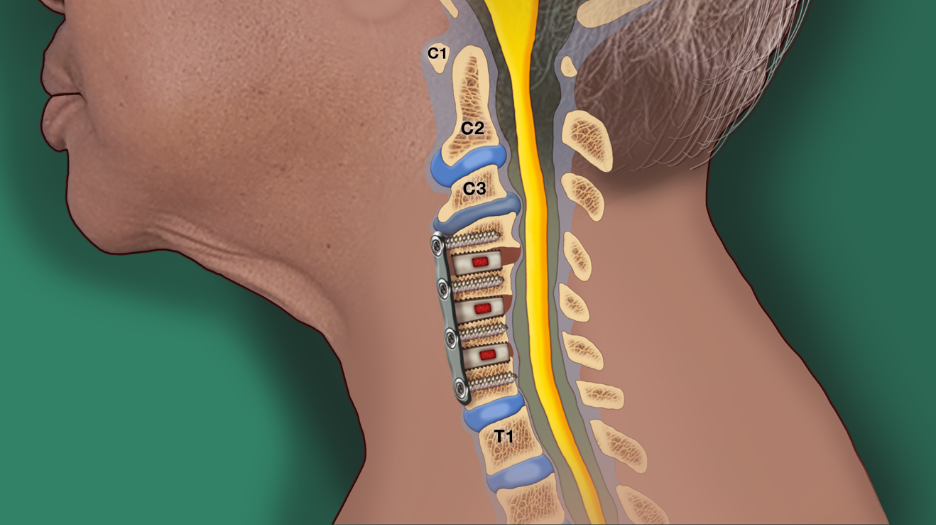
Advanced medical imaging revealed multiple cervical disc herniations there were likely to require future spine surgery, and a brain injury consistent with the crash mechanics. The “minimal damage” argument collapsed under the weight of the scientific and medical evidence.
RELATED: Can a minor car accident cause a concussion?
Tracing the TBI back to day one
The defense next claimed that Audrey’s traumatic brain injury diagnosis came nearly a year after the crash and suggested it couldn’t be related. Crosley Law’s attorneys and medical team dismantled that argument, too.
We meticulously reviewed the EMS, hospital, and therapy records, which documented that Audrey reported headaches, confusion, and neck pain at the scene. Crosley Law identified early notations of dizziness and cognitive symptoms from her initial providers long before the formal TBI diagnosis.
By interviewing and obtaining testimony from her treating physicians, including emergency and primary care providers, Crosley Law demonstrated a consistent thread of symptoms: headaches, word-finding difficulty, memory problems, and emotional changes. All began immediately after the collision.
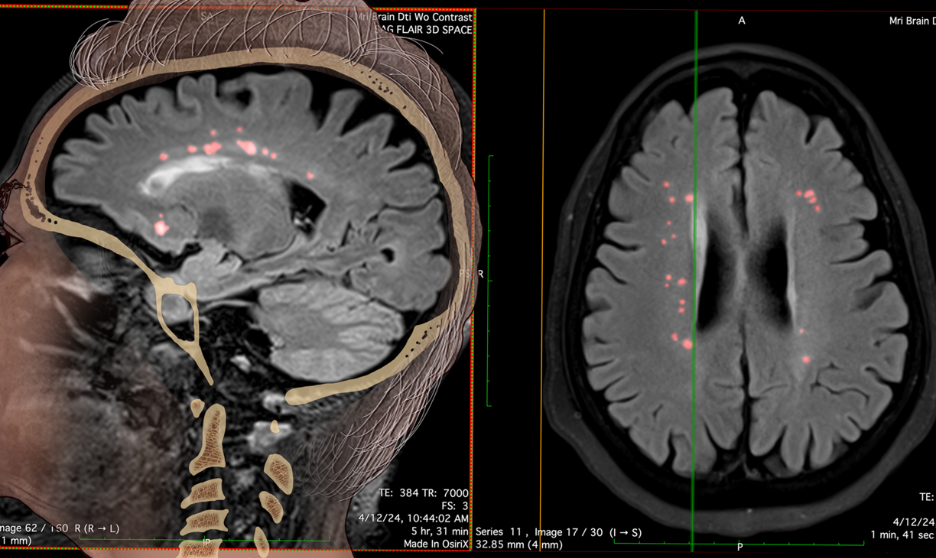
Proving an invisible injury
Later medical tests confirmed what Audrey had been saying from the start:
- Advanced brain scans (DTI/MRI) showed changes that happen after a head injury.
- Imaging tests revealed a small loss of brain tissue in the memory area, which explained why she was having trouble remembering things.
- Brainwave testing (QEEG) showed her brain was reacting more slowly than normal.
- Cognitive testing showed she had mild to moderate problems with focus and thinking.
All of this clear, scientific evidence helped Crosley Law prove that Audrey’s brain injury happened at the time of the crash and not months later, as the defense tried to argue.
The settlement that followed
After months of preparation and building a powerful case with medical, scientific, and expert evidence, Crosley Law was fully ready to take Audrey’s case to trial. Our team assembled clear proof from brain and spine specialists that showed the full extent of her injuries. Faced with the strength of this evidence and knowing we were prepared to present it to a jury, the defense agreed to settle the case for $1,900,000 just one day before trial was set to begin.
The defense’s narrative— that a “minor crash” caused no serious harm—crumbled under the weight of meticulous investigation, expert testimony, and medical truth. Audrey’s story is a testament to why victims of traumatic brain injuries need experienced legal and medical advocates who understand the subtle yet devastating signs of concussion and post-concussive disorder.
Moving forward with strength
Today, Audrey continues her rehabilitation and remains optimistic about her recovery. While her teaching career has changed, she has found purpose in sharing her story and helping others understand that invisible injuries are real injuries.
Her victory is also a reminder of Crosley Law’s mission: to see what others miss, prove what others doubt, and fight for the truth.
If you or someone you love has experienced ongoing pain, headaches, or cognitive changes after a crash, don’t let an insurance company dismiss your injuries as “minor.”
Crosley Law Firm’s attorneys have the experience and resources to prove the truth and hold negligent drivers accountable.
Contact Crosley Law for a free consultation.
The content provided here is for informational purposes only and should not be construed as legal advice on any subject.