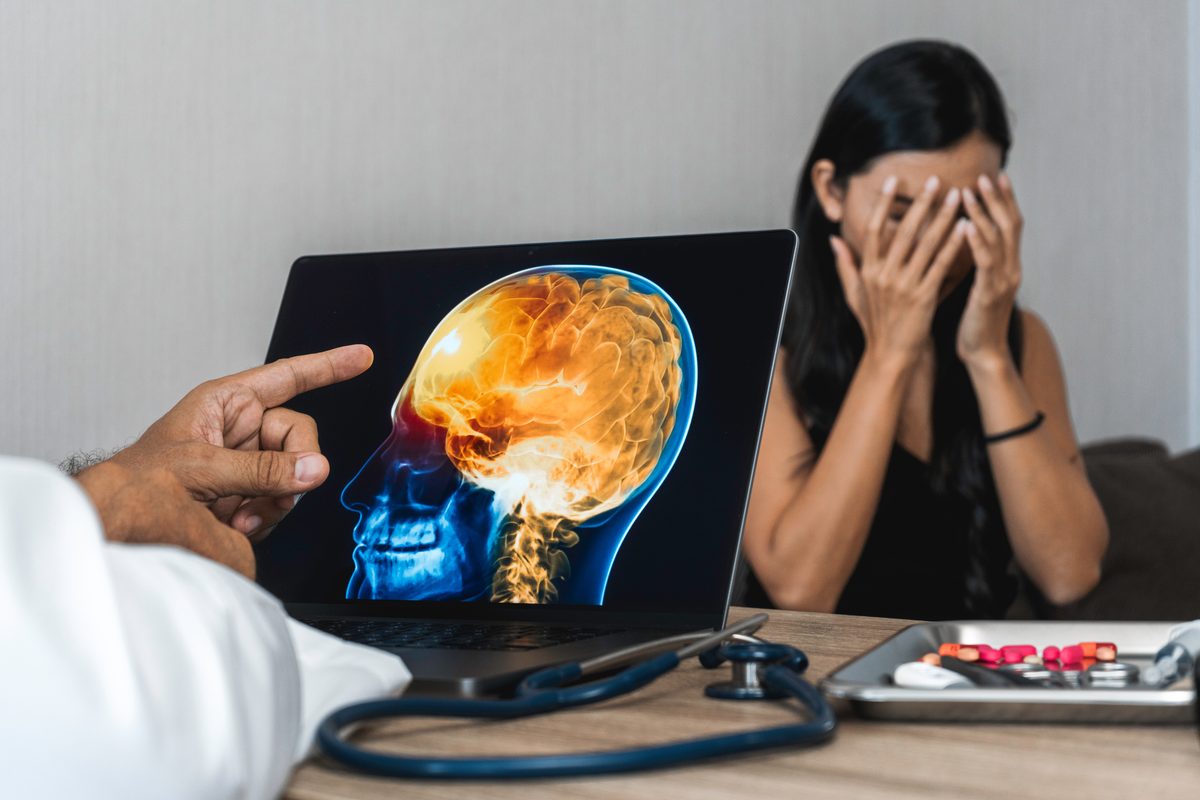


A concussion in a toddler or preschooler can look very different from a concussion in an older child or adult. That is part of what can make younger brain injury cases so difficult.
A small child might be too young to describe their symptoms, have meaningful school-based testing, or show the full impact of a brain injury right away. In some cases, the effects of the injury become clearer only as the child gets older and faces greater demands in preschool, kindergarten, and first grade.
At Crosley Law, we have handled child head injury cases involving car crashes, falls, dangerous property conditions, and other frightening events that left parents with more questions than answers. No matter the circumstances, every case involving a potential child brain injury deserves very careful attention.
Here is some important information for parents who suspect a concussion in their toddler or preschooler, including when you might want to contact legal help. If you have any additional questions or wish to discuss your case, please don’t hesitate to contact our San Antonio brain injury attorneys.
How concussions in small children differ from concussions in older kids and adults
A concussion is a mild traumatic brain injury, but don’t let the “mild” part fool you. “Mild” refers only to the medical classification and not to whether the injury matters in real life. A medically “mild” brain injury can still disrupt a child’s sleep, behavior, mood, play, development, or later learning.
The big difference with toddlers and small children is that they often cannot tell you what they are feeling. An older child may say, “I have a headache,” “I feel weird,” or “I can’t concentrate.” An adult may describe dizziness, memory trouble, nausea, or light sensitivity. A 2-year-old might do none of that. Instead, the child may cry more, refuse food, become unusually clingy, stop playing normally, have trouble sleeping, or seem withdrawn.
This is one reason why concussions in young children are often overlooked or minimized. Parents may hear reassurance because the child is walking around, didn’t lose consciousness, or had a normal scan. But that does not rule out a concussion.
Signs of a concussion in a child might also not show right away. A toddler is still developing language, attention, memory, impulse control, and other skills. In some cases, an injury that happens today is only easily detectable later, when the child starts school or faces more complex developmental demands.
What this means for parents
If your child hits their head and seems off afterward, trust your instincts. Signs of a concussion in a child can include:
- Behavior changes
- Unusual irritability
- Increased clinginess
- Excessive crying
- Changes in sleep
- Appetite changes
- Vomiting or nausea
- Less interest in play
- Less social engagement
- Balance problems
- Speech changes
- A child who just doesn’t seem like themselves
In some children, symptoms show up right away. But in others, they may appear over hours or days. That is why parents should keep watching after the initial traumatic event, even if the child seems mostly okay at first.
Please note that some symptoms call for urgent medical care. Get help as soon as possible if you see:
- Repeated vomiting
- Worsening symptoms
- Seizures
- Trouble waking the child
- Increasing confusion
- Any other alarming changes
When receiving medical care of any sort, one practical point matters a lot: tell the doctor what has changed, not just what happened. “He hit his head” is not enough. More useful information sounds like this:
- “She is waking up crying”
- “He won’t eat”
- “Daycare says she is not acting like herself”
- “She has stopped playing the way she usually does.”
Having these types of details recorded can matter both medically and legally.
RELATED:TBI in Children: What parents should do if they suspect a brain injury after an accident
How do young children typically suffer concussions?
Concussions in small children happen in more settings than many parents realize.
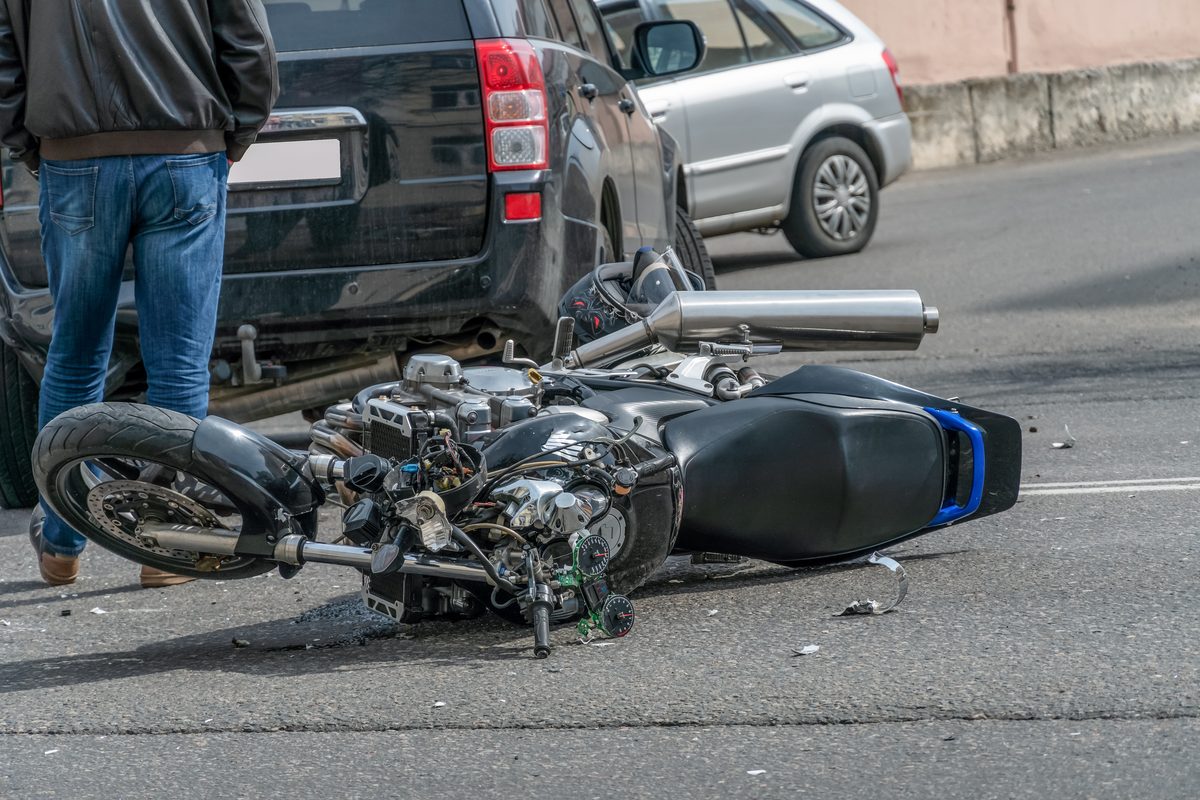
Sometimes the injury comes from falling at home. Sometimes it happens in a car crash. Sometimes it involves unsafe property conditions, a daycare incident, or playground equipment. Sometimes it grows out of a completely unexpected event.
Child head injuries do not always happen in predictable ways. And even when a child ultimately recovers well, the period of fear, uncertainty, medical follow-up, and disruption can still be very real.
Why child concussion cases are often harder to prove
Adult concussion cases are hard enough. Small child concussion cases are often harder.
A high school student can often be tested for attention, memory, learning problems, or loss of academic performance in a straightforward way. A toddler, however, may not yet have the language, focus, school baseline, or developmental demands that make certain deficits easy to spot.
In some cases, families and lawyers must wait until kindergarten, first grade, or later before formal testing makes the full picture clearer. That delay does not mean the injury is minor, but that the proof must be built differently.
Instead of relying on one early test score, a brain injury case may depend on a combination of parent observations, daycare and preschool records, pediatric neurology, developmental specialists, rehabilitation doctors, neuropsychology when the child is old enough, and careful follow-up over time.
In other words, permanence in a child brain injury case is often proven through a sequence of evidence over time and not a single snapshot.
How specialists and brain imaging can help prove a lasting injury
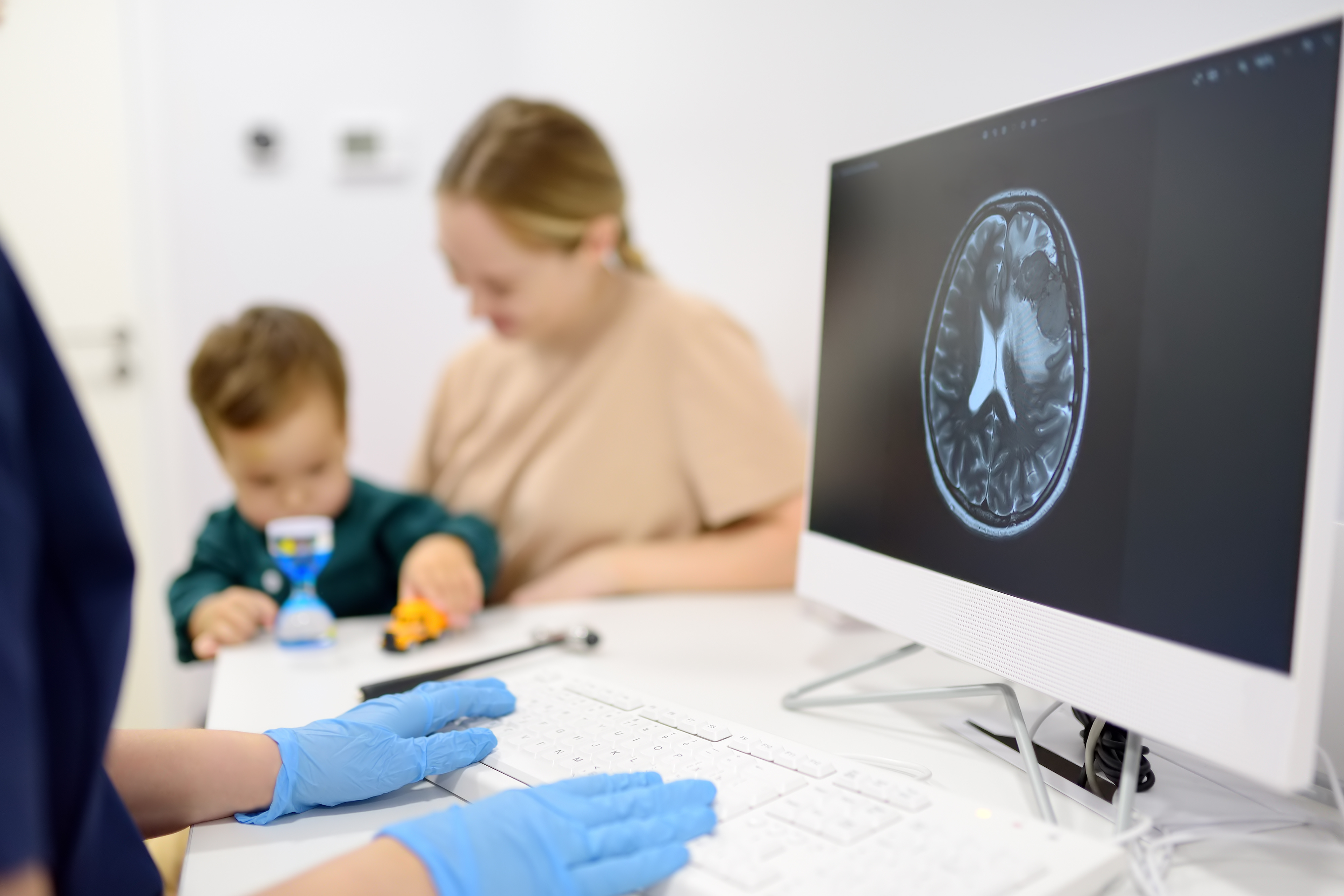
Not every child with a concussion needs imaging, and a normal CT scan also does not necessarily rule out a concussion. But in the right cases, specialists and imaging can play important roles in helping lawyers prove what happened and what the injury may mean for the future.
Depending on the circumstances, specialists such as pediatric neurologists, neuroradiologists, developmental pediatricians, rehabilitation physicians, neuropsychologists, speech therapists, and occupational therapists can be integral to proving a case. When medically appropriate, brain imaging may be one part of the proof, especially when combined with specialist evaluations, clinical history, caregiver observations, and later testing.
These keys can matter because insurance companies and defense lawyers often try to argue that there is no serious injury if the initial scan was normal, the child did not lose consciousness, or the child seemed better after a few days. In young children, that argument often ignores how a brain injury actually presents.
In those situations, doctors and lawyers may need to rely more heavily on developmental history, specialist opinions, medical records, imaging when appropriate, and the before-and-after testimony of adults who know the child best.
RELATED:How neurologists help traumatic brain injury lawyers prove cases
A few child head injury cases Crosley Law has handled
We have seen these issues up close in a range of child head injury cases.
In one case, Crosley Law obtained a $30 million settlement for a 4-year-old girl who fell from a third-floor apartment window and suffered serious brain injuries. That case required extensive work with traumatic brain injury experts to understand the child’s long-term condition and future needs.
Our firm has also handled a case involving a 3-year-old boy who suffered a traumatic brain injury and facial fractures after the vehicle he was riding in was rear-ended by a driver in a work truck.
In another matter, our firm obtained a record-setting verdict for a 16-year-old client who suffered a traumatic brain injury at an indoor trampoline park.
These cases involve frightening weeks before the family learns that the child will recover well. The common lesson is that child head injury cases are rarely simple, and you cannot judge the seriousness of the situation from the first emergency room visit alone.
What evidence helps prove a brain injury case for a child?
If your child suffered a head injury after a fall, crash, daycare incident, or other preventable event, documentation matters. Helpful evidence includes:
- Photos of visible injuries
- Incident reports
- Names of witnesses
- Daycare or preschool notes
- Videos, if they exist
- Medical records from the first visit and follow-up visits
- A parent journal documenting changes in sleep, behavior, appetite, routines, mood, speech, play, or balance
- Specialist evaluations when symptoms continue
Parents are often the best before-and-after witnesses. When a child is too young to explain what is wrong, the adults who knew the child before the injury become essential to proving what changed afterward.
The insurance company playbook
Insurance companies often try to minimize child concussion cases.
One common move is to argue that the child was fine because there was no loss of consciousness or no abnormal scan. Another is to say that the symptoms were just normal toddler behavior. Another is to point to a period of apparent improvement and pretend that the danger has passed.
Those arguments can miss the point. Small children often do not present like older kids or adults. Symptoms may evolve, and deficits may only become measurable later. In some cases, there is a long stretch of uncertainty before a parent or doctor can say with confidence whether the child will fully recover.
Sometimes parents do not know in the first few days whether the child will recover quickly or if the injury will turn into something more serious. That period of uncertainty is exactly why documentation, follow-up, and early investigation matter.
RELATED:How Crosley Law fights “junk science” in brain injury cases
When should you consult with a brain injury lawyer?
We recommend consulting with a lawyer as soon as possible if you suspect your child has sustained a brain injury due to a car crash or accident caused by someone’s negligence.
From a legal standpoint, the basic advice for any personal injury case is the same: preserve evidence early, get the right follow-up care, and do not assume time is your friend.
Legal rules vary from state to state. Texas has its own deadlines and doctrines, and other states do too. But the practical problem is universal. Witness memories fade. Video of the incident gets deleted. Dangerous conditions get repaired. Records become harder to gather. And the people involved start remembering events differently.
Taking early action does not mean rushing to conclusions about the child’s long-term outcome. It means protecting evidence while doctors and specialists continue to monitor the child.
RELATED:How a San Antonio brain injury lawyer wins TBI cases
FAQs about Child Brain Injuries
Can a toddler have a concussion without losing consciousness?
Yes. A child does not have to lose consciousness to suffer a concussion, and a normal initial scan does not rule one out.
Why do signs of a concussion in a child look different from other ages?
Toddlers and preschoolers often cannot describe symptoms the way older children and adults can. Instead, symptoms may show up through behavior, play, sleep, mood, or appetite changes.
What if my child seems fine right after the injury?
Symptoms can appear later or change during recovery. Some problems also become more obvious only as developmental demands increase.
Can a child be too young for meaningful testing?
Sometimes, yes. Some important deficits are easier to identify later, when the child is old enough for more formal developmental, educational, or neuropsychological testing.
Do specialists really matter in child brain injury cases?
Yes. Pediatric concussion and brain injury cases often require more than a one-time exam. Neurology, developmental medicine, rehabilitation, neuropsychology, and later testing may all help explain the injury and its long-term effects.
When should parents consider pursuing legal advice?
Legal advice may be worth considering when someone else caused the injury, symptoms lasted longer than expected, the child had trouble returning to normal routines, or there is a risk that key evidence could disappear if no one investigates promptly.

Crosley Law approaches child brain injury cases seriously
Child brain injury cases require patience, strong attention, and a trial-ready approach. In many of these cases, the hardest part is not proving that the child hit their head. It is proving what changed afterward and what that change may mean for the child’s future.
That is where careful case building matters. We work to preserve early evidence, document the child’s before-and-after story, and use the right specialists to explain what the injury means now and what it may mean later. When a child is too young for the full impact to be measured immediately, the case still must be built in a way that shows the truth.
If your child suffered a head injury after a crash, fall, daycare incident, or other preventable event, it is worth getting answers early. Crosley Law helps families investigate what happened, preserve the right evidence, and understand how specialists and long-term proof can help show the real impact of a child brain injury.
Contact us today to request a free consultation.
The content provided here is for informational purposes only and should not be construed as legal advice on any subject.