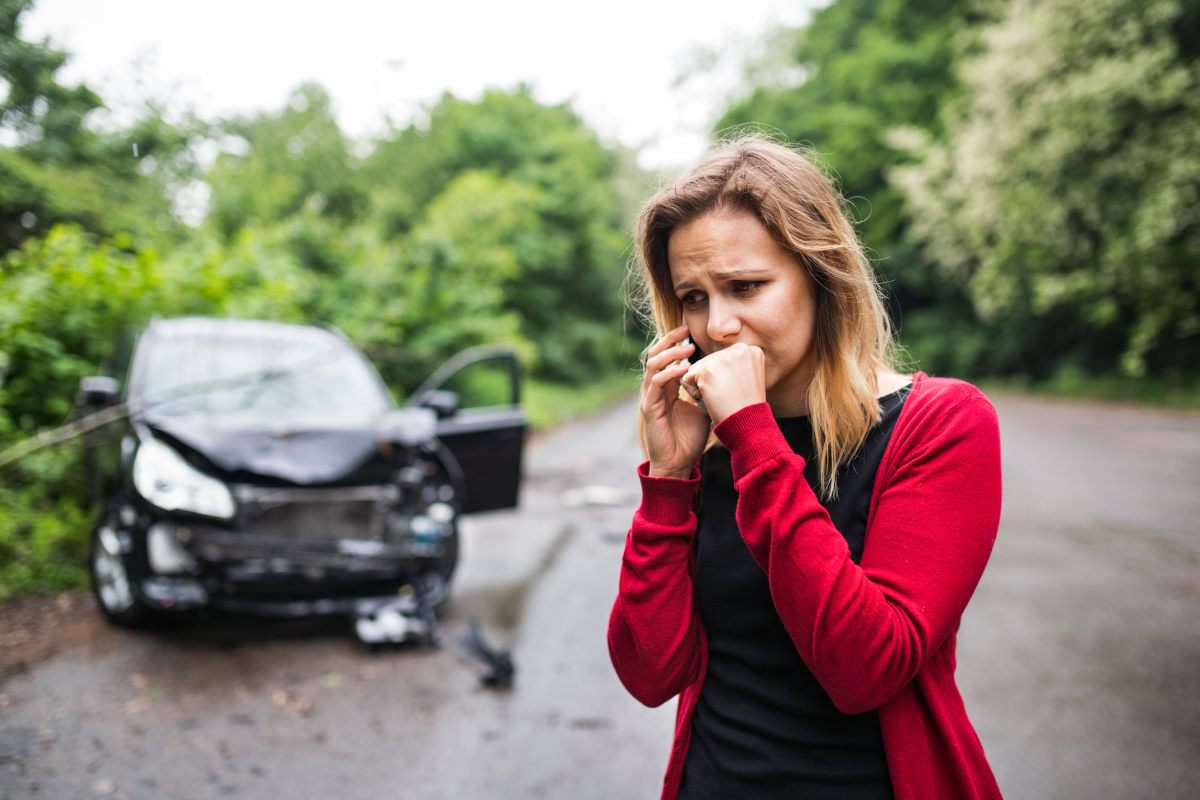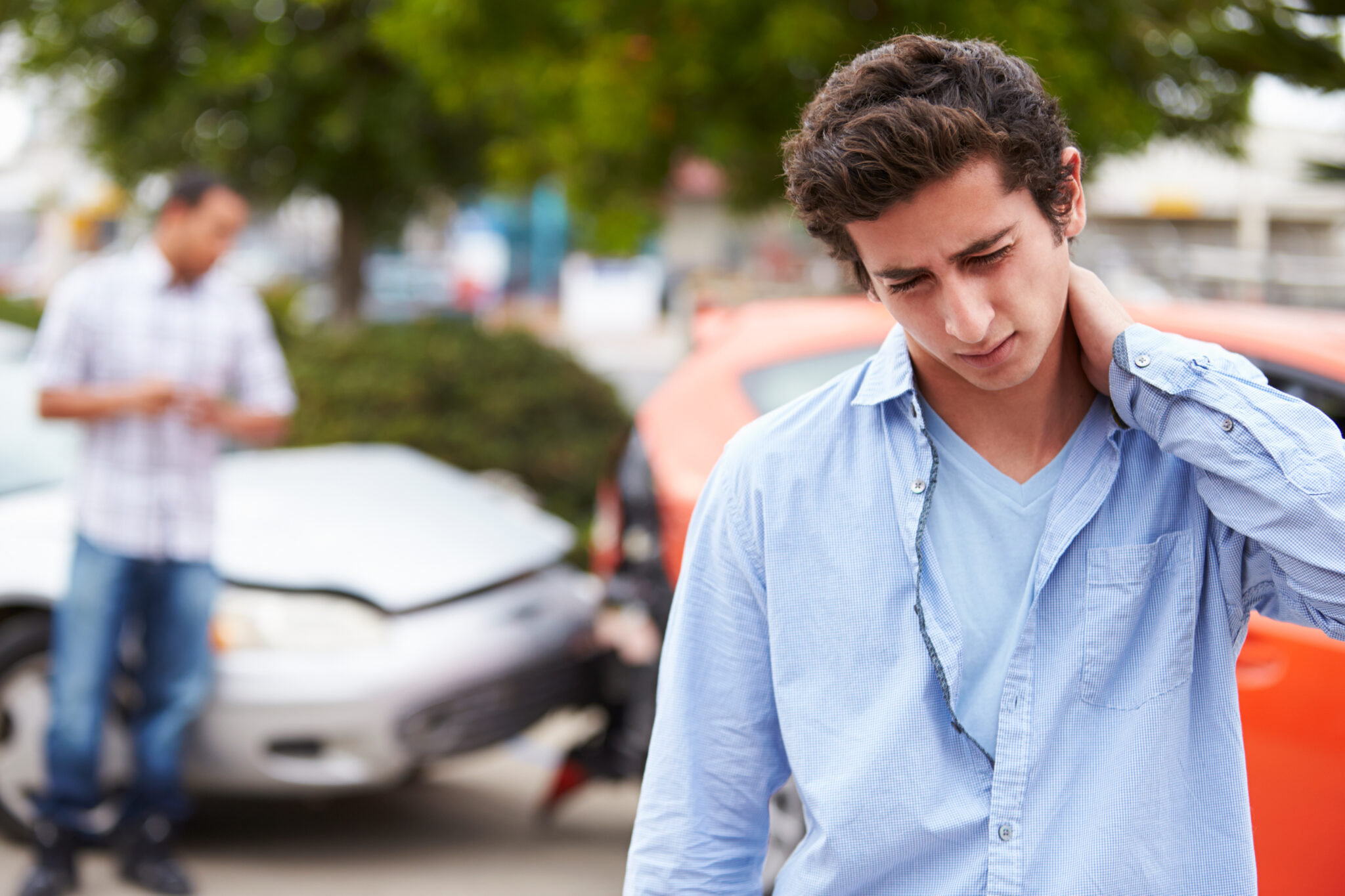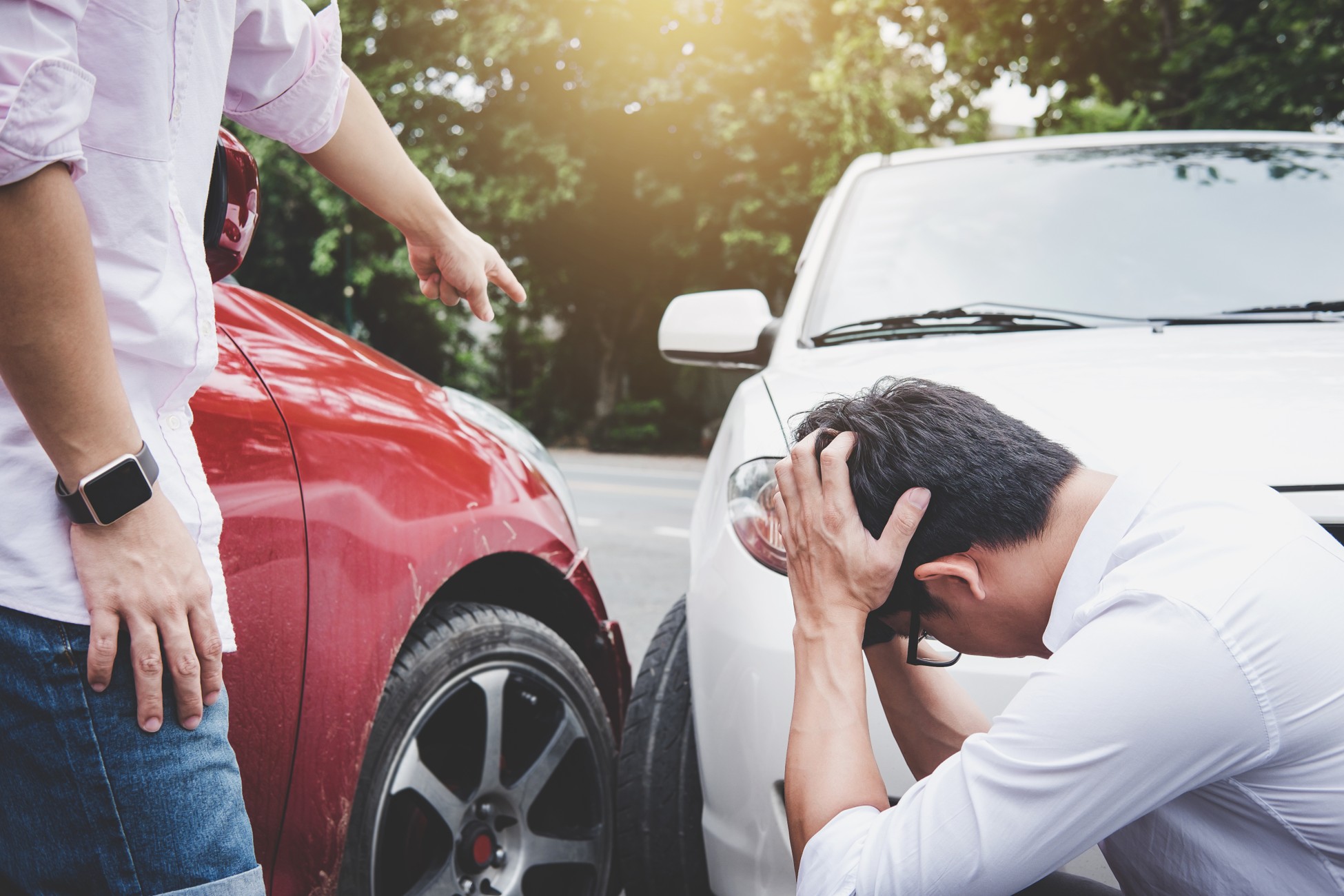


After a car accident, most people focus on the immediate concerns: injuries, vehicle damage, and dealing with insurance companies. But there’s another critical question that can significantly impact your case:
Did something illegal contribute to the crash?
In Texas, many serious car crashes are not fully “accidents.” They involve illegal behavior like speeding, distracted driving, leaving the scene of an accident, or even aggressive actions like brake checking. When a driver breaks the law and causes a crash, it can change everything about how your case is handled and how compensation is determined.
At Crosley Law, we look beyond the surface of every crash. Our San Antonio car accident lawyers investigate what really happened and whether illegal conduct played a role. Here’s how illegal actions can affect claims and what Texas car accident laws could mean for your case.
Why illegal conduct matters in a Texas car accident case
Texas is an “at-fault” state for car accidents. That means the person responsible for causing the crash is also responsible for paying damages. But determining fault isn’t always simple.
Insurance companies often try to frame accidents as misunderstandings or shared mistakes. When illegal behavior is involved, however, it can provide powerful evidence of negligence.
In many cases, proving that the other driver violated the law can:
- Strengthen your claim for compensation
- Make it harder for the insurance company to deny liability
- Support claims for more significant damages
- Shift more fault onto the other driver under Texas comparative negligence rules
In legal terms, this concept is sometimes referred to as “negligence per se.” When a driver violates a safety law—like speeding or texting while driving—and that violation causes an accident, it can serve as strong evidence that they were negligent.
RELATED:How lawyers prove fault in car and truck accidents
Common violations of Texas car accident laws
Not every crash involves illegal behavior, but many do. Some of the most common violations we see in the San Antonio area include:
Speeding
Speeding is one of the leading causes of serious and fatal crashes in Texas.
When a driver exceeds the speed limit or drives too fast for conditions, they reduce their ability to react to hazards, control their vehicle, and avoid collisions.
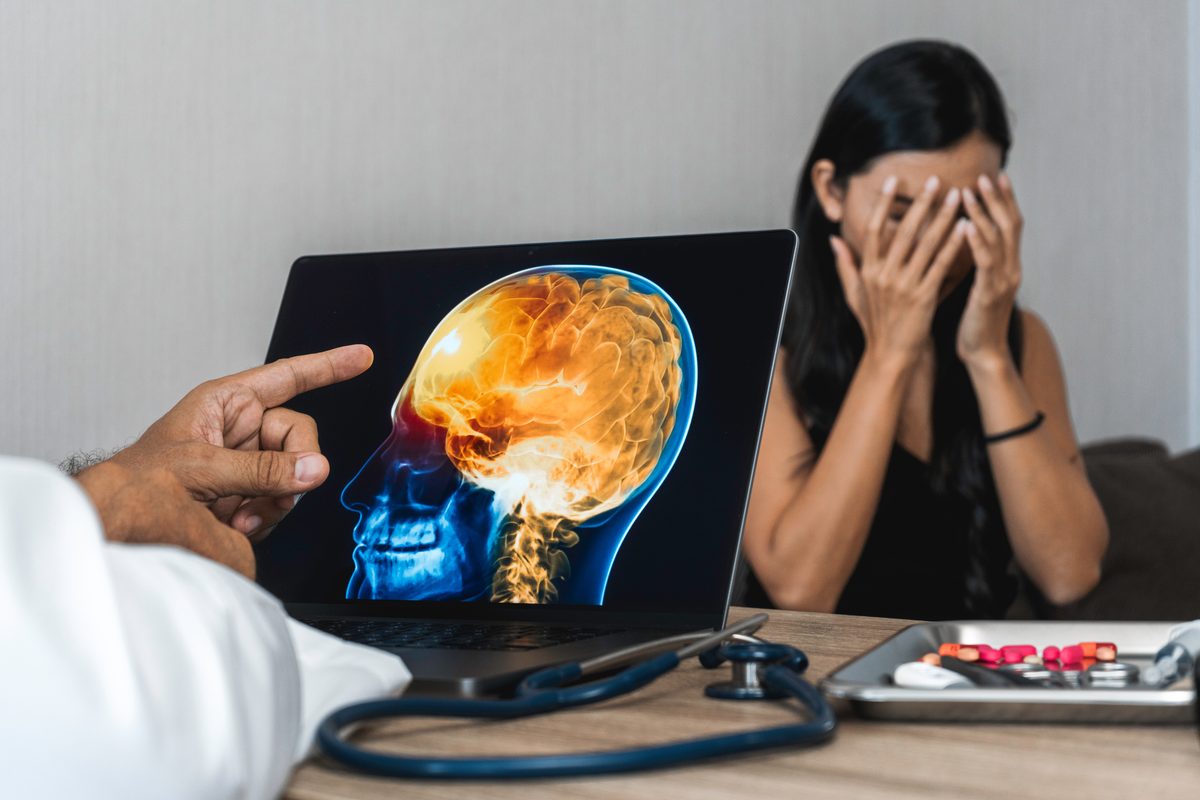
Speeding also increases the severity of crashes. A collision at high speed is far more likely to cause catastrophic injuries, including traumatic brain injuries, spinal cord injuries, and internal trauma.
If an at-fault driver was speeding, it may be a critical factor in proving liability.
Distracted driving
Distracted driving has become one of the most dangerous and widespread illegal behaviors on Texas roads.
Texas law prohibits texting while driving, but distraction goes far beyond just phone use. It can take many other forms including:
- Adjusting GPS or music
- Eating or drinking
- Talking to passengers
One of the challenges in these cases is proving distraction. Drivers rarely admit they were looking at their phones or were otherwise distracted right before a crash. That’s why thorough investigations are so important. Phone records, vehicle data, and witness statements can all help uncover what really happened.
Brake checking and aggressive driving
Brake checking—when a driver intentionally slams on their brakes to intimidate or retaliate against another driver—is a dangerous and often illegal maneuver.
It’s typically associated with road rage or aggressive driving, which may also include:
- Tailgating
- Unsafe lane changes
- Cutting off other drivers
- Intentional obstruction
These behaviors can quickly escalate into serious crashes. Even if the driver claims they were “just reacting,” the law may view their actions as reckless or negligent.
At Crosley Law, we’ve seen how these situations unfold and how important it is to investigate the sequence of events carefully.
Driving under the influence
Driving under the influence of alcohol or drugs is one of the most serious violations a driver can commit.
If a driver was intoxicated at the time of the crash, it could significantly impact your case. In addition to civil liability, the driver may also face criminal charges.
From a civil standpoint, DUI cases often involve:
- Strong evidence of negligence
- Potential claims for exemplary (punitive) damages
- Additional liability for third parties (such as bars or restaurants under Texas dram shop laws)
RELATED:What is an average settlement for a Texas drunk driving accident?
Running red lights or ignoring traffic signals
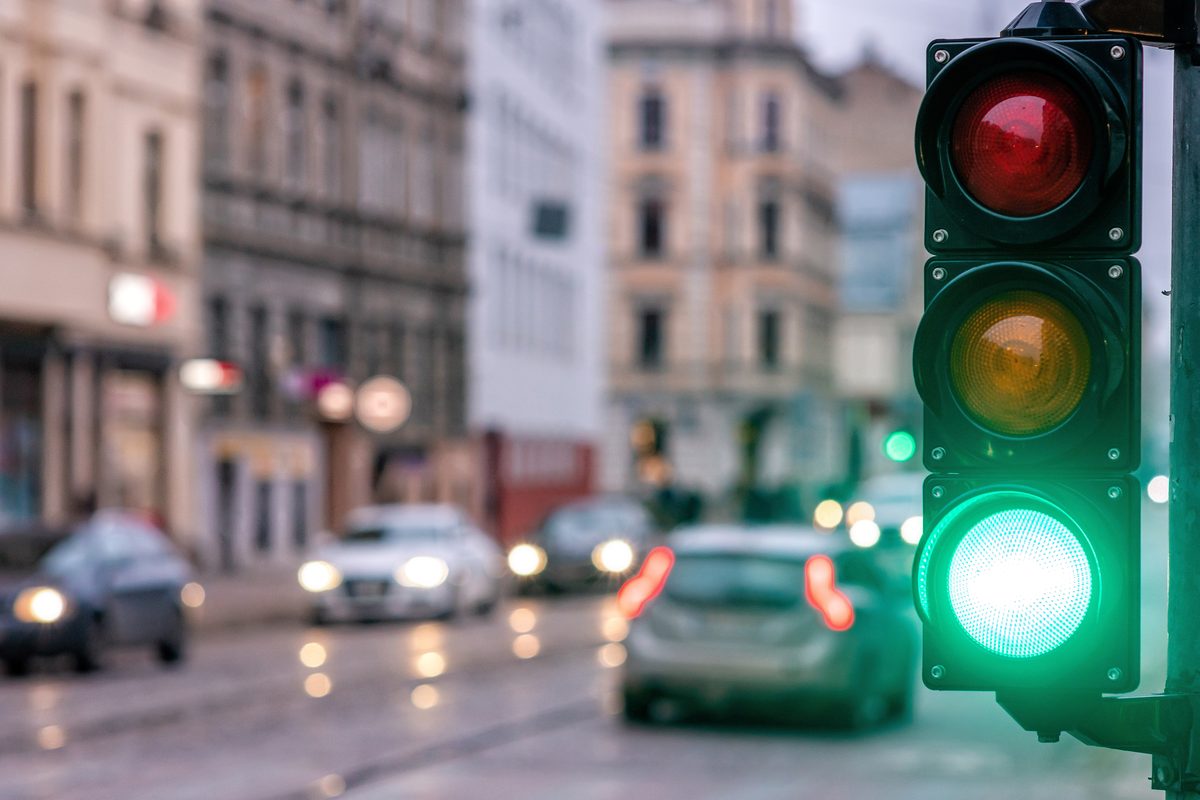
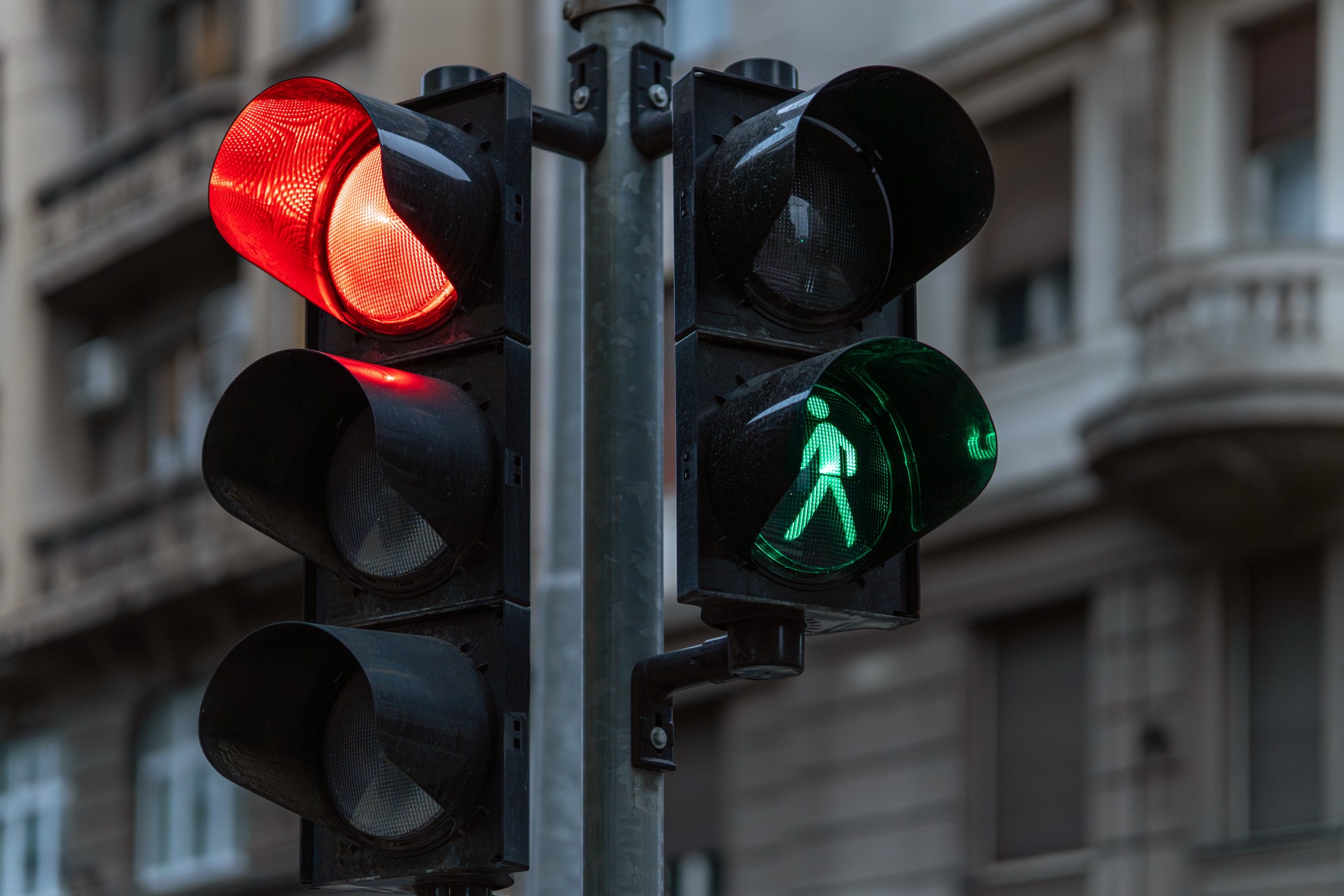
Traffic signals and signs exist to prevent collisions. When a driver ignores them by running a red light or failing to yield, they put everyone at risk.
These violations often lead to:
- T-bone (side-impact) collisions
- Pedestrian accidents
- High-speed intersection crashes
Proving a traffic violation can be key to establishing fault, especially when multiple parties dispute what happened.
What if you were also partially at fault?
Many clients worry about whether their own actions might affect their case. Texas follows a modified comparative negligence rule. This means:
- You can still recover compensation if you were partially at fault
- However, your recovery is reduced by your percentage of fault
- If you are more than 50% at fault, you cannot recover damages
For example, if you were slightly speeding but the other driver ran a red light, both factors might be considered. A detailed investigation can help determine how the fault should be divided.
Insurance companies often try to shift blame onto injured victims to reduce payouts. That’s another reason why it’s important to have an experienced San Antonio car accident lawyer on your side.
How Crosley Law investigates illegal conduct in car accidents
At Crosley Law, we don’t take accident reports at face value. We dig deeper to uncover the truth. Our approach to investigating potential illegal conduct may include:
Reviewing police reports and citations
We analyze the official accident report to identify:
- Traffic citations issued at the scene
- Officer observations
- Statements from drivers and witnesses
While helpful, police reports are just one piece of the puzzle. They don’t always tell the full story and sometimes need to be corrected in the face of new evidence.
Gathering witness statements
Independent witnesses can provide valuable insight into what happened before and during the crash. They may confirm speeding or reckless driving, distracted behavior, or traffic signal violations, among other evidence.
Securing video evidence
Video footage can be one of the most powerful forms of evidence. We look for:
- Traffic camera footage
- Surveillance video from nearby businesses
- Dashcam recordings
In many cases, this footage must be obtained quickly before it is overwritten or lost.
Analyzing vehicle data (black box information)
Modern vehicles often contain event data recorders (EDRs), sometimes called “black boxes.” These systems can capture information such as vehicle speed, braking activity, acceleration, and steering inputs.
This data helps determine whether a driver was speeding, braking suddenly, or behaving aggressively.
Reviewing cell phone records
In suspected distracted driving cases, we may seek phone records to determine whether a driver was texting or using their device at the time of the crash.
Working with accident reconstruction experts
In complex cases, we collaborate with experts who can reconstruct a crash using:
- Physical evidence from the scene
- Vehicle damage analysis
- Data from electronic systems
These experts help explain how the crash occurred and whether illegal behavior played a role.
How illegal conduct can affect your compensation
When illegal actions contribute to a crash, it can influence the outcome of your case in several ways:
- Stronger liability claims: Proving that the other driver broke the law makes it easier to establish fault.
- Increased settlement values: Insurance companies may be more likely to settle—and for higher amounts—when there is clear evidence of illegal behavior.
- Potential for additional damages: In cases involving extreme misconduct, such as DUI or road rage, you may be able to pursue exemplary (punitive) damages. These damages are intended to punish wrongful conduct and deter similar behavior.

Car Crash? Call Crosley
At Crosley Law, our legal team believes that every case deserves a thorough, evidence-based investigation. We don’t rely on assumptions or incomplete information. We work to uncover what really happened and whether illegal conduct contributed to your injuries.
If you or a loved one has been hurt in a car accident in San Antonio or anywhere in Texas, we’re here to help. Contact Crosley Law today for a free consultation. We’ll review your case, explain your options, and help you take the next steps toward recovery and accountability.
The content provided here is for informational purposes only and should not be construed as legal advice on any subject.