

If you drive in San Antonio, you already know which intersections make you tense up. A recent San Antonio Express-News analysis of Texas Department of Transportation crash data put numbers to that feeling, identifying the local intersections where the most people were injured in 2025.
According to the Express-News, more than 8,400 crashes happened at San Antonio intersections last year, accounting for almost one out of every five reported crashes. The ten intersections with the highest injury totals accounted for 132 crashes and 129 injuries in a single year, six of them considered serious.
The intersection at the top of the list was East Bitters Road at Heimer Road, just north of the airport and east of U.S. 281. Nine crashes there caused sixteen injuries in 2025. The leading causes were familiar ones: driver inattention and failing to yield the right of way when turning left.
As San Antonio car accident lawyers, we see these mistakes again and again. Many drivers believe that a green light gives them the right to turn left in front of oncoming traffic. It does not, and that misunderstanding causes serious wrecks.
RELATED:San Antonio’s most dangerous roads
San Antonio’s most dangerous intersections in 2025
According to the Express-News analysis of TxDOT data, these ten intersections had the highest reported injury totals last year:
- East Bitters Road at Heimer Road, 16 total injuries
- West Poplar St. at North Colorado St., 15 total injuries
- East Euclid Ave. at Brooklyn Ave., 14 total injuries
- Somerset Road at Fischer Road, 14 total injuries
- Hunt Lane at Military Drive West, 13 total injuries
- Crosswinds Way at Tech Com Drive, 11 injuries
- Hunt Lane at Potranco Road, 11 total injuries
- South Zarzamora St. at Gillette Blvd., 11 total injuries
- West Commerce Street at North Colorado Street, 11 total injuries
- Classen Road at Knollcreek Drive, 11 total injuries
These are far from the only intersections that deserve your attention. Crash patterns shift as neighborhoods grow and traffic increases, with plenty more accidents spread out across the many intersections of the city.
RELATED:Who is at fault in an intersection accident?
A green light does not always give you the right of way
The rules for turning left are simpler than most drivers realize once you understand the different kinds of signals.
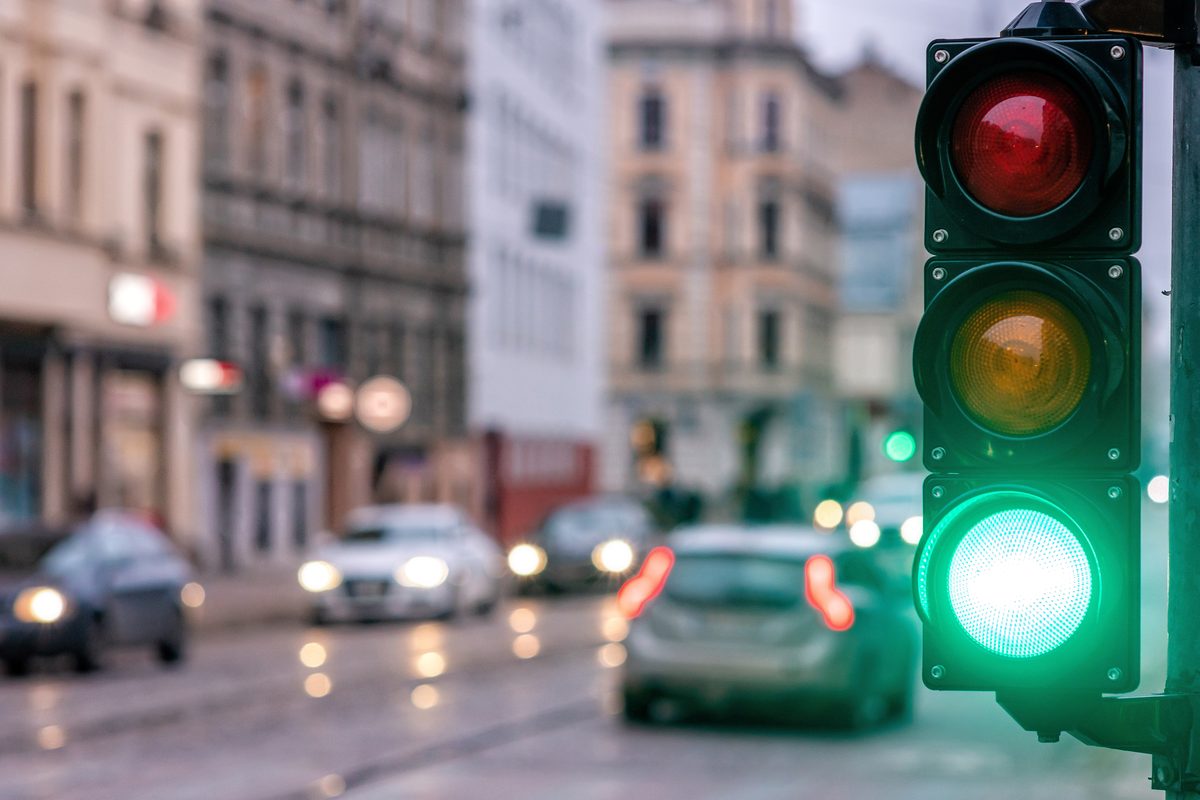
A circular green light lets you proceed through the intersection if it is safe. You may go straight, turn right, or turn left unless a sign tells you otherwise. But if you are turning left on a circular green, you must yield to oncoming traffic first.
Texas law says it plainly: a driver turning left must yield to a vehicle approaching from the opposite direction if that vehicle is already in the intersection or is close enough to be an immediate hazard. In other words, the driver going straight through generally has the right of way, and the driver turning left must wait for a safe opening. This is known as an unprotected, or permissive, left turn.
Green arrows and flashing yellow arrows are not the same thing
Traffic signal design has been evolving to make turn distinctions clearer. Here’s what the different left-turn signals mean:
- Steady red arrow: Stop. The left turn is not allowed.
- Steady yellow arrow: Prepare to stop; the protected turn is ending.
- Flashing yellow arrow: You may turn left, but you must yield to oncoming traffic and go only when it’s safe.
- Steady green arrow: The left turn is protected. Oncoming traffic is stopped, but you should still watch for pedestrians and vehicles clearing the intersection.
A steady green arrow is the only point when a left turn is considered protected, but that doesn’t mean everyone and everything around you will automatically acknowledge this fact. Always be watchful.
RELATED:Who’s liable when you’re blamed for a San Antonio car accident?
Why San Antonio is installing more flashing yellow arrows
San Antonio has been gradually adding flashing-yellow-arrow signals at intersections around the city, with installation expected to continue at existing and new signal locations.
The reasoning makes sense: a flashing yellow arrow sends a clearer message than a traditional circular green light. It tells you that caution is required and your turn is not protected, which is more intuitive than expecting every driver to remember that a circular green still requires yielding.
That said, not every permissive left turn will be converted right away. The right design depends on the intersection’s layout, lane configuration, traffic volume, and signal equipment. The city’s public information does not say how many San Antonio intersections currently use flashing yellow arrows or when the conversions might be finished.
Why do left-turn crashes cause such serious injuries?
A vehicle turning left cuts directly across the path of oncoming traffic. If the turning driver misjudges the speed or distance of an approaching car, the other driver may have almost no time to brake or react.
The result is often an angle or side-impact crash, where one vehicle strikes the side of the other near the driver or passenger. Side impacts tend to cause serious harm because there is far less vehicle structure between an occupant’s body and the point of impact than in many front- or rear-end collisions.
Common injuries in left-turn crashes include traumatic brain injuries and concussions, neck and back injuries, spinal injuries, fractures, internal injuries, and lasting psychological trauma. Even a crash that seems moderate at first can produce symptoms that worsen over the following days and weeks.
What happens when both drivers swear they had the green light?
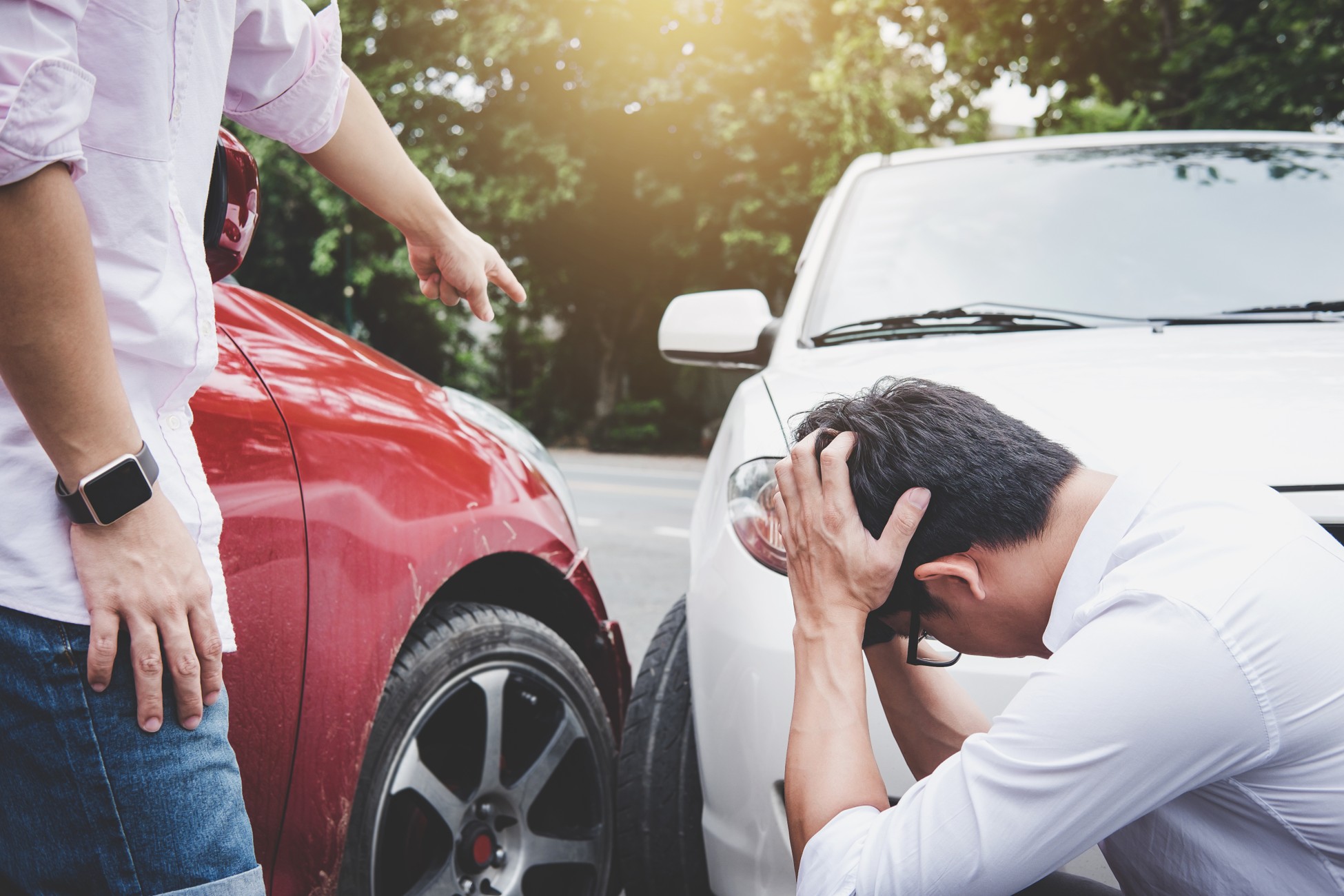
Some intersection cases are a straightforward failure to yield. Others turn into what lawyers sometimes call a “red-light swearing match.” One driver says the light was green, the other says the opposite, and each insists the other entered the intersection unlawfully.
The good news is that the truth can usually be reconstructed even when memories conflict. In a serious case, your legal team can request traffic-signal timing and phasing records from whoever controls the intersection, whether that’s the City of San Antonio, TxDOT, or another entity. Those records show how the signal was programmed to cycle. They rarely provide a second-by-second log of the exact moment of impact, but combined with witness accounts, vehicle positions, physical evidence, and any available video, they can help establish what actually happened.
This is the same kind of careful, evidence-first investigation we describe in our article on who’s liable when you’re blamed for a San Antonio car accident. The sooner that work begins, the better the result tends to be, and that’s because of how quickly the evidence disappears.
RELATED:What to do if the other driver is lying about a car accident
RELATED:Who’s liable when you’re blamed for a San Antonio car accident?
Speed of investigation matters after an intersection crash
Four kinds of evidence are especially important in a disputed left-turn case, and all three are time-sensitive.
Witnesses. A neutral witness who can say which direction had the green is often more persuasive than either driver. But witnesses often leave the scene and can forget details over time. Prompt investigation makes it far more likely they can be found and interviewed while their memory is fresh.
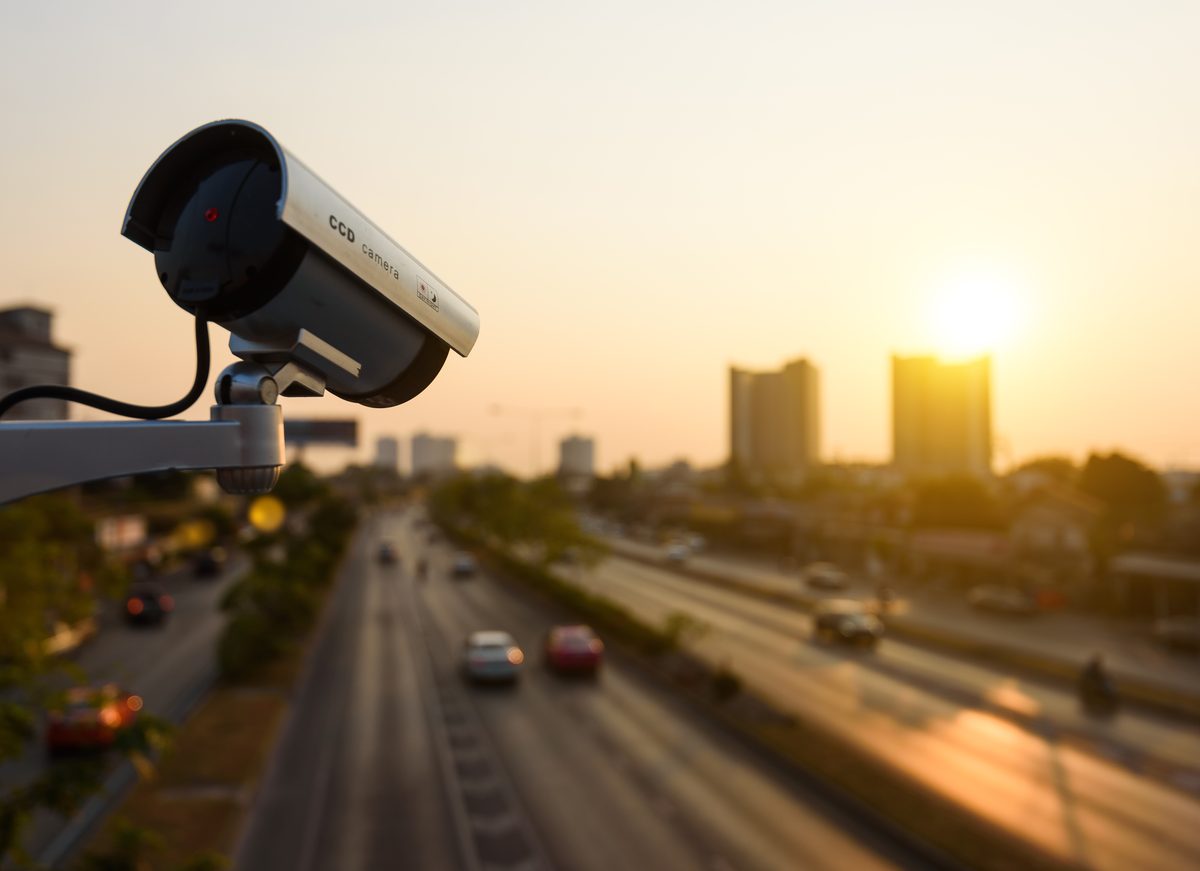
Nearby surveillance video. Footage from traffic cams and building security cameras can provide clear views of the crash. However, this footage is frequently overwritten within days unless someone moves quickly to preserve it.
Vehicle data. Many modern vehicles have an event data recorder or “black box” that can capture information like speed, braking, accelerator input, and seatbelt use in the seconds around a crash. When one driver claims the other was speeding or never braked, that data can turn speculation into objective proof. What’s available varies by vehicle, and a damaged car may be repaired, sold, or scrapped before anyone downloads the information. It’s all the more reason to act early.
Physical evidence at the scene. Debris fields, fluid trails, tire and scrape marks, gouges in the pavement, and detached parts can help an accident reconstruction expert pinpoint the area of impact and which lane a vehicle was in. Weather, traffic, and routine road cleanup erase that evidence fast. What’s visible the day of a crash may be gone a week later.
If you’ve been seriously hurt, this is the central reason we encourage people to talk to a lawyer sooner rather than later.
RELATED:Why having a San Antonio car accident attorney matters after a crash
Frequently asked questions about intersection crashes
Does a green light mean I can turn left whenever I want?
No. On a plain circular green light, a left turn is permitted only when it’s safe, and you must yield to oncoming traffic that is in the intersection or close enough to be an immediate hazard. Only a steady green arrow gives you a protected left turn.
Who is usually at fault in a left-turn crash in Texas?
Often, the left-turning driver is to blame, because Texas law puts the duty to yield on the driver turning across oncoming traffic. But this is not always the case. An oncoming driver who was speeding or ran a red light may share or even bear the blame, which is exactly why the evidence matters.
What does a flashing yellow left arrow mean?
It means you may turn left but must yield to oncoming traffic and proceed only when it’s safe. It is a clearer way of communicating the same rule that applies on a circular green light.
What if the other driver and I both say we had the green light?
These disputes can usually be sorted out with evidence such as traffic signal timing records, independent witnesses, vehicle “black box” data, physical evidence at the scene, and video. A prompt investigation gives you the best chance of preserving all of it.
How soon should I contact a lawyer after an intersection crash?
As soon as you reasonably can after a serious injury. Witnesses scatter, video gets overwritten, vehicles get repaired, and scene evidence vanishes—often within days. Texas also generally gives you two years to file a personal injury lawsuit, but waiting can cost you evidence long before that deadline.

Injured in a San Antonio intersection crash? Talk to Crosley Law
Crosley Law has represented injured people and their families in San Antonio and across Texas for more than twenty years. We investigate serious crashes promptly, preserve the evidence that matters, and work to prove what really happened and who is responsible.
If you or a family member has been seriously injured in an intersection crash, call Crosley Law at (210) 529-3000 or request your free consultation online. We’ll listen to your story, explain your options, and help you move forward.
Car Crash? Call Crosley
The content provided here is for informational purposes only and should not be construed as legal advice on any subject.