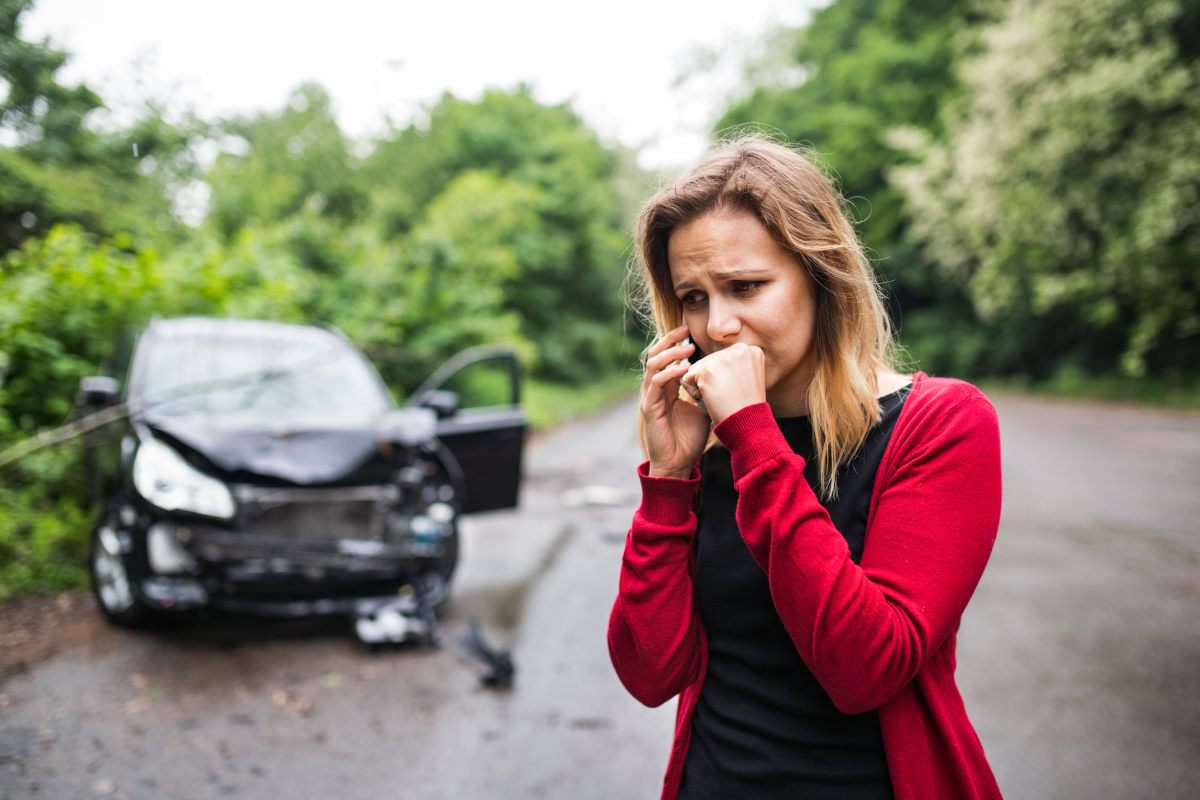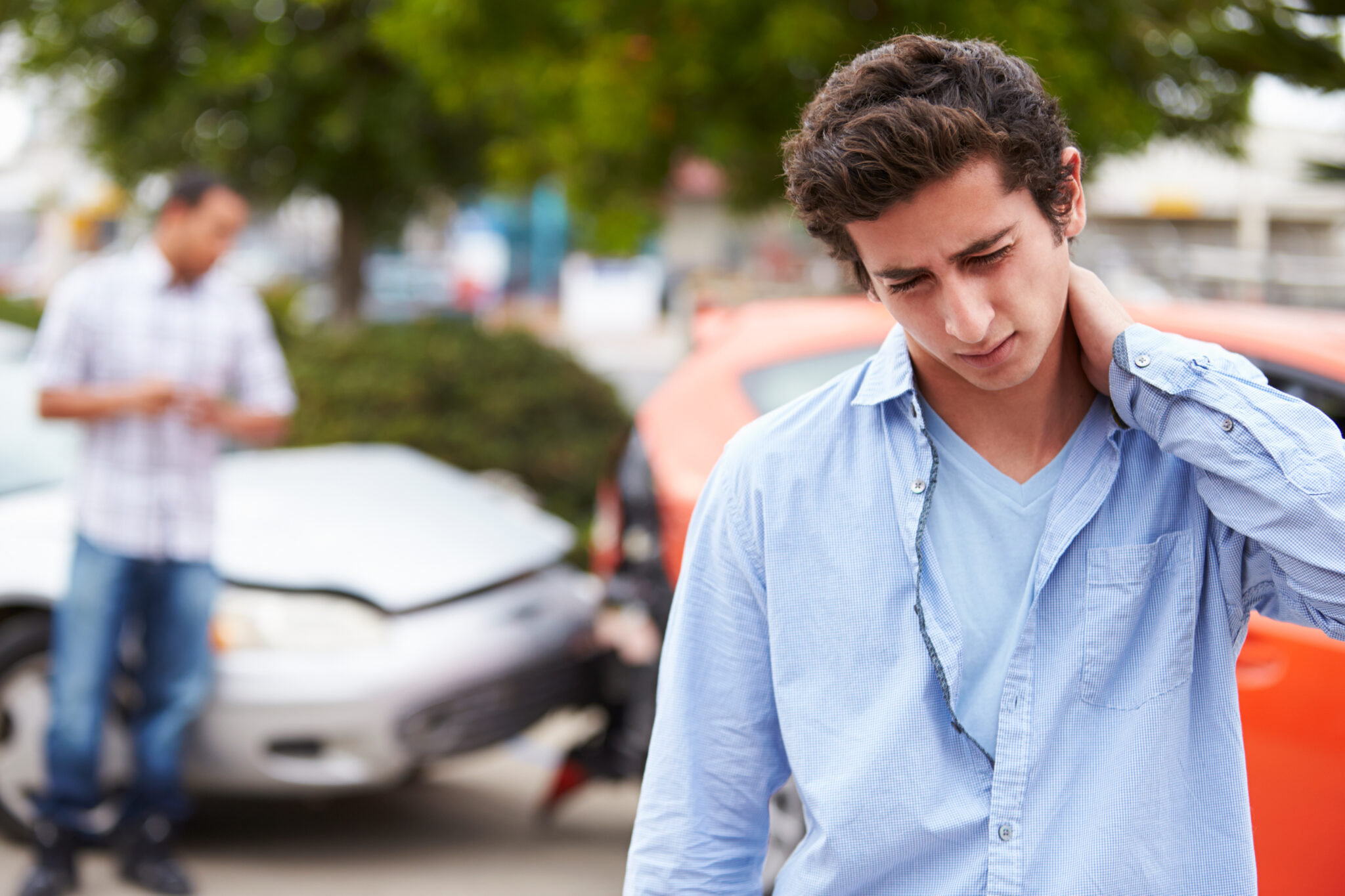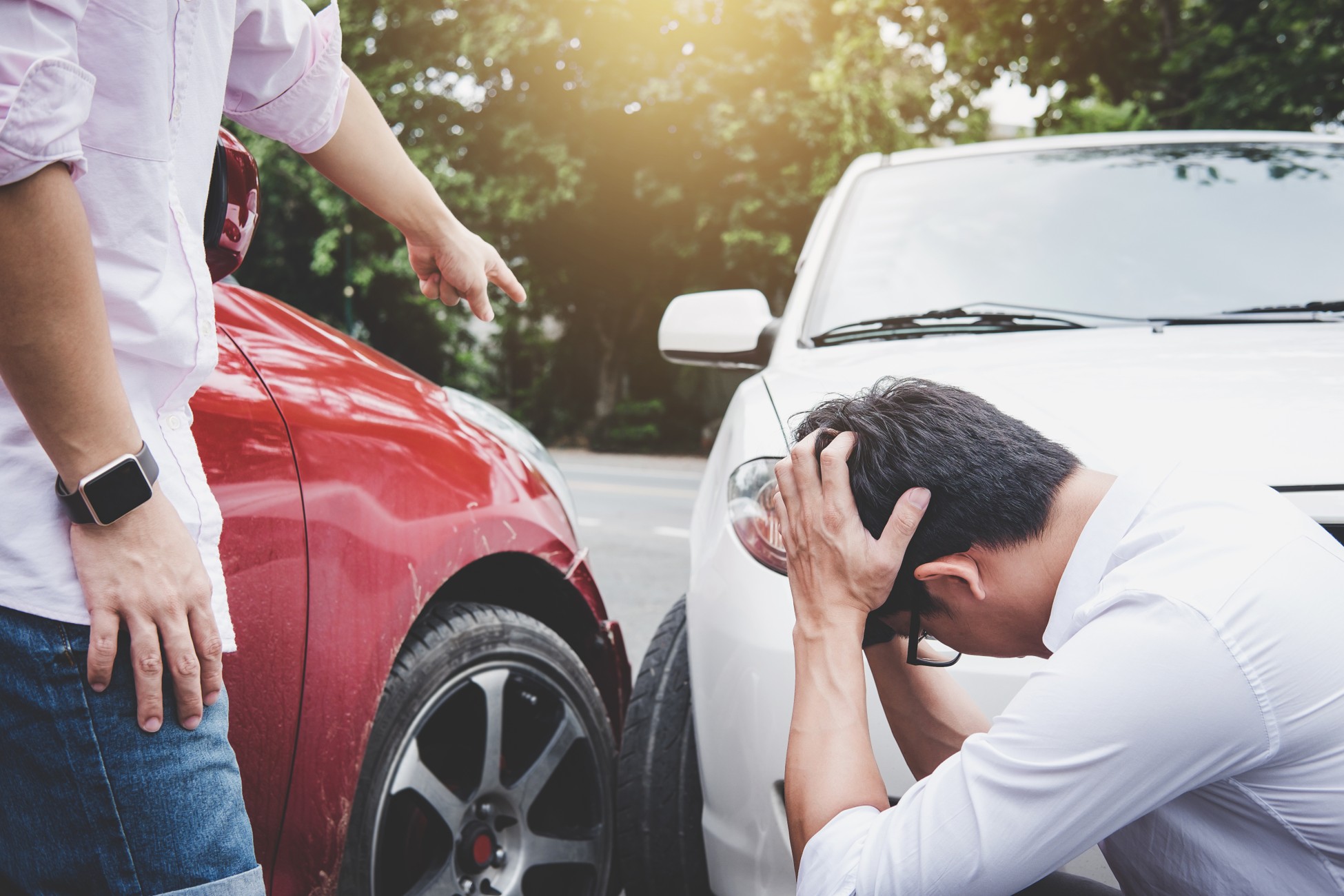



Few things are more frustrating after a car accident than hearing the other driver blame you for the crash. One minute, you’re dealing with injuries, vehicle damage, and the stress of what just happened. The next, you’re learning that the other driver—or their insurance company—is claiming that the accident was your fault.
This situation is common in San Antonio and throughout Bexar County. In many car accident cases, both drivers walk away with very different versions of what happened. Insurance companies then begin investigating, often looking for ways to minimize what they pay by shifting blame onto the injured person.
At Crosley Law, our team has seen how quickly these disputes can spiral. We’ve also seen how strong evidence, careful investigation, and experienced legal representation can uncover the truth. If you’re being blamed for a crash in San Antonio, it’s important to understand how liability works in Texas and how a San Antonio car accident lawyer can help protect you.
How liability works in Texas car accident cases
Liability simply means legal responsibility for the crash. In most car accident claims, the central question is whether another driver acted negligently and caused a collision.
Texas law requires drivers to operate their vehicles safely and follow traffic laws. When someone speeds, drives distracted, runs a red light, follows too closely, or behaves recklessly behind the wheel, then they may be held liable for the harm they cause.
However, proving liability is not always simple. Many crashes happen in seconds, often in heavy traffic or chaotic conditions. Drivers may genuinely remember events differently. In other cases, a driver may intentionally change their story to avoid responsibility.
That’s why evidence matters so much in a San Antonio car accident case.
Why do fault disputes happen so often in San Antonio?
San Antonio’s roads can be dangerous and unpredictable. Congested highways like I-35, Loop 410, I-10, Highway 281, and Loop 1604 see thousands of drivers every day. Construction zones, distracted driving, speeding, and aggressive lane changes all contribute to serious crashes throughout Bexar County.
When accidents happen in these high-traffic environments, fault is commonly disputed. A driver who rear-ended another vehicle may suddenly claim the lead driver “brake checked” them. Someone who ran a red light may insist the signal was yellow. In a lane-change collision, each driver may accuse the other of drifting into their lane.
Insurance companies know these cases can become complicated and often use that uncertainty to their advantage.
RELATED:Why Bexar County’s Presiding Court system matters to your personal injury case
Texas follows a comparative negligence system
One reason insurance companies fight so aggressively over liability is because of Texas’s comparative negligence rules.
Under Texas law, an injured person can still recover compensation even if they were partially responsible for the crash. However, their compensation is reduced by their percentage of fault. If someone is found more than 50% responsible, they generally cannot recover damages at all.
For example, imagine a jury determines that your damages equal $100,000 but also finds that you were 20% at fault for the accident. Your recovery would then be reduced to $80,000.
This system creates a strong incentive for insurance companies to assign as much blame to injured victims as possible. Even a small shift in responsibility can save them significant money.
What insurance companies look for after a crash
After a car accident in San Antonio, insurance adjusters begin evaluating the case almost immediately. They examine police reports, vehicle damage, witness statements, photographs, and medical records. They are looking for opportunities to challenge your claim.
Sometimes they argue that you were distracted or failed to react appropriately. Other times they claim you were speeding, following too closely, or contributed to the crash in some other way.
In serious cases, they may hire their own investigators or accident reconstruction experts to support their position.
This is one reason why many people are surprised to find themselves blamed after an accident they believed was clearly someone else’s fault.
RELATED:How to deal with a private investigator after a car accident
Why evidence matters more than opinions
In liability disputes, evidence carries far more weight than personal opinions or accusations.
At Crosley Law, we focus heavily on building cases through objective evidence. That process often begins with a detailed investigation into the crash itself.
Photographs from the accident scene can reveal valuable information about vehicle positions, road conditions, skid marks, debris patterns, and traffic signals. Video footage from nearby businesses, traffic cameras, or dashcams may capture the collision directly or provide clues about what occurred.
Vehicle damage can also tell an important story. The location and severity of damage often help accident reconstruction experts determine how the crash happened and whether a driver’s version of events makes sense.
In some cases, modern vehicles contain electronic data recorders, sometimes called “black boxes,” that capture information such as speed, braking activity, and steering input immediately before impact.
All this evidence helps separate fact from fiction. We work closely with expert witnesses in engineering, medicine, and crash reconstruction to better understand the truth of the evidence and explain it to the insurers or a jury, if necessary.
Witnesses can play a critical role
Independent witnesses are often extremely important in disputed accident cases. A neutral third party may confirm that:
- A driver ran a red light
- Someone was speeding
- A vehicle drifted into another lane
- Distracted driving behavior occurred before the crash
Witness testimony can be especially valuable because juries and insurance companies tend to view independent witnesses as more credible than the drivers involved in the accident.
However, memories can fade quickly. That’s one reason why prompt investigation matters so much after a crash.
What if the other driver is lying?
Unfortunately, some drivers do intentionally lie after accidents. They may deny obvious mistakes or completely change their story once they realize they could face liability.
At Crosley Law, we’ve handled cases where drivers denied using their phones, only for records to later show texting activity moments before impact. We’ve seen situations where video footage contradicted a driver’s version of events entirely.
When dishonesty is suspected, thorough investigation becomes critical. Our San Antonio car accident lawyers work quickly to preserve evidence before it disappears. Surveillance footage may only be stored for a limited time. Witnesses may become harder to locate. Physical evidence at the scene can vanish within hours.
Acting early often makes a significant difference in disputed liability cases.
RELATED:What to do if the other driver is lying about a car accident
Why medical records matter in liability disputes
Medical records don’t just prove injuries, but often also help establish credibility.
When accident victims seek prompt treatment and consistently report symptoms, those records can support their version of events. They may document complaints consistent with the mechanics of the crash and show how injuries developed over time.
On the other hand, delays in treatment or inconsistent reporting may give insurance companies opportunities to challenge a claim.
That’s why it’s so important to seek medical attention after a San Antonio car accident, even if symptoms seem manageable at first.
RELATED:Future medical expenses: what you must prove
Frequently asked questions about liability in San Antonio car accidents
Can I still recover compensation if I was partially at fault?
Yes. Texas comparative negligence law allows injured people to recover compensation if they are not more than 50% responsible for the accident. However, your recovery may be reduced based on your percentage of fault.
What if the police report blames me for the crash?
Police reports are important, but they are not always conclusive. Officers often arrive after the accident has occurred and may not have access to all the evidence.
Additional investigation may reveal facts not included in the report. The report might then be revised considering this new evidence.
How long do I have to file a car accident lawsuit in Texas?
In most cases, Texas has a 2-year statute of limitations for personal injury claims. However, certain exceptions may apply, so it’s important to speak with a San Antonio car accident lawyer as soon as possible.
What happens if there were no witnesses?
A case can still be proven without eyewitnesses. Physical evidence, vehicle data, video footage, and expert analysis may all help establish liability.
Should I talk to the other driver’s insurance company?
You should be cautious when speaking with insurance adjusters, including your own. Statements made early in the process can later be used against you. Many accident victims benefit from speaking with a lawyer before providing recorded statements.

Talk to a San Antonio car accident lawyer today
If you’re being blamed for a car accident in San Antonio or elsewhere in Bexar County, don’t assume the insurance company’s version of events is the final word.
Liability disputes are common, especially in serious injury cases. The truth often requires careful investigation, strong evidence, and experienced legal representation.
At Crosley Law, we help accident victims throughout San Antonio build strong cases and fight back against unfair blame. We understand how insurance companies operate, and we know how to uncover the facts that matter.
If you’ve been injured in a car crash and are worried about liability or fault, contact Crosley Law today to request a free consultation. We’ll listen to your story, explain your options, and help you move forward with confidence.
The information in this article is for educational purposes only and does not constitute legal advice. For personalized guidance, speak to a qualified attorney.