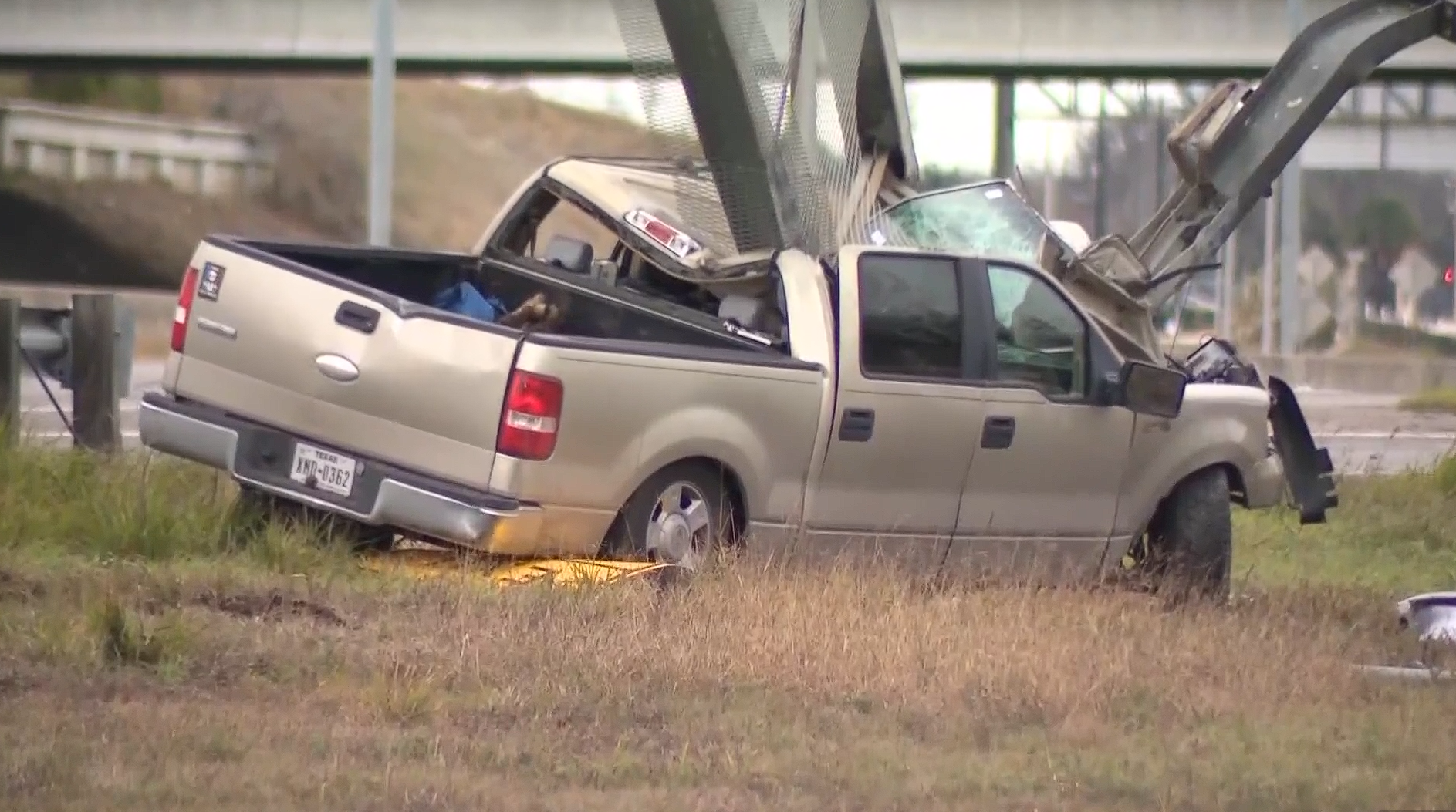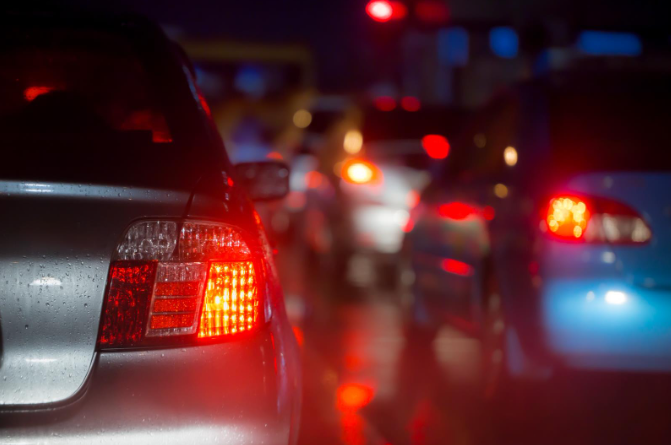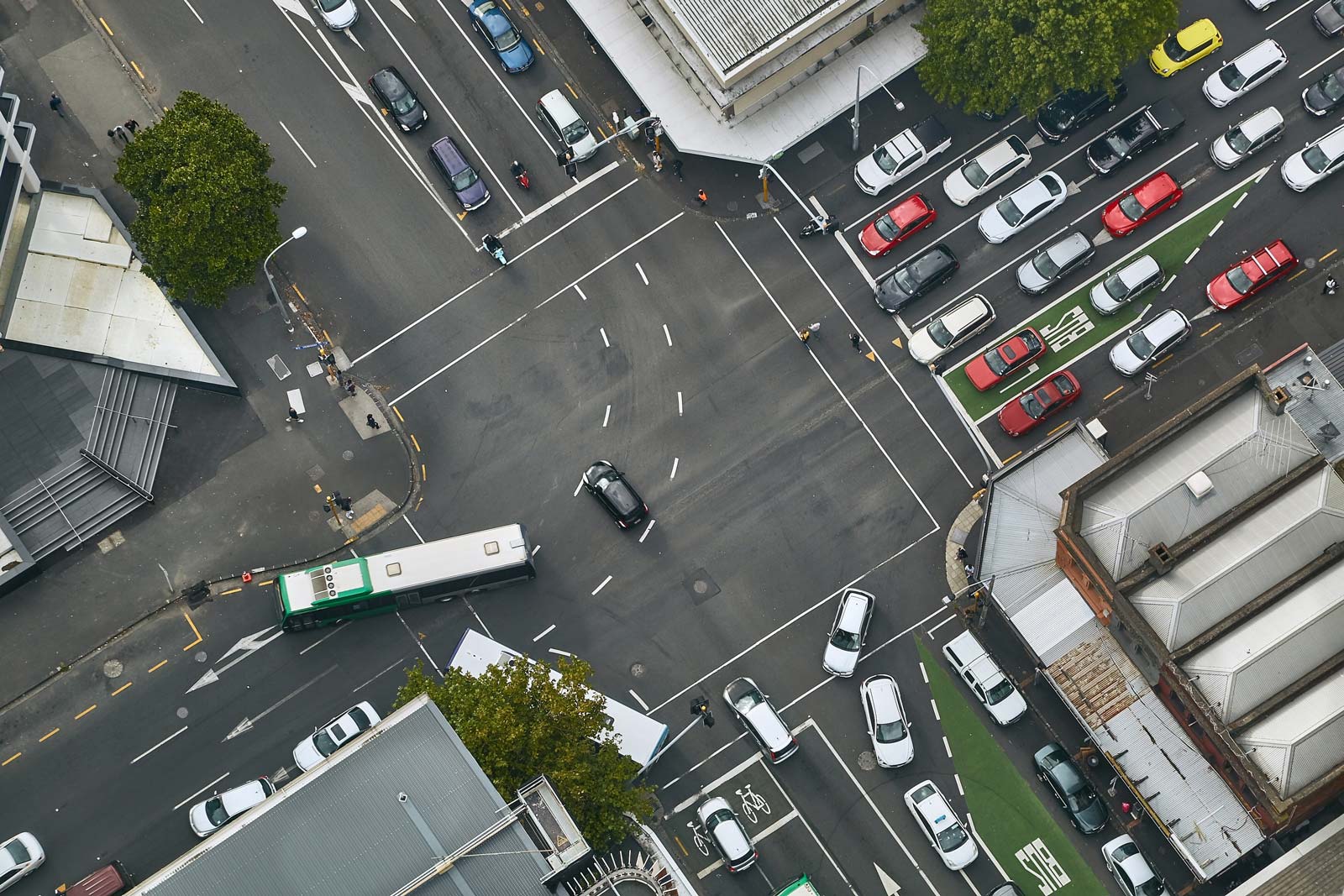



Car accidents at intersections are extremely common. According to the Federal Highway Administration, roughly half of all injury-related car accidents and a quarter of all traffic fatalities in the U.S. occur at intersections.
Crashes often happen in a split second, but determining who’s at fault in an intersection accident can take much longer. Liability is not always as obvious at first, and insurance companies are quick to deny or shift blame.
That’s why it’s critical to understand how fault is determined and how an experienced personal injury lawyer can help you get the compensation you deserve.
At Crosley Law, we’ve helped many Texas families rebuild after devastating intersection accidents. If you’ve been injured in one, this article will help answer your questions, explain how fault is determined, and show you how we can help.
What are the leading causes of intersection accidents?
Every vehicle crossing paths at an intersection has a driver behind the wheel, and it’s a decision by one or more of these drivers that is most often to blame for a car crash. According to a 2010 National Highway Traffic Safety Administration (NHTSA) study, about 96% of intersection crashes could be tied to at least one at-fault driver at the scene.
Although humans tend to be at the center of responsibility, multiple factors can contribute to a crash. Here are some of the leading causes of intersection accidents that we see at Crosley Law:
Distracted driving
Cell phone use, focusing on other items within the vehicle, or simply daydreaming can be deadly when a driver approaches an intersection. In fact, according to NHTSA, distraction and inattention are the top contributors to intersection accidents.
RELATED:Why you need a Texas distracted driving accident lawyer
Left turns
Most car accidents at intersections involve a driver making a left turn. Drivers making a left turn must judge the speed and distance of oncoming traffic and can easily miscalculate that timing.
Left-turn accidents also frequently involve serious side-impact (T-bone) collisions, which can cause devastating injuries.
Running red lights or stop signs
Whether due to impatience, distraction, or intoxication, failing to obey traffic signals is a leading cause of crashes at intersections. Other drivers simply have no time to react.
Traffic volumes
Common sense states that when more vehicles are on the road, more accidents are likely to happen. It’s no surprise that most intersection accidents occur at rush hours on the busiest streets.
Speeding or aggressive driving
Speeding shortens reaction time and increases the force of impact during a crash. At intersections, a speeding driver may be unable to stop in time or safely navigate a turn. Reduced reaction times can also make misjudging crossovers into other lanes at intersections more likely.
Impaired driving
Drivers under the influence of alcohol or drugs often display poor judgment and slow reaction times. Many intersection accidents are caused by impaired drivers who blow through traffic signals or make erratic maneuvers.
Who can be held responsible for an intersection accident?
If you or someone you love was injured in a car accident, holding the at-fault driver responsible for the injuries and damages they caused can be a critical part of receiving the financial support you need for recovery and care.
But determining fault isn’t always straightforward. There are many cases in which one driver was clearly responsible for the crash. But in some situations, more than one party may share legal responsibility.
To hold someone legally responsible, you must demonstrate that they were negligent. This means that they:
- Owed you a duty of care, like obeying traffic laws or maintaining reasonable safety standards
- Violated that duty through their actions (or lack of action)
- Caused your injuries as a result
Sometimes, negligence is clear, like when a drunk driver runs a red light and crashes into your car. But in many cases, it’s not so simple. Fault might be disputed, and the other driver may even try to blame you.
There are even cases when parties outside of the involved drivers could potentially hold part of the responsibility for an intersection crash. These can include:
- An employer, if the crash involved a commercial vehicle or company car
- A government entity responsible for the intersection if poor design or maintenance contributed to the crash
- A mechanic or vehicle manufacturer if vehicle failure played a role in the crash
- A bar or restaurant if they knowingly overserved a driver who caused the crash
However, no matter what complications might exist in your personal injury case, an experienced personal injury lawyer can provide the legal knowledge and help that you need.
How can a lawyer prove fault in an intersection accident?
At Crosley Law, we dig deep into every case. We don’t just rely on police reports and a few statements. We use a variety of tools and resources to uncover the truth.
Preserving digital and electronic evidence
Modern vehicles and devices create digital footprints. To get a clearer picture of exactly what happened at an intersection, we often use:
- Vehicle event data recorders (black boxes)
- GPS and dashcam footage
- Surveillance video from nearby businesses or homes
We can also request cell phone records to determine whether phone use may have been a distracting factor for a driver.
Much of the data is not permanent, however, so it’s important that we request and gather it as quickly as possible. Some video and data can be deleted over time, especially if it belongs to someone who might want to hide what it shows.
CASE STUDY:Crosley Law wins $3.4 million for man rear-ended by nose-picking truck driver
Interviewing witnesses
Eyewitness testimony can be a powerful tool for negotiating with insurance companies and persuading juries at trials. The sooner we can speak with witnesses, the better.
Just as with digital evidence, testimonies are best acquired as soon as possible after an accident. People’s memories fade over time, so acting quickly helps preserve crucial information.
Reconstructing the accident
We often work with engineers and accident reconstruction specialists who use physical evidence to recreate the crash. These experts help determine:
- Vehicle speeds
- Points of impact
- Timing of lights and signals
Their findings can support your version of events and help sway insurance adjusters or jurors.
In one personal injury case, we reached out to San Antonio’s transportation systems management engineer to debunk a defendant’s claim of a faulty signal causing a crash. We were able to establish the defendant’s liability and have their insurance company pay for our client’s medical needs.
CASE STUDY:$1.25 million secured for crash victim who overcame severe concussion, spine, and hip injuries
Reviewing road design and traffic control
Sometimes, poor design or missing signage contributes to a crash. We may bring in experts to investigate whether:
- Traffic lights were properly functioning
- Sightlines were obstructed
- Signage was missing or unclear
If a city or state agency failed to maintain the intersection, they may share liability.
What Compensation Can You Recover?
If someone else’s negligence caused your intersection accident, you may be entitled to compensation for:
- Medical bills (past and future)
- Lost wages and reduced earning ability
- Pain and suffering
- Emotional distress
- Property damage
- Permanent disability or disfigurement
We consult with economists and vocational experts who can assess how injuries from the accident can affect your ability to work and your financial future. In tragic cases involving death, surviving family members may also pursue a wrongful death claim for funeral costs, lost companionship, and more.
In every case, it is vital to have as full an understanding as possible of the financial impacts of an accident on the victim and their family. That way, we can request compensation that is more just and more likely to cover all current and future needs.
RELATED:The role of expert witnesses in Texas personal injury cases
A special rule to remember in Texas: comparative fault
Texas follows a rule called modified comparative fault. That means you can still recover compensation even if you were partially at fault for an accident if you were less than 51% responsible. However, your compensation will be reduced by your percentage of fault.
For example, if you’re awarded $100,000 but found to be 20% at fault, you’ll receive $80,000.
Insurance companies often try to use comparative fault to minimize payouts. That’s why having a lawyer who can challenge those claims is so important.
How Crosley Law helps intersection accident victims
At Crosley Law, our car accident attorneys treat every case as if it’s going to trial. Why? Because insurance companies take cases seriously when they know your attorney is ready to fight.
Here’s how we support our clients:
- Thorough investigations into every detail of your crash
- Access to experts in accident reconstruction, medicine, and economics
- Aggressive negotiation with insurance companies
- Clear communication so you understand every step of your case
- Compassionate service, because we know how much this has affected your life
Our goal is to take the legal burden off your shoulders so you can focus on healing.
Injured in an intersection crash? Crosley Law can help
If you’ve been hurt in an intersection accident in Texas—whether from a left-turn collision, red light runner, or distracted driver—you don’t have to navigate this alone.
At Crosley Law, we offer free, no-obligation consultations. We’ll review your case, answer your questions, and help you understand your legal options. If we take your case, you will pay nothing unless we win.
Call 210-LAW-3000 (210-529-3000) or contact us online to schedule your free consultation. Let us help you get the answers, accountability, and compensation you deserve.
References
About intersection safety. (2024, July 26[TL1] ). Federal Highway Administration. Retrieved from https://safety.fhwa.dot.gov/intersection/about/
Crash Factors in Intersection-Related Crashes: An On-Scene Perspective. (2010, September). National Highway Traffic Safety Administration. Retrieved from https://crashstats.nhtsa.dot.gov/Api/Public/ViewPublication/811366
The content provided here is for informational purposes only and should not be construed as legal advice on any subject.