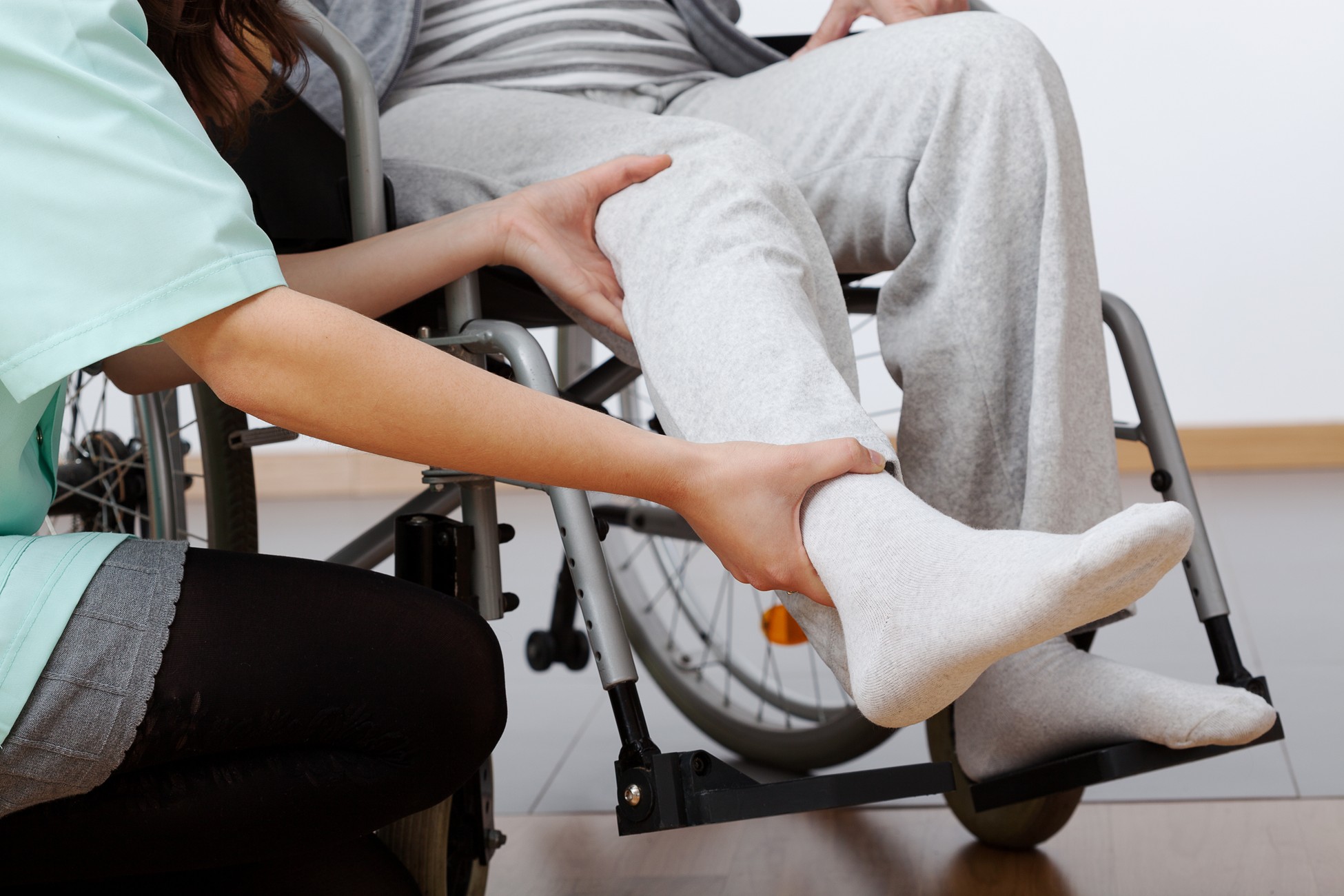



If you or a loved one has suffered a serious injury—especially a traumatic brain injury (TBI)—you may know how difficult it can be to explain how much life has changed.
You’re living with the challenges every day: the forgetfulness, the emotional ups and downs, the struggles at work or home. But how do you prove them to an insurance adjuster, judge, or jury?
That’s where “before and after” witness testimony comes in. It can be one of the most powerful and influential parts of your personal injury case.
At Crosley Law, we work closely with witnesses to paint a full, honest picture of our clients’ lives before and after an injury. Their testimony is especially important in brain injury cases, where the damage isn’t always visible on an X-ray or MRI. In fact, the right witness testimony can often make the difference between a dismissed personal injury case and a life-changing settlement or verdict.
Here’s what you need to know.
RELATED:Why brain injuries are overlooked – and how a brain injury lawyer can help.
What is a “before and after” witness?
A “before and after” witness is someone who knew you well before your injury and has observed changes in your personality, behavior, or abilities since the accident. They can include:
- Family members
- Close friends
- Co-workers or supervisors
- Teachers, coaches, or mentors
- Neighbors or social acquaintances
These witnesses aren’t medical experts, and they don’t need to be. Their job isn’t to diagnose you, but to explain what they’ve seen, in real life, in your day-to-day behavior.
And that testimony can be incredibly powerful.
Why is this type of witness testimony so important in brain injury cases?
TBIs are often called “invisible injuries.” Unlike a broken arm or a spinal cord injury, you can’t always see the damage on a scan.
Defense attorneys often try to use this lack of physical evidence to their advantage. They may deny the injuries exist or argue that they’re exaggerated or caused by something outside of their client’s responsibility.
In these cases, the story told by your MRI doesn’t matter nearly as much as the story told by the people around you.
“Before and after” witnesses help us answer two key questions:
- What were you like before the accident?
- What has changed since the injury?
Their answers to these questions help people who don’t know you understand how your injuries have changed your life. This type of testimony gives depth and credibility to your claim, especially when your struggles are real but hard to quantify.
Case example: a husband and father changed by a TBI
In one case, we represented a man who was diagnosed with a TBI after a crash. As he returned to normal routines, family and co-workers could tell something was wrong.
In our interviews, we were told how our client had been a “walking encyclopedia” at work, but now would forget meetings or need constant reminders. His family told us how he would forget conversations and become stressed or distracted over seemingly minor matters when he hadn’t before.
When this case went to trial, the voices of those around our client told the jury exactly what medical records alone could not.
CASE STUDY:Crosley Law wins $900K for father with concussion
Who makes the best “before and after” witnesses?
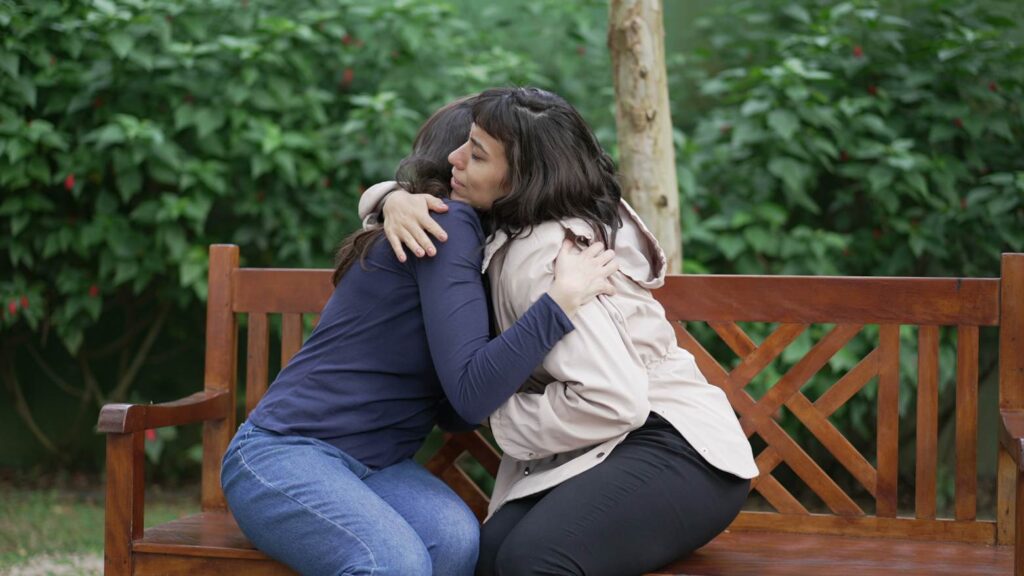
The best witnesses aren’t always the people closest to you, although your spouse or parent may certainly offer critical insights. Ideally, we want a well-rounded group of people from different parts of your life:
Family members
They see how you function day-to-day. They can speak about changes in your personality, mood swings, sleep issues, and how your injury has affected family dynamics.
Friends and social contacts
Because they’re outside your immediate household, their testimony often carries extra weight. They can discuss your involvement in hobbies, your social life, and any challenges with or withdrawal from normal activities.
Coworkers and supervisors
These witnesses can speak directly to changes in job performance. Were you once known as reliable and productive, but now struggle with simple tasks? That’s a compelling story for a jury to hear.
Community members
Coaches, church members, teachers, or even neighbors may notice you no longer attend events, struggle with routine tasks, or behave differently in public.
Pre-injury professionals
If your doctor, therapist, or employer interacted with you both before and after your accident, their professional observations can help connect the dots and support the other witnesses’ stories.
Why juries trust “before and after” witnesses
Judges and juries don’t always understand the technical jargon used by doctors or the legal theories presented by lawyers. But what they do understand is people and the real-world impacts of an injury.
“Before and after” witnesses offer simple, relatable stories that make the injury real:
- “She used to host family dinners every weekend. Now she can’t follow a recipe.”
- “He used to coach our soccer team. Now he forgets our names and can’t stand the noise.”
These moments stick with juries. They turn an “invisible” injury into something they can picture and empathize with.
What makes witness testimony credible?
Credibility is everything. At Crosley Law, we help witnesses prepare for trial so they understand what to expect and how to stay calm and consistent.
Here are a few things that can help boost a witness’s credibility:
- Longstanding relationships. The longer someone has known you, the more meaningful their observations are.
- No direct financial stake. Friends and coworkers often come across as more neutral than immediate family members.
- Specificity. Vague statements like “he changed a lot” don’t go far. But detailed examples such as missed birthdays, lost jobs, and erratic behavior carry real weight.
- Consistency with other evidence. When witness accounts align with medical records, journal entries, or expert opinions, the story becomes even stronger.
How we might use “before and after” witnesses in your case
At Crosley Law, we don’t just wait for witnesses to show up. We seek them out, prepare them, and integrate their stories into every stage of your case. Here’s how:
- We identify witnesses early in the process so we can start gathering statements while memories are fresh.
- We help them prepare by explaining the importance of their role and what to expect if the case goes to trial.
- We coordinate expert testimony from doctors, neurologists, and economists to support what our witnesses are saying.
- We present a full picture,a blend of emotional testimony, hard data, and professional insight, that makes it harder for insurance companies to dismiss your pain as “minor.”
RELATED:The role of expert witnesses in Texas personal injury cases
You deserve to be seen and heard
If you’re living with a brain injury or another “invisible” trauma, it’s easy to feel misunderstood or overlooked. But your pain is real and deserves recognition.
That’s why “before and after” witness testimonies matter. They help tell your story. They help make your struggle visible. And they help build the kind of compelling, well-supported case that leads to real results.
If you or someone you love is dealing with the aftermath of a traumatic brain injury, reach out to the team at Crosley Law. We understand how these injuries work and how to prove their impact. Let us help you identify the best witnesses, build a strong case, and fight for the compensation you deserve.
Call us at 210-LAW-3000 | 210-529-3000 or fill out our quick online form to schedule a free consultation with one of our personal injury lawyers.
The content provided here is for informational purposes only and should not be construed as legal advice on any subject.