


Losing a loved one unexpectedly is one of the most painful experiences a family can face, especially when that loss was caused by someone’s negligence or wrongful actions. During this time of grief, many families also face overwhelming financial stress, unanswered questions, and legal uncertainty.
At Crosley Law, we’ve walked alongside many Texas families through the heartbreak of wrongful death cases. If you’re reading this because you’ve lost someone dear to you in a crash, workplace accident, or medical mistake, this guide will help you understand your rights and how Texas law allows certain family members to seek justice through wrongful death and survival claims. It’s important to know who benefits from wrongful death claims, as these laws are designed to provide financial support to grieving families during their time of need. The compensation awarded can cover a range of losses, including medical expenses, lost income, and emotional suffering. Understanding these claims can empower you to take the necessary steps towards healing and justice for your loved one.
Let’s walk through what these claims mean, who can file them, and how a lawyer for wrongful death cases can help you find justice.
What Is a wrongful death claim?
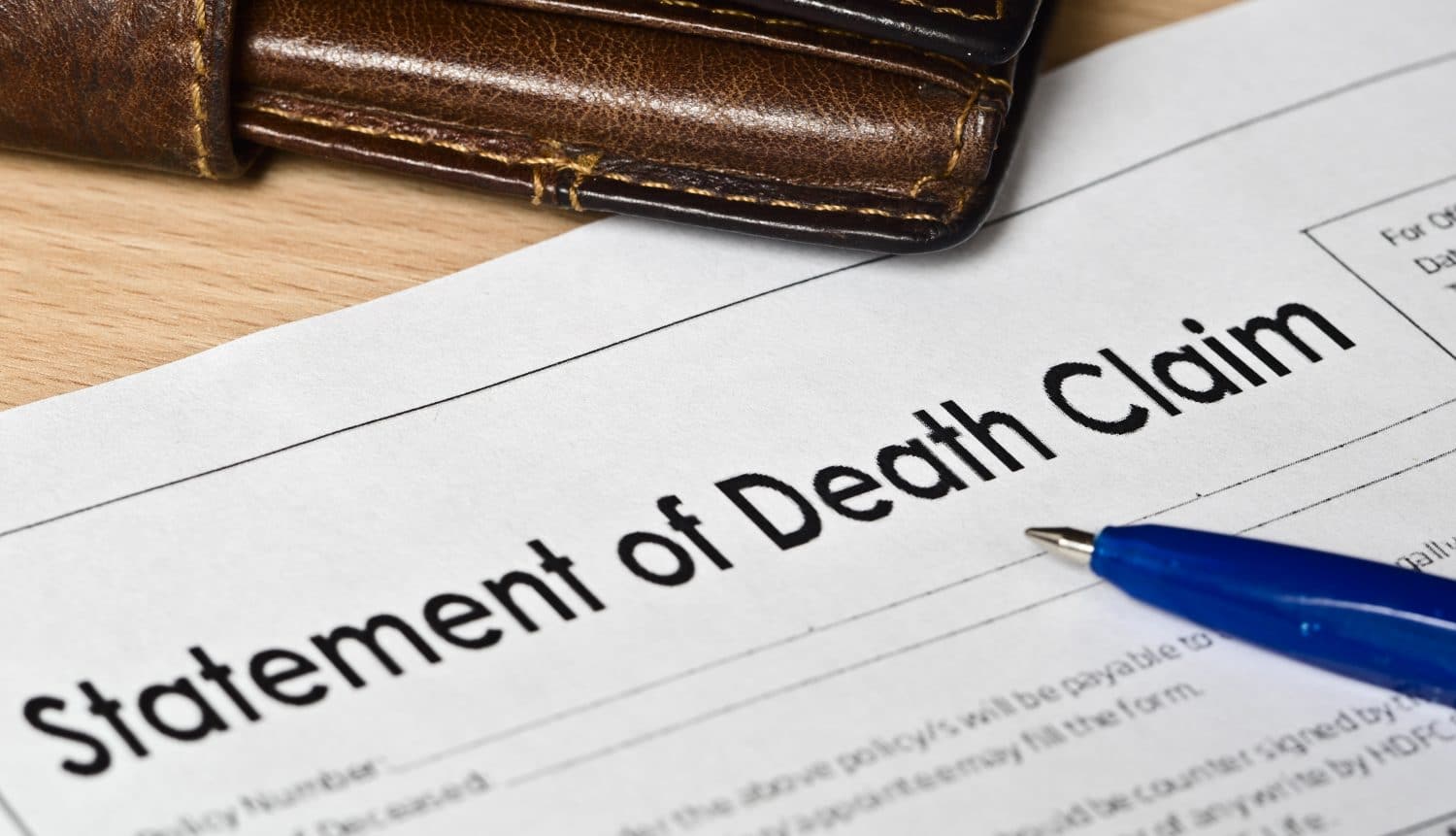
A wrongful death claim is a legal action that allows certain family members to seek compensation after a loved one’s death. The death in question must have been caused by another person or organization’s careless, reckless, or intentional actions.
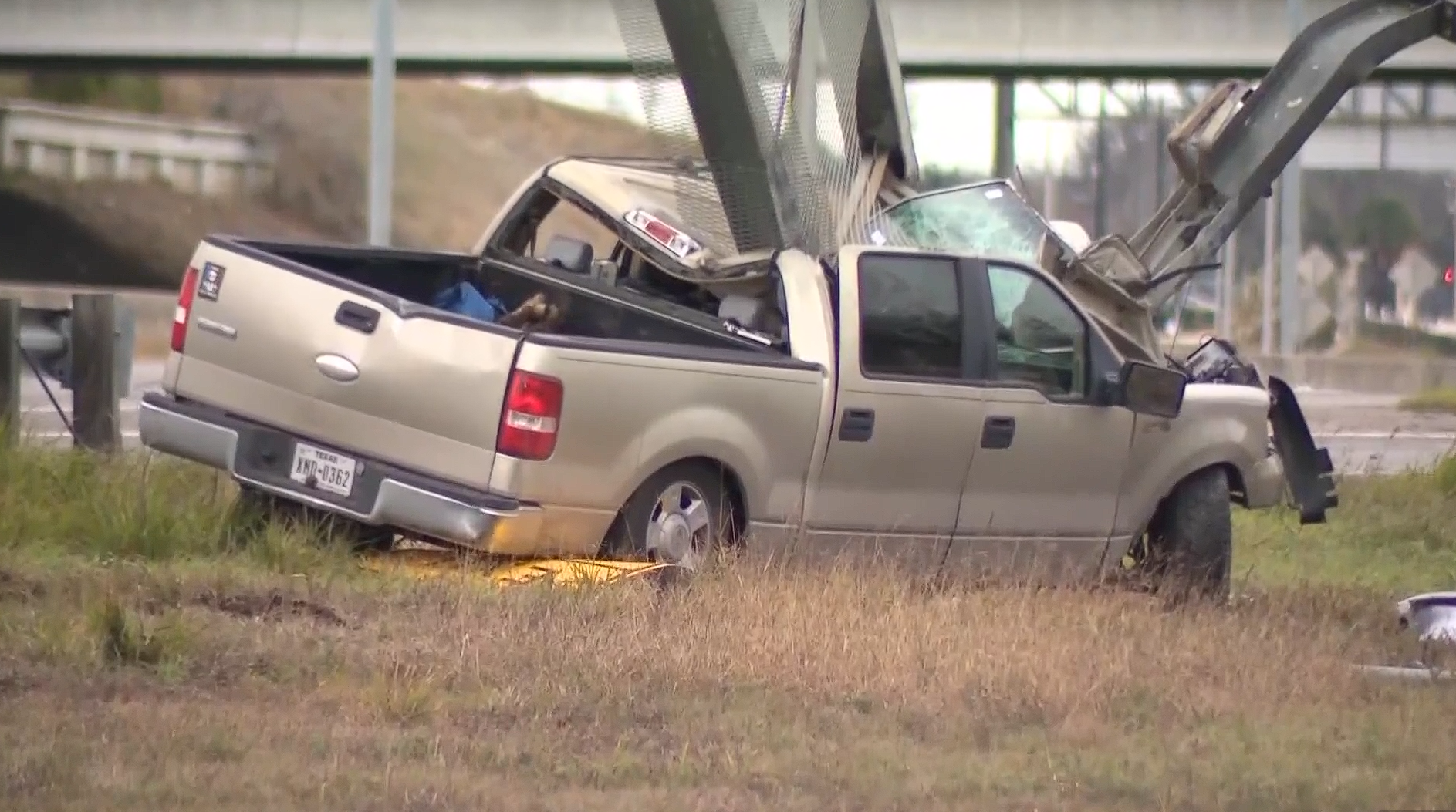
Common situations that lead to wrongful death claims include:
- Car crashes caused by drunk, distracted, or speeding drivers
- Workplace accidents due to poor safety practices
- Fatal medical errors, including surgical mistakes and misdiagnoses
- Dangerous or defective products
- Criminal acts, such as assault
A wrongful death claim focuses on the losses you have experienced as a surviving family member, including emotional and financial tolls.
Who can file a wrongful death claim in Texas?
Texas law allows only certain close family members to file a wrongful death claim:
- The spouse of the deceased
- Children, including legally adopted children
- Parents of the deceased
Unfortunately, siblings, grandparents, and stepchildren who were not legally adopted are not eligible to bring a wrongful death claim under Texas law.
If none of these individuals file a claim within three months of the death, the executor or administrator of the deceased person’s estate may file on behalf of the eligible family members. This filing can be denied if a family member objects.
CASE STUDY:Justice for a grieving family: Crosley Law secures seven-figure settlement in fatal golf cart crash
What can you recover in a wrongful death claim?
A wrongful death claim is about holding the at-fault party accountable and helping your family recover. You may be entitled to compensation for:
Financial losses (also known as pecuniary damages)
- Lost future income and benefits the deceased would have earned
- Loss of household services (childcare, cooking, repairs, etc.)
- Funeral and burial expenses
- Loss of financial support and guidance
Emotional losses
- Loss of love, comfort, and companionship
- Loss of emotional support, encouragement, and care
- Mental anguish, grief, sadness, anxiety, and trauma due to the sudden loss of a loved one
Loss of inheritance
- Money or assets the family likely would have received if the deceased had lived a full life
Punitive damages
If the death was caused by gross negligence or an intentional act, the court also might award punitive damages. These are additional costs to those described above, meant solely to punish the wrongdoer. Punitive damages are available only to spouses and children—not parents.
RELATED:What is an average wrongful death settlement amount in Texas?
What is a survival claim?
A survival claim is a separate legal action that focuses on what your loved one went through before they passed away. While a wrongful death claim is for the surviving family, a survival claim belongs to the deceased’s estate.
Survival claims can include compensation for:
- Medical bills for the care your loved one received after the injury
- Pain and mental suffering your loved one experienced before death
- Lost wages between the injury and their passing
- Funeral expenses
The damages from a survival claim are paid to the estate and then distributed to heirs, following the terms of the will or Texas probate law.
Wrongful death and survival claims are not exclusive to each other
In many cases, families pursue both a wrongful death claim and a survival claim together. While they address different kinds of losses, both are important in securing justice and financial support after a tragic death.
Special issues that can affect your case
Wrongful death cases are deeply personal and legally complex. Here are a few factors that may affect your family’s ability to recover damages:
- Adopted or illegitimate children: Adopted children can file claims. Illegitimate children may need to prove paternity to claim for the death of a father.
- If a beneficiary dies: If a family member entitled to bring a claim dies before doing so, the claim does not pass on to their heirs.
- Remarriage or new relationships: Texas law allows evidence of remarriage to be introduced in some cases but does not recognize common-law partners or dating relationships for wrongful death claims.
- Dividing compensation: A jury decides how to divide damages among eligible family members. These damages are not subject to the deceased’s debts. However, survival damages do go through the estate and may be used to pay off debts.
How do you prove the impact of your loss?
Insurance companies often fight wrongful death and survival claims aggressively, especially when large sums are involved. That’s why having clear, compelling evidence can make a major difference.
Evidence might include:
- Medical records, tax returns, or employment records showing financial contributions
- Family photos and home videos
- Letters, cards, and other memories that show your loved one’s role in your life
- Witness testimony about the deceased’s involvement in family life
- Testimony from therapists, grief counselors, teachers, or clergy
At Crosley Law, we work closely with families to gather meaningful, personal evidence that tells the full story of their loss.
What happens if your case goes to trial?
Most cases settle out of court, which is helpful for reducing stress on grieving families. But when a trial is necessary, we help our clients feel fully prepared.
Jurors are human and respond to honest, heartfelt testimony. Families who speak truthfully and explain in their own words how their lives have changed often make a strong impression.
Jurors appreciate:
- Honest and direct answers
- Sincere emotions
- Respectful and composed behavior in the courtroom
Jurors tend to dislike:
- Overstatements or exaggeration
- Displays of anger
- Attempts to manipulate sympathy
Selecting the right jury is critical. When we enter jury selection, we look for jurors who are compassionate, open-minded, and willing to listen without judgment.
CASE STUDY:Finding closure and solutions after a tragic shooting: Kameron’s story
You don’t have to go through grief and recovery alone
Filing a wrongful death or survival claim can’t bring your loved one back. But it can help ease the financial burden, hold the responsible party accountable, and provide a sense of justice for your family.
At Crosley Law, we take wrongful death cases personally. We understand the pain you’re going through and are here to guide you every step of the way, with compassion and clarity.
If you’ve lost a loved one due to someone else’s negligence or misconduct, don’t wait to get help. Call Crosley Law for a free consultation with a wrongful death attorney. We’ll listen to your story, explain your legal options, and fight for the justice your family deserves.
About Crosley Law
Crosley Law is a nationally respected personal injury firm based in San Antonio, Texas. Led by experienced trial attorney Tom Crosley, we’ve helped countless families navigate the legal aftermath of wrongful death and catastrophic injury cases. We are known for our thorough preparation, advanced legal strategies, and unwavering dedication to our clients.
Visit www.crosleylaw.com or call us today at (210) 529-3000 to get the answers and support you need.
The content provided here is for informational purposes only and should not be construed as legal advice on any subject.