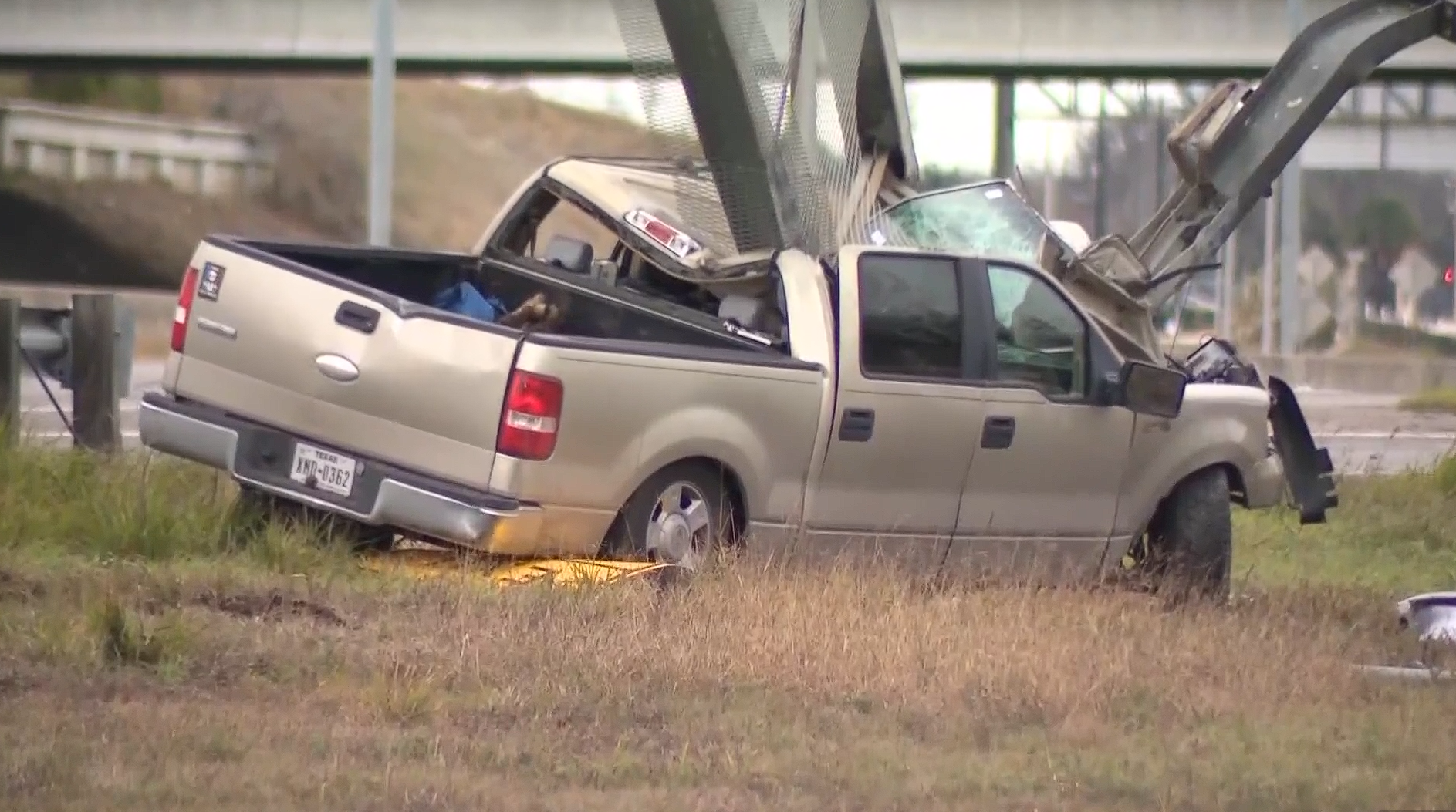



Choosing a lawyer to handle your personal injury case may be one of the most important decisions you make in your life. Chances are you’ll be working with your attorney for a year or more and depending on them to get you the financial compensation you need to meet your long-term needs.
Yet far too many injured victims go through this process without asking the right questions—or sometimes without asking any questions at all.
If you or someone you love has been injured, we want you to be able to make an informed decision about your legal representation. Here are 10 great questions to ask a personal injury lawyer during your free consultation.
1. Have you handled cases similar to mine?
Personal injury law is a complex field. Many Texas personal injury attorneys and law firms choose to focus their practice on specific case types, and thus have greater (or lesser) experience in a certain area.
For example, not every firm has the resources, experience, or desire to take on a big truck accident case, since they’re often highly complex and expensive to litigate. Other firms might have experience handling brain injury cases or certain kinds of product liability.
In short, just because an attorney has been practicing personal injury law for 10 or 20 years or more does not necessarily mean that they have relevant experience for your specific type of personal injury claim.
2. How frequently do you communicate with clients about their cases?
A reputable personal injury attorney will make sure to stay in touch with their clients regularly. This is especially true if you are still receiving medical care. Your attorney will want to make sure you are going to your appointments, and stay updated on any changes in your symptoms, medications, specialists you’re seeing—anything that could have an impact on your claim.
You should also expect regular updates on the progress of your personal injury case. And if we need more information from you, we will reach out to ask.
Aside from routine check-ins, a great lawyer should always be responsive to their clients. You should be able to call or email at any time—day, night, weekend—and expect to get a response within 1 business day. At Crosley Law, we commit to answering all our clients’ questions promptly and thoroughly. If we don’t have the answer right away, we’ll let you know when you can expect it.
RELATED POST: Have a Bad Feeling About Your Lawyer? Here’s Some Important Advice | Crosley Law
3. Can you give me an honest assessment of the strengths and weaknesses of my case?
During an initial consultation, your lawyer obviously won’t have all the facts yet. But based on their experience, they should be able to give you a quick overview of what they see as the likely strengths and weaknesses of your case, as well as the potential challenges.
Even strong personal injury cases tend to have at least a few “bad facts.” Maybe you didn’t see the doctor for a few weeks after the car accident, or you have a pre-existing injury. Maybe the evidence isn’t crystal clear about who actually caused the accident.
An experienced personal injury lawyer will be upfront about potential challenges with your case. They will also advise you on steps you can take to help counter these challenges.
4. How much is my case worth?
There’s no way to know for sure what a personal injury lawsuit will settle for. However, an experienced lawyer should be able to provide a realistic range of possible scenarios.
Generally speaking, the main contributing factors that drive settlement values include:
- Medical expenses attributable to the accident. This includes physical therapy, medications, surgery, etc.
- Lost wages. If your injury forces you to miss work or leaves you unable to continue your chosen career (or even alters the trajectory of your career), you can claim compensation for the difference between your projected earnings before and after your personal injury.
- Liability. If the other party or parties were clearly 100% in the wrong, settlement offers, and trial verdicts, tend to be higher. But if there’s any question about who was at fault and to what degree, offers tend to be lower. (If a court finds you partially responsible, you won’t be able to recover all your claimed damages due to Texas’ comparative negligence laws).
- Available insurance coverage. The amount you can recover is often limited by available insurance coverage sources. In a typical car crash case, for example, this includes liability policies carried by any at-fault parties, as well as any uninsured and underinsured motorist coverage (UM/UIM) provided by your own insurance policy.
- Aggravating facts. Settlements and verdicts tend to be higher if the at-fault party is relatively unsympathetic (for example, a drunk driver), and not as high if the injury was the result of a momentary lapse in judgement or “innocent mistake” (for example, a parent temporarily distracted by kids in the car).
During the initial consultation, your attorney will discuss these and other factors with you to begin to estimate what kind of financial recovery is likely attainable.
5. Do you take cases to trial? What is your trial record?
Generally, attorneys who regularly try (and win) cases in front of juries tend to get better results, on average, than those who do not.
This does not mean that every personal injury case goes to trial. In fact, a significant majority of cases reach a settlement before trial—even those handled by experienced trial attorneys.
However, having a great trial record gives your personal injury lawyer extra leverage to negotiate a favorable settlement. The insurance company will certainly be aware of your attorney’s trial record and will adjust their litigation strategy accordingly.
If an attorney has successfully handled especially complex or challenging cases, set new legal precedents with their work, or achieved record verdicts for clients, then that’s an even stronger argument in favor of hiring them.
The attorneys at Crosley Law Firm have years of experience litigating complex personal injury cases. You can read about noteworthy cases on our website:
You can also learn more about the types of cases we regularly handle by visiting our practice areas page. And if we don’t usually deal with your type of case, we are happy to talk to you and recommend a trusted attorney or law firm who can help.
6. How much will it cost to hire you?
Almost all personal injury attorneys work on a contingency fee basis, meaning they are paid an agreed-upon percentage of your final settlement or verdict amount. If you don’t win your case, your lawyer will not make any money either.
In Texas, the industry standard attorney fee for personal injury is 33% to 40% of the recovery, depending on the type and complexity of the case.
Most personal injury attorneys will also cover any “out of pocket” case expenses or court fees up front, then reimburse those costs from your settlement. Some of these fees are recoverable from the at-fault party if you win your case, but not all of them. (For example, in Texas you cannot compel the at-fault party to pay for the cost of hiring expert witnesses.) It is worth asking a potential personal injury lawyer whether you will be responsible to cover out-of-pocket expenses if they end up losing your case. Additionally, understanding how these fees interact with the Texas life insurance claims process can be crucial in determining your overall financial responsibility. If your case involves a life insurance claim, it is essential to clarify how any incurred expenses may affect your potential settlement. Being informed can help ensure that you are prepared for any out-of-pocket costs that may arise during the litigation process.
RELATED POST: Personal Injury Law – 5 Common Myths | Crosley Law
7. What honors, awards, and certifications have you received?
Most injured victims don’t really care how many awards a lawyer has won. However, asking a lawyer to tell you about special honors and certifications they have received can give you insights about what the attorney has done to go above and beyond the call of duty in their practice area.
Some of the more prestigious awards and certifications require years of hard, productive work from the attorney, and you can go forward with extra confidence knowing they have achieved them.
A couple examples of questions you might ask to find out about an attorney’s exceptional credentials include:
- Are you a board-certified specialist in personal injury trial law? Board certification is a mark of excellence and distinguished accomplishment; it means the attorney has earned the right to represent themselves in public as a specialist in a select area of law. In Texas, only about 7 percent of lawyers are board-certified specialists. Tom Crosley is board certified in personal injury trial law by the Texas Board of Legal Specialization and as a civil trial advocate by the National Board of Trial Advocacy.
- Have you received any awards that require a nomination from your peers, such as Texas Super Lawyers and Best Lawyers in America? Tom Crosley has been named to these prestigious lists multiple years in a row.
You can learn more about the many leadership roles that Tom Crosley has held by reading his bio page.
8. Have you written papers or given presentations about injury law?
Personal injury law is always evolving. Changes in the law, new technology, scientific and medical breakthroughs, and even shifts in public attitudes can all have enormous impacts on how personal injury cases unfold.
For your case to have the best chance at success, you need a lawyer who keeps up with these changes and continually builds on their skillset to incorporate the newest techniques for gathering evidence, establishing a victim’s medical conditions, and more.
One way you can easily see whether a lawyer has done this is to ask them whether they’ve published any recent papers or given any recent presentations in the field of personal injury law. If the attorney was able to get their work published in reputable law journals or secure a speaking spot at a conference for lawyers, the work they did likely broke new ground or represented innovative, cutting-edge techniques in their area of law.
If an attorney doesn’t have anything to teach their peers, then you may be looking at a lawyer who hasn’t put in the time and hard work required to stay on top of changes in the law and serve as a leader in their field.
You can review some of the noteworthy papers Tom Crosley has authored and presentations he has given on his bio page.
9. Have you been hired by other lawyers, doctors, or insurance company insiders to represent them in their own injury cases?
People with inside information about personal injury law tend to know whom they should hire for the best results, and if these insiders consistently choose the attorney who you’re speaking with to handle their own injury cases, that’s a good sign.
Ask your attorney about their history of handling cases for fellow attorneys (from either side of the courtroom), doctors, surgeons, and insurance professionals. If your lawyer was able to convince these people, who interact with many personal injury lawyers in their careers, that they were the best option available, your attorney probably delivers results that distinguish them even from other experienced personal injury lawyers.
10. What are the next steps?
Your attorney should be able to give you a breakdown of what to expect in the coming weeks and months.
The first few months of a case are crucial. During this time, your attorney will be working hard to investigate the case (before key evidence disappears), determine the extent of your injuries, and calculate the losses you have experienced.
You will get a checklist of important information and documents you’ll need to provide, such as contact info for yourself and witnesses, insurance information, list of medical treatments you’ve received, any correspondence you’ve received from an insurance company, proof of your income, etc.
It’s important to understand that most personal injury cases move slowly. Although it’s certainly possible to settle some cases in as little as a few months, typical cases take about 1-2 years to reach a conclusion. That’s a long time to wait for the justice and compensation you deserve. Making sure you have a clear understanding of what’s expected from you, how your case is progressing, and how to contact your attorney if you have questions can go a long way toward putting your mind at ease.
Car Crash? Call Crosley
If you’ve recently been hurt or lost a loved one in a Texas car crash, call Crosley Law today. Our experienced legal team would be happy to set up a free consultation to determine if we can help you.
Call 210-LAW-3000 | 210-972-8470 today, or fill out a simple online contact form and we’ll get back to you right away!
The content provided here is for informational purposes only and should not be construed as legal advice on any subject.