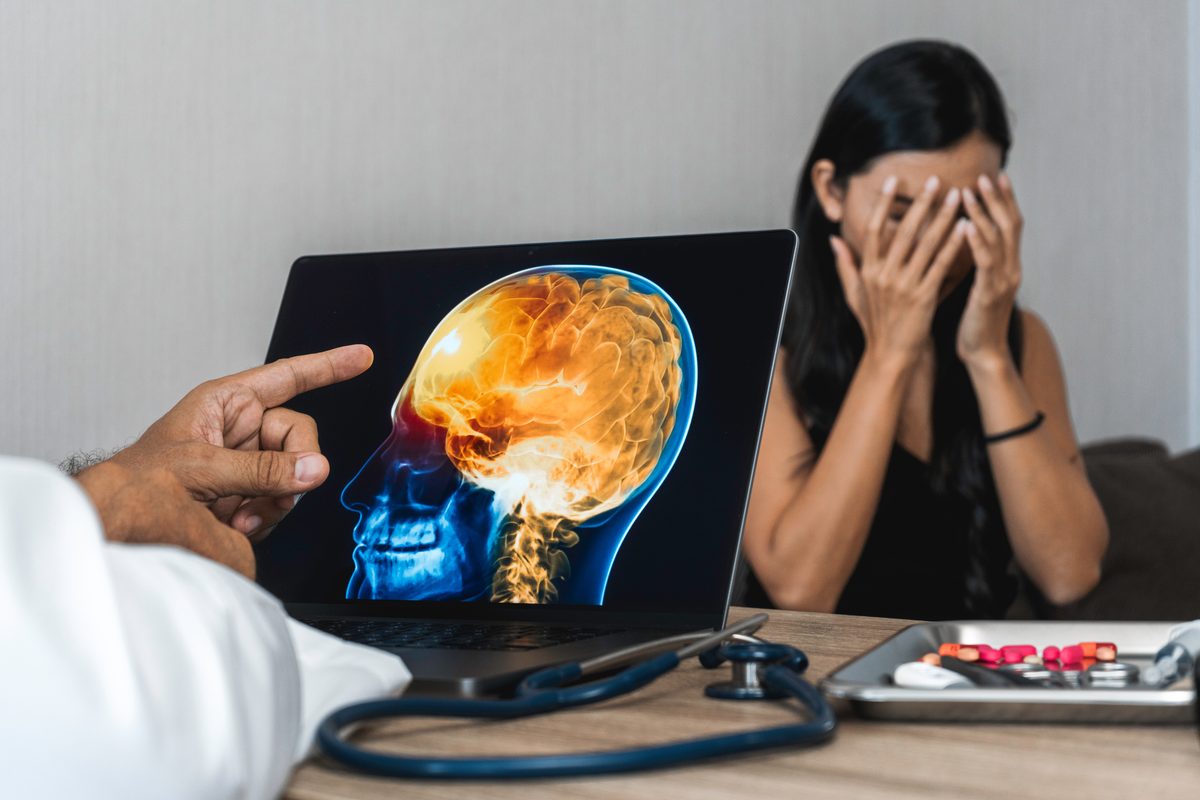


One of the biggest misconceptions about traumatic brain injuries (TBIs) is found in a single word: mild.
When people hear the phrase “mild traumatic brain injury,” they often assume the injury itself is insignificant. Insurance companies and defense attorneys know this. Unfortunately, jurors sometimes believe it too.
But anyone living with the effects of a TBI knows that the word “mild” can be incredibly misleading.
Someone may walk away from a car crash without obvious external injuries only to spend months or even years struggling with headaches, memory problems, dizziness, fatigue, mood changes, or an inability to perform at work the way they once could.
Understanding mild TBI definitions is important. Equally important is understanding what those definitions do not mean. A legal case is never won or lost simply because someone applies a particular medical label to an injury.
Let’s discuss the factors behind a mild TBI diagnosis. And for even more on mild TBI definitions, listen to the “TBI Defined” episode of our Winning the TBI Case podcast.
What Is a mild traumatic brain injury?
A traumatic brain injury occurs when an external force disrupts normal brain function. In many personal injury cases, that force comes from a motor vehicle collision, a fall, or another violent event that causes the brain to move rapidly within the skull.
The word mild refers to the initial severity classification of the injury, not the long-term consequences for the person who suffered it. That’s an important distinction.
Many people who sustain a mild TBI experience symptoms that resolve relatively quickly, but others develop persistent problems that affect every aspect of their daily lives. Two people can receive the same medical classification while having dramatically different recoveries.
This is one reason experienced brain injury attorneys focus on the person’s actual impairments rather than getting caught up in debates over terminology. As we noted in the podcast:
“The case is about what the symptoms are and were those symptoms caused by the crash or the event, and what does the future hold? So when an expert comes in and says, ‘Oh, this does not meet the definition of mild TBI. This is not a TBI. It’s missing XYZ,’ I don’t think that matters that much.”
How is a mild TBI medically defined?
Medical professionals rely on established diagnostic criteria when evaluating traumatic brain injuries. One of the most respected organizations in this area is the American Congress of Rehabilitation Medicine (ACRM), whose definitions have guided physicians and researchers for decades.
Historically, the ACRM’s 1993 mild TBI definition was a traumatically induced disruption of brain function accompanied by findings such as:
- Brief loss of consciousness
- Loss of memory surrounding the event
- Altered mental status, including confusion or disorientation
- Certain focal neurological deficits
Those criteria provided medicine with a common framework for evaluating patients. Over time, however, different medical specialties developed slightly different approaches, creating inconsistencies in diagnosis. To address those differences, the ACRM updated its diagnostic framework in 2023.
The updated guidance begins with one fundamental requirement: there must be a plausible mechanism of injury capable of transmitting force to the brain. That mechanism could include:
- A motor vehicle collision
- A direct blow to the head
- A fall
- An impact causing rapid acceleration or deceleration
- Certain blast-related injuries
Once that mechanism exists, physicians may diagnose a mild TBI through several different pathways including obvious clinical signs, symptoms supported by objective medical findings, or trauma-related abnormalities visible on structural imaging.
Why “normal” CT scans don’t end a brain injury case
One of the most common misconceptions in brain injury litigation is that a normal CT scan means no brain injury occurred. That simply isn’t true.
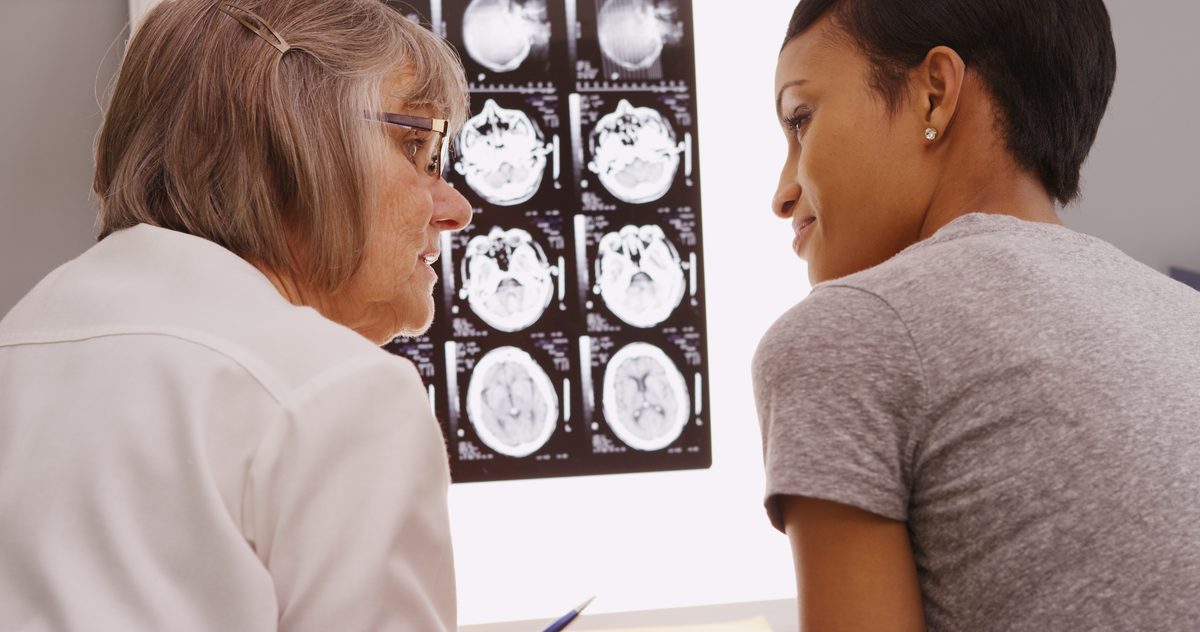
Routine CT scans and standard MRIs are often performed immediately after a traumatic event to identify life-threatening conditions such as bleeding or skull fractures. Many patients with legitimate mild TBIs have completely normal imaging studies.
According to the ACRM framework, positive imaging has never been required to diagnose a mild traumatic brain injury. Most mild TBIs do not appear on routine CT or MRI scans.
This becomes an important issue in litigation because insurance companies may point to “normal imaging” as evidence that nothing serious happened. However, experienced brain injury attorneys know better.
The absence of visible structural damage does not erase persistent headaches, cognitive impairment, balance problems, light sensitivity, fatigue, or the countless other symptoms that can significantly alter a person’s life.
How defense attorneys try to minimize mild TBIs
Insurance companies and defense attorneys frequently focus on the word “mild” because they know it can shape how jurors think about the case before they hear the evidence.
Their arguments often sound familiar.
They may argue that the injured person never lost consciousness. They may point out that emergency room records do not perfectly document confusion or altered mental status. They may emphasize that CT scans were “normal,” as we previously discussed.
Sometimes they go even further, suggesting the symptoms are psychological rather than neurological or arguing that the person is exaggerating their complaints.
Defense experts sometimes attempt to move the discussion away from the person’s actual impairments by arguing that the injury does not meet a particular definition of mild TBI. Instead of addressing what the injured person is experiencing, they focus on whether a specific diagnostic label should apply.
That shift in focus can be misleading. After all, if someone develops chronic headaches, dizziness, memory problems, cognitive difficulties, balance issues, fatigue, and sensitivity to light immediately after a violent collision, those problems remain real regardless of what terminology the defense chooses to use.
RELACIONADO:Cómo Crosley Law lucha contra la «ciencia basura» en los casos de lesiones cerebrales
Brain injury cases are about symptoms, not labels
One of the most important lessons from our approach to brain injury litigation is that definitions matter, but they are not the entire case.
Medical definitions help physicians diagnose patients, researchers study recovery, and attorneys understand medical literature. They also help identify when an opposing expert may be using an unusually narrow interpretation of accepted medical standards.
But definitions should never distract from the fundamental issues a jury must decide:
- Did a traumatic event occur?
- Did the event cause brain-related symptoms?
- How have those symptoms affected the injured person’s life?
- What challenges will they continue to face in the future?
Those are the questions that ultimately determine the value of a brain injury case. The symptoms remain real regardless of whether someone wants to argue over the precise medical terminology.
RELACIONADO:Por qué un abogado especializado en lesiones cerebrales traumáticas debe comprender de verdad a su cliente
How brain injury attorneys prove real impact
Because TBIs are often invisible, proving them requires much more than simply presenting medical records. Experienced brain injury attorneys work to build a complete picture of what life looked like before the injury and how it changed afterward.
That process often involves collecting evidence from numerous sources, including treating physicians, neurologists, neuropsychologists, therapists, family members, coworkers, friends, and employers.
Medical documentation helps establish the nature of the injury, but testimony from the people who know the injured person best often reveals something equally important: the difference between who that person was before the traumatic event and who they became afterward.
For example, someone who once managed a demanding career may now struggle to concentrate through an entire workday. A parent who previously handled a busy household may become overwhelmed by tasks that once seemed routine. An active individual may find that headaches, fatigue, dizziness, or sensory sensitivity prevent them from enjoying activities they once loved.
These changes don’t always appear on an imaging study or fit neatly into an emergency room chart. But they are often the strongest evidence of how profoundly a brain injury has affected someone’s life.
Why experience matters in brain injury litigation
Traumatic brain injuries often require attorneys to explain symptoms that cannot be seen but are nevertheless devastating. That requires an understanding of both medicine and litigation strategies.
Brain injury attorneys handling these cases must be able to recognize accepted medical definitions, evaluate competing expert opinions, identify attempts to manipulate diagnostic terminology, and present complex medical concepts in ways jurors can easily understand.
Understanding recognized diagnostic frameworks helps attorneys read medical records more effectively, evaluate expert testimony, understand the scientific literature, and recognize when the defense is attempting to win through wordplay instead of evidence.
RELATED:What influences brain injury settlement amounts?

Don’t let the word “mild” fool you
If you or someone you love continues to experience headaches, memory problems, concentration difficulties, dizziness, fatigue, or personality changes after a car crash or other traumatic event, don’t assume those symptoms are insignificant simply because someone called the injury “mild.”
The medical classification does not determine how profoundly the injury has affected your life.
What matters is whether the traumatic event caused your symptoms, how those symptoms interfere with your daily activities, and what your future may look like because of the injury.
Those are the questions that deserve careful attention—and they are the questions experienced brain injury attorneys work to answer every day.
If you’ve suffered a traumatic brain injury because of someone else’s negligence, speaking with an attorney who regularly handles complex brain injury cases can help you better understand your legal options and ensure that the full impact of your injury is recognized.
Contact Crosley Law today to schedule a free consultation with a deeply knowledgeable brain injury attorney.
El contenido proporcionado aquí es solo para fines informativos y no debe interpretarse como asesoramiento legal sobre ningún tema.