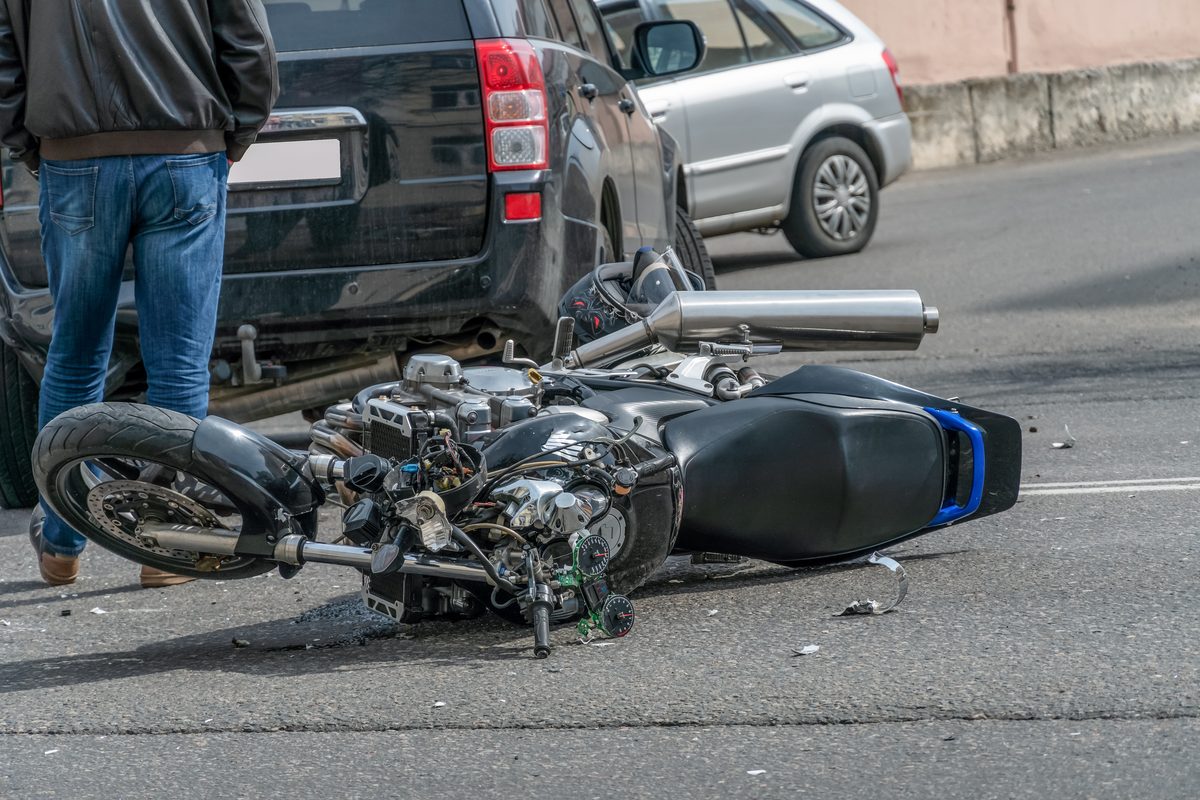



Motorcycle accidents can place extraordinary amounts of force on the rider. And unlike car crashes, there is no steel frame, seat belt, or airbag that might help absorb it. Head and brain injuries are among the most serious consequences.
Motorcyclists with traumatic brain injuries (TBIs) often also have another outside force to deal with: insurers who want to blame everything on the rider and pay out as little for much-needed recovery as possible.
At Crosley Law, we have extensive experience with both motorcycle accident claims and TBI cases. We know how to counter insurance companies when they try to minimize an invisible brain injury or argue that the rider’s helmet—or lack of one—should reduce compensation.
If you or someone you love suffered a concussion or traumatic brain injury in a motorcycle crash in San Antonio or elsewhere in Texas, getting appropriate medical care should be your priority. But it’s also important to understand how a brain injury may affect your legal claim.
What symptoms should you watch for after a motorcycle crash?
Some traumatic brain injuries are obvious. A motorcyclist may lose consciousness, experience significant confusion, or require emergency hospitalization.
Other brain injury cases are much more subtle. A rider may leave the emergency room believing they escaped with relatively minor injuries only to notice problems over the following days.
Common TBI symptoms include:
- Dolores de cabeza
- Mareos
- Problemas de equilibrio
- Náuseas
- Sensibilidad a la luz o al ruido
- Visión borrosa
- Zumbido en los oídos
- Unusual bouts of fatigue
- Alteraciones del sueño
Other symptoms can be even harder to recognize. You might struggle to remember conversations, lose track of appointments, have trouble concentrating, become mentally exhausted more quickly, or find that tasks that were once easy now require enormous effort. Family members may notice increased irritability, anxiety, depression, impulsiveness, or unusual emotional reactions.
The kicker is that all these symptoms can develop even when initial scans at the hospital appeared “normal.” This discrepancy can often be attributed to doctors not seeing a need at the time for more advanced testing, but insurers can still latch onto those original tests to argue that nothing is actually wrong or your symptoms are not linked to the motorcycle crash.
Why TBI claims after motorcycle accidents can be difficult
Brain injury cases are among the most complicated personal injury claims we handle.
A rider with a TBI may walk into a deposition looking completely normal, able to speak clearly and answer basic questions. But a judge or jury might not see that same person struggling at work, forgetting important information, or no longer behaving like the person their family knew before the crash.
Insurance companies often seize on this “invisible” nature of TBI.
They may claim the injured person has recovered and is fine. They might shift blame off the crash and onto depression, anxiety, age, stress, medications, or preexisting health conditions. Any “normal” standard imaging tests may also be used against you as a lack of objective evidence of TBI, even when you know something is wrong.
An experienced brain injury lawyer knows these arguments are coming and how to build their case accordingly.
Why should you always see a doctor after a motorcycle crash?
Obviously, any serious injuries you have from a motorcycle crash should receive medical attention. But even if you feel your injuries are minor, you should talk to a healthcare provider as soon as you can.
Seeing a doctor can help detect injuries or concerns you might not yet know about. And on the legal side, early medical documentation can be crucial in a personal injury claim.
When insurance companies try to argue that delayed symptoms can’t be the result of the crash, documentation showing when symptoms appeared and how they progressed can help establish the connection. The sooner after a crash this can be started, the better.
How Crosley Law proves a motorcycle-related brain injury
The strongest TBI cases are built around telling the full story of a victim’s circumstances. When the defense tries to pinpoint one or two facts they feel are in their favor, we argue back with comprehensive, interconnected evidence and testimony that reveal the clearer picture.
Medical records can establish the progression of symptoms. Neurologists and other specialists can explain a victim’s diagnosis and prognosis. Neuropsychological testing may identify measurable problems with memory, attention, processing speed, or executive functioning.
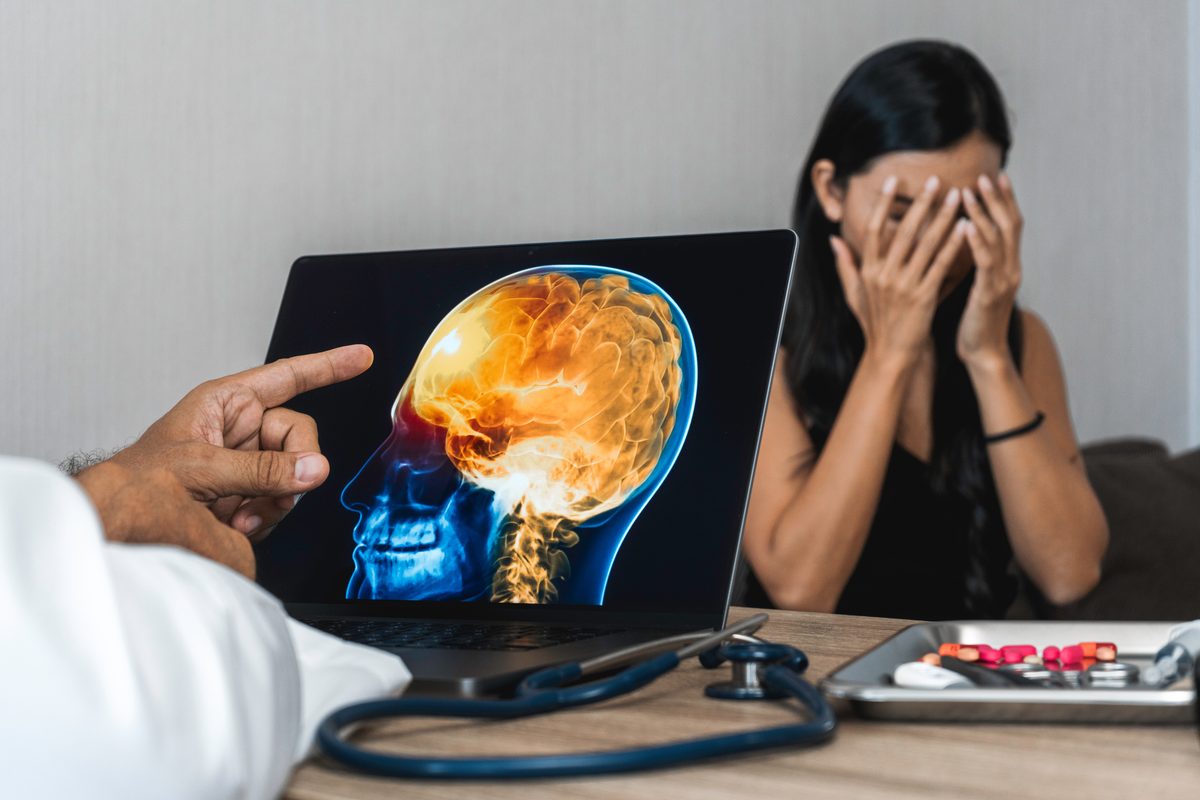
Advanced imaging or other diagnostic tools may also provide valuable information, showing the “invisible” injury in ways more standard tests can’t.
Just as importantly, we often speak with the people who knew our client before and after the accident, putting in everyday terms how a TBI has changed the victim’s behavior, work performance, or ability to enjoy life. These “before and after” witnesses can help make a TBI’s consequences more understandable.
What does Texas law say about motorcycle helmets?
Texas does not have a universal motorcycle helmet requirement for every adult rider.
Texas Transportation Code Section 661.003 generally requires motorcycle operators and passengers to wear protective headgear that meets state safety standards. However, there is an exception for certain people who are at least 21 years old.
Under current Texas law, a person age 21 or older may qualify for an exception if they have successfully completed an approved motorcycle operator training and safety course or are covered by a qualifying health insurance plan that provides medical benefits for injuries resulting from a motorcycle collision. That means an adult motorcyclist may be riding legally without a helmet in some circumstances.
However, what is legally permitted and what is medically safest are two different questions. Motorcycle helmets remain one of the most effective ways to reduce the risk of severe head and brain injury during a crash.

Does wearing a helmet affect a motorcycle accident claim?
Potentially. But it doesn’t apply to the most important question: Who caused the crash?
Suppose a distracted driver turns left directly in front of an approaching motorcyclist. The motorcyclist crashes and suffers a brain injury. Whether the rider was wearing a helmet does not change the fact that the driver may have caused the collision by failing to yield.
However, insurance companies may still argue that helmet use affected the severity of the rider’s injuries. This is where these cases can become complicated.
While wearing a helmet can significantly reduce the risk and severity of injury, it does not guarantee prevention. Motorcycle crashes can expose the brain to enormous rotational and acceleration forces. Even a helmeted rider may suffer a concussion or other neurological damage.
Whether the rider wore a helmet is not as important as what happened to the rider’s brain during this particular crash. An experienced motorcycle accident lawyer can challenge attempts to unfairly turn a negligent driver’s actions into a debate about helmet use.
So what’s the bottom line? We highly recommend wearing a helmet. And if you were wearing one during a crash, preserve it. The helmet itself may become important physical evidence showing where your head was struck and how significant the impact was.
But if you weren’t wearing a helmet, don’t assume you have no case. Texas law does not automatically eliminate a personal injury claim simply because an adult motorcyclist was not wearing one.
RELATED:Can you get a concussion without hitting your head?
What compensation may be available after a motorcycle TBI?
Brain injuries can create financial burdens that last far beyond the initial hospital stay. A personal injury claim may seek compensation for:
- Tratamiento médico pasado y futuro
- Rehabilitation
- Pérdida de salarios
- Lost earning capacity
- Dolor físico
- Angustia mental
- Impairment
- Other losses recognized under Texas law
Future damages are especially important in serious TBI cases. Someone who returns to work after a motorcycle accident may still find they can’t perform at their previous level. Others may need lifelong neurological care, cognitive therapy, counseling, medications, household assistance, or workplace accommodations.
A settlement should not just pay today’s hospital bills and leave the victim responsible for tomorrow’s needs. That is why Crosley Law may work with life care planners, medical specialists, vocational professionals, and economists to evaluate how a brain injury is likely to affect a client’s future.
Frequently asked questions about motorcycle crashes and TBIs
Can I have a brain injury if my CT scan or MRI was normal?
Yes. Mild traumatic brain injuries and concussions often do not appear on standard CT or MRI scans. Doctors diagnose these injuries by considering the mechanism of injury, symptoms, neurological findings, medical history, and other forms of testing.
A normal scan does not necessarily mean your brain was not injured.
RELATED:When “normal” isn’t normal: updated guidelines help lawyers win traumatic brain injury settlements
Do I have to lose consciousness to have a TBI?
No. Loss of consciousness can occur in a traumatic brain injury, but it is not required. A person may remain awake throughout the crash and still suffer a concussion or other TBI.
Can I still have a case if I wasn’t wearing a motorcycle helmet?
Possibly, yes. Helmet use is not the same thing as responsibility for causing the collision. If another driver’s negligence caused your motorcycle accident, you may still have a claim.
However, the insurance company may try to argue that not wearing a helmet contributed to the severity of a head injury. You should discuss the specific facts with an experienced San Antonio motorcycle accident attorney.
What if I was wearing a helmet and still suffered a brain injury?
That is entirely possible. Helmets substantially reduce the risk of serious head injuries but can’t prevent every TBI.
Preserve your helmet after the crash. Damage to the helmet may become important evidence.
My symptoms started several days after the accident. Is that unusual?
Not at all. Some concussion symptoms appear immediately while others become noticeable later.
As the shock of the crash wears off and you attempt to return to work or normal daily activities, problems with concentration, headaches, memory, sleep, or fatigue may become much more obvious.
If symptoms appear after the accident, seek medical care and explain how they developed.
How long can concussion symptoms last?
Many people recover from mild TBIs, but not everyone. Some develop persistent post-concussion symptoms that can last months or even years.
The longer symptoms continue, the more important ongoing medical evaluation and documentation become.

Talk with a lawyer who understands both motorcycles and brain injuries
Motorcycle accident cases already face unique challenges. Riders are sometimes unfairly stereotyped as reckless or dangerous, even when another driver clearly caused the collision.
Add an invisible brain injury to the case, and the insurance company may have two different avenues for attacking the victim. You need an attorney who understands both.
Tom Crosley has spent years studying traumatic brain injuries, working with leading medical specialists, trying serious injury cases, and developing strategies for explaining invisible injuries to insurance companies and juries.
At Crosley Law, we investigate how the motorcycle accident happened, identify the parties responsible, preserve important evidence, document the client’s neurological condition, and evaluate how the injury may affect their entire future.
If you or someone you love suffered a concussion or traumatic brain injury in a motorcycle crash, contact Crosley Law for a free consultation. You deserve a brain injury lawyer who will listen to what happened, help you understand your legal options, and work to hold the people responsible for the crash accountable.
This article is provided for informational purposes only and should not be considered legal advice.